
A Compassion Valley
A Compassion Valley is a small assisted living and board-and-care home in a residential part of Van Nuys. It serves older adults who need daily help in a calm, home-style setting. The community is licensed in California as an RCFE with room for up to six residents. The license has been active since May 2021, and the home is managed by an on‑site administrator.
Location and Environment
Neighborhood Setting
The home is located on Mammoth Avenue in Van Nuys, inside Los Angeles County. This is a quiet neighborhood in the San Fernando Valley. The setting feels like a regular family street, which often makes visits easier for relatives and helps residents feel less like they are living in an institution. Medical offices and pharmacies are nearby, so families can reach common services without long drives.
Space, Outdoor Areas, and Safety
The property includes outdoor space designed for gentle daily use. Public listings mention walking paths and a garden. In a small home like this, that usually means flat, easy routes for short strolls and a planted yard where residents can sit outside. Families touring the home can look for shaded areas, because comfort outdoors depends on having cool spots during warm days.
Safety Note: The home also has an emergency alert system. This is typically a set of call buttons or pull cords in bedrooms and bathrooms. When a resident uses one, staff on site respond right away. Quick response is one of the main advantages of a six‑resident setting.
Care and Medical Support
Care Approach and Target Residents
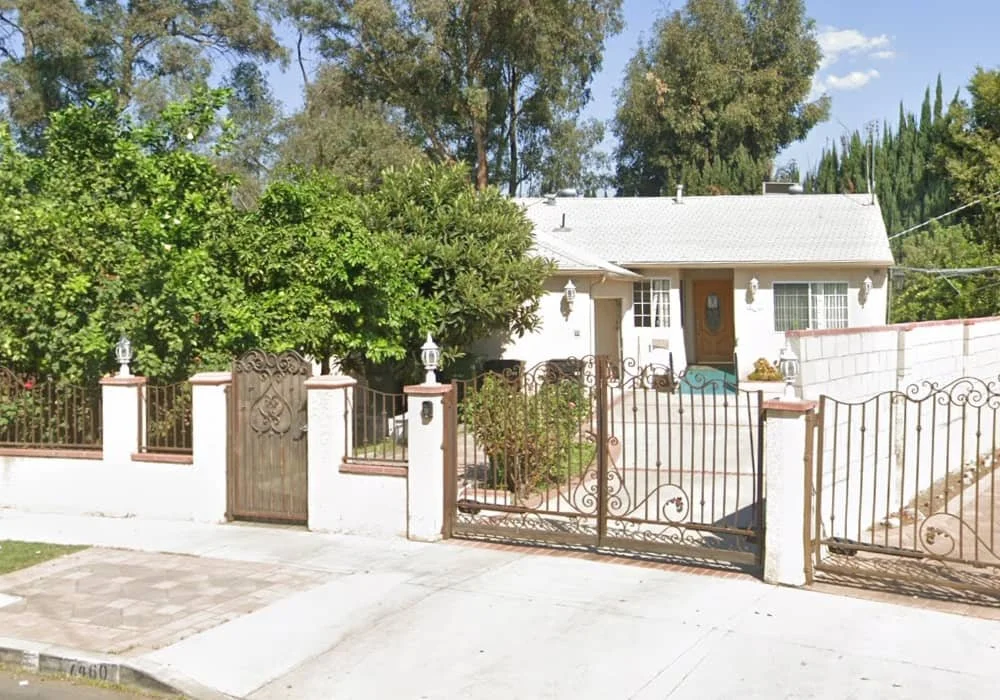
Photo sourced from Google Maps.
A Compassion Valley provides 24‑hour supervision and help with everyday tasks. Staff support bathing, dressing, grooming, walking or moving safely through the house, and other daily routines. They also organize and monitor medications in line with a resident’s care plan.
The home accepts residents who are not fully mobile and is wheelchair accessible. This can be important for people who need transfers from bed to chair or who use a walker or wheelchair. In a small home, these transfers are usually handled with close, one‑to‑one attention, and routines can be adjusted quickly if a resident’s mobility changes.
| Benefit | Description |
|---|---|
| Community | A Compassion Valley |
| Type | Assisted Living / Board and Care (RCFE) |
| Address | 7460 Mammoth Ave, Van Nuys, CA 91405 |
| Phone | (818) 983-9165 |
| RCFE License | #195850143, active |
| Licensed since | May 13, 2021 |
| Capacity | Up to 6 residents |
| Administrator | Breanna Kuyumchyan |
| Outdoor and safety features | Walking paths, garden area, emergency alert system |
| Social rhythm | Community-sponsored activities, movie nights, shared meals |
| Mobility support | Wheelchair accessible, accepts non-ambulatory residents |
In‑Room Medical Services
Residents can usually receive medical support without leaving the home. Families may request home‑visiting doctors to come to a resident’s room, which can prevent unnecessary urgent care trips.
Mobile diagnostic services such as lab work, X‑ray, or ultrasound can also be arranged on site when needed.
If a resident requires specialty care, visiting specialists, including ophthalmologists, can be requested so evaluations happen in familiar surroundings.
Living Accommodations and Lifestyle
Rooms and Privacy
The community offers both private and shared rooms:
Private rooms tend to suit residents who want quiet, a personal routine, or frequent family visits.
Shared rooms often fit people who enjoy company and feel safer with someone nearby.
Most small homes allow families to personalize a room with familiar photos, bedding, and a few personal items, which helps a new resident settle in.
| Benefit | Description |
|---|---|
| 24-hour supervision | Staff are present day and night and respond quickly to needs. |
| Help with daily living (ADL) | Support with bathing, dressing, grooming, and routine tasks. |
| Medication support | Reminders, organization, and monitoring per doctor’s orders. |
| Mobility and transfers | Assistance moving safely between bed, chair, bathroom, and dining areas. |
| Non-ambulatory care | The home can support residents who do not walk independently. |
| Outside medical coordination | Staff help arrange in-home doctor visits and mobile diagnostics. |
| Meals with dietary needs | Meals are prepared on site and adjusted to resident preferences or restrictions. |
| Housekeeping and laundry | Regular cleaning and clothing care are handled by the team. |
Activities and Daily Rhythm
Listings describe community activities and occasional movie nights. In a home this size, activities are usually simple, steady, and tailored to energy levels. A typical day includes shared meals, light group time in the morning, quiet afternoons, and a calm evening routine. Movie nights work well because they are social without being tiring. Families can ask how staff adapt activities for different abilities and whether residents help choose what they do together.
Administrative and Oversight
Quality Oversight and Inspections
As a licensed RCFE, A Compassion Valley is monitored through regular state inspections. Public records show that the home has received citations in the past, including both Type A and Type B findings. These are followed by required correction plans and rechecks.
Advice for Families: Families who want a clear picture of quality can ask the administrator what was cited, how it was fixed, and what steps were put in place to prevent the issue from repeating.
Move‑In Process
Small board‑and‑care homes often handle move‑ins with a guided intake. This usually includes a tour with the family, a review of health and daily care needs, and a simple plan for the first days. The goal is to help the resident learn the house rhythm without stress. Families can ask how quickly the home can accept a new resident and how staff support the adjustment period.
Questions That Help on a Tour or Call
Families often get the most useful answers by asking about real situations. It helps to clarify:
How night supervision works.
Who tracks medications and handles changes.
What the response looks like after a fall or sudden decline.
How often care plans are reviewed.
How staff support residents who need mobility assistance.
These topics show whether the home runs on clear routines and steady communication.
Explore More Assisted Living Communities
Address: 1901 Third Avenue, Oakland, CA 94606