
AAA Jerusalem Stars
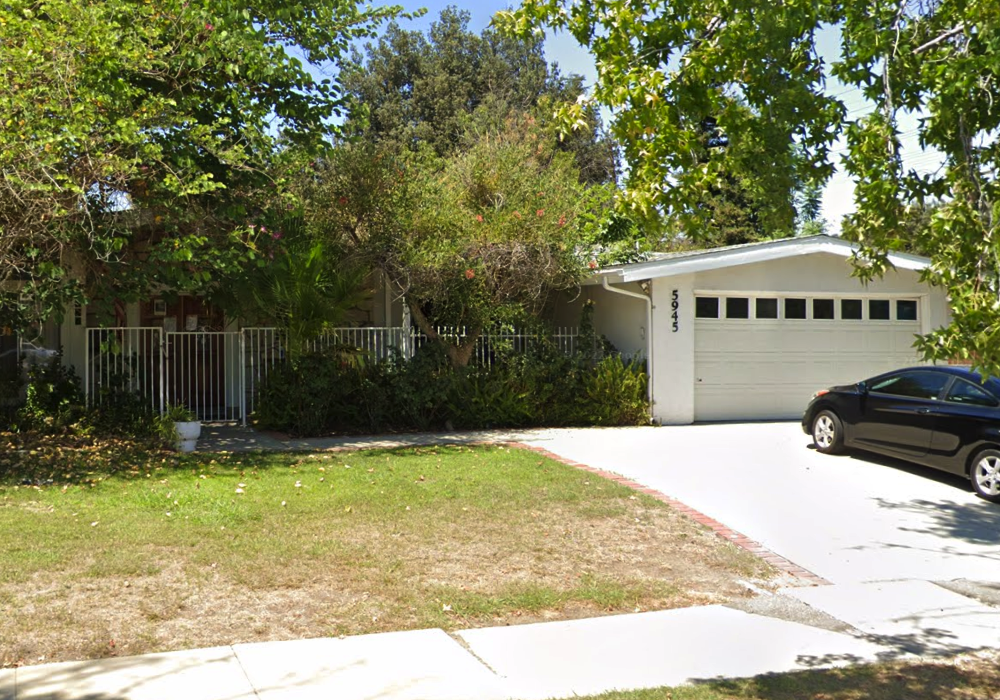
Photo sourced from Google Maps 2022.
AAA Jerusalem Stars is a small, licensed residential care home for older adults located in a quiet neighborhood of Woodland Hills, Los Angeles. The home operates under California RCFE License #195850306 (Type 740) and has been licensed since December 2022. It looks and feels like a regular house rather than a large senior living facility, which is one of its main advantages.
Key Facts About AAA Jerusalem Stars
The home is registered as AAA Jerusalem Stars, Inc., with Soheila Noroozi listed as the administrator. This is a classic California board-and-care home: a small, home-like setting with personalized attention and space for only six residents.
Quick Summary Table
| License | RCFE #195850306 (Type 740), Status: Licensed |
| Capacity | Up to 6 residents |
| Facility Type | Small board-and-care / assisted living home |
| Resident Profile | Older adults needing daily assistance, supervision, or memory support |
| Administrator | Soheila Noroozi |
| Address | 5945 Capistrano Ave, Woodland Hills, CA 91367 |
| Neighborhood | Quiet, residential street in West San Fernando Valley |
| Room Types | Private and shared rooms |
| Pets | Some listings note pets may be allowed (confirm directly) |
| Memory Care | Experience with residents living with dementia |
Location and Surroundings
AAA Jerusalem Stars sits in Woodland Hills, a green, mostly residential area of West San Fernando Valley. Nearby streets are quiet and lined with single-family homes. Families often see this as an advantage: the place looks like a regular home, not an institution.
Visiting is simple — street parking is typical for the area, and local shops, clinics, and cafés are close by. Hospitals in the Valley or West LA are a short drive away. For relatives who prefer frequent visits, this location is convenient and easy to navigate.
Who This Home Is Designed For
AAA Jerusalem Stars works within the board-and-care model, which focuses on daily assistance, safety, routines, and emotional comfort rather than intensive medical treatment.
Residents Who Usually Fit Well Here
People who benefit most from this home often need:
help with bathing, dressing, and personal care
support with walking, standing, or transferring
reminders and assistance with medications
gentle supervision during the day and night
a quiet, predictable environment with few residents
For individuals with mild to moderate dementia, a small home with familiar routines and consistent staff can feel less overwhelming than a large assisted living facility.
Residents Who May Not Be a Good Fit
A small RCFE is not suitable for:
fully bedbound adults needing complex nursing procedures
residents with severe behavioral challenges or uncontrolled aggression
individuals requiring advanced medical equipment (e.g., ventilators)
conditions requiring skilled nursing–level care
Families usually discuss these details directly with the administrator to understand whether the home can meet their loved one’s needs.
Daily Care and Support
Staff at AAA Jerusalem Stars assist residents with all essential daily tasks. Typically, this includes:
bathing, grooming, showering, and dressing
help with toileting and personal hygiene
support with walking, transferring, and positioning
medication reminders and assistance
regular check-ins throughout the day and night
The home offers 24-hour supervision. At night, staff remain on-site and can respond if someone needs help, feels anxious, or has difficulty getting up. When needed, the team communicates with outside doctors or home-based medical services.
Memory Care Approach
Residents living with dementia are supported within the home’s everyday routines. While this is not a locked “memory care unit,” the environment is structured to reduce confusion and help residents feel grounded.
Families may want to ask:
What does a typical day look like for someone with memory loss?
Are visual cues or labels used around the home?
How does staff respond to anxiety, repeated questions, or nighttime waking?
What steps are taken to reduce wandering risks?
Clear answers to these questions help families understand how the home manages cognitive changes.
Daily Schedule, Meals, and Activities
Life in a small home follows a simple, predictable rhythm. The day often begins with morning assistance, breakfast, and medication reminders. Afternoons usually include lunch, rest, light activities, TV, and conversation. When the weather is nice, some residents enjoy brief outdoor time.
Meals are cooked on-site. Diets can be adapted for diabetes, chewing difficulties, or personal preference. Because there are only a few residents, the staff often learn individual habits and try to make meals feel familiar and comfortable.
Activities tend to be gentle and accessible: music, conversation, board games, simple exercises, and casual time in shared spaces.
Safety and State Oversight
AAA Jerusalem Stars is regularly inspected by the California Community Care Licensing Division. Inspection reports are public and show how the home maintains compliance.
A 2024 report noted a nighttime incident in which a resident left the home unnoticed and was later found. The state documented the issue, required a correction plan, and the home continued operating with its license active.
For families, this is a reminder to ask practical safety questions during a tour.
Important Safety Questions for Your Visit
How is nighttime supervision organized today?
How many staff members are present at night?
Are door alarms, sensors, or monitoring systems used?
How are nighttime events documented?
How quickly are families notified if something happens?
The answers give a good sense of how the home has improved protocols.
Questions to Ask During a Tour
Preparing questions ahead of time helps families get a realistic picture. Useful topics include:
staff experience and turnover
training in dementia care and fall prevention
daily routines: wake-up time, meals, rest, and evening schedule
how staff handle resident conflicts or emotional distress
communication with families after health changes
whether staff help coordinate doctor visits, labs, or mobile imaging
Observing the environment is also key. Pay attention to cleanliness, lighting, room layout, bathroom safety features, and how kindly staff speak with residents.
Mini-FAQ
Can residents bring personal furniture?
Usually yes — items like a favorite chair, blanket, or photos are often welcomed. Ask the administrator about specific guidelines.
Are pets allowed?
Some listings note the possibility of pets. Families should confirm current policies directly.
Is there nighttime staff?
Small care homes typically have onsite staff at night. Ask how many people are on shift and how they respond to nighttime needs.
Does the home help coordinate medical care?
Most board-and-care homes rely on outside doctors and home-based services. Ask which providers they work with and how coordination happens.
How does hospitalization work?
Families can ask who communicates with the hospital, how information is shared, and what happens when a resident returns home.
Preparing for a Move
A smooth transition usually includes:
gathering medical history, medication lists, allergies, and doctor contacts
noting personal routines: waking times, preferred foods, habits, fears
bringing comfort items that make the new room feel familiar
Families can also ask the administrator about the first week: how staff support new residents, how often they update families, and what to expect during the adjustment period.
Working With Doctors and Mobile Health Services
Small homes like AAA Jerusalem Stars typically do not employ in-house physicians. Instead, they collaborate with external providers: house-call doctors, home health agencies, mobile labs, mobile X-ray, and hospice or palliative teams.
This can be beneficial because many services come directly to the resident’s room. Families can discuss available options with the administrator and decide what kind of medical support they want to arrange.
What to Look For During a Visit
Photos help, but an in-person tour tells the full story. Pay attention to:
exterior and entrance safety
lighting and cleanliness in common areas
space around beds and walking paths
availability of grab bars, non-slip surfaces, and accessible showers
staff engagement, tone of voice, and how residents appear
A calm, respectful atmosphere often says more than any brochure.
Final Thoughts: Who AAA Jerusalem Stars Is Right For
AAA Jerusalem Stars is a small, licensed care home in Woodland Hills designed for older adults who need daily support, supervision, and a home-like routine. It is a good option for families looking for:
a quiet, intimate setting instead of a large facility
personalized attention
predictable routines and gentle oversight
a residential, familiar environment
Most families make their final decision after an in-person tour, but based on publicly available information, AAA Jerusalem Stars offers a calm, home-based care setting for older adults in the Woodland Hills area.
Explore More Assisted Living Communities
Address: 600 E. 11th Street, Hanford, CA 93230 (Kings County)