Familycare Cottage IV
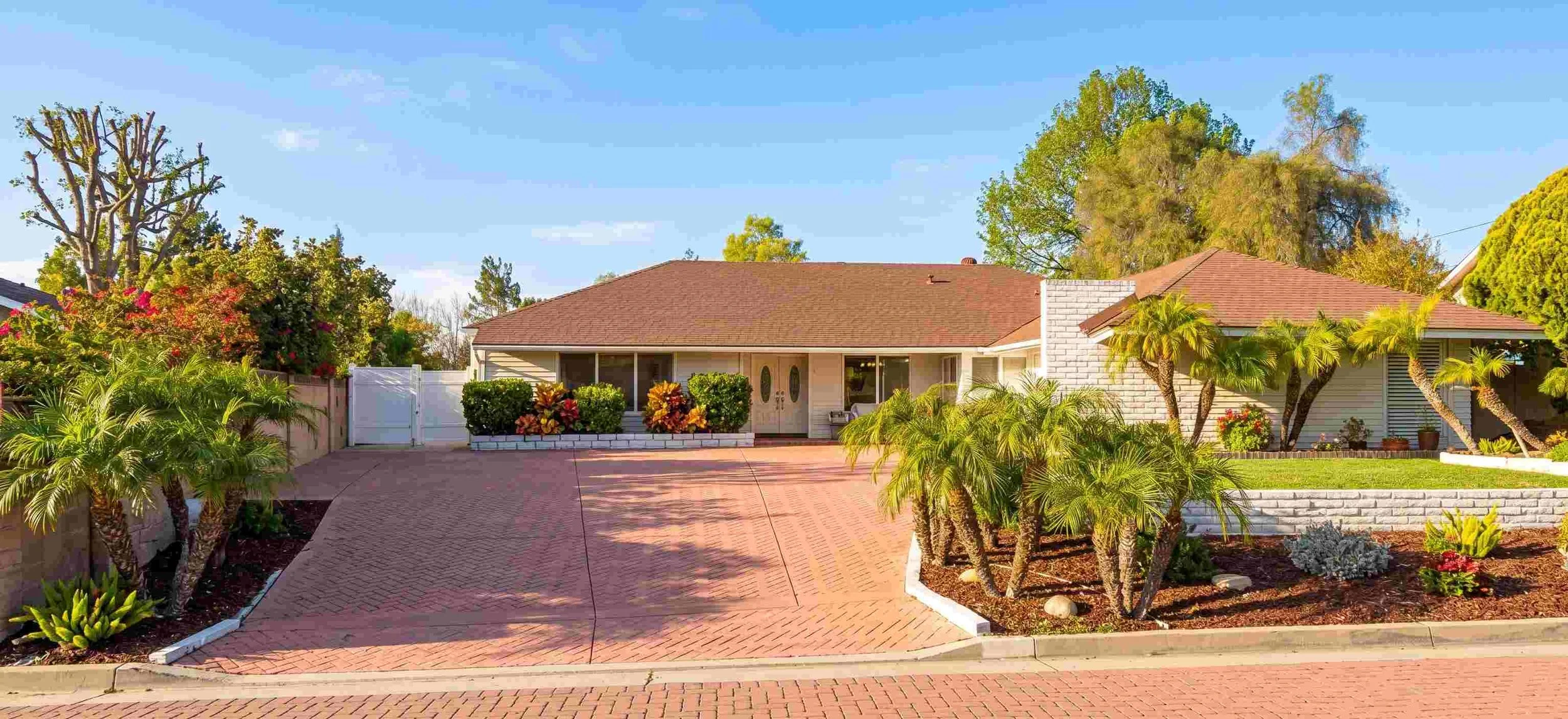
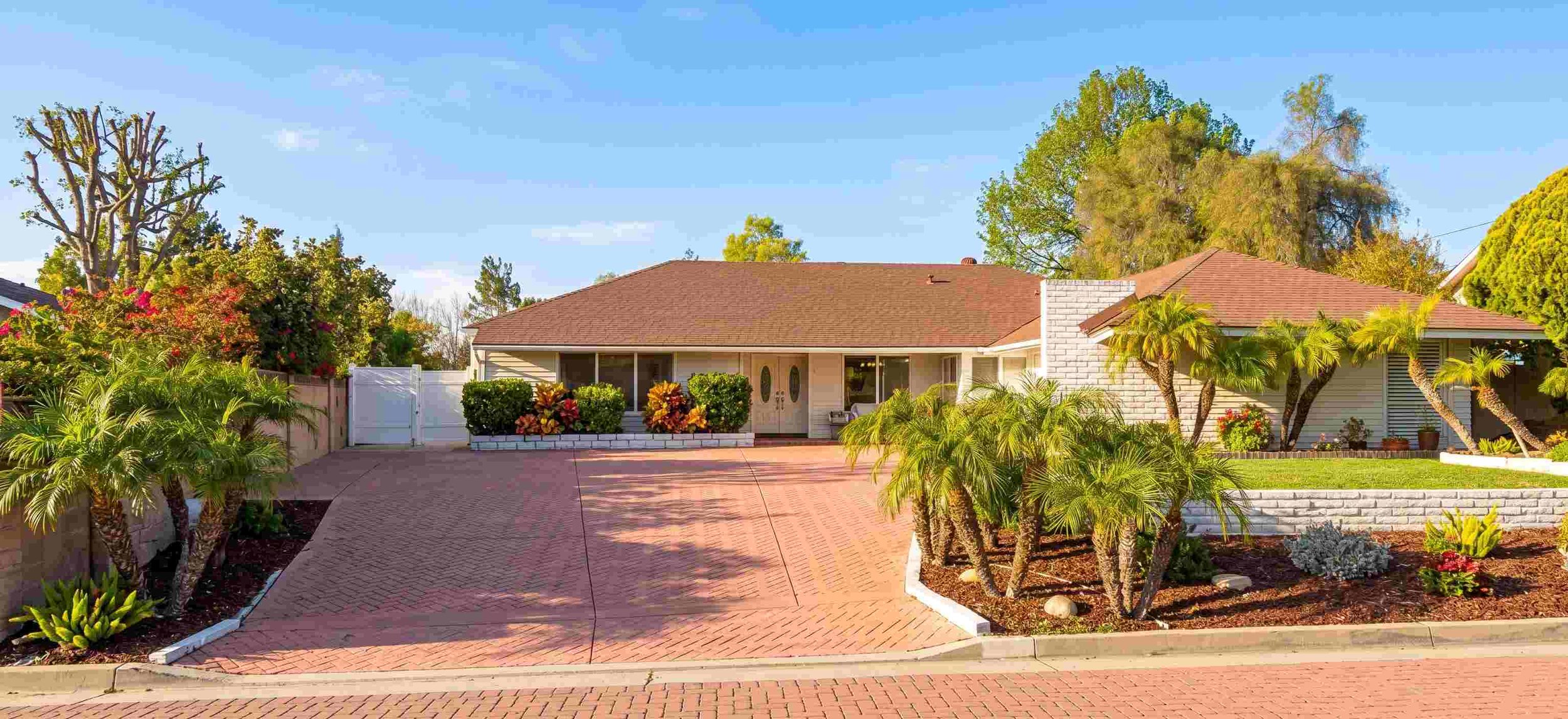
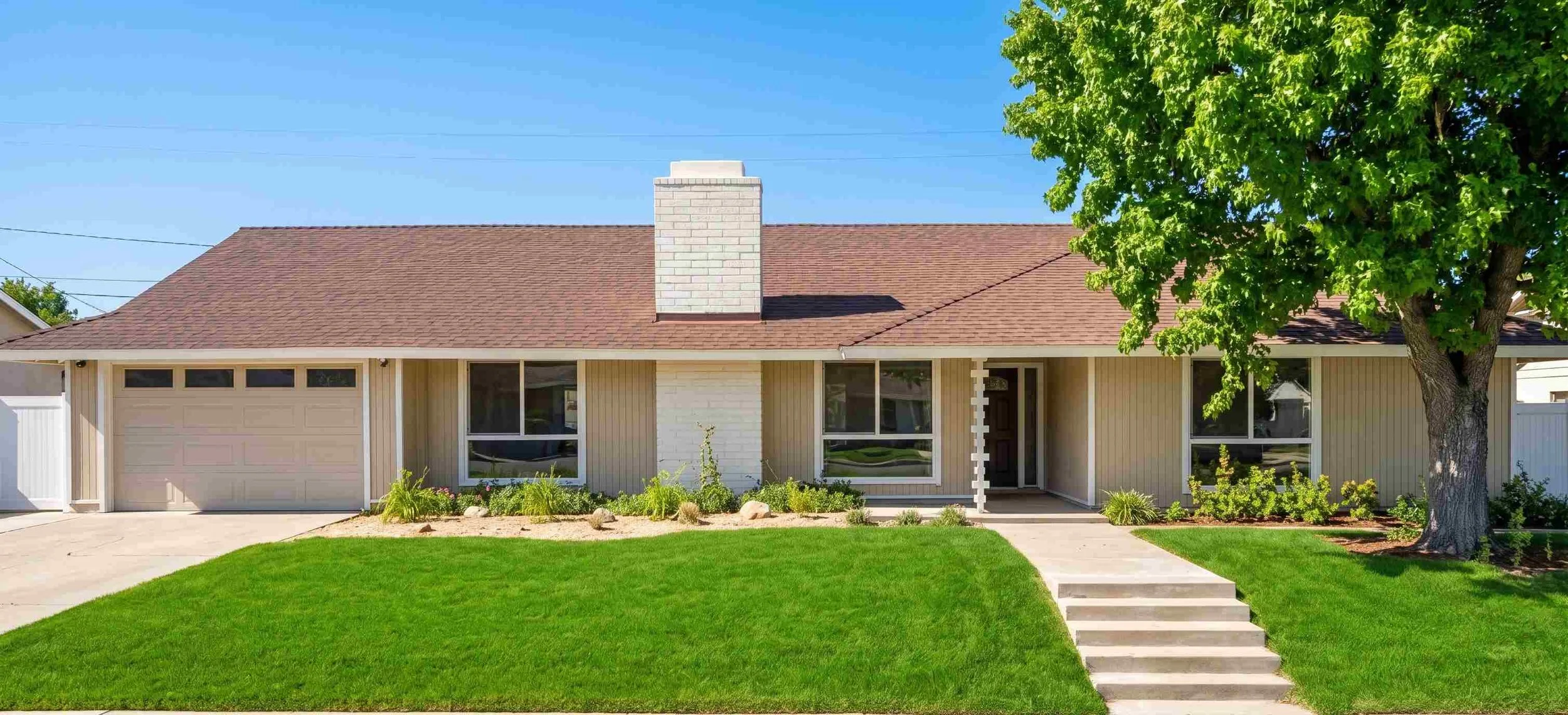
Familycare Cottage IV is a licensed residential care home at 825 Calle Cedro in Thousand Oaks. It is a small setting, licensed for up to six residents, which gives it the feel of a real home rather than a large facility.
For families weighing a big community against something more intimate, this guide covers what a small home like this offers, how the move works, and what to look at before you decide
Why Families Consider a Small Care Home
A six-bed home runs on a different rhythm than a large community. With only a handful of residents, caregivers get to know each person, their habits, and their moods in a way that is hard to match at scale.
The setting is a regular house on a residential street in Thousand Oaks, not an institution. Meals happen around one table, and daily life feels closer to how your parents have always lived.
That intimacy suits people who feel lost or overwhelmed in a crowd. For a quiet parent, or one who is anxious around lots of new faces, a small home can feel safer and steadier from day one. It can also be easier for someone in the early stages of memory loss, where a small, predictable world tends to bring more comfort than a large, busy one.
Care and Daily Life at a Residential Care Home
Residential care homes provide the same core support as larger assisted living: help with bathing, dressing, grooming, meals, and keeping track of medications, with caregivers on-site around the clock. The difference is scale, not the basics of care. In a home this size, that help simply comes with more personal attention and fewer hands passing through.
A Calmer, Home-Based Day
Because the group is small, the day tends to be gentle and flexible. There is less noise, fewer hallways to navigate, and more room to keep a personal routine that fits your parents.
Home-cooked meals shared at one table often bring people out of their shells. For many older adults, that simple sense of belonging does as much for mood as any planned activity.
Watching for the Right Signs
On a visit, pay attention to the small stuff. Notice whether the home is clean and free of odors, how the caregivers speak to residents, and whether the people living there seem relaxed and cared for.
Staff turnover matters too. In a small home, one steady caregiver makes a huge difference, so it is fair to ask how long the team has been there and who covers overnight shifts.
Small Care Home Versus Large Community
Neither option is better on its own; they simply fit different people. The right choice depends on your parent's temperament, health needs, and what makes them feel at ease.
The table below sketches the trade-offs. Read it as a nudge to think about fit, then let a visit settle which kind of place feels right for your family.
|
Small Care Home (6 residents) |
Large Community (dozens of residents) |
|---|---|
|
Quiet, home-like setting with one shared table |
Busier campus with more common spaces and amenities |
|
Caregivers know each resident closely |
More staff and structured programs, less one-to-one familiarity |
|
Best for people who prefer calm and routine |
Best for social people who enjoy events and variety |
Handling Medical Care in a Small Setting
A residential care home helps with daily needs, but it is not a doctor's office. Your parents still need regular check-ups, and planning for that early avoids scrambling later.
As it gets harder to travel to appointments, many families arrange primary and specialty care that visits the resident, so routine exams and follow-ups happen at the home instead of across the county.
Keep a simple sheet with your parent's conditions, medications, and doctors. The caregivers will lean on it, and it makes every visit and every phone call go more smoothly.
The Thousand Oaks and Conejo Valley Setting
Thousand Oaks sits in the Conejo Valley, a green, low-key stretch between the San Fernando Valley and the coast. It is known for being safe, quiet, and easy to get around, which suits older residents and visiting family alike.
Familycare Cottage IV is a short drive from Los Robles Regional Medical Center and close to Westlake Village, so specialists and hospital care are nearby if they are ever needed.
For relatives in the west San Fernando Valley or along the 101, staying local keeps visits frequent and low-effort, which is often what helps a parent settle in fastest. Familiar surroundings help too, since a parent who has lived in the Conejo Valley for years keeps the same climate, the same errands, and the same sense of place.
Making the Move Feel Less Overwhelming
The move can stir up more emotion than the logistics suggest, for your parents and for you. A little planning takes the edge off those first days and helps a new place start to feel familiar.
Bring a Piece of Home
Personal touches go a long way in a small home. A favorite blanket, framed photos, a bedside lamp, or a cherished chair can turn a bare room into a space that feels like theirs.
Give it a couple of weeks before you judge how it is going. A shaky first few days is normal, and most people relax once the routine and the faces around them stop feeling new.
Keep the Family Close
Frequent visits early on reassure a parent that they have not been left behind. Even short, regular stops matter more than long visits that only happen now and then.
Stay in easy contact with the caregivers, too. Because the team is small, you can often get a real sense of how your parents are eating, sleeping, and settling in with a quick chat.
Deciding If This Home Is the Right Fit
Take your time with the choice, and trust what you see and feel on a visit as much as any list of services. A small home lives or dies on the warmth of its caregivers, so let that guide you.
Ask the practical questions while you are there: how they handle a resident who becomes confused or restless, what the overnight coverage looks like, and how costs have moved over the past couple of years, so nothing surprises you down the road.
If you are comparing Familycare Cottage IV with other homes in the area, 123 Senior Placement can walk you through the options and take on much of the searching. To reach the home directly, it is at 825 Calle Cedro, Thousand Oaks, CA 91360.

Written by Sofiia Puhach
September 21, 2026
Explore More Assisted Living Communities in Thousand Oaks