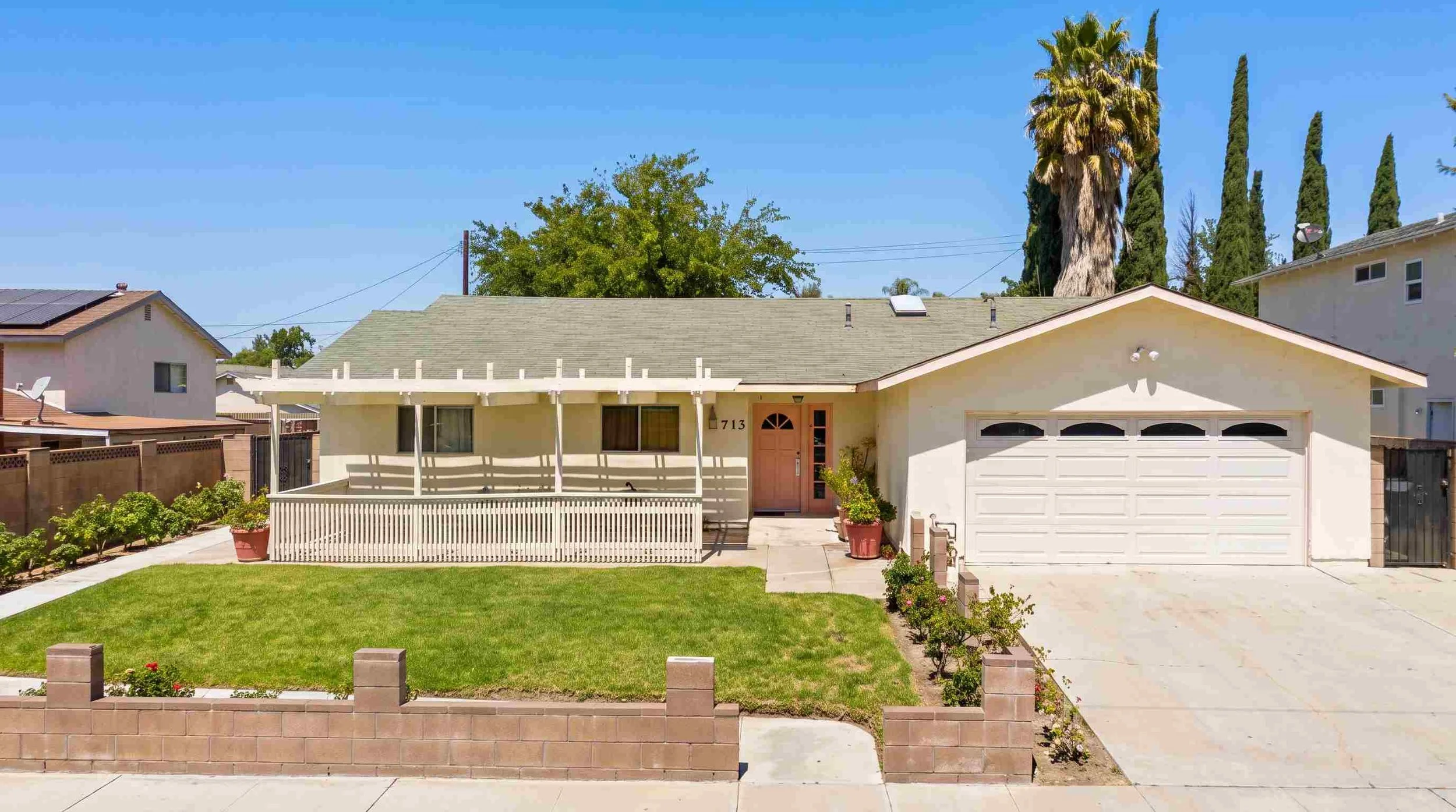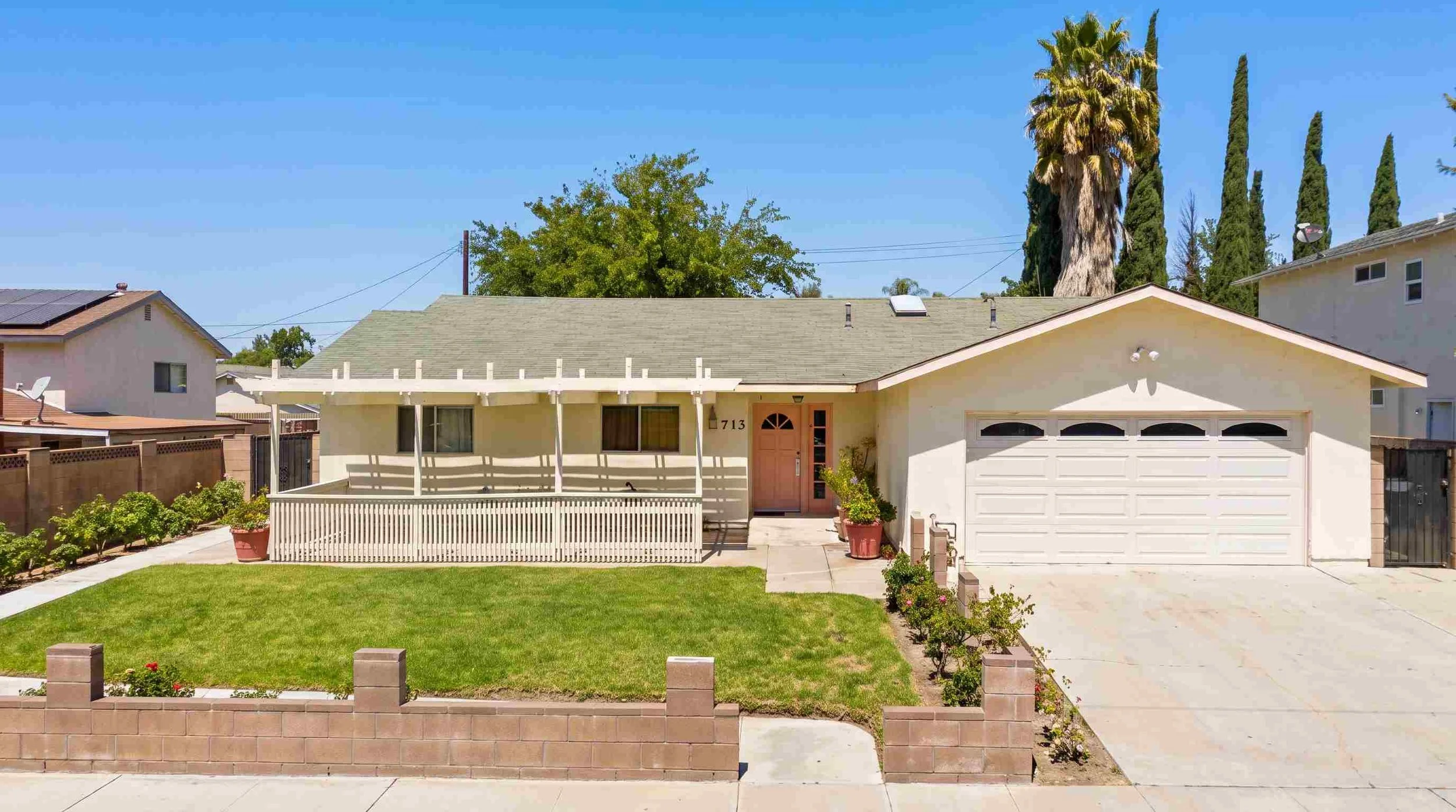
Simi Valley Residential Care II is at 713 Erringer Rd. in Simi Valley, holds license number 565800045, and is licensed for six residents. The licensees of record are Walter and Maria L. Mendez, who also serve as the administrators, and the home has been licensed since October 1994.
Six beds and thirty years under the same license is an unusual combination in California senior care. It means a household rather than a wing, and it means the people answering the phone are the people who will be in the kitchen on a Tuesday afternoon.
What Does a Six-Bed Board and Care Look Like?
It looks like a house on a residential street, because that is what it is. Six residents live in a converted family home with staff present around the clock, which produces a very different daily rhythm from a building with corridors and a front desk.
The National Institute on Aging (2023) describes these as small private facilities, also called residential care facilities or group homes, that usually have 20 or fewer residents, where rooms may be private or shared and residents receive personal care and meals with staff available around the clock.
What That Scale Gets You
The practical gain is attention. One or two staff for six people means someone notices that a resident ate less at lunch or was slower getting up, and noticing early is most of what prevents a hospital visit in this population.
The practical limit is variety. A six-bed home does not run a calendar of activities, a dining room with choices, or a physical therapy gym, and families who want those things are usually looking at a larger licensed community instead. Neither model is better; they suit different people.
Is Board and Care the Same as Assisted Living?
They fall under the same California license category, so the legal answer is yes and the everyday answer is no. The difference is size and style rather than the rules each has to follow, which is why the same checklist works for both and the same questions get useful answers.
Families use board and care for the small-home version and assisted living for the larger community version, and both are licensed as residential care facilities for the elderly. Knowing that they share one license category is what lets you compare them on the same checklist.
NCOA (2026) sets out senior housing as a range that includes independent living, assisted living, affordable senior apartments and continuing care retirement communities, several of which are not licensed for personal care at all. Establishing which category a building sits in is the first question, not the last.
Which One Suits Which Person
A quiet person who finds groups tiring, or someone who needs a lot of individual help with washing, dressing and eating, usually does better in a six-bed home. A sociable person who wants company, outings and a dining room with choices tends to do better in a larger community with a full activities program.
Cost does not follow size predictably either way. Ask both kinds for the same thing in writing: the base monthly rate, how care levels are priced, and what triggers an increase. That comparison is more useful than a price range from a directory.
How Does a Doctor Reach a Resident in a Home This Size?
Through a visit, because a licensed residential care home provides personal care rather than medical treatment. With six residents there is no nurse on duty, so the clinical work is done by clinicians who come to the house rather than by staff who live in it.
That arrangement works well when it is set up deliberately and badly when it is improvised. A resident with several conditions needs a clinician who reviews them on a schedule, not only when something goes wrong at nine on a Sunday evening.
Setting Up Visiting Care Deliberately
A visiting physician or specialty clinician can handle routine reviews, medication adjustments, and the forms a facility needs, in the resident's own room. It also removes the transport problem, which in a small home often means a family member taking a morning off work.
Ask the home two questions about this. Which clinicians already visit, and who calls the family when something changes. The second answer tells you more about how the house is run than any amount of discussion about meals.
What Does Thirty Years Under One Licensee Tell You?
It tells you the operation has survived three decades of inspections, staffing cycles and regulatory change, which is not a small thing in this sector. Continuity is genuinely rare, and it usually shows up in how settled a house feels.
State records show the same licensee family operating several numbered homes in Simi Valley, each licensed for six residents. Running more than one small home lets an operator move staff between houses and keep a resident within the same organization if their needs change.
What it does not tell you is whether the home suits your parents today. Long tenure is a reason to take a closer look rather than a substitute for looking, so check the current licensing record and visit before deciding anything.
What Should You Ask About Memory Care and Changing Needs?
Ask whether the home is approved to care for someone with dementia, and ask separately what would end a placement. These are two different questions, both of them awkward, and both of them need answers in writing before anyone signs an admission agreement.
Dementia Care in a Small Home
Small homes can suit someone in the earlier and middle stages of dementia well, because the environment is simple and the faces are few. Wandering, exit-seeking and night-time agitation are the behaviors that change the calculation, and they require specific approvals and staffing.
So ask directly whether the home holds the approvals needed for dementia care, how many current residents have a dementia diagnosis, and what the night-time staffing actually is. A straight answer to the third question is the most informative.
What Ends a Placement
Every residential care home has a point where a resident's needs exceed what it may legally provide, and that point is closer in a six-bed house than in a larger community. Finding out where it sits before move-in avoids an emergency move later.
Put the question plainly: what would make you ask us to move her, and how much notice would we get. The answer belongs in the admission agreement rather than in a friendly conversation nobody wrote down, because the people in the room may not be the ones making that call in two years.
What Is the Area Around Erringer Road Like?
Erringer Road is one of Simi Valley's main north-south streets, so the home sits in a settled residential area with easy driving access rather than somewhere remote. For family visits that mostly means parking is straightforward and the drive is short from most of the city.
Hospital proximity matters for a small home without on-site nursing. Adventist Health Simi Valley is the local hospital serving the city, and the state facility record lists it at 2975 Sycamore Drive, Simi Valley, CA 93065 with 136 licensed beds.
Local Services That Come to the Home
Being inside Ventura County also shapes the practical support available around the home. County and nonprofit transportation programs, home health agencies and mobile laboratory services all operate across this area, which matters when a resident needs a service arranged rather than a car ride organized by a relative.
Ask the home how they handle a hospital trip and the return afterward. Who travels with the resident, who packs the medication list, and who calls the family are all decided in advance in a well-run house, and improvised in a poorly run one.
Address, License, and How to Reach Them
These are the details to confirm against the current state licensing record before you call, because capacity and status can change without a directory noticing. Write them down and bring them to the first conversation, so you are checking facts rather than collecting impressions.
Name on the license: Simi Valley Residential Care II
Address: 713 Erringer Rd., Simi Valley, CA 93065
License number: 565800045
Licensed capacity: 6 residents
Licensees and administrators: Walter and Maria L. Mendez
Phone: (805) 522-9129
County: Ventura
Licensed since: October 1994
The home does not publish a website, which is normal for a six-bed house and says nothing about the care. It does mean the phone is the only way in, so expect to leave a message if you call during a mealtime or a shift change.
A Reasonable Next Step
Call about availability, ask what the monthly rate includes, and arrange to visit in the late afternoon. Early evening in a small home shows you the part of the day when staffing is thinnest and residents are most tired.
If you are weighing several Simi Valley homes at once, someone who tours them weekly is worth a conversation. Assisted Living Connections works across Ventura and Los Angeles Counties on placement for assisted living, memory care and residential homes, and knows which houses currently have a room.
You can also start from a list of placement agencies in the Doctor2me network rather than from a search. Whichever route you take, get the physician's report started this week, because that single form delays more move-in dates than availability does.
Sources Used
Healthcare that helps you embrace your possibilities – Adventist Health Simi Valley
Long-Term Care Facilities: Assisted Living, Nursing Homes, and Other Residential Care – National Institute on Aging (2023)
Senior Housing Options: A Complete Guide – National Council on Aging (2026)

Written by Sofiia Puhach
October 14, 2026
Explore More Assisted Living Communities in Simi Valley