Navigating Pelvic Discomfort and Pain in Stomach During Period
Lower abdominal discomfort in women is frequently driven by the menstrual cycle (menstruation or ovulation), gastrointestinal issues, or gynecological conditions such as endometriosis or fibroids. Intense pain in stomach during period episodes are primarily caused by an excess of prostaglandins, which trigger uterine contractions. Relief is often found through heat therapy, nonsteroidal anti-inflammatory drugs (NSAIDs), and dietary adjustments, though persistent or severe pain requires professional evaluation.
Understanding the Roots: Major Stomach Pain Causes in Women
To effectively address the question of what causes lower stomach pain in women, one must look at the body as an interconnected system. Drawing from data provided by the CDC, NIH, and Mayo Clinic, medical experts generally categorize these causes into three primary groups:
1. Physiological Cycle Factors
Dysmenorrhea: Uterine contractions during the shedding of the endometrial lining. For those wondering what to eat during periods to reduce stomach pain, experts recommend magnesium-rich foods and omega-3 fatty acids to help dampen inflammation.
Ovulation Pain: A brief, sometimes sharp discomfort occurring mid-cycle.
PMS: Bloating and fluid retention often contribute to a general sense of stomach pain.
For comprehensive women’s healthcare and preventative screenings, RW Family Practice & Preventative Care in Glendale, Arizona, serves as a leading resource. This practice specializes in Women’s Health services, offering everything from annual Well Woman exams and Pap smears to menopause management with a focus on long-term wellness. Schedule a preventative Women’s Health exam on their official website.
2. Gynecological Medical Conditions
Endometriosis: According to the National Institutes of Health (NIH), this chronic condition affects approximately 10% of women globally.
Adenomyosis and Fibroids: These conditions often manifest as a localized pressure or a heavy, "pulling" sensation in the pelvic region.
Accurate diagnosis of these issues often requires high-quality diagnostic imaging. Gentry Imaging, operating throughout Arizona, provides a unique mobile diagnostic service. They bring ultrasound and X-ray technology directly to the patient's location, eliminating the stress of hospital visits. Request a mobile diagnostic appointment here.
3. Overlapping Systems: GI and Urinary Health
It is common for stomach pain below belly button in women to be related to the gastrointestinal tract rather than the reproductive organs.
Cystitis: Sharp pain often accompanied by a burning sensation during urination.
Irritable Bowel Syndrome (IBS): Hormonal fluctuations can trigger intestinal spasms that mimic or exacerbate pelvic pain.
If symptoms appear to be gastrointestinal in nature, Cameron Sikavi, M.D., a leading gastroenterologist in Los Angeles, offers expert care. Dr. Sikavi specializes in complex IBS cases and advanced endoscopic procedures. Book a consultation with a specialist via his provider profile.
Symptom Localization: Where Does it Hurt?
Identifying the exact location of the discomfort helps providers narrow down the potential stomach pain causes in women:
| Pain Location | Potential Cause | Sensation Type |
| Right lower stomach pain in women | Appendicitis, right ovarian issues | Sharp, localized, or throbbing |
| Bottom left stomach pain in women | Sigmoid colon issues, left ovarian cysts | Cramping or steady pressure |
| Central area (below the navel) | Uterine contractions, cystitis | Spasmodic or heavy pressure |
For patients seeking a holistic approach to health, including metabolic recovery and weight management, New Life Medical in Arizona provides innovative "New Life" programs. They combine medical supervision with wellness technologies to help patients achieve hormonal balance. Explore their health restoration programs on their website.
Doctor2me: Professional Medical Care Delivered to You
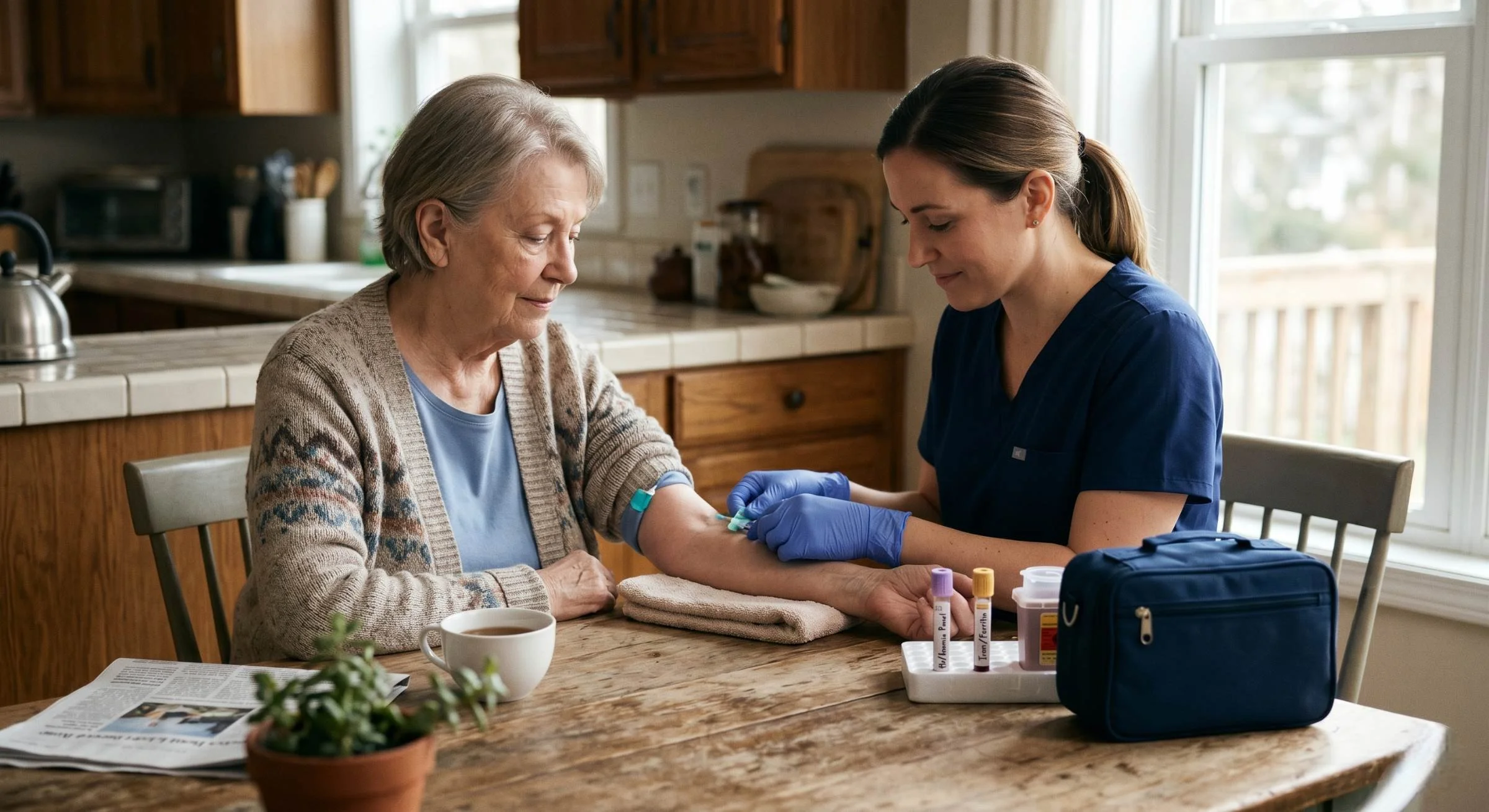
When an intense pain in stomach during period strike, the last thing a person wants is to navigate traffic or sit in a crowded waiting room. Doctor2me offers a modern alternative: the physician comes directly to the patient.
The primary benefit of this service is the complete absence of travel-related stress. Qualified Doctor2me providers visit homes, offices, or hotels to perform thorough examinations and provide treatment plans in a private, comfortable setting. This ensures that professional care is accessible exactly when and where it is needed most.
Relief Strategies and Over-the-Counter Options
Many patients search for what is the best over the counter for upset stomach or pelvic cramping. Experts from the Mayo Clinic suggest the following:
Thermotherapy: Applying a heating pad to the lower abdomen helps relax the smooth muscles of the uterus.
OTC Medication: NSAIDs (like ibuprofen) are effective at blocking the prostaglandins that cause cramping.
Gentle Movement: Light stretching or a short walk can improve pelvic blood flow and release natural endorphins.
For those in the Scottsdale or Phoenix areas requiring personalized long-term care or home-based visits, Rebecca Cook, M.D. offers dedicated internal medicine services. Dr. Cook focuses on understanding a patient's full medical history and provides comprehensive care in a home setting. Contact Dr. Rebecca Cook through her website to schedule a visit.
When to Seek Urgent Medical Attention
While many forms of discomfort can be managed at home, certain "red flags" require immediate professional intervention. One should seek help if:
Pain is sudden, "knife-like," or causes fainting.
Pain is accompanied by a high fever, nausea, or vomiting.
Standard over-the-counter medications provide no relief.
Menstrual bleeding is abnormally heavy (soaking through products in less than two hours).
Persistent pelvic discomfort should never be ignored. With modern diagnostic tools and the expertise of specialists recognized by the NIH and Mayo Clinic, effective solutions are available to ensure every woman maintains a high quality of life throughout her cycle.
FAQ
What causes lower stomach pain in women besides regular menstruation?
While cycle-related issues are common, other stomach pain causes in women include endometriosis, fibroids, or pelvic inflammatory disease. In many cases, the discomfort is gastrointestinal, such as IBS or urinary tract infections. Clinics like RW Family Practice & Preventative Care specialize in diagnosing these various conditions through comprehensive women’s health screenings.
How can I effectively manage intense pain in stomach during period episodes?
Relief can often be achieved through a combination of heat therapy and NSAIDs to lower prostaglandin levels. For those who find it difficult to travel while in pain, Doctor2me provides a convenient solution by sending a qualified physician directly to the home to provide professional care and pain management in a private setting.
What should I do if I experience sharp right lower stomach pain in women?
Localized pain on the right side can indicate issues ranging from ovulation to appendicitis. It is important to get a professional diagnosis; services like Gentry Imaging offer mobile ultrasound and X-ray diagnostics, allowing patients to receive high-quality imaging without the need to visit a traditional hospital or imaging center.
Are there specific recommendations for what to eat during periods to reduce stomach pain?
Adopting an anti-inflammatory diet can be very beneficial. Increasing the intake of magnesium, calcium, and omega-3 fatty acids while reducing salt and caffeine helps decrease bloating and uterine spasms. For a more structured approach to hormonal health and nutrition, New Life Medical offers personalized wellness programs tailored to individual metabolic needs.
What is the best over the counter for upset stomach and cramping during my cycle?
For most women, NSAIDs like ibuprofen or naproxen are the most effective options as they target the chemical source of the pain. However, if the discomfort is primarily gastrointestinal, a specialist like Cameron Sikavi, M.D. can help determine if the symptoms require specialized GI treatment or advanced endoscopic evaluation.
Is it normal to feel bottom left stomach pain women often describe as a heavy pressure?
Persistent pressure in the lower left quadrant can be related to the sigmoid colon or the left ovary. If this feeling is chronic, it may be worth consulting a provider like Rebecca Cook, M.D., who offers personalized home visits to evaluate long-term health concerns and ensure no underlying conditions are being missed.
You May Also Like