Sore Lower Back: Causes of Left-Sided Pain and a Guide for Action
A sore lower back on the left side is most frequently the result of muscle strain or spinal issues, though the symptom can also point to underlying conditions involving the left kidney, colon, or reproductive organs. Immediate medical attention at an Urgent Care or Emergency Room is required if the discomfort is accompanied by fever, blood in the urine, numbness in the legs, or loss of bladder or bowel control.
Anatomical Map and Lower Back Discomfort Causes
When experiencing lower backbone pain, it is important to recognize that the left lumbar region and the adjacent flank house several vital organs. Depending on the pathology, each of these can project pain into the back:
Left Kidney: Located just below the rib cage. Infection or kidney stones often cause a deep, boring ache. To accurately assess organ health, mobile services like Sonic Diagnostic Laboratory provide mobile blood work services, performing professional blood draws directly at the patient’s home. This is especially critical when acute malaise makes traveling difficult.
Large Intestine (Descending and Sigmoid Colon): Inflammatory processes such as diverticulitis can provoke pain that radiates into the lower back area.
Pancreas: The "tail" of the pancreas extends to the left; inflammation here often manifests as pain felt deep within the back.
Reproductive Organs: In women, issues with the left ovary or fallopian tube frequently present as pain in the lower back region.
Spleen: While located higher up under the ribs, an enlarged spleen can create a sensation of heaviness or pulling in the left lumbar area.
The Psoas Muscle: This deep-seated muscle connects the lumbar spine to the hip. If it becomes tight or inflamed, it can create a sharp sensation deep in the left side of the lower back.
If an individual’s lower left back hurts, it serves as a significant reason for a comprehensive diagnostic evaluation to rule out internal organ pathologies.
The Impact of Modern Lifestyle on Spinal Health
In the United States, the rise of remote work and sedentary lifestyles has significantly increased the prevalence of back pain. Prolonged sitting in poorly designed home offices often leads to "Upper and Lower Cross Syndrome," where specific muscles become chronically inhibited while others remain overactive. This imbalance frequently places undue stress on the lower back muscles, leading to chronic aches that are difficult to resolve without professional intervention.
Furthermore, the "Weekend Warrior" phenomenon—where individuals are sedentary during the workweek but engage in high-intensity physical activity on Saturdays and Sundays—is a leading cause of muscle strain. The sudden transition from inactivity to heavy lifting or explosive movements can easily result in microscopic tears in the muscle fibers.
Primary Causes and Muscle Strain in Back Symptoms
Experts from the National Institutes of Health (NIH) and Mayo Clinic categorize the conditions causing discomfort in this region into several distinct groups.
Musculoskeletal Pathologies
In the vast majority of cases, the discomfort is related to the condition of the muscles and the spine:
Muscle strain: This occurs from lifting heavy objects or sudden twisting movements. Common muscle strain in back symptoms include localized tenderness that worsens with movement and a distinct stiffness.
Slipped disk lower back symptoms: A herniated or bulging disk often causes a sharp, "electric" pain that may travel down the left leg.
Sacroiliac (SI) Joint Dysfunction: The SI joint connects the hip bones to the sacrum. Inflammation in the left SI joint can mimic a sore lower back, often causing pain that radiates into the buttock or upper thigh.
Osteoarthritis: Wear and tear of the spinal joints is one of the most common causes of chronic discomfort in individuals over age 50.
Internal Organs and Imaging
Sometimes the pain feels musculoskeletal, but the root cause is deeper. According to Kaiser Permanente, kidney stones are characterized by intense, wave-like pain. To confirm a diagnosis, physicians rely on imaging. In these situations, mobile diagnostic services such as Professional Imaging Network are invaluable. As one of the leading mobile x ray companies near me, they provide digital X-rays and ultrasounds at the patient’s bedside using portable, high-tech equipment.
When is Emergency Care Required?
Certain critical conditions require immediate medical intervention. The Mayo Clinic highlights several "red flags":
Cauda Equina Syndrome: Sudden numbness in the groin area ("saddle anesthesia"), leg weakness, or loss of bladder/bowel control.
Fever and Chills: Signs of an acute infectious process.
Blood in Biological Fluids: Found in the urine or stool.
Abdominal Aortic Aneurysm: A pulsating sensation in the abdomen accompanied by back pain.
Prompt Care with Doctor2me
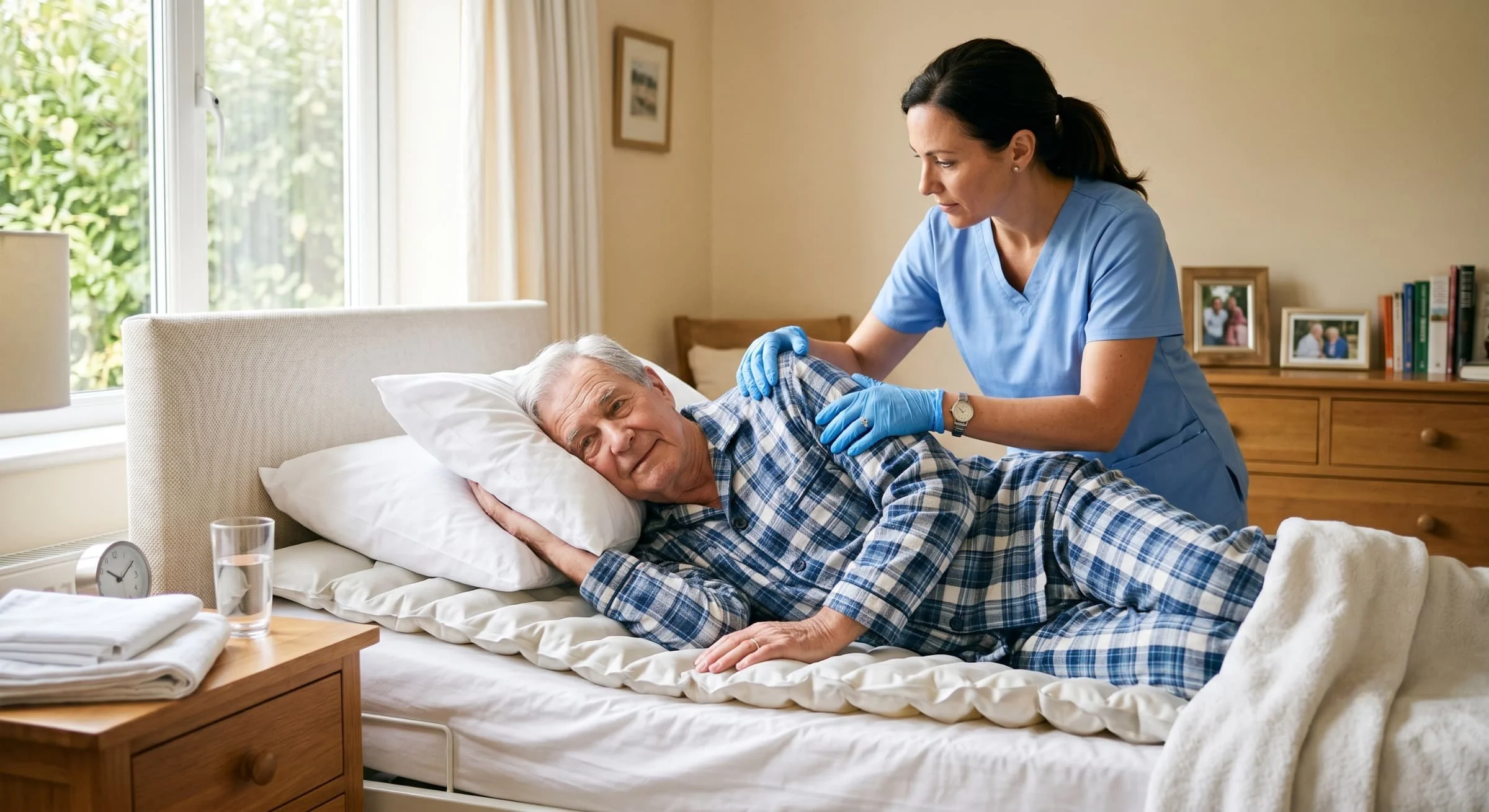
When severe back pain strikes, traveling to a clinic and enduring long wait times at an Urgent Care can be an agonizing experience. Doctor2me addresses this by arranging for a qualified provider to visit the patient directly at home. This ensures maximum comfort and rest during an acute flare-up.
Through this service, patients can receive care from providers like Jennifer Spurlock, M.D., who practices as a doctor at home. Dr. Spurlock performs a thorough clinical examination, reviews the patient's history, and prescribes necessary therapy in the home environment, avoiding the stress of traditional medical facilities.
Nutritional and Psychological Factors in Pain Management
Recent studies suggest that systemic inflammation, often fueled by a diet high in processed sugars and trans fats, can exacerbate lower back discomfort causes. Transitioning to an anti-inflammatory diet—rich in Omega-3 fatty acids, leafy greens, and antioxidants—may help reduce the intensity of chronic flares. Hydration also plays a critical role; the intervertebral disks are largely composed of water, and chronic dehydration can lead to a loss of disk height and increased friction between vertebrae.
The psychological component of pain, often referred to as the "mind-body connection," cannot be ignored. Chronic stress triggers the release of cortisol, which increases muscle tension and lowers the pain threshold. Incorporating mindfulness and stress-reduction techniques has been shown to be a valuable adjunct to traditional muscle strain treatment.
Muscle Strain Treatment and Recovery Methods
If serious internal pathologies are ruled out, the medical strategy shifts toward conservative management:
Pain medications: The use of non-steroidal anti-inflammatory drugs (NSAIDs) or analgesics as directed by a healthcare provider.
Back spasms treatment: Utilizing muscle relaxants, heat compresses, and gentle manual therapy techniques to release muscle tension.
Sleep Hygiene: Using a pillow between the knees when sleeping on the left side can help align the hips and reduce pressure on the lumbar spine.
Exercise for lower back: Once the acute inflammation is managed, specialists recommend stretching and core-strengthening exercises to support the spine.
For effective rehabilitation without leaving home, DizzyCare Physical Therapy offers specialized in home rehabilitation services. Their therapists design individualized physical therapy plans to restore mobility and prevent future episodes, conducting sessions right in the patient's living room.
Symptom Comparison: Differential Diagnosis
| Symptom | Likely Cause | Nature of Sensation |
| Pain worsens with movement or bending | Muscles or spine | Sharp, pulling, or aching |
| Burning during urination | Kidneys or urinary tract | Deep, throbbing |
| Bloating, nausea, bowel changes | Colon (diverticulitis) | Cramping or pressure |
| Shooting pain traveling to the foot | Nerve impingement (sciatica) | Burning, like an electric shock |
| Pain relieved by sitting or leaning forward | Spinal stenosis | Heavy, cramping in legs |
If back pain is accompanied by skin lesions or rashes, expert consultation is vital. The specialists at GotWound.com provide expert care for all types of wounds, ensuring professional wound management and the use of advanced dressing materials.
Long-Term Prevention and Ergonomic Standards
Preventing a recurrence of a sore lower back requires a proactive approach to ergonomics. Following OSHA-recommended standards for lifting—keeping the object close to the center of gravity and using the legs rather than the spine—can prevent acute muscle strain. Additionally, utilizing lumbar support pillows and taking "micro-breaks" every 30 minutes to stand and stretch can mitigate the effects of prolonged sitting.
Key Takeaways from Authoritative Sources:
The CDC emphasizes the importance of the shingles vaccine to prevent long-term neurological back pain.
The NIH reminds patients that bed rest exceeding two days often slows recovery; moderate activity is key.
CMS guidelines indicate that complex diagnostics (MRI/CT) are most effective after basic causes of pain have been evaluated.
Maintaining a symptom diary—noting when the pain occurs and its relationship to meals or physical activity—can be very helpful. This allows a physician (MD) to more quickly establish an accurate diagnosis and tailor an optimal treatment plan.
FAQ
What organs are located on the left side of the lower back and flank?
Several vital organs are positioned in this area, including the left kidney, the descending and sigmoid colon, the tail of the pancreas, and the spleen. In women, the left ovary and fallopian tube are also situated in this region. Additionally, the psoas muscle and various spinal structures are key components of this anatomical zone.
How can I distinguish between a simple muscle strain and a more serious internal issue?
A muscle strain usually presents as a dull ache or stiffness that worsens with specific movements, such as bending or twisting. In contrast, pain from internal organs, like the kidneys, is often described as deep, boring, or wave-like and typically does not change when you shift your position. If the pain is accompanied by nausea, fever, or urinary changes, it is likely more than a muscle strain.
What are the "red flag" symptoms that require an immediate visit to the Emergency Room (ER)?
You should seek emergency medical care immediately if you experience "saddle anesthesia" (numbness in the groin), sudden leg weakness, loss of bladder or bowel control, high fever with chills, blood in your urine or stool, or a pulsating sensation in your abdomen. These can be signs of severe conditions like Cauda Equina Syndrome or an abdominal aortic aneurysm.
Can I get a diagnosis and professional treatment for back pain without leaving my house?
Yes, modern healthcare services allow for comprehensive at-home care. You can have a physician visit you directly through services like Doctor2me, which offers home visits by providers such as Jennifer Spurlock, M.D. Furthermore, mobile diagnostic teams can perform X-rays, ultrasounds, and blood work right at your bedside, making it unnecessary to travel when you are in significant pain.
How is a lower back muscle strain typically treated?
Most musculoskeletal back pain is managed conservatively. This includes short-term rest (no more than 48 hours), over-the-counter pain medications, and heat or cold therapy. Once the acute pain subsides, physical therapy and specific core-strengthening exercises are essential. In-home rehabilitation, such as the services provided by DizzyCare Physical Therapy, allows you to recover under professional guidance in your own environment.
Is bed rest the best way to recover from a sore lower back?
Actually, prolonged bed rest is no longer recommended. The National Institutes of Health (NIH) suggests that staying in bed for more than a day or two can actually stiffen your muscles and slow down your recovery. Light, controlled activity and gentle stretching are generally more effective for healing and preventing future episodes.
Why does my doctor recommend physical therapy instead of an immediate MRI?
According to CMS guidelines and clinical research, most back pain resolves within four weeks with conservative care. Unless "red flags" are present, an immediate MRI or CT scan is often considered unnecessary (overutilization). Starting with physical therapy is the standard of care as it addresses the root cause of the pain through movement and strengthening.
You May Also Like