STDs and Treatment: Chlamydia Recovery Timelines, Symptoms, and Recovery
In modern U.S. medical practice, addressing stds and treatment is a critical priority due to the high prevalence of hidden infections. According to current healthcare protocols, chlamydia treatment typically lasts between 1 and 7 days, depending on the specific medication prescribed. However, a person is only considered fully recovered and no longer at risk of transmitting the infection 7 full days after completing the entire course of medication or receiving a single-dose antibiotic.
Beyond the immediate treatment window, the economic burden of these infections in the United States exceeds billions of dollars annually in preventable healthcare costs. Early intervention not only preserves individual health but also halts the broader community transmission cycle.
Understanding the Infection and How It Spreads
Chlamydia is a bacterial infection (Chlamydia trachomatis) that the National Institutes of Health (NIH) identifies as the most common sti (sexually transmitted infection) in the United States, with over 1.6 million cases reported annually. The primary ways you can get chlamydia include unprotected vaginal, anal, or oral sex.
Unlike many other bacteria, C. trachomatis is an obligate intracellular parasite, meaning it lives and reproduces inside human cells. Its unique life cycle involves two stages: the "elementary body," which survives outside cells to infect new hosts, and the "reticulate body," which replicates inside the host's cells. Because the infection often shows no symptoms in its early stages, it frequently goes undetected, which significantly increases the risk of long-term health complications.
Modern Standards for In-Home Medical Care
To meet the needs of patients who prioritize privacy and comfort, home-based medical services like Doctor2me have become a vital part of the U.S. healthcare landscape. These services allow for professional consultations and diagnosis in a domestic setting, avoiding the stress of crowded waiting rooms.
For those requiring prompt attention, Allen Jahroumi, M.D., a highly experienced board-certified physician, provides expert care through home visits. His service functions as a high-quality urgent care close by me, allowing for a physical evaluation and immediate treatment plan without the need to travel to a clinic. Dr. Jahroumi’s practice emphasizes personalized attention, ensuring that patients receive a tailored recovery plan that addresses their specific health history.
Clinical Presentation: Recognizing the Signs of Transmitted Disease
The Centers for Disease Control and Prevention (CDC) reports that a vast majority of infected individuals do not notice any obvious signs of illness. Nevertheless, certain signs of transmitted disease may emerge within one to three weeks after exposure.
In addition to the standard localized symptoms, chlamydia can also infect the throat (pharyngeal chlamydia) or the eyes (conjunctivitis) if infected fluids come into contact with those areas. Pharyngeal infections are often entirely asymptomatic but serve as a significant reservoir for spreading the bacteria to partners.
| Symptoms in Women | Symptoms in Men |
| Unusual vaginal discharge | Discharge from the penis |
| Burning sensation during urination | Discomfort when urinating |
| Lower abdominal pain | Pain or swelling in the testicles |
| Bleeding between periods | Itching around the opening of the urethra |
The Mayo Clinic also notes that if the infection affects the rectum, it may cause localized pain, discharge, or bleeding. This is particularly relevant for individuals who engage in receptive anal intercourse, where rectal chlamydia can sometimes mimic the symptoms of inflammatory bowel disease.
Chlamydia How to Cure: Medication Protocols
Successful elimination of the bacteria depends entirely on following medical instructions. When determining chlamydia how to cure an infection, physicians rely on federally approved antibiotic regimens. The most common pills to treat chlamydia include:
Doxycycline: The gold-standard seven-day course (100 mg twice daily), recognized as the most effective method for total bacterial clearance.
Azithromycin: A one-gram single-dose regimen, often included among recommended antibiotics to treat chlamydia for specific clinical scenarios, such as pregnancy or concerns regarding patient adherence to a week-long schedule.
Levofloxacin: An alternative seven-day course for patients who cannot take first-line treatments.
For patients interested in a holistic approach to recovery, Comprehensive Natural Healthcare, led by Dr. Rekha Lund, offers integrative naturopathic strategies. These methods focus on strengthening the immune system and supporting overall wellness alongside conventional treatment. Dr. Lund’s practice is known for its focus on gut health, helping patients restore their natural microbiome after a necessary course of antibiotics.
Testing and the Timeline: Chlamydia How Long Does it Last?
Many individuals who receive a positive chlamydia test are concerned about chlamydia how long does it last (how long the bacteria remain in the system). While antibiotics begin working immediately, the infection can still be transmitted for up to a week after treatment starts.
Modern diagnostics primarily use Nucleic Acid Amplification Tests (NAATs), which look for the genetic material of the bacteria. This technology is highly sensitive and can detect chlamydia even when bacterial loads are very low.
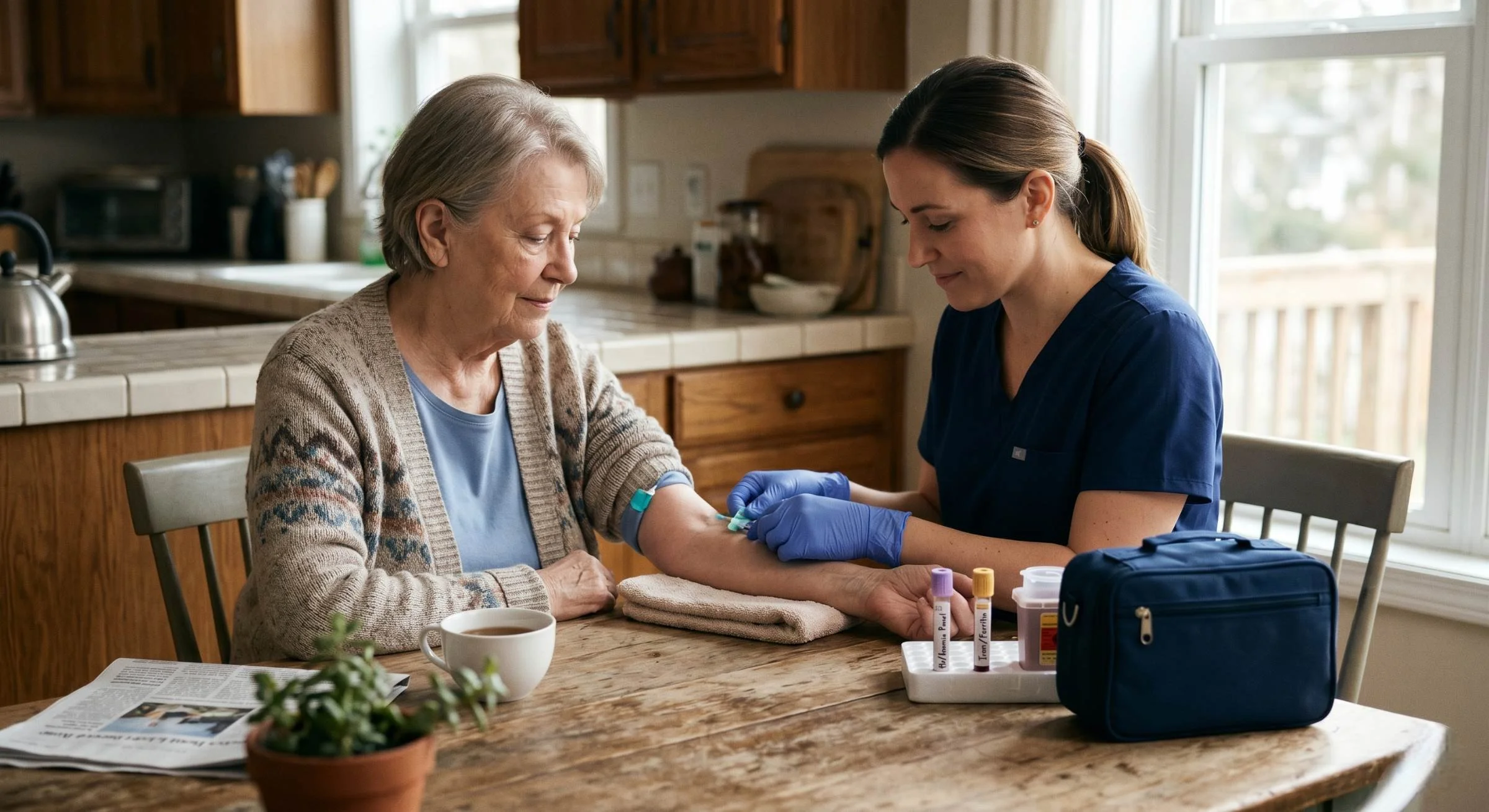
Confirming a diagnosis and monitoring recovery requires precise laboratory testing. Onsite Phlebotomy Solutions streamlines this process by providing professional mobile phlebotomy services near me. Their certified specialists perform blood draws and sample collections directly at the patient’s home or office, ensuring clinical accuracy and total privacy while adhering to the highest biohazard safety protocols.
The Recovery Window and "Dead DNA"
It is vital to understand that a positive chlamydia test performed too soon after treatment may be misleading. NAAT tests can detect "dead" bacterial DNA for several weeks after the infection has been successfully cured. This is why physicians rarely recommend a "test of cure" immediately following the 7-day window unless symptoms persist.
The Abstinence Period: Sexual contact is strictly discouraged until 7 full days have passed since both partners finished their complete course of treatment.
Follow-up Monitoring: The Kaiser Permanente Division of Research emphasizes the importance of re-testing after 3 months to ensure no reinfection has occurred from untreated partners.
Prevention and Long-Term Health
The National Institutes of Health (NIH) warns that untreated chlamydia can lead to pelvic inflammatory disease (PID), which may cause chronic pelvic pain and potential infertility. In men, untreated chlamydia can lead to epididymitis, an inflammation of the coiled tube at the back of the testicle.
To mitigate these risks, consistent prevention testing and the practice of safer sex practices, including the use of barrier methods, are essential. Furthermore, many U.S. states allow for Expedited Partner Therapy (EPT), which enables doctors to provide prescriptions for a patient's partner without a separate clinical visit, effectively breaking the cycle of re-infection.
If there is a suspicion of complications within the reproductive system, such as internal scarring or inflammation, Professional Imaging Network offers an advanced diagnostic solution: ultrasound at home service near me. This mobile service allows for high-quality pelvic or scrotal ultrasounds to be performed in the patient's home using expert-grade portable equipment. Their team specializes in delivering high-resolution imaging that helps clinicians rule out complex issues like tubo-ovarian abscesses.
Quality Standards and Access to Care in the USA
According to the clinical quality standards maintained by the Centers for Medicare & Medicaid Services (CMS), regular screening is a fundamental component of preventive healthcare. Guidelines recommend annual testing for all sexually active women under the age of 25, as this demographic is biologically more susceptible to the infection.
The emergence of "The Window Period" is another critical factor in test results for chlamydia. It may take several days to two weeks after exposure for the bacteria to reach detectable levels. Therefore, if a person tests too early after a suspected exposure, a follow-up test is often required to ensure accuracy.
Utilizing modern platforms like Doctor2me ensures that patients can quickly organize a physician visit, obtain the necessary prescriptions, and begin therapy immediately—all while maintaining the highest level of confidentiality and bypassing the hurdles of traditional medical office scheduling.
FAQ
How long does it take for chlamydia to be completely cured?
Standard antibiotic treatments typically last between 1 to 7 days. However, the bacteria are not considered fully cleared from your system until 7 full days after you have finished your entire course of medication. Even if your symptoms vanish on day two, you must complete the prescription to ensure the infection is totally eradicated.
When is it safe to have sex again after starting treatment?
You should wait at least 7 full days after both you and your partner have completed the entire course of antibiotics. Engaging in sexual activity (including oral or anal) before this window closes carries a high risk of reinfection, often referred to as the "ping-pong effect."
Can I get a positive test result even after I've finished my antibiotics?
Yes, this is common. Modern tests (NAATs) are so sensitive that they can detect "dead DNA" from the bacteria for several weeks after the infection is actually gone. This is why doctors usually advise against a "test of cure" immediately after treatment and instead suggest a follow-up screen 3 months later.
What are the primary symptoms I should look for?
Chlamydia is known as a "silent" infection because most people have no symptoms at all. When they do appear, they typically include burning during urination, unusual discharge, or pelvic pain. If you suspect exposure, do not wait for symptoms to appear before seeking a test.
Is it possible to treat my partner without them seeing a doctor?
In many U.S. states, a practice called Expedited Partner Therapy (EPT) allows a healthcare provider to provide a prescription or medication for your partner without a separate clinical visit. This is a highly effective way to stop the spread of the infection within a relationship.
What happens if I decide not to treat the infection?
Ignoring chlamydia can lead to permanent damage. In women, it often causes Pelvic Inflammatory Disease (PID), which can lead to chronic pain and infertility. In men, it can cause painful inflammation of the testicles (epididymitis). Early treatment with antibiotics is the only way to prevent these long-term complications.
You May Also Like