Herpes: Identifying Outbreaks, Differentiating Blisters from Sores, and Professional Healing Strategies
Herpes is a common viral infection caused by the herpes simplex virus that typically presents as clusters of small, fluid-filled blisters which eventually rupture into painful erosions (sores) and form crusts. To achieve the fastest possible recovery and stop the virus in its tracks, medical experts emphasize starting antiviral herpes treatment (such as valacyclovir or acyclovir) during the "prodromal" stage—the very moment you feel localized tingling, itching, or burning, even before any visual bumps appear on the skin.
What Does Herpes Look Like? A Detailed Analysis of the 5 Stages
When a flare-up begins, many people find themselves searching for visual confirmation, asking: "what does herpes look like?" Understanding the progression of the virus is not just about identification; it is about knowing exactly when to intervene to minimize pain and duration.
For those who prioritize speed and privacy, in-home care offers a modern option: an independent, licensed provider can come directly to your home. This removes the need to travel to a clinic while you are feeling unwell or self-conscious about visible lesions. A home visit means you can receive a professional diagnosis and, if appropriate, medication in the comfort of your own living room.
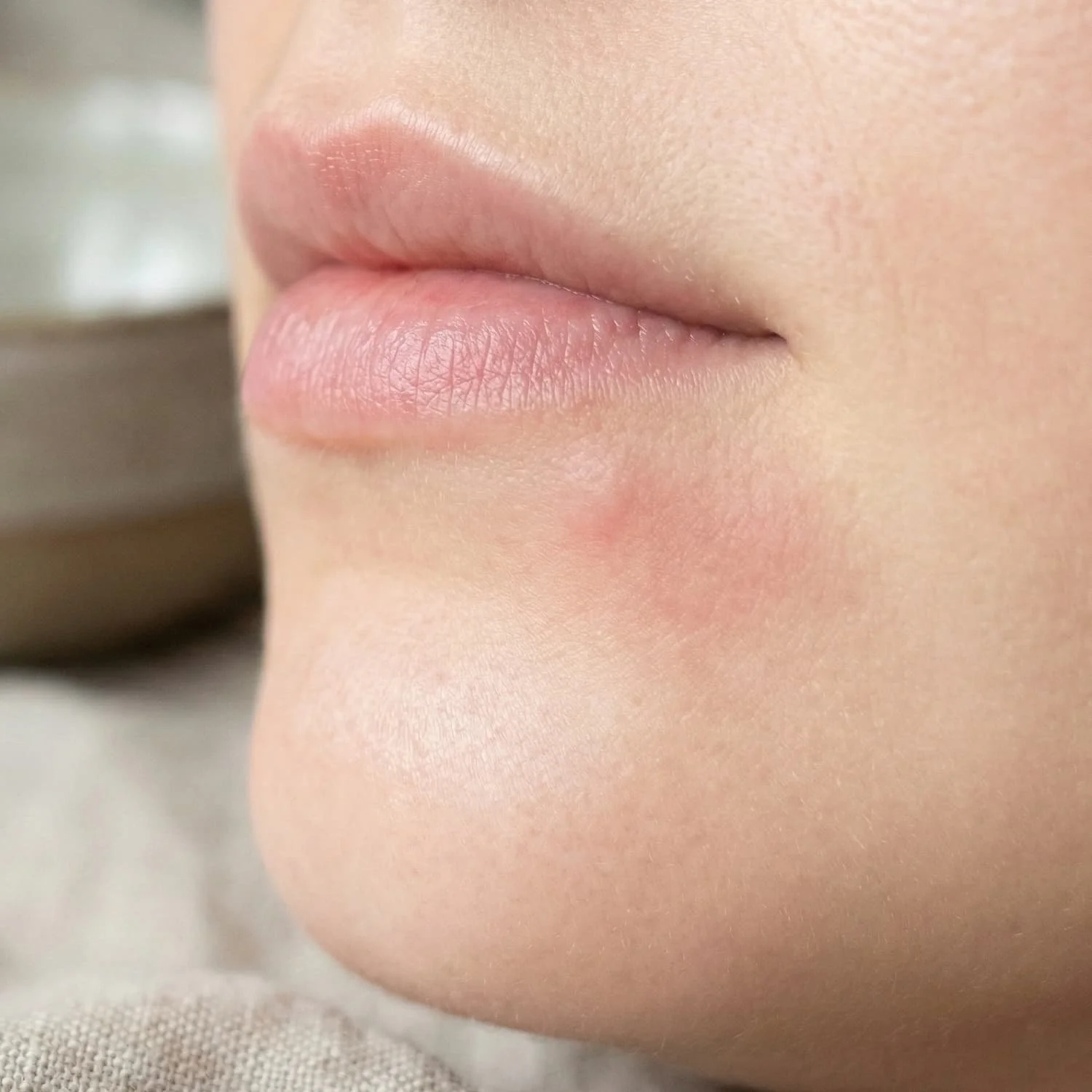
1. The Warning Phase (Prodrome)
This stage involves the first signs of herpes. You may feel a "buzzing" sensation, sharp itching, or a dull ache under the skin. While the skin may look normal or slightly pink, the virus is already traveling down the nerve pathways.
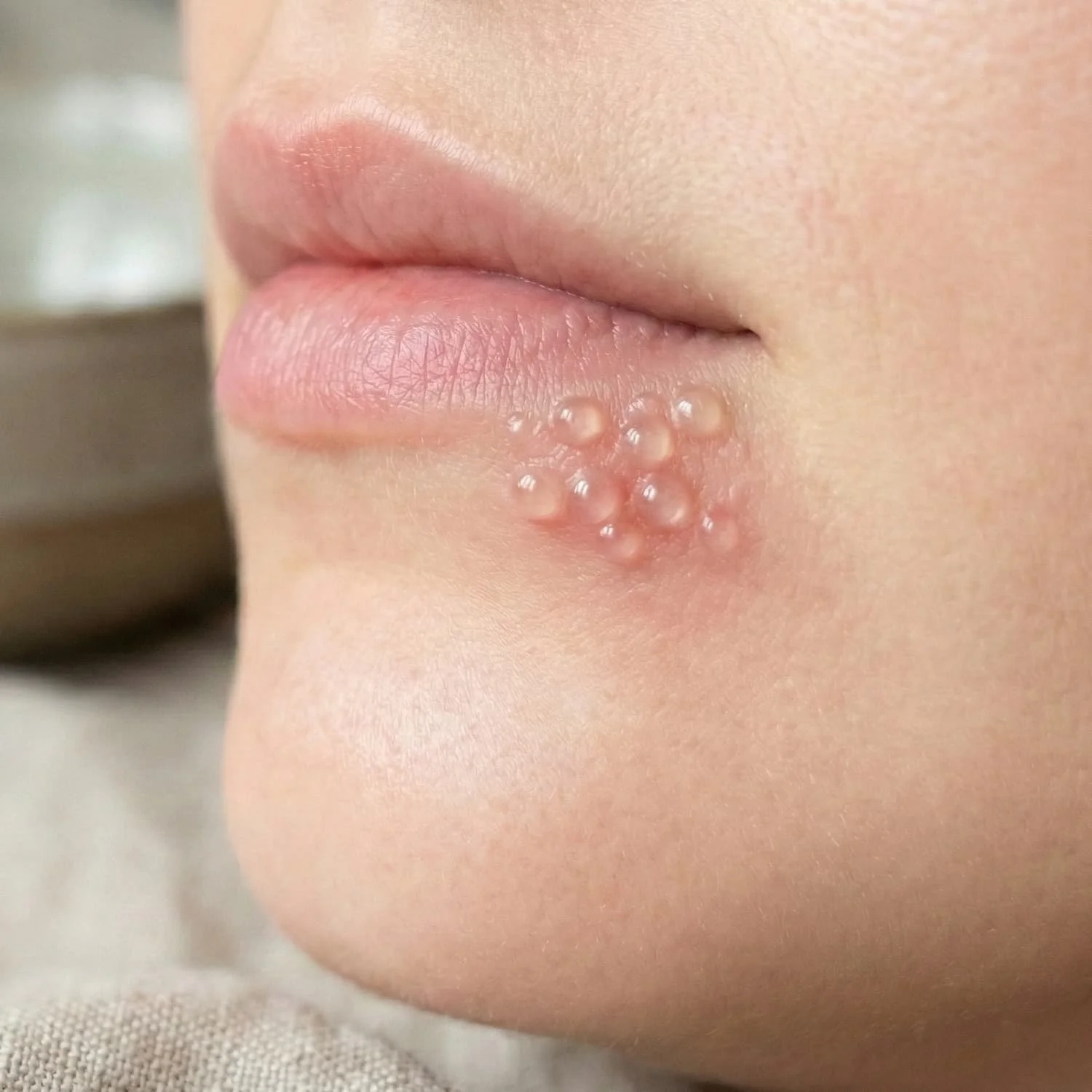
2. The Development of Blisters (Vesicles)
Visible skin rashes herpes begin to emerge as tiny, fluid-filled bumps. If you are examining the area and wondering how big is a herpes blister, they are generally quite small—about 1 to 3 millimeters—but they rarely appear alone. Patients often ask, "how small are herpes bumps?" and the answer is that they can be as tiny as a pinhead, yet they almost always cluster in a "grape-like" formation.
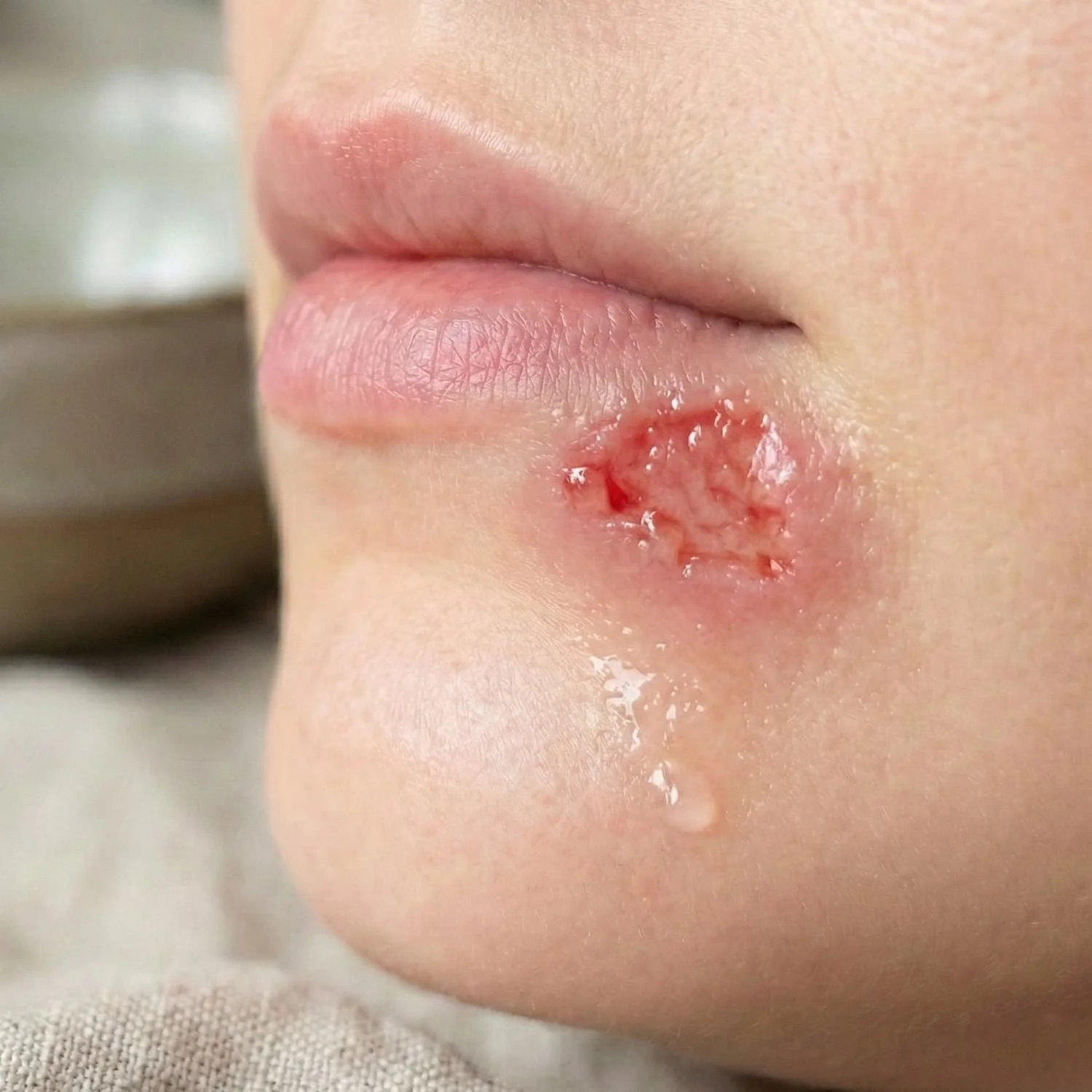
3. The Ulceration and Weeping Stage
This is the most critical and painful phase. The blisters rupture, leaving shallow, red, and moist craters. The question of how big are herpes sores depends on the severity of the outbreak; while individual sores are small, they can merge into a larger "map-like" erosion reaching 5–10 millimeters in diameter. This stage carries the highest risk of transmission.
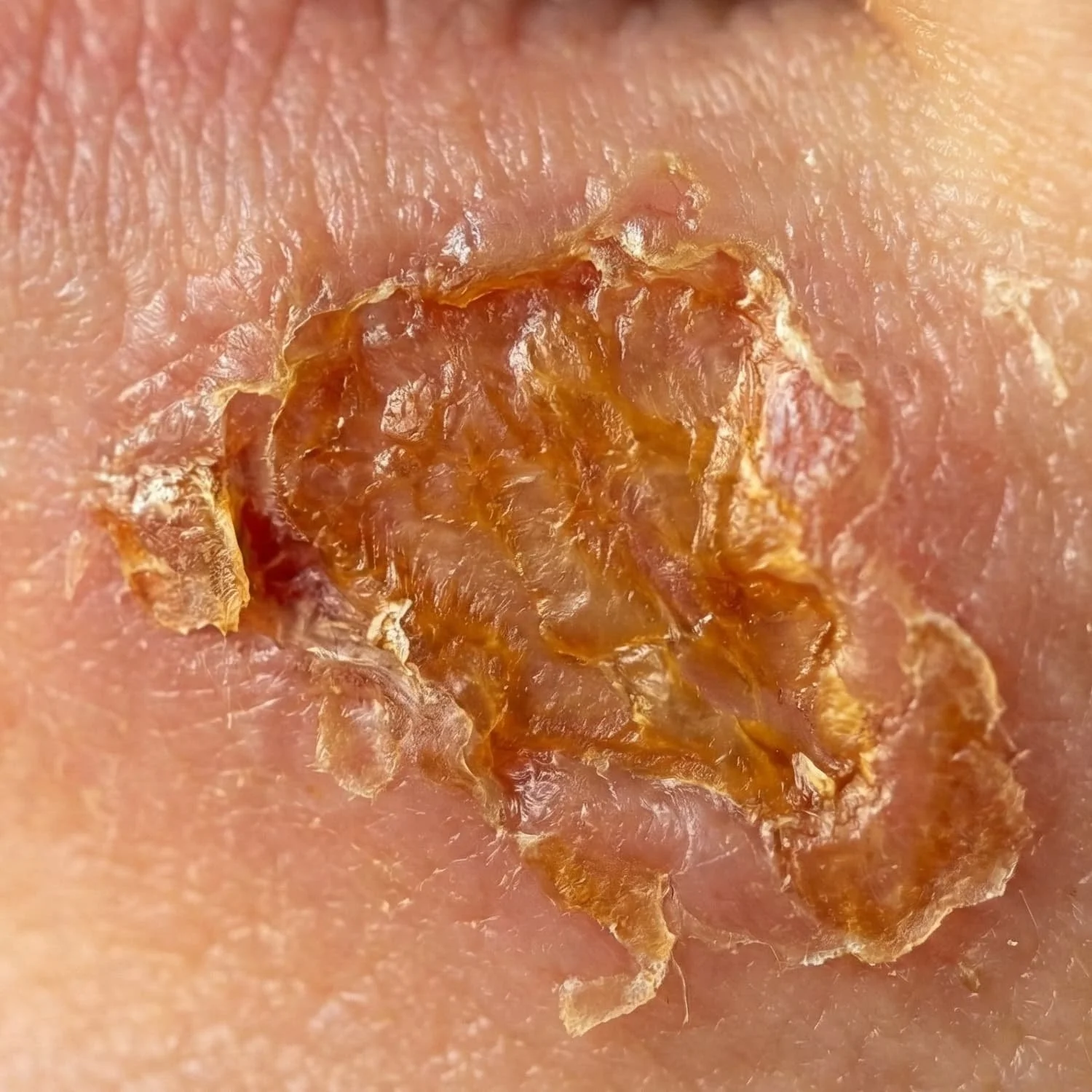
4. The Scabbing Phase (Crusting)
The body begins to defend itself. The herpes infection on lips or other areas will start to dry out, forming a yellowish or brownish scab. This is a sign that the "weeping" phase is over, though the area remains sensitive.
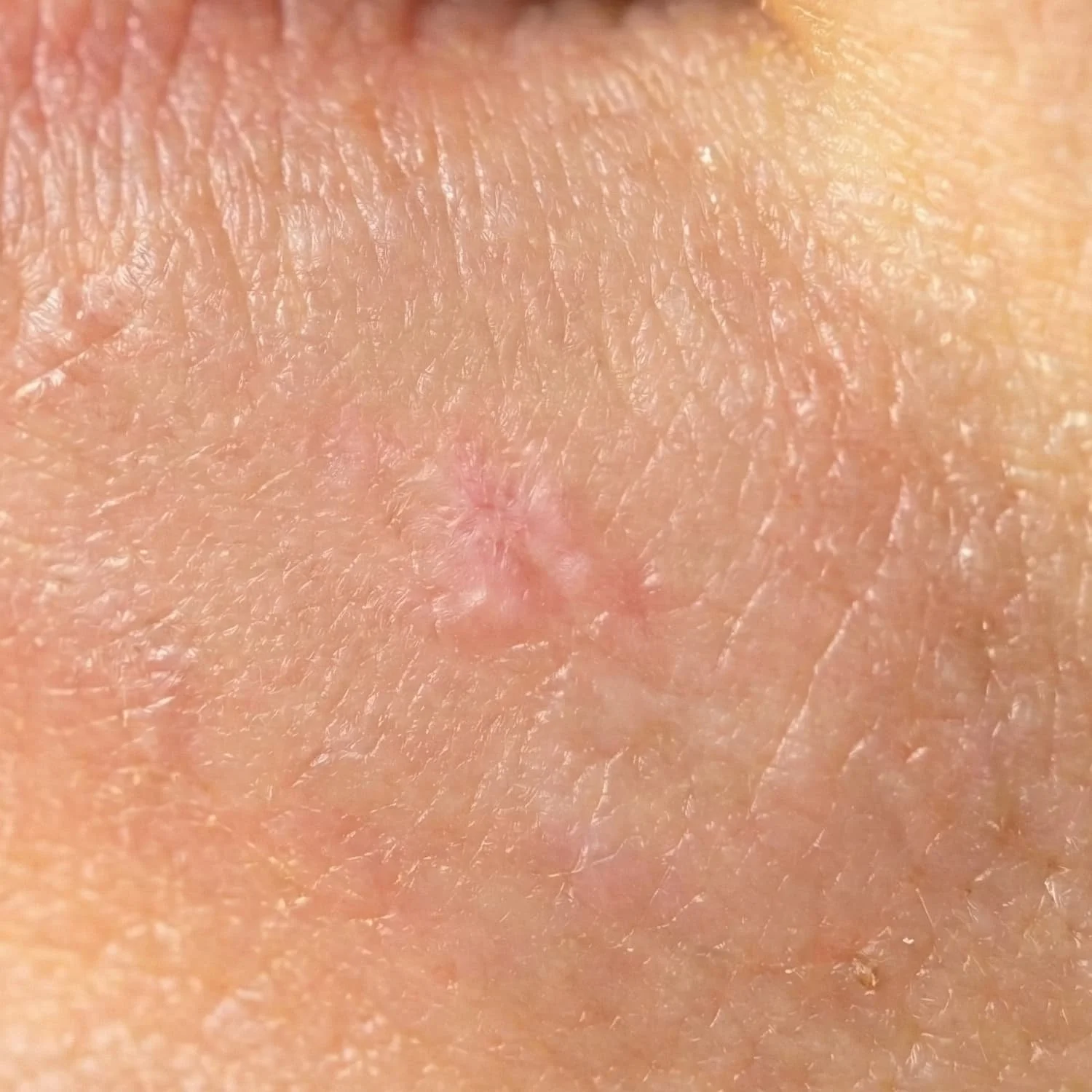
5. Resolution and Healing
The scab eventually falls off. Unlike some bacterial infections, a typical herpes outbreak heals without leaving a permanent scar, provided the crust was not prematurely removed.
Expert Insight from the CDC: It is a medical fact that the virus can be shed even when the skin appears completely healthy. This "asymptomatic shedding" is why consistent management and awareness of your body's signals are vital for long-term health.
Differentiating Herpes from Other Skin Conditions
It is easy to misidentify a herpes infection in mouth or on the body as a common pimple, an ingrown hair, or a canker sore. However, the treatment for these conditions is entirely different. To get a definitive answer without leaving your house, an independent, licensed family medicine provider can visit you at home to diagnose the issue and guide treatment.
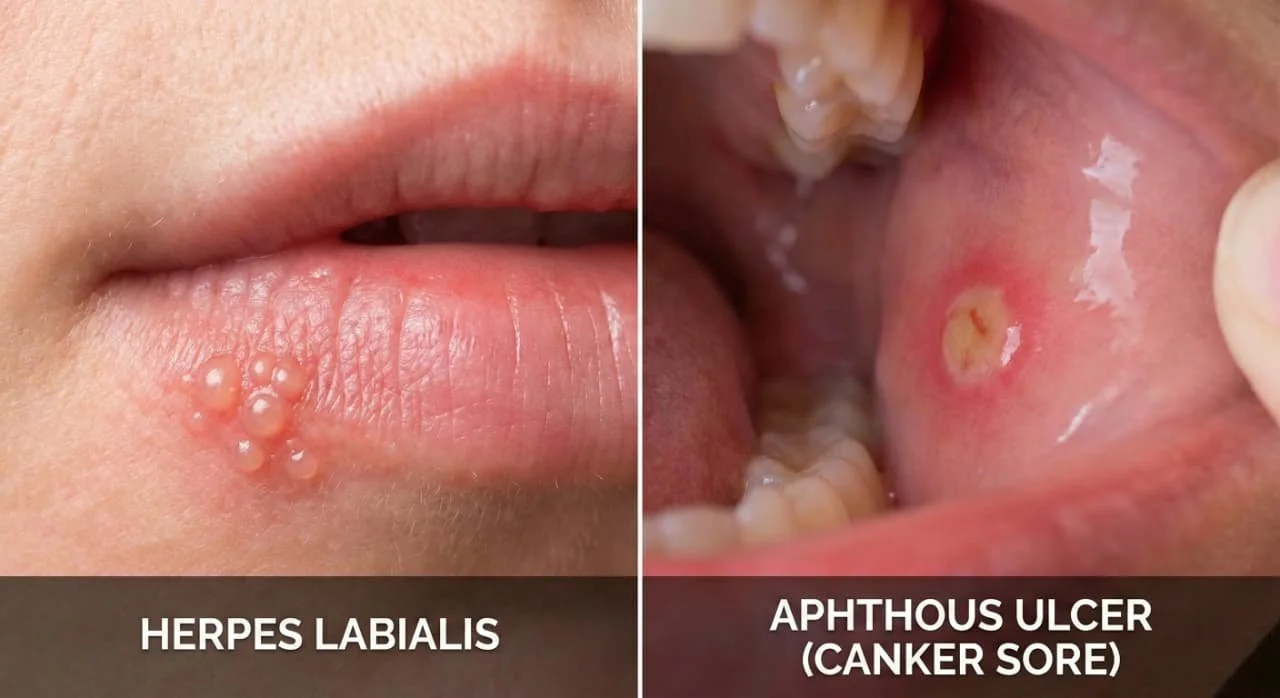
| Feature | Herpes Blisters | Canker Sores (Aphthous Ulcers) |
| Location | Usually on the lips or outer mouth | Only on the soft tissues inside the mouth |
| Appearance | Raised, fluid-filled bumps | Flat or sunken white or yellow spots |
| Contagiousness | Highly contagious | Not contagious |
| Evolution | Typically up to 1 cm in size | Usually remain 3–5 mm in size |
If you notice that your skin lesions are becoming deep, infected, or simply refuse to heal, you may need specialized wound management. GotWound.com is a premier provider of mobile bedside wound care. They bring advanced clinical protocols and specialized dressings directly to patients, ensuring that even complex skin issues are managed with surgical-level precision in a home setting.
Gender-Specific Symptoms and Testing
Many women search for "what do herpes look like on a woman" because the symptoms can sometimes be internal or confused with other issues like a yeast infection. While symptoms of female herpes and men signs of herpes generally follow the same 5-stage cycle, the psychological and physical discomfort can vary. It is important to note that herpes with condoms is not a perfect shield; the virus can spread via skin-to-skin contact in areas not covered by the condom.
For those concerned about the herpes genitalis virus, accurate testing is the first step toward peace of mind. Onsite Phlebotomy Solutions offers a specialized mobile service in California where professional phlebotomists come to your home or office for blood draws. This allows you to complete necessary antibody or PCR testing with total discretion and zero wait time.
Advanced Strategies for Rapid Recovery
The NIH (National Institutes of Health) has long maintained that the "window of opportunity" for antiviral drugs is the first 48 hours. Using the right medication of herpes can reduce an outbreak from ten days down to just three or four.
Professional Medical Consultations
To receive a tailored treatment plan, you can consult with an independent, licensed internal medicine provider, whose care can address both the current outbreak and your overall immune health.
Managing Oral Outbreaks
When a herpes infection in mouth makes it difficult to maintain dental hygiene or even eat, traditional dental offices may be difficult to visit. Onsite Dental Clinic solves this by providing mobile dental cleaning and exams in Southern California. Their team brings a "dental office on wheels" to your driveway, ensuring your oral health is monitored even during a painful flare-up.
Why Do Outbreaks Recur? Triggers and Prevention
The herpes virus remains in the body permanently, staying dormant in nerve ganglia. Reactivation is often triggered by stress, fatigue, or excessive sun exposure.
For long-term health management and chronic infection control, independent family-practice clinics such as RW Family Practice & Preventative Care in Garden Grove emphasize preventative medicine and managing chronic conditions. Additionally, for cases where viral outbreaks seem to coincide with digestive issues or general systemic fatigue, an independent internal medicine or gastroenterology specialist can analyze how your internal health affects your skin's resilience.
Risks of Dangerous Localizations: The Eye
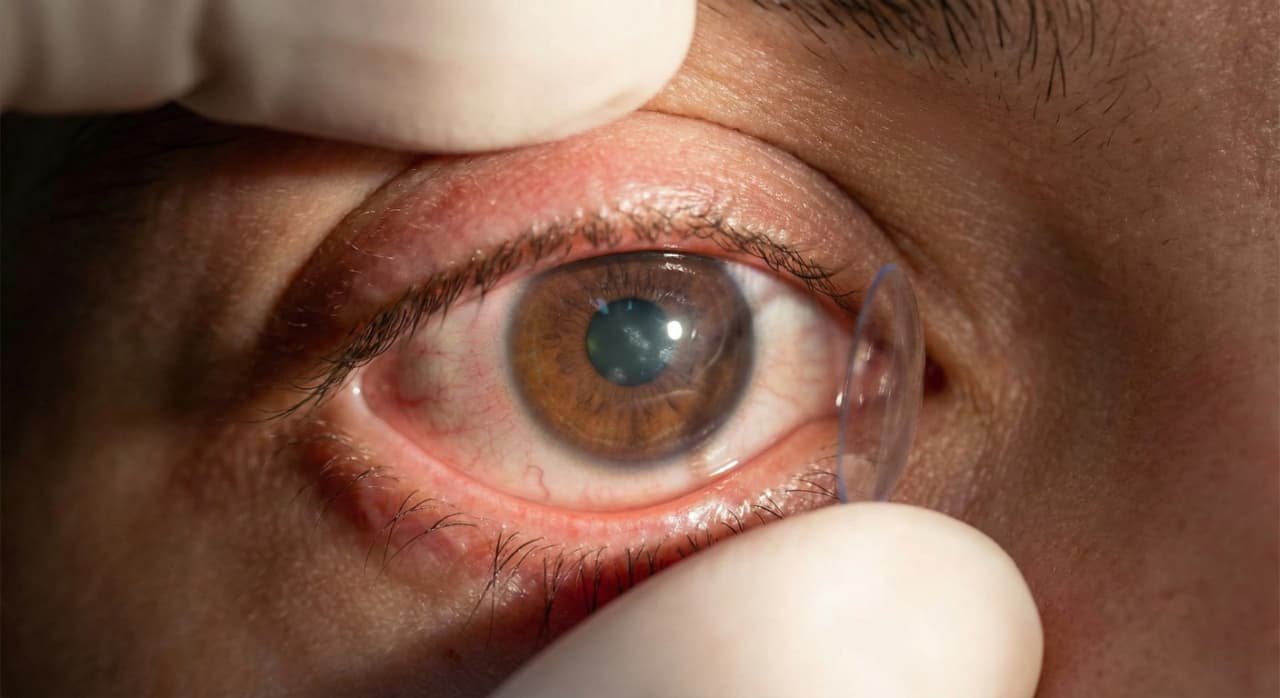
While most people focus on a herpes infection on lips, the virus can occasionally migrate to the eyes. This condition, known as eye herpes (keratitis), is a serious medical matter.
Warning: The NIH warns that ocular herpes is a leading cause of corneal blindness. If an outbreak on your face is accompanied by eye pain, blurred vision, or extreme sensitivity to light, you must seek medical attention immediately.
Practical "Don'ts" During an Outbreak
Do not pop the bumps: No matter how big is a herpes bump, popping it releases millions of viral particles that can infect other parts of your body, including your fingers (herpetic whitlow).
Do not pick at scabs: This leads to scarring and secondary bacterial infections.
Avoid certain foods: Some evidence suggests that foods high in the amino acid arginine (like chocolate and nuts) can "feed" the virus, while lysine-rich foods may help suppress it.
For older adults, the physical toll of a viral outbreak can lead to dizziness or a loss of balance. Call Before You Fall provides specialized home safety assessments and fall prevention solutions. This is a critical service for seniors who may be feeling weak during an outbreak and need to ensure their home environment is optimized for safety and mobility.
Long-term Control and Prevention
If you find yourself frequently asking how big are herpes lesions or how big can herpes blisters get because you experience outbreaks more than six times a year, you may be a candidate for suppressive therapy. This involves taking a low-dose antiviral daily to keep the virus in its dormant state.
Conclusion: Your Path to Healing
Whether you are dealing with the first signs of herpes or a recurring flare-up, you do not have to navigate it alone. Understanding the visual cues—from how big do herpes sores get to the final healing stage—empowers you to take action.
When you are sick, the best place to be is often at home. An independent, licensed provider making a house call can offer fast, professional, and discreet care the moment you need it.
Clinical Pathophysiology: The Mechanism of Latency and Reactivation
To understand why herpes is a lifelong condition, it is necessary to examine the virus's interaction with the nervous system. Upon the primary infection, the virus penetrates the sensory nerve endings at the site of entry. Through a process called retrograde axonal transport, the virus travels up the nerve fiber to the sensory nerve cell bodies located in the ganglia. For oral herpes (HSV-1), this is typically the trigeminal ganglion near the ear; for genital herpes (HSV-2), it is the sacral ganglia at the base of the spine.
Within these ganglia, the virus enters a state of latency. Its DNA persists as a circular episome within the nucleus of the neuron, remaining chemically "silent" and invisible to the immune system. Reactivation occurs when external stimuli—such as ultraviolet radiation, hormonal fluctuations, or physical trauma—trigger the virus to begin replicating again. The newly formed viral particles then undergo anterograde transport, moving back down the nerve to the skin surface to form new skin rashes herpes. This neurological "blueprint" explains why recurrences often appear in the exact same anatomical location.
Differential Diagnosis: Distinguishing Herpes from "Look-Alikes"
Clinicians must often distinguish herpes from several other conditions that present with similar dermatological features. Accurate identification is critical because the medication of herpes will not be effective against bacterial or non-viral fungal infections.
Impetigo: This is a highly contagious bacterial infection (usually Staphylococcus aureus) that creates "honey-colored" crusts. Unlike herpes, impetigo lesions do not typically start as clear, grouped vesicles and are often larger and more irregular in shape.
Syphilitic Chancre: In the context of genital health, a primary syphilis sore (chancre) is often confused with a herpes ulcer. However, a chancre is typically a single, firm, and notably painless lesion, whereas herpes ulcers are usually multiple, soft, and extremely painful.
Hand-Foot-and-Mouth Disease (HFMD): Caused by the Coxsackievirus, HFMD produces small blisters in the mouth and on the extremities. While it may resemble an herpes infection in mouth, HFMD is usually accompanied by a characteristic rash on the palms of the hands and soles of the feet, which is not a feature of HSV.
Contact Dermatitis: Reactions to lip balms, fragrances, or certain metals can cause localized blistering. Unlike herpes, dermatitis usually presents with intense localized redness and lacks the systemic "prodrome" of tingling and fever.
Advanced Clinical Complications and Atypical Sites
While most outbreaks are localized to the orofacial or genital regions, the virus can manifest in atypical sites, posing higher clinical risks.
Herpetic Whitlow
This occurs when the virus infects the fingers, often through a small cut or hangnail. It is commonly seen in healthcare workers (dentists, nurses) or children who suck their thumbs during an active oral outbreak. The finger becomes intensely swollen, red, and develops deep-seated vesicles. It is frequently misdiagnosed as a bacterial "whitlow" or "paronychia." Incorrectly lancing (cutting open) a herpetic whitlow can lead to severe secondary infections and permanent nerve damage.
Eczema Herpeticum
This is a medical emergency. Patients with pre-existing skin conditions, particularly atopic dermatitis (eczema), are at risk of a disseminated herpes infection. The virus spreads rapidly across large areas of compromised skin, leading to widespread blistering, high fever, and potential systemic organ failure. Immediate hospitalization and intravenous antiviral therapy are required to prevent life-threatening complications.
Herpes Gladiatorum
Named for its prevalence among wrestlers and athletes in contact sports, this variant appears on the face, neck, and arms. It is transmitted through skin-to-skin contact during matches. Because the friction of sports can mask the typical grouped-blister appearance, it is often mistaken for fungal "ringworm," leading to delays in appropriate herpes treatment.
The Metabolic Connection: The Arginine-Lysine Ratio
Practical management of herpes involves understanding the virus's nutritional requirements. The replication of HSV is dependent on the availability of the amino acid L-arginine, which the virus uses to synthesize its viral proteins. Conversely, the amino acid L-lysine competes with arginine for absorption and cellular transport.
In clinical practice, maintaining a high lysine-to-arginine ratio in the blood may help suppress viral replication. This is why patients are often advised to limit arginine-rich foods (such as peanuts, walnuts, chocolate, and gelatin) during a flare-up. Increasing the intake of lysine-rich foods (like fish, chicken, and dairy) or using L-lysine supplements is a common non-pharmacological strategy used alongside standard medication of herpes.
Neonatal Risks and Pregnancy Management
One of the most significant risks associated with the herpes genitalis virus occurs during childbirth. If a pregnant woman has an active outbreak or is "shedding" the virus at the time of delivery, there is a substantial risk of transmission to the newborn. Neonatal herpes is a devastating condition that can lead to encephalitis (inflammation of the brain), permanent neurological disability, or death.
Standard clinical protocol involves screening pregnant women for HSV history. If a primary (first-time) infection occurs during the third trimester, the risk of transmission is highest because the mother has not had time to develop and pass protective antibodies to the fetus. In many cases, a Cesarean section is recommended if active lesions are present at the onset of labor to bypass the infected birth canal.
Pharmacology: Bioavailability and Dosing Nuances
Not all medication of herpes is created equal. While Acyclovir was the first breakthrough in treatment, it has low oral bioavailability (only about 15-20% is absorbed). This requires patients to take the medication up to five times a day, which often leads to poor compliance.
Valacyclovir is a "prodrug" of acyclovir. Once ingested, the liver converts it into acyclovir, but it achieves much higher concentrations in the bloodstream (about 55% bioavailability). This allows for much more convenient dosing—often just once or twice a day. For patients suffering from severe or frequent outbreaks, the switch to valacyclovir often provides superior results in reducing the frequency and severity of recurrences.
Real-World Scenario: Trauma-Induced Reactivation
In a clinical setting, many patients report that their outbreaks are triggered by physical trauma to the skin. This is particularly common following dental procedures or cosmetic treatments such as lip fillers, chemical peels, or laser resurfacing. The mechanical stress on the nerve endings in the perioral area can "wake up" the dormant virus.
To prevent this, many doctors now prescribe a "prophylactic" or "preventative" dose of antivirals to be taken 24 hours before and 48 hours after such procedures. This preemptive strike ensures that even if the virus reactivates, it cannot replicate effectively, preventing a post-procedure flare-up that could complicate the healing process of the cosmetic or dental work.
FAQ
What does an initial herpes outbreak feel like?
An initial outbreak often begins with a "prodrome" phase, which feels like localized tingling, itching, or burning in the area where the blisters will eventually appear. Some people also experience flu-like symptoms, such as fever, swollen lymph nodes, and muscle aches, during their first encounter with the virus.
What does a herpes breakout look like in the mouth?
Inside the mouth, herpes (herpetic stomatitis) typically presents as small, painful clusters of ulcers on the gums or the roof of the mouth. These are often mistaken for canker sores, but unlike canker sores, herpes usually starts as tiny vesicles (blisters) that quickly rupture into shallow, red-based erosions.
Does everybody have herpes in their system?
While not "everyone" has it, the virus is extremely common. The World Health Organization (WHO) estimates that approximately 67% of the global population under age 50 has HSV-1 (oral herpes), and about 13% have HSV-2 (genital herpes). Many people carry the virus for years without ever experiencing a visible outbreak.
When do the first symptoms of herpes appear?
Symptoms usually appear between 2 to 12 days after exposure to the virus. However, in many cases, the primary infection is so mild that it goes unnoticed, and the "first" recognized outbreak may actually occur months or even years after the initial infection.
How is herpes simplex diagnosed?
The most reliable method is a clinical examination by a healthcare professional, often confirmed by a PCR (Polymerase Chain Reaction) swab of an active lesion. Blood tests can also detect antibodies to HSV-1 or HSV-2, which indicate whether a person has been infected in the past, even if no symptoms are present.
How to avoid spreading oral herpes?
To prevent transmission, you should avoid kissing, sharing utensils, lip balms, or towels during an active outbreak (from the first sign of tingling until the scab has completely fallen off). Regular handwashing after touching the affected area is also crucial to prevent spreading the virus to other parts of your body, such as your eyes.
How to stop the spread of genital herpes?
Using condoms significantly reduces the risk, though it does not eliminate it entirely since the virus can shed from skin not covered by the condom. The most effective way to prevent transmission is to avoid sexual contact during an outbreak and to consider daily suppressive antiviral therapy, which reduces viral shedding.
Does herpes affect your overall health?
For most healthy individuals, herpes is a localized skin condition that does not affect long-term systemic health. However, it can be more serious for individuals with weakened immune systems. Managing stress, maintaining a healthy diet, and getting adequate sleep are important, as a strong immune system helps keep the virus in its dormant state.
You May Also Like