Active Care Home III
When a family starts looking at a small assisted living home, the path to move-in becomes clearer with a little guidance. A home reviews the person's care needs, medications, and health, and coordinates with their doctors before admission. If you are not sure where to begin, a senior placement service can help you compare homes and set up tours, and, when a medical visit is needed, you can also have a doctor come to the resident rather than travel out, which keeps those early steps calm and manageable.
Active Care Home III is a small, licensed assisted living home in Scottsdale, Arizona, located at 17826 North 56th Street. Licensed by the state (license number AL10008H) as a directed-care home with about ten residents, it follows a small-home model, where a few older adults live together with consistent caregivers rather than in a large campus with rotating crews. That intimate, residential character is what sets it apart for families who value familiarity and steady staff over the scale and amenities of a big community.
Key Facts at a Glance
Type: Directed-care assisted living home (small-home model)
License number: AL10008H
Capacity: About 10 residents
Address: 17826 North 56th Street, Scottsdale, AZ 85254 (Maricopa County)
Care offered: Assisted living, personal care, medication management
A Small Home in North Scottsdale
The Small-Home Model
What gives Active Care Home III its character is its size. With room for only about ten residents, the home can offer a high caregiver-to-resident ratio, so staff come to know each person well. That closeness helps caregivers anticipate needs, offer comfort in familiar ways, and notice early when something changes. For a person who finds a large, busy community overwhelming, a quiet residential home in a normal neighborhood can feel far more like home.
A Residential Neighborhood Setting
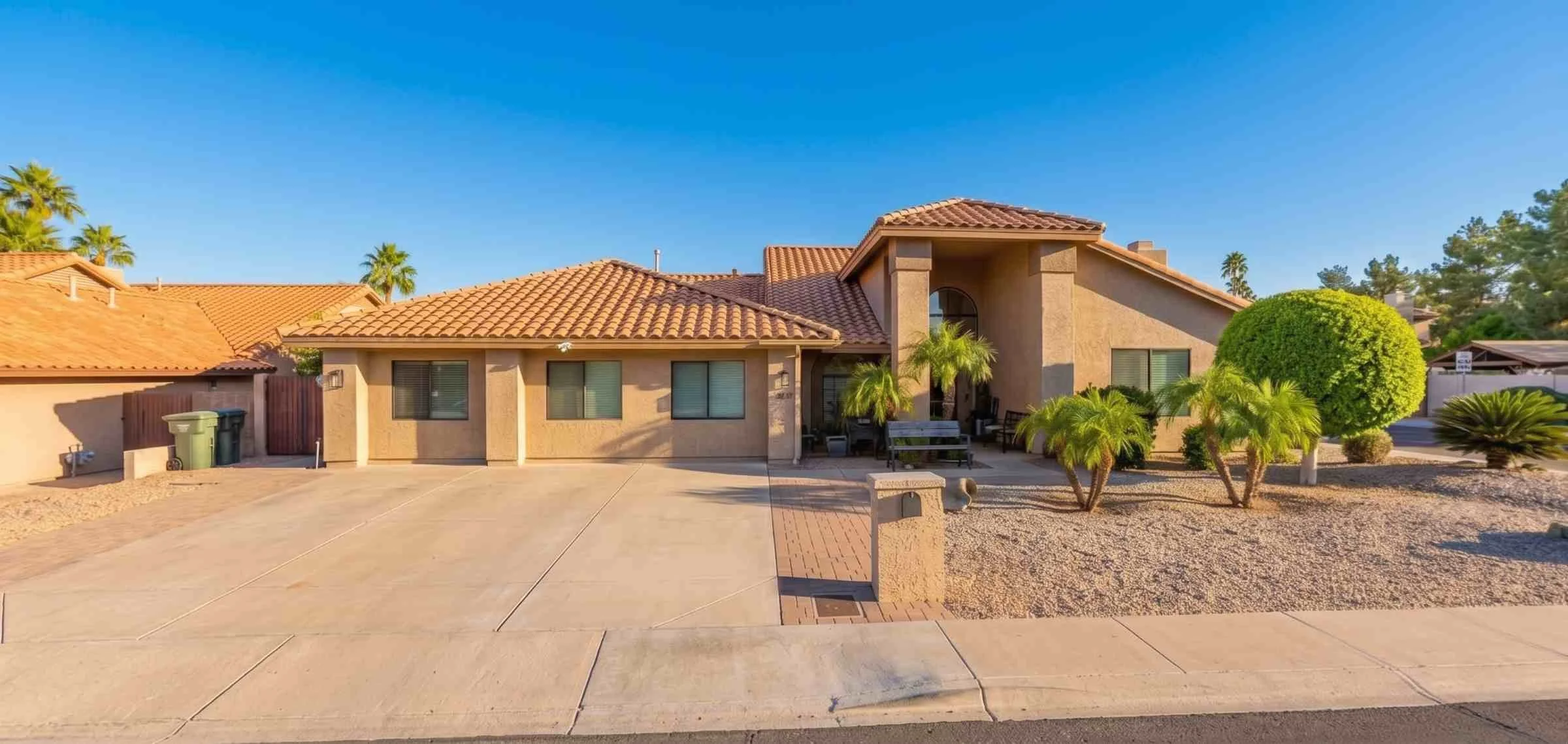
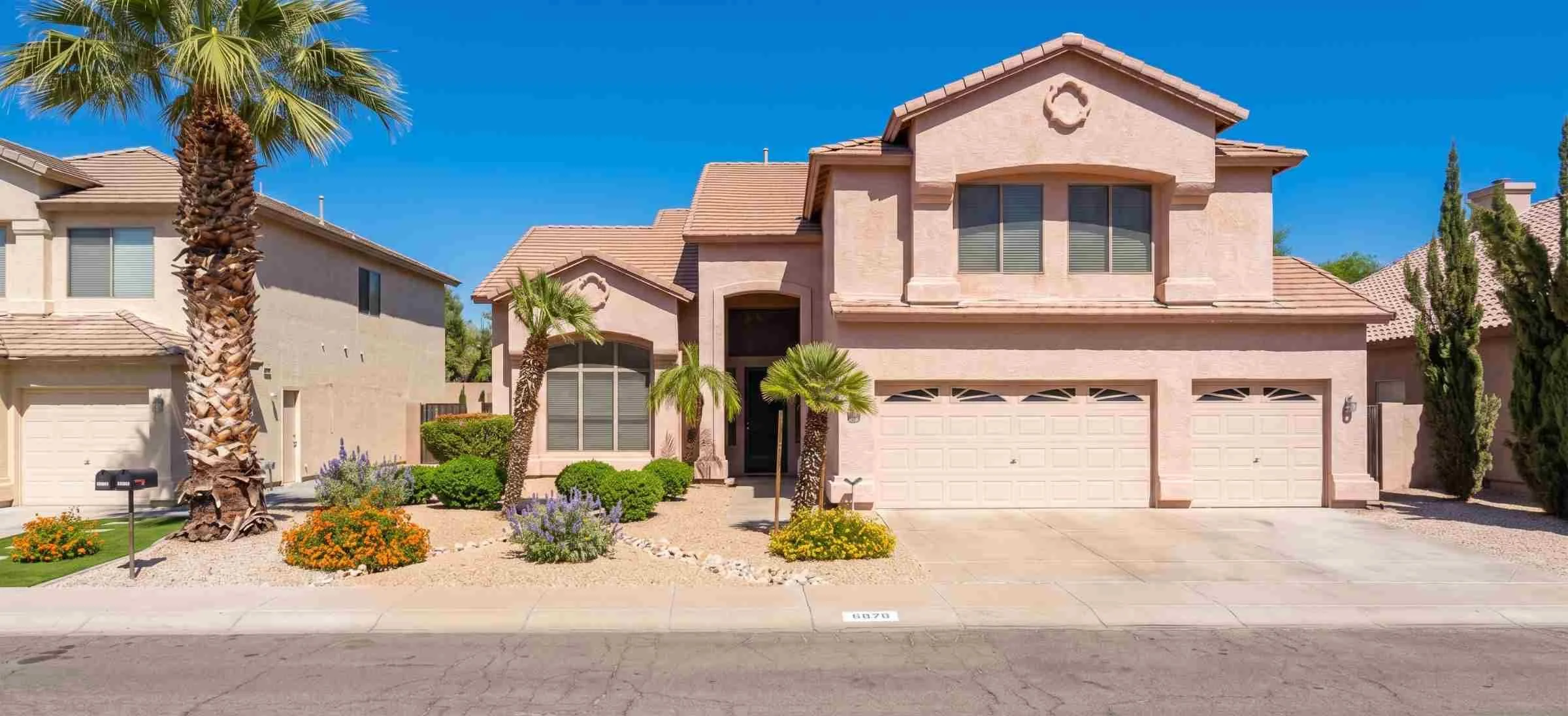
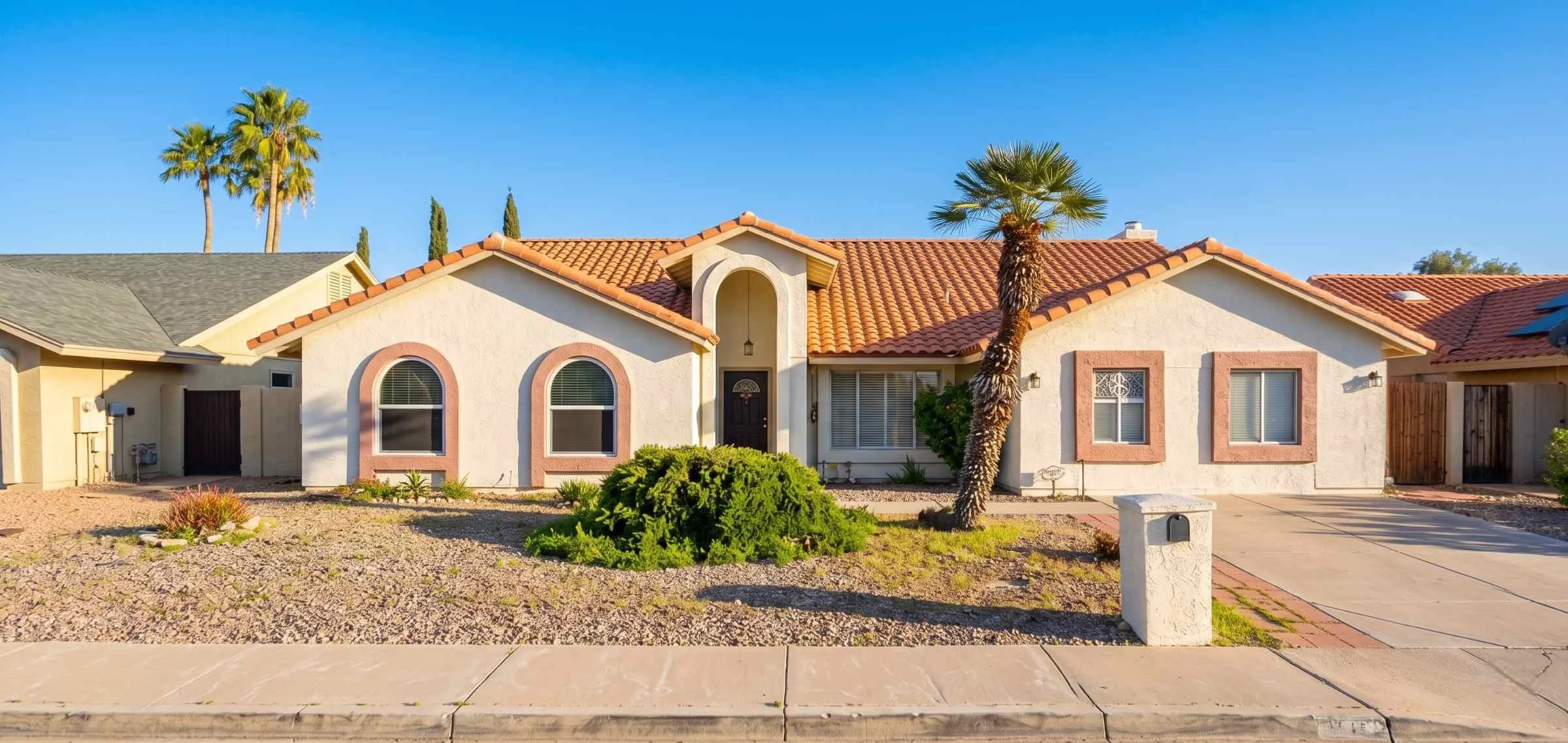
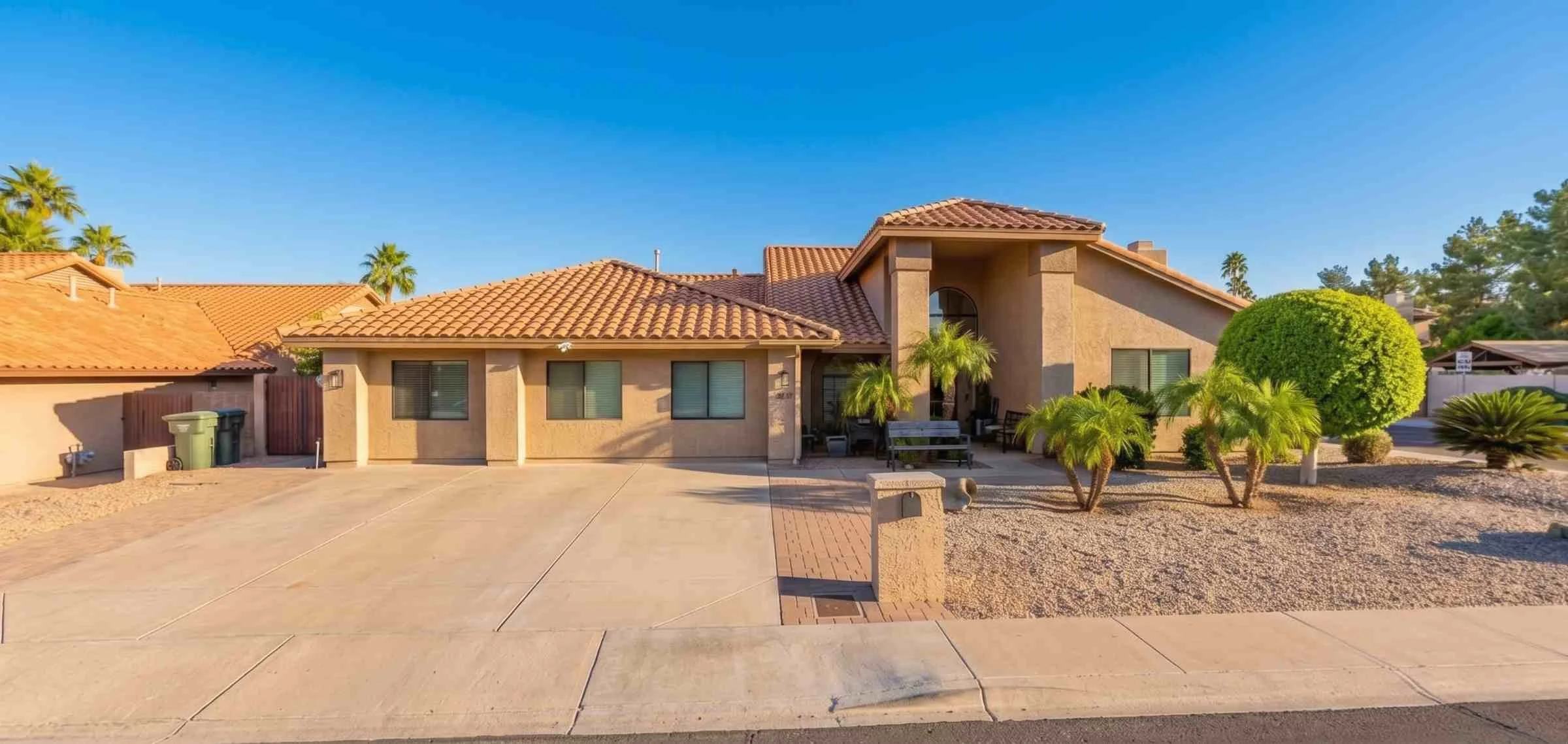
The home sits in the 85254 area of North Scottsdale, a quiet residential part of the city near the Phoenix border. Being in a real neighborhood, rather than on a commercial campus, keeps daily life low-key and familiar. Desert landscaping, warm sunshine, and calm streets set the tone, and the residential setting makes it easy for families to stop by, share a meal, or sit outside together.
Care and Daily Support
Help With Daily Living
As a directed-care home, Active Care Home III can provide hands-on support throughout the day and night. Caregivers help with bathing, dressing, grooming, and mobility, offer supervision, and manage medications so they are taken correctly. A directed-care license means the home is equipped to support residents who need more than light assistance, including those who cannot fully direct their own care. In a home this size, that support can be delivered in a personal, unhurried way.
Meals, Housekeeping, and Comfort
Daily life is supported by home-cooked meals, housekeeping, and laundry, so residents and families do not have to worry about chores. Attention to individual dietary needs and simple comforts help residents feel looked after, and shared meals offer easy, everyday companionship. In a home this small, mealtimes feel more like a family table than a dining hall, which many residents and their families find comforting.
What Directed Care Means in Arizona
In Arizona, assisted living homes are licensed at different levels, and a directed-care license, like the one Active Care Home III holds, allows the home to care for residents who need more hands-on help, including those who cannot direct their own care because of dementia. In practice, this means the home is equipped to support people whose needs go beyond basic supervision, not only those who are largely independent. Assisted living homes in Arizona are regulated by the Arizona Department of Health Services, which licenses these facilities and posts inspection information. Confirming a home's current license level and standing directly with the state is a reliable way to understand it before choosing.
Signs a Loved One May Need More Support
Deciding when to move from home to an assisted living setting can be hard. Families often notice a combination of signs: trouble managing medications, increasing forgetfulness, unsteadiness or falls, poor nutrition, missed bills or appointments, or growing caregiver burnout at home. A small assisted living home can meet these needs with 24-hour support, prepared meals, and staff who keep an eye on day-to-day health. Recognizing these signs early lets families plan a thoughtful move rather than react to a crisis, which is easier on everyone.
Questions to Ask When You Tour
Visiting in person tells you the most about whether a home is the right fit. As you walk through, notice how staff speak with residents, whether the home is clean and calm, and how residents are spending their day. Useful questions include:
How many caregivers are on duty during the day and overnight?
What level of care is the home licensed to provide, and can it support changing needs?
How are medications and health changes managed?
What does a typical day of meals and activities look like?
How are families kept informed and involved?
What is included in the monthly rate, and what costs extra?
Helping a Parent Settle In
The move into assisted living is a big change, and small steps can make it gentler. Setting up the new room with familiar belongings, photos, and a favorite blanket helps it feel like home, and sharing a parent's routines, likes, and life story with the care team gives staff a head start on connecting. Keeping visits steady in the first weeks offers reassurance while everyone adjusts; it is normal for both residents and families to need a little while to settle. Open, ongoing communication with caregivers turns the transition into a shared effort centered on your loved one's comfort.
Life in North Scottsdale
Setting matters, too. This part of Scottsdale offers a warm, sunny climate, desert landscapes, and quiet neighborhoods, along with convenient access to hospitals and medical care across the Phoenix metro area. A home in a familiar neighborhood makes it easy for families to visit often, share a meal, or sit outside together in the good weather. Staying close and involved supports a resident's sense of connection and helps families remain part of daily life. Regular visits, shared meals, and small outings keep a loved one anchored to family and to the community they know, which matters a great deal to quality of life.
Board and Care vs a Larger Community
Families often weigh a small assisted living home against a larger community. A small home like Active Care Home III offers intimacy, a high caregiver-to-resident ratio, and a quiet, home-like setting, which can suit someone who prefers calm and familiarity. A larger community typically offers more amenities, a fuller activity calendar, and more people to socialize with. Neither is better in the abstract; the right choice depends on a person's temperament, care needs, and what feels like home. Visiting both kinds of settings is the best way to see which one fits your loved one.
Is Active Care Home III Right for Your Family?
Choosing an assisted living home is a personal decision that deserves time and a real visit. Seeing the home, meeting the caregivers, and picturing your loved one there is the best way to know whether this small, homelike setting is the right match. It is always wise to confirm current details, care level, and availability directly with the home before deciding.
Explore More Assisted Living Communities in Thousand Oaks