Azalea Blossoms
Finding the right assisted living home in Arizona often starts long before a tour, with honest questions about a loved one's needs and how much daily help they require. A senior placement advisor can help sort through the options at no cost, and once a resident settles in, families can also arrange for a doctor who visits the home so routine care does not mean a trip to a clinic.
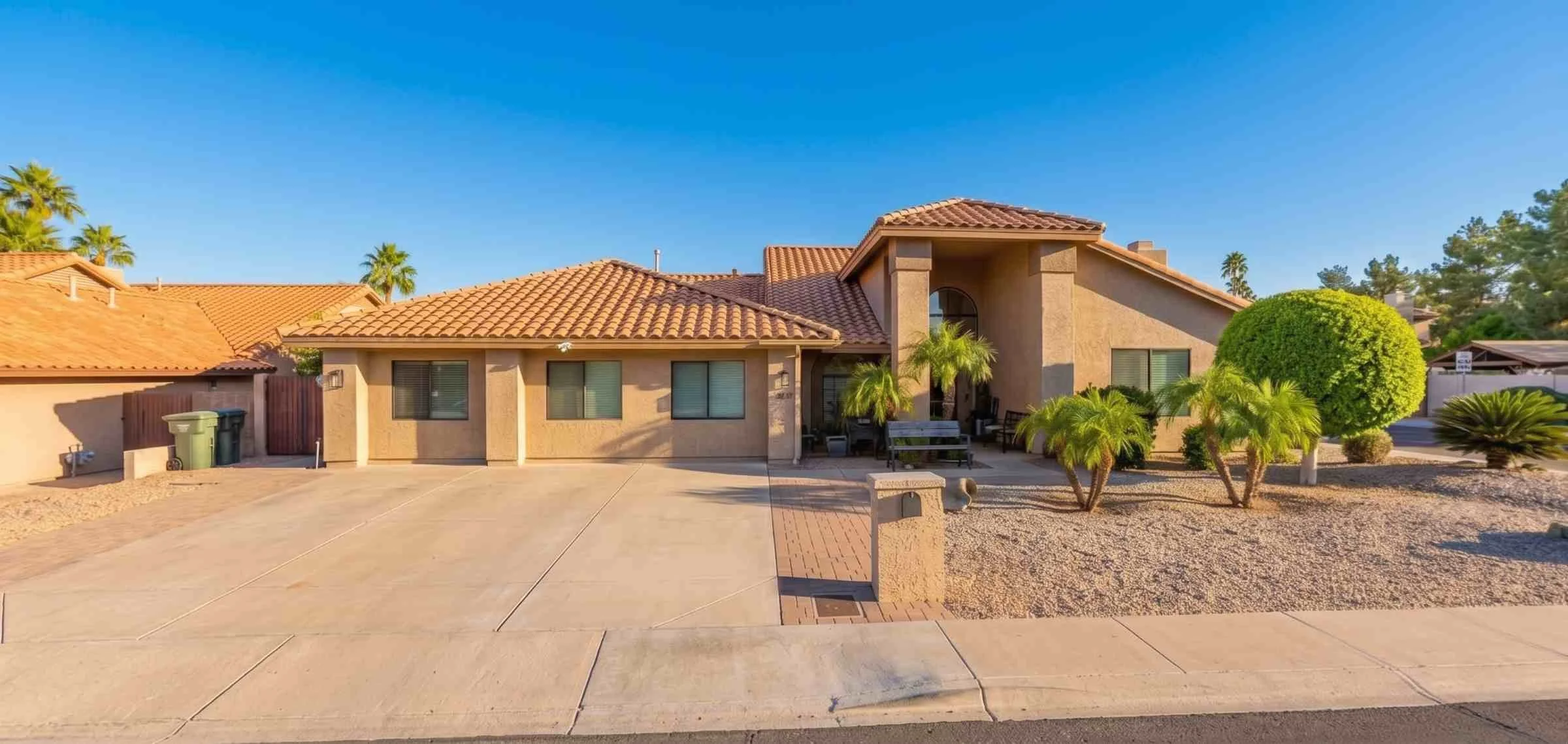
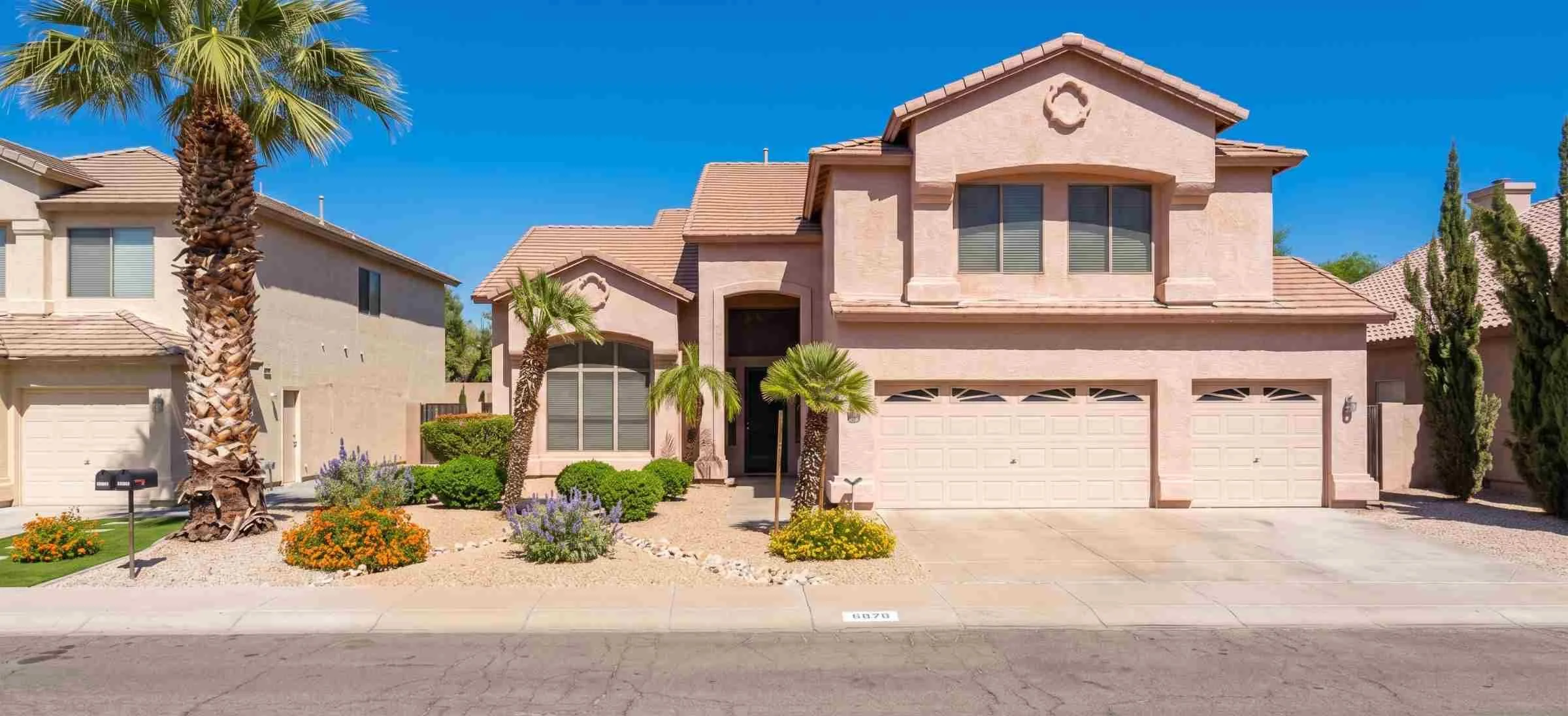
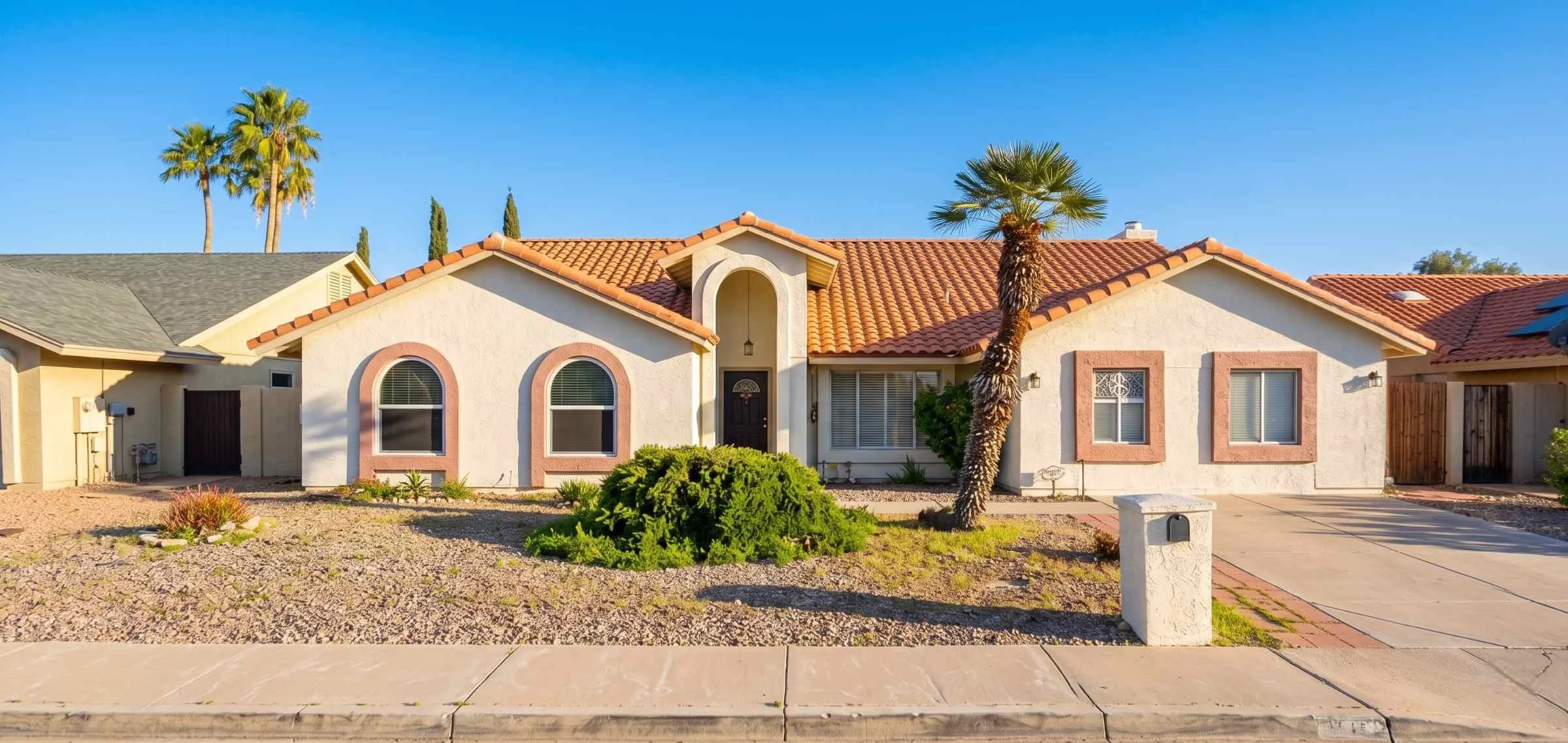
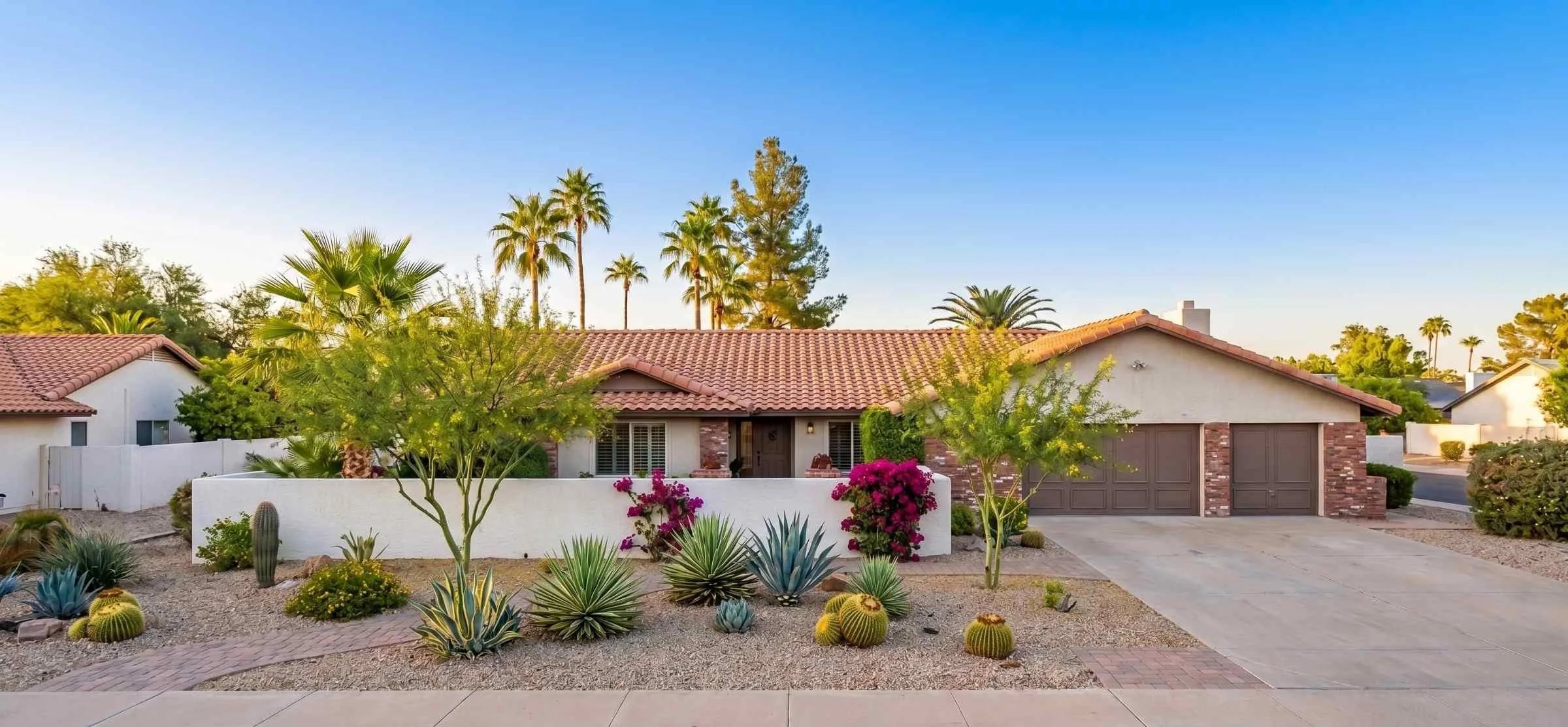
Azalea Blossoms is a small assisted living home in Scottsdale, Arizona, at 12558 North 76th Street in Maricopa County. Two features define it and shape this guide: it is doctor-owned and operated, and it holds a Directed Care license, a higher level of Arizona licensure meant for residents who need close, hands-on supervision. With room for up to 10 residents, it offers a family-style, homelike setting rather than the scale of a large community.
A Home Owned and Run by a Physician
What most distinguishes Azalea Blossoms is that a physician owns and operates it. That background tends to shape how a home thinks about health, safety, and the coordination of care, and it sits behind the home's decision to license at a higher level of supervision than a basic assisted living setting. For families whose main worry is medical oversight, that orientation can be reassuring, though specific care always depends on the individual resident.
It is a small home rather than a clinic, so the physician ownership shows up in the way care is organized rather than in on-site treatment. In practice, that can mean a careful eye on medications, a readiness to bring health services to residents, and service plans that reflect a medical understanding of aging. Families should still ask how day-to-day medical decisions are handled and how the home works with each resident's own doctor, since ownership alone does not describe the full picture of care.
Understanding Arizona's Directed Care License
Arizona licenses assisted living homes at different levels, and Directed Care is among the highest. It is the tier meant for residents who cannot fully direct their own care, including many older adults living with dementia or significant cognitive change.
What Directed Care Allows
A Directed Care license permits a greater degree of supervision and hands-on assistance than a basic supervisory or personal-care home. Homes at this level are staffed and trained to guide daily routines closely and to monitor safety around the clock. Knowing these license tiers helps families match a home to a loved one's actual needs rather than to a label.
Who It Suits
Because it is licensed for higher-level care, Azalea Blossoms can serve a resident whose needs are likely to grow, which may reduce the disruption of moving again later. It can suit seniors who wander, need help moving safely, or require reminders and cueing through the day. As always, it is worth confirming with the home that it can meet a specific condition.
On-Site Clinics and Daily Support
A practical advantage of Azalea Blossoms is that it brings some routine care to residents rather than sending them out for it. Reported on-site and daily-living features include:
Scheduled on-site podiatry, audiology, and dental clinics
24-hour awake caregiver staff
Routine wellness checks
Individualized service plans
A shaded outdoor patio and gazebo with a well-kept sitting area
On-site foot care, hearing checks, and basic dental visits can be a meaningful convenience for residents who find travel tiring. For an older adult with limited mobility or memory challenges, avoiding a series of separate outings reduces stress and lowers the risk of missed appointments, while the shaded patio gives everyone a pleasant place to spend part of the day.
These small conveniences add up over a month. Foot care matters for seniors with diabetes or circulation problems, hearing checks keep residents connected in conversation, and routine dental attention supports both comfort and nutrition. Having those services scheduled at the home means a family member does not have to take a day off to arrange transport and sit in waiting rooms. It is worth asking how often each clinic visits and how the home decides which residents are seen.
A Small, Predictable Setting for Memory Care
With no more than 10 residents, the home keeps a steady, predictable daily rhythm and a close-knit atmosphere. Caregivers are trained and certified to support seniors with memory and mobility challenges, and individualized service plans spell out exactly how each resident is helped, from dressing and bathing to how staff respond to confusion or restlessness.
Why Routine Reassures
For older adults living with cognitive change, routine is grounding. A small home with a steady schedule of meals, rest, and gentle activity can reduce the anxiety a large, busy building sometimes brings. The same faces, the same rooms, and the same daily pattern help a resident feel oriented, and they let caregivers notice quickly when something is off.
Consistency of staff is part of that picture. In a home of ten, a resident is not meeting a new aide each shift, and caregivers come to know each person's habits, preferences, and warning signs. That continuity is especially valuable in memory care, where a familiar, reassuring presence can prevent the agitation that unfamiliar faces and settings sometimes trigger. When you visit, watching how staff already interact with current residents tells you a great deal about whether that kind of steady, personal rapport is really in place.
What to Ask a Directed Care Home
Because Directed Care serves residents with higher needs, the right questions on a tour differ from those for a basic assisted living home:
How are caregivers trained for dementia and memory changes?
Are staff awake overnight, and what is the staffing level?
How is the home secured to keep residents who wander safe?
How are service plans built and updated as needs change?
Which on-site health services are scheduled, and how often?
How does the home communicate with a resident's family and doctor?
Home Details
Type: Arizona Assisted Living Home (Directed Care)
License Number: AL12240
Status: Licensed
Capacity: Up to 10 residents
Address: 12558 N 76th St, Scottsdale, AZ 85260 (Maricopa County)
Ownership: Doctor-owned and operated
The Scottsdale Setting
Scottsdale sits in the northeast corner of the Phoenix metro area, known for its warm, dry climate, well-kept neighborhoods, and strong network of medical care. The 76th Street location places the home within easy reach of hospitals, specialists, and pharmacies across Maricopa County. The area's dry warmth appeals to many seniors, and the shaded patio and gazebo give residents a comfortable way to enjoy it. For relatives who live in or travel to the Phoenix area, the location makes dropping by for a meal or an afternoon an easy part of the week rather than an all-day trip. Scottsdale's deep supply of medical resources is a practical advantage for residents managing ongoing conditions, since specialists and hospitals are rarely far when a need arises.
Planning a Visit
A small home is best understood in person, where you can meet the caregivers, see the outdoor spaces, and sense the daily atmosphere. If you are weighing Azalea Blossoms against other Scottsdale homes, it helps to visit at different times of day, since a home can feel very different at breakfast than in the late afternoon. Watch how residents look and how staff speak with them, ask how the Directed Care level would apply to your loved one, and confirm details like availability, services, and pricing directly with the home before you decide. Bringing along a short list of questions about staffing, security, and the on-site clinics will help you compare it fairly with other Scottsdale homes.
Explore More Assisted Living Communities in Thousand Oaks