
Ben Assisted Living
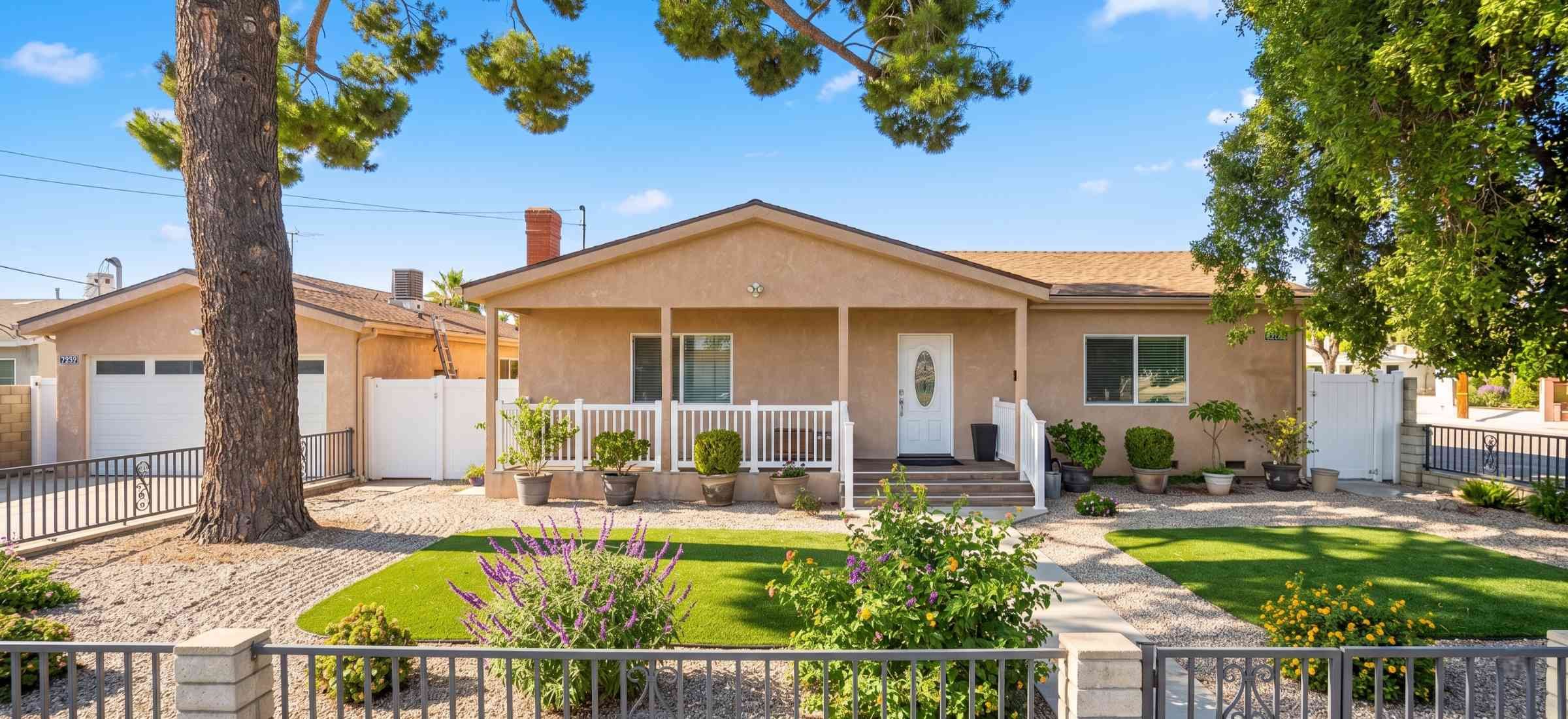
Ben Assisted Living is a small residential care facility for the elderly at 7757 Ben Avenue, North Hollywood, CA 91605, in Los Angeles County. It has been licensed since 2018 under California license number 197609503, and it is licensed for just six residents. That number is the heart of what this home is – a compact, house-like setting rather than a large community, where a handful of residents share a home and a small, steady care team. The sections below explain what a home of this kind offers, how it differs from a bigger community, and how to decide whether it fits your family.
The Character of a Six-Bed Home
Because so much about this home flows from its small size, that is the right place to begin. A six-bed license means a very different experience from a community with dozens of residents, and understanding that difference is the key to knowing whether it suits your loved one.
What Board and Care Means
A small home like this is often called a board-and-care, or simply a care home. Instead of a large building with wings, dining halls, and apartments, it is usually an ordinary house in a residential neighborhood, adapted for care. Residents have bedrooms, share common living and dining space, and eat home-cooked meals together at a table. The atmosphere leans homey rather than institutional. For a parent who feels lost in a crowd, or who is happiest in a quiet household, that familiar feelig can be reassuring. It resembles the rhythm of a family home more than the rhythm of a facility.
A Higher Staff-to-Resident Ratio
With only six residents, caregivers can give close, personal attention. Staff tend to know each resident's routines, food preferences, moods, and small quirks, and changes in health are often noticed early simply because someone is always nearby. Care can flex around the individual rather than around a large schedule. When you visit, it is still worth asking how many caregivers are on duty during the day and overnight, and how the home covers breaks and busy moments, so you have a clear picture of the attention your loved one would receive.
Board and Care vs a Larger Community
Many families tour both a small care home and a large assisted living community before deciding, and it helps to see the trade-offs side by side rather than assuming one is simply better. Neither model is right for everyone – the best choice depends on your parent's personality, health, and what makes them feel at ease.
Setting: a board-and-care is a private home in a neighborhood; a larger community is a bigger building or campus with more shared amenities.
Attention: a six-bed home offers close, familiar caregiving; a large community offers more staff overall but each one covers more residents.
Social life: a large community usually has a fuller activity calendar and more people to meet; a small home offers quieter, more intimate companionship.
Atmosphere: a care home feels domestic and calm; a larger community can feel livelier but also busier.
Fit: outgoing residents may enjoy a big community, while those who prefer quiet or feel overwhelmed by crowds often do better in a small home.
Reading through these differences with your own parent in mind usually makes the decision clearer than any single feature could.
In-Room Medical Support
In a small home, much of the value comes from care that reaches the resident where they live, without stressful trips out. It helps to understand how the home coordinates health needs.
Bringing Care to the Resident
Residents keep their own doctors, and the caregivers support health by tracking medications, watching for changes, and keeping families informed. Because leaving the house can be tiring for a frail resident, many families prefer services that come to the door. Scheduling a house-call physician who examines residents on-site means routine visits and medication reviews can happen at the kitchen-table pace this home is built for. When a doctor orders imaging, families can also arrange a mobile X-ray and EKG service that comes to the home, sparing your loved one a trip to a hospital for a simple test. Ask the home how it coordinates these outside providers and how quickly it tells families about any change.
Helping a Parent Settle In
The move itself is often the hardest part, and a small home can make the adjustment gentler if the transition is handled with care. The early weeks set the tone, so a little planning goes a long way.
The First Weeks
Bringing familiar things – a favorite chair, family photos, a well-loved blanket – helps a new room feel like home. Regular visits and phone calls reassure a parent that they have not been forgotten, though it can help to ask staff about the best times so visits fit the household's rhythm. Sharing your parent's habits, favorite foods, and daily routines with the caregivers lets them personalize care from the start, which is exactly the kind of attention a six-bed home is positioned to give. Some restlessness in the first days is normal; steady routines and patient staff usually help it fade.
The North Hollywood Setting
Location shapes daily life too. North Hollywood sits in the San Fernando Valley within the city of Los Angeles, a practical, well-connected part of the county. For families, that means the home on Ben Avenue is reachable from much of the metro area, which makes frequent visits easier to keep up. The surrounding neighborhood is residential and everyday in feel, with shops, pharmacies, and medical offices within a reasonable distance – convenient for errands, appointments, and the outside services a small home relies on. When you visit 7757 Ben Avenue, notice the street and the block itself, since the quiet of the neighborhood is part of the calm this kind of home aims to offer.
Taking the Next Step
Deciding on a care home works best as a steady, unhurried process. A sensible path is to call ahead, confirm that a room is available and understand the current cost, arrange a visit, and bring your questions about staffing, meals, and daily life. If you are comparing this home with other options across Los Angeles County and the choices start to blur, families can turn to a placement service for senior living to weigh homes against your parent's needs and budget. Trust what you see and feel during a visit, and keep your loved one's comfort at the center of the decision. A small home can be a warm, secure place to grow older – the aim is to find the one where your parents truly feel at home.
Explore More Assisted Living Communities in Thousand Oaks

Address: 11729 Blythe Street, North Hollywood, CA 91605