
Elaine's Place

Elaine's Place is a small assisted living home at 22745 Dolorosa Street in Woodland Hills, licensed for up to six residents (License #197609306). It has cared for local seniors since 2017.
This guide is for families weighing a small board-and-care home. It covers what a six-resident house feels like, the everyday care, the neighborhood, and the step that comes next.
What a Six-Resident Home Feels Like
A six-bed home offers a quieter, more personal kind of care than a large community. With only a handful of residents, staff get to know each person's habits and preferences well.
The pace is homey rather than institutional. Meals feel like family dinners, and it is easier for a shy parent to feel at ease when there are only a few faces to learn.
For someone who finds big places overwhelming, this size can be a real comfort. The trade-off is a home setting, not a campus, which suits many families looking for something calm and close.
Close, personal attention from familiar caregivers
A quiet, home-like setting with shared meals
Help with daily tasks in a small group
An easier adjustment for a parent who dislikes crowds
Everyday Care and Comfort at Elaine's Place
Assisted living here centers on gentle help with daily life. Caregivers support residents with the tasks that have grown harder, while respecting what each person can still do.
Daily Support and Meals
Day-to-day care can include bathing, dressing, grooming, and medication reminders. Home-cooked meals, laundry, and housekeeping are part of the package, so residents can focus on rest and company.
In a small home, meals often feel like sitting down with family. Caregivers learn each person's likes and dietary needs, which makes eating well easier and more enjoyable.
Routine medical visits can happen on site. Many families arrange for a doctor who comes to the resident, which spares an older parent tiring trips out for regular check-ups.
Comfort-Focused Care When It Is Needed
As needs change, comfort care can be brought in without a move. A local provider such as Eternal Life Hospice serves Los Angeles County and can add extra support at home when a family chooses it.
Keeping a parent in familiar surroundings, with people they know, matters most in these seasons. A small home is often well suited to that kind of steady, close attention.
Families are welcome through these times too. A small home makes it easier to visit freely, sit quietly, and stay closely involved in a parent's care.
Health and Safety in a Six-Bed Home
Safety looks a little different in a small home, and that can be reassuring. With fewer residents, caregivers notice changes quickly, from a skipped meal to a new unsteadiness on the feet.
That close watch matters most for common risks in older adults, such as falls, missed medications, or a quiet infection. Catching these early often keeps a small problem from becoming a hospital trip.
A calm, uncluttered home also supports residents living with memory changes. Familiar faces and a steady routine can ease confusion and help the days feel safe and predictable.
Small Board-and-Care Homes and Larger Communities
Families weighing senior care often choose between a small board-and-care home and a large assisted living community. Both provide daily help, but the feel is very different.
Two Different Settings
A large community offers apartments, more amenities, and a busy calendar of events. That can be a great fit for a social, active parent who enjoys a full schedule and lots of options.
A small home like Elaine's Place trades scale for closeness. With six residents, care is more personal, the setting is quieter, and staff can tune in to each person's needs and moods.
Staffing feels different too. In a small home, the same familiar caregivers are present day to day, so a parent is not meeting a new face at every shift.
Choosing What Fits
Neither is better in every case. The right choice depends on your parent's personality, health needs, and what makes them feel most at ease.
A parent who feels lost in a crowd may thrive in a small house, while a very social one may prefer a larger campus. Picture your parent's ideal day, and let that guide the choice.
Health needs matter too. Someone who benefits from close, consistent monitoring often does well in a small home, where changes rarely slip by unnoticed.
What to Look For When You Visit
A visit tells you what a listing cannot. Trust your senses: a good home feels calm, clean, and warm, and the residents look comfortable and cared for.
Notice how staff speak with residents and how quickly they respond. Ask about the caregiver-to-resident ratio, the daily routine, and how they handle changes in health or a medical emergency.
It also helps to visit around a mealtime or an activity. Seeing an ordinary moment gives you a truer picture than a quiet tour ever could.
How staff talk with and respond to residents
Cleanliness, safety, and a calm atmosphere
The daily routine, meals, and activities
How the home handles health changes and emergencies
Living in Woodland Hills
Woodland Hills sits at the west end of the San Fernando Valley in Los Angeles County. It is a settled, suburban area with easy access to shops, parks, and medical offices.
The Neighborhood
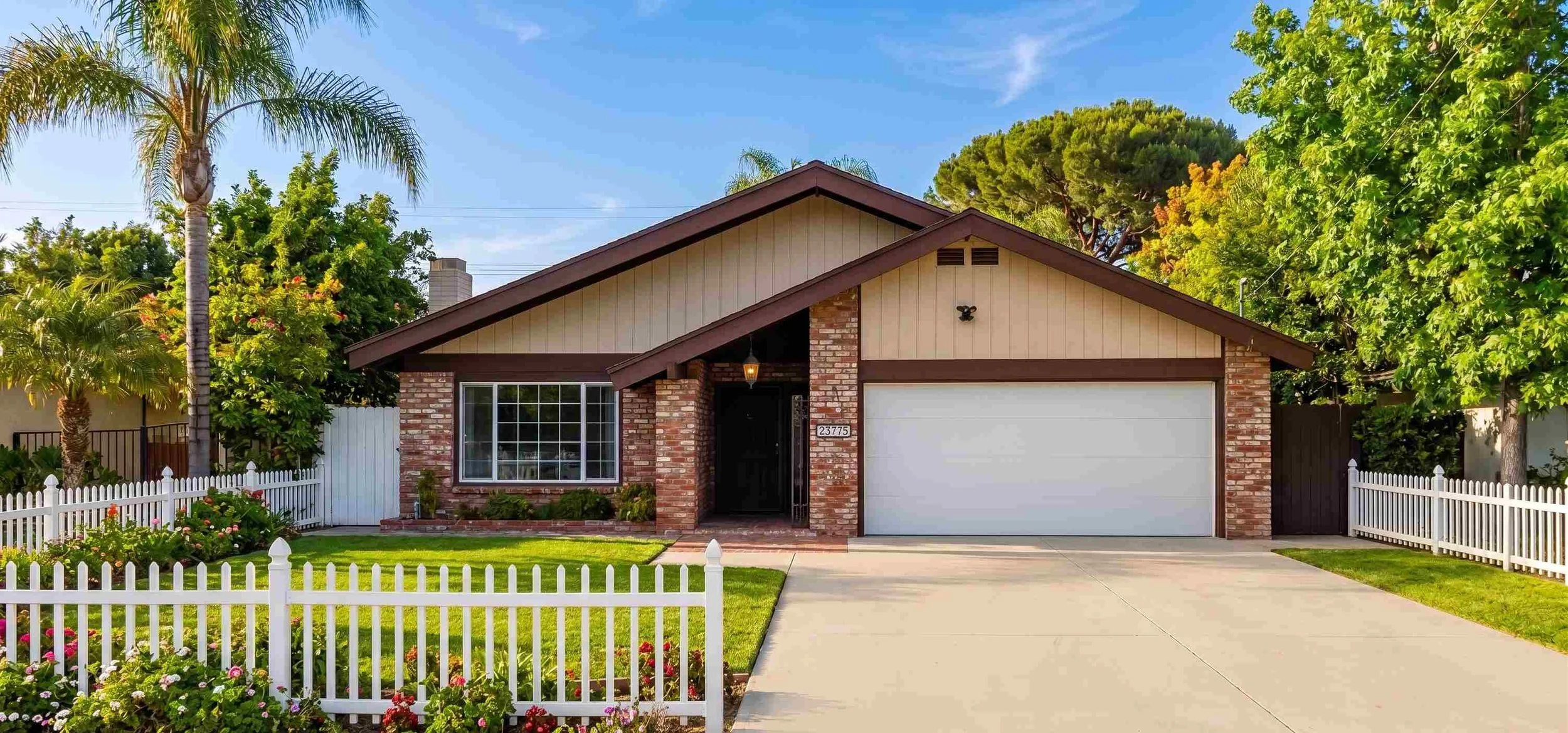
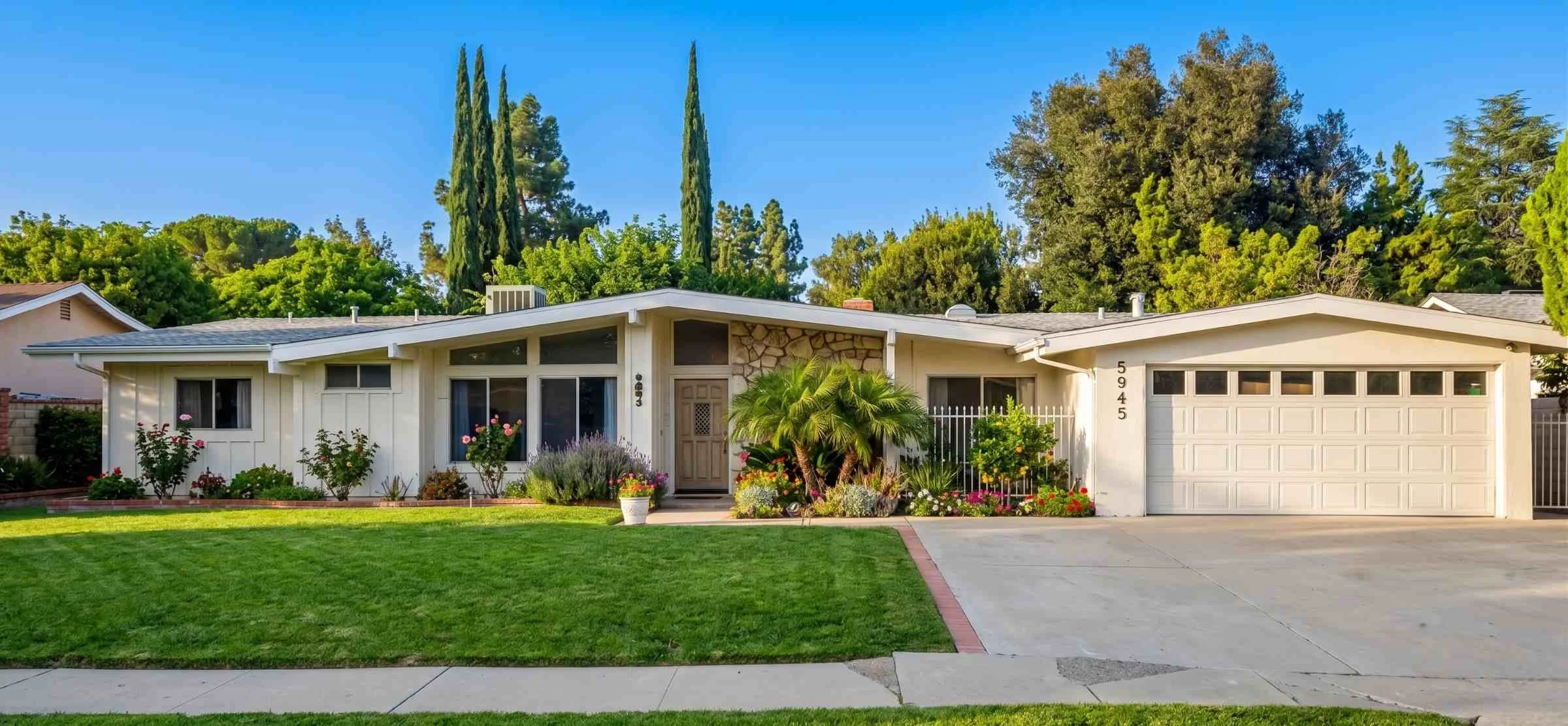
The Dolorosa Street location is tucked into a residential neighborhood, which keeps the setting calm and familiar. For many families, staying on the west Valley side keeps visits short and regular.
The Valley's mild weather and quiet residential streets suit gentle daily walks. Little comforts like these help a house become a home your parent is happy to be in.
Everyday errands and appointments stay close at hand. Shops, parks, and medical offices are all within easy reach, which makes the practical side of daily life simpler for everyone.
Close to Family
Being close to a parent's own community makes the whole change gentler. Nearby doctors, familiar streets, and easy drop-ins all help a move feel less like starting over.
Making the Transition Easier
Moving day stirs up feelings, and that is to be expected. A calm, matter-of-fact tone from family helps a parent take their cue and feel steadier about the change.
In a small home, routines settle quickly, which works in your favor. Keeping visits regular in the first weeks gives your parent an anchor while everything else is still new.
Give the adjustment a few weeks before judging how it is going. Most people find their rhythm once the faces, the meals, and the daily flow start to feel familiar.
How to Take the Next Step
Visiting and Comparing
The next step is simple: call to ask questions and arrange a visit. Seeing the home and meeting the caregivers tells you far more than any listing can.
Come with a short list of what matters most for your parent, from mobility help to diet or memory support. Clear priorities make it easier to tell whether a home is the right match.
If you are comparing a few homes, a senior placement advisor can help you match options to your parent's needs and budget, at no cost to your family. That guidance takes pressure off a hard decision.
Contacting Elaine's Place
To reach Elaine's Place directly, call (818) 340-7769 or stop by 22745 Dolorosa Street, Woodland Hills, CA 91367. A short tour is the best way to picture daily life there.
Take your time on the visit and ask whatever is on your mind. The right home should feel welcoming and answer your questions openly, so you leave with a clear sense of the place.

Written by Sofiia Puhach
September 19, 2026
Explore More Assisted Living Communities


Address: 22745 Dolorosa Street, Woodland Hills, CA 91367