The Norma J's Home for the Elderly
In a six-bed home that form decides more than it does anywhere else. There is no waiting list to join and no spare room held back, so when a bed opens it goes to the family whose paperwork is already finished. Ask your parent's doctor for the form at the first conversation, not after the tour.
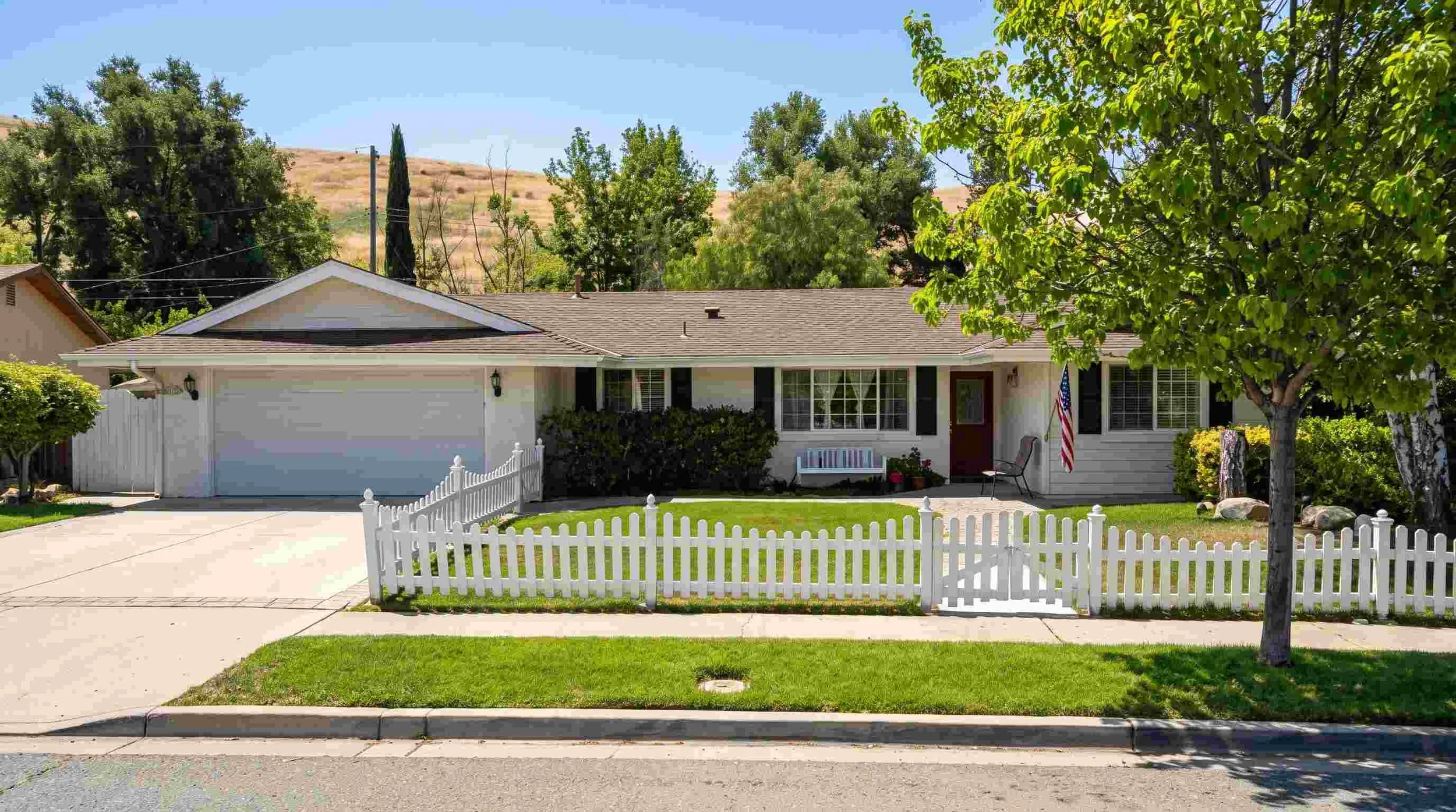
The home is at 142 W. Columbia Road in Thousand Oaks, Ventura County, licensed for six residents under California licence number 565801532. State records list Tiede Senior Care, Inc. as the licensee and Loretta Louise Tiede as the administrator of record.
The Original of Three Homes on One Family's List
This is the first of the three Norma J's homes, licensed in November 2007. The other two came later: Norma J's Home for the Elderly II at 73 Marimar Street, licensed in 2017, and Norma J's Home for the Elderly III at 118 W Columbia Road, licensed in 2023.
Two of the three sit on the same street. Number 142 and number 118 are a short walk apart on West Columbia Road, both licensed for six residents, both under the same administrator of record. For a family touring, that means two homes in one afternoon without moving the car.
The practical value of that is availability. Eighteen beds spread across three houses, all run by the same operator, give you three chances at a bed instead of one, and the same answer about care standards applies to each of them. Ask about all three in a single call.
What Six Beds Change About Daily Life
Scale is the whole difference. A six-bed home is a house on a residential street with a handful of residents, not a building with corridors, a reception desk and a marketing office, even though both hold the same state licence.
That size usually means meals at one table, a caregiver who knows every resident's routine without reading a chart, and a noise level closer to a family home than to an institution. For someone with memory loss, a small, unchanging space is often easier to hold on to than a large one.
The trade-offs are real too. There is no activities director, no on-site hair salon and no second dining option. When one caregiver is on shift, the attention is divided among six people rather than thirty, which is better arithmetic, but it still has a limit worth asking about.
Who a Six-Bed Home Suits, and Who It Does Not
It suits an older adult who wants quiet and needs steady help with daily tasks: bathing, dressing, meals, medication reminders and supervision through the day. The small group is the point, and residents who were overwhelmed in a larger community often settle faster here.
It suits families less well when the person is highly social and wants a full calendar, or when care needs run toward skilled nursing. A residential care home is licensed for personal care and supervision, not for the nursing-level care a hospital or skilled facility provides.
The honest test is the LIC 602 plus a frank conversation with the administrator. A home that tells you clearly that it cannot meet a particular need is giving you useful information, and that answer early is worth more than a yes that unravels three months after move-in.
How Medical Care Reaches a Resident Here
Residents keep their own doctors. A licensed care home arranges reminders, keeps medication records and coordinates transport, and staff pass on what they notice from day to day, but prescriptions, diagnoses and treatment decisions all stay with the resident's own clinicians rather than with the house.
In a small home, the easier arrangement is often a clinician who comes to the house. Primary care doctors and specialists who visit care homes can handle routine follow-ups, medication reviews and new symptoms on site, which removes a car trip and a waiting room from every appointment.
Worth asking on the tour: who the home calls when a resident's condition changes in the evening, how often a doctor currently comes to the house, and at what point the home would say the care needs have outgrown what it can provide.
The Street and the Area Around the Home
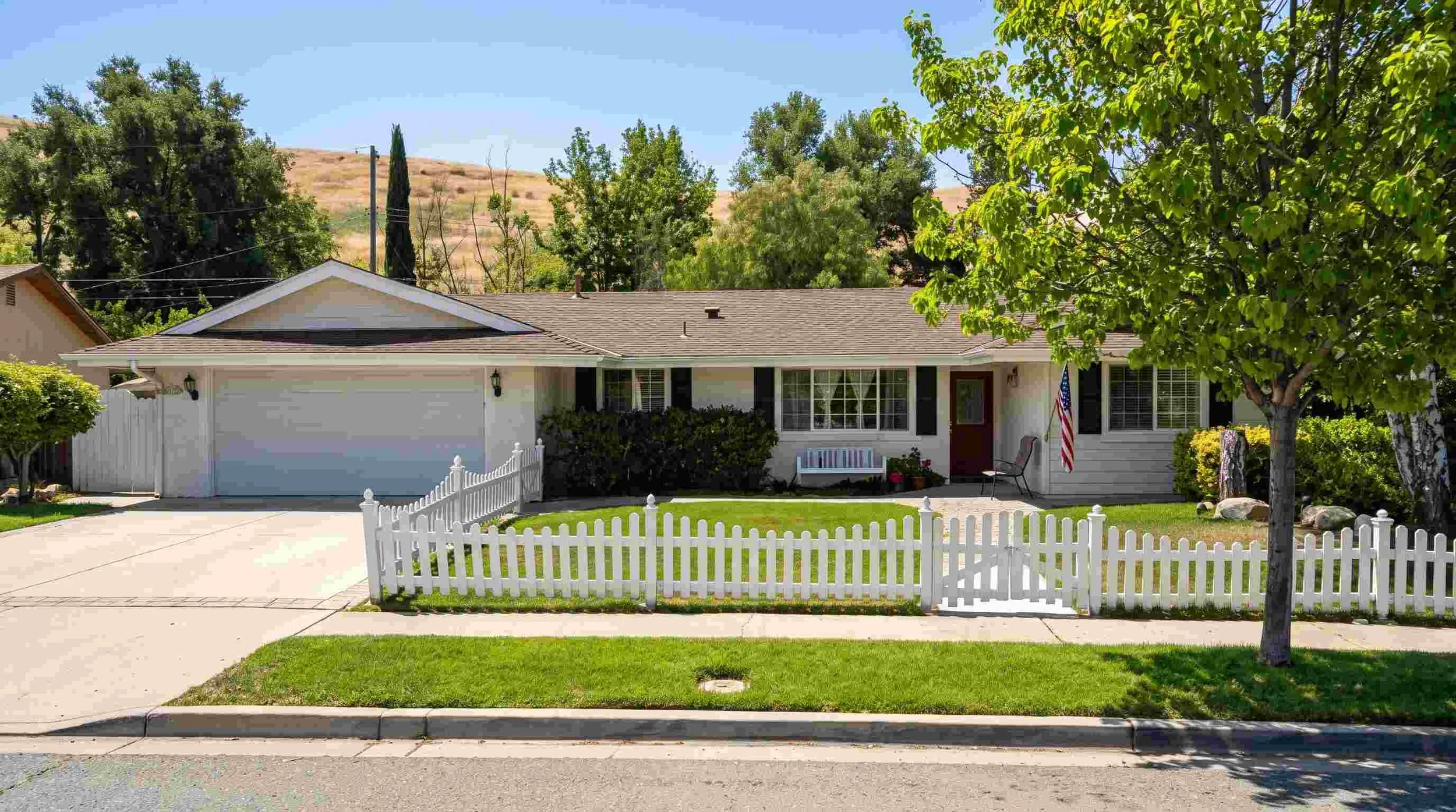
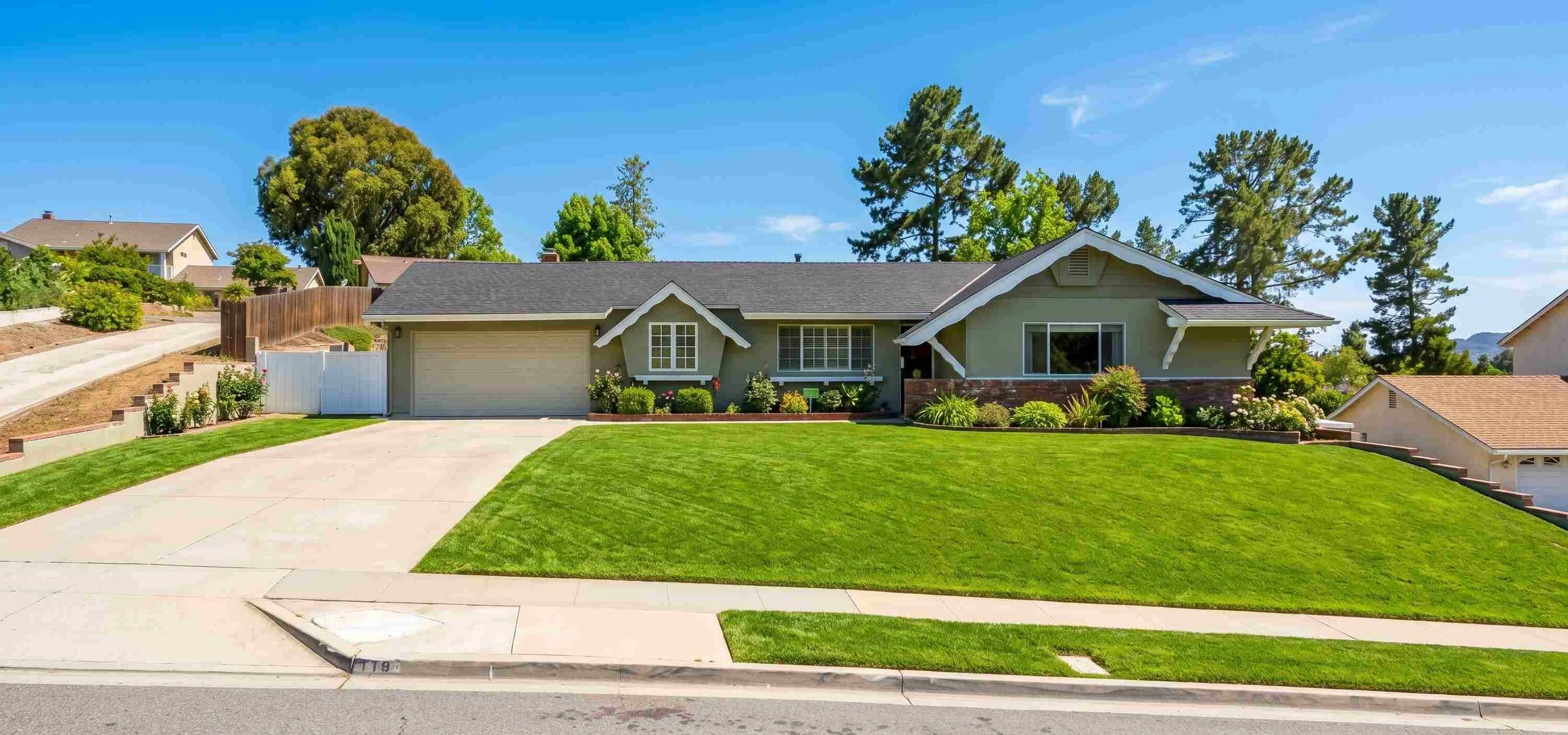
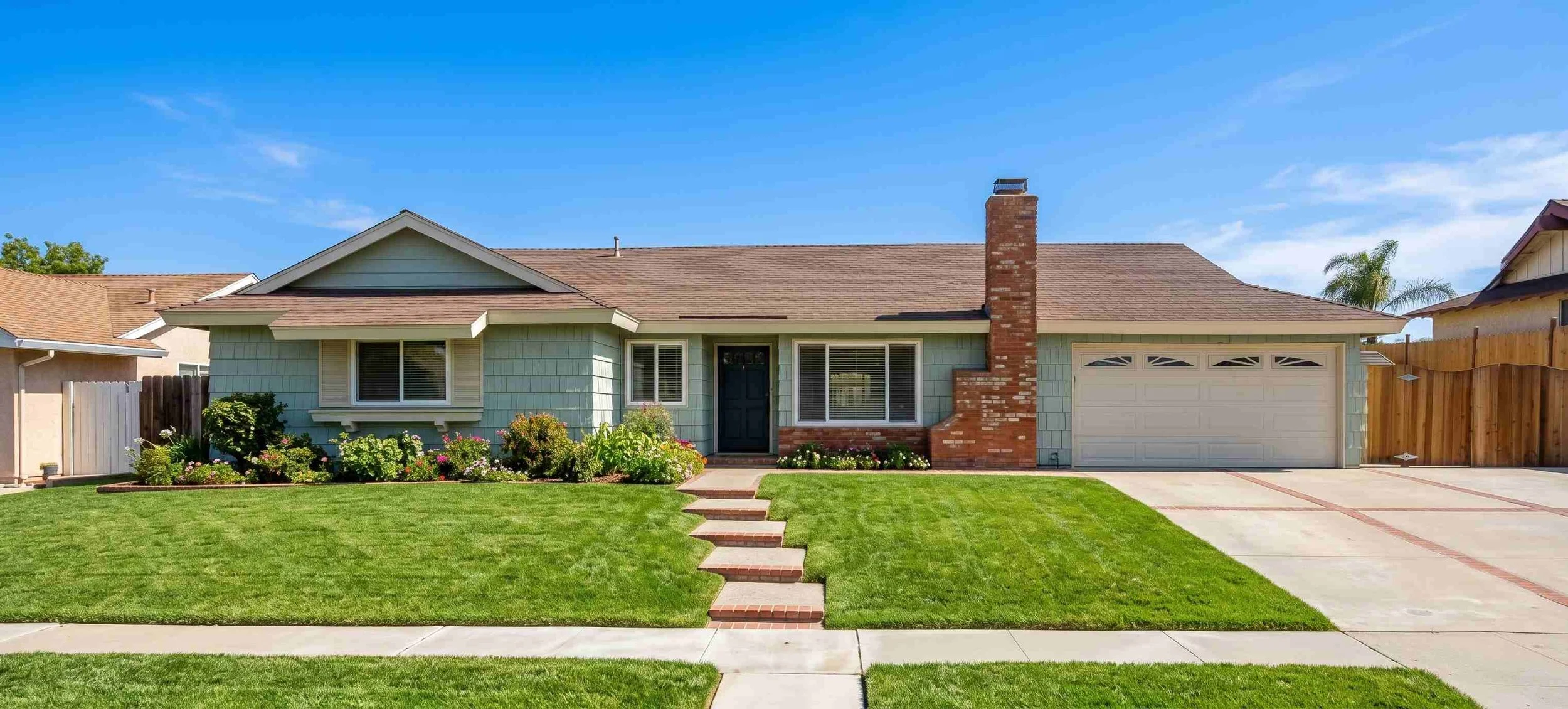
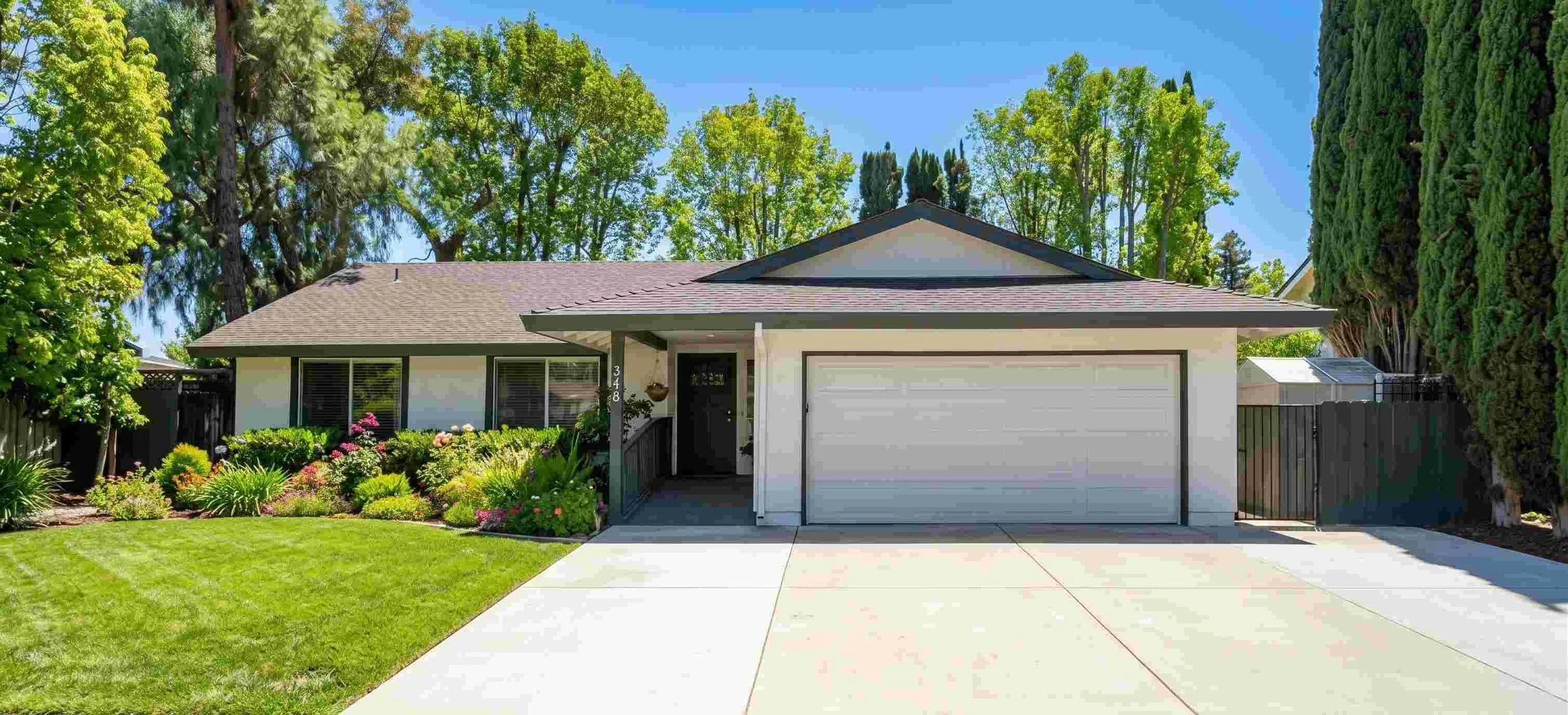
West Columbia Road is ordinary residential Thousand Oaks, which is most of the appeal. Single-story houses, front lawns, street parking that is not a contest, and a place that suits an older adult sitting outside in the afternoon.
Thousand Oaks sits in the Conejo Valley, in the eastern corner of Ventura County, within easy reach of the west San Fernando Valley. For adult children driving in from Los Angeles, that is a manageable visit on a weekday evening rather than a weekend expedition.
Walk the block before you decide. Look at how close the nearest busy road is, whether the sidewalk is even enough for a walker, and what the street sounds like at the hour you would normally come. Those details shape a resident's day more than anything in a brochure.
What to Do If There Is No Bed Right Now
Six beds fill up and stay full. When the state last recorded an evaluation visit at this address, all six beds were occupied, which is the normal state of a small home with a good local reputation rather than a sign of anything unusual.
That is the moment to widen the search rather than wait. Assisted Living Solutions works across Ventura County on exactly this problem, matching care needs to homes that currently have room, including memory care options, and arranging the tours.
Keep the physician's report current while you look. Care needs change over a few months, and a form completed in spring may not describe the person who moves in during the autumn, which can hold up an admission at the last step.
Address, License Number and Contacts
Norma J's Home for the Elderly is at 142 W. Columbia Road, Thousand Oaks, CA 91360, in Ventura County. State licensing lists it as a Residential Care Facility for the Elderly, licence number 565801532, with a licensed capacity of six residents and a first licence date in November 2007.
The phone number on the state record is (818) 422-7667. No facility website turned up in state records or in a search, which is usual for a home of this size, so the phone call is the way in.
Licensing status, availability and the level of care accepted all change, and directory sites are often months behind. Confirm every detail directly with the home, and ask for the most recent state inspection report while you are there.
Your Next Step
Call first, then visit, and bring the physician's report if you already have it. One phone call covers all three Norma J's homes, and the administrator can tell you in a few minutes whether any of them has room and whether the care needs fit.
If the search has stretched past a few weeks, a senior placement agency can shortlist homes that match the LIC 602 and book the tours for you. The service is usually free to families, because the homes pay the referral fee.
Either way, see the house at an awkward hour. Late afternoon and early evening show you the home when staffing is thinnest and residents are most tired, which is the version of the day your parents will actually live in. Mid-morning tours are easier to schedule and tell you considerably less.
Sources Used
Overview of Assisted Living/Residential Care Facilities for the Elderly (RCFEs) – CANHR (2025)

Written by Sofiia Puhach
October 6, 2026
Explore More Assisted Living Communities in Thousand Oaks