
The Manor of Ojai
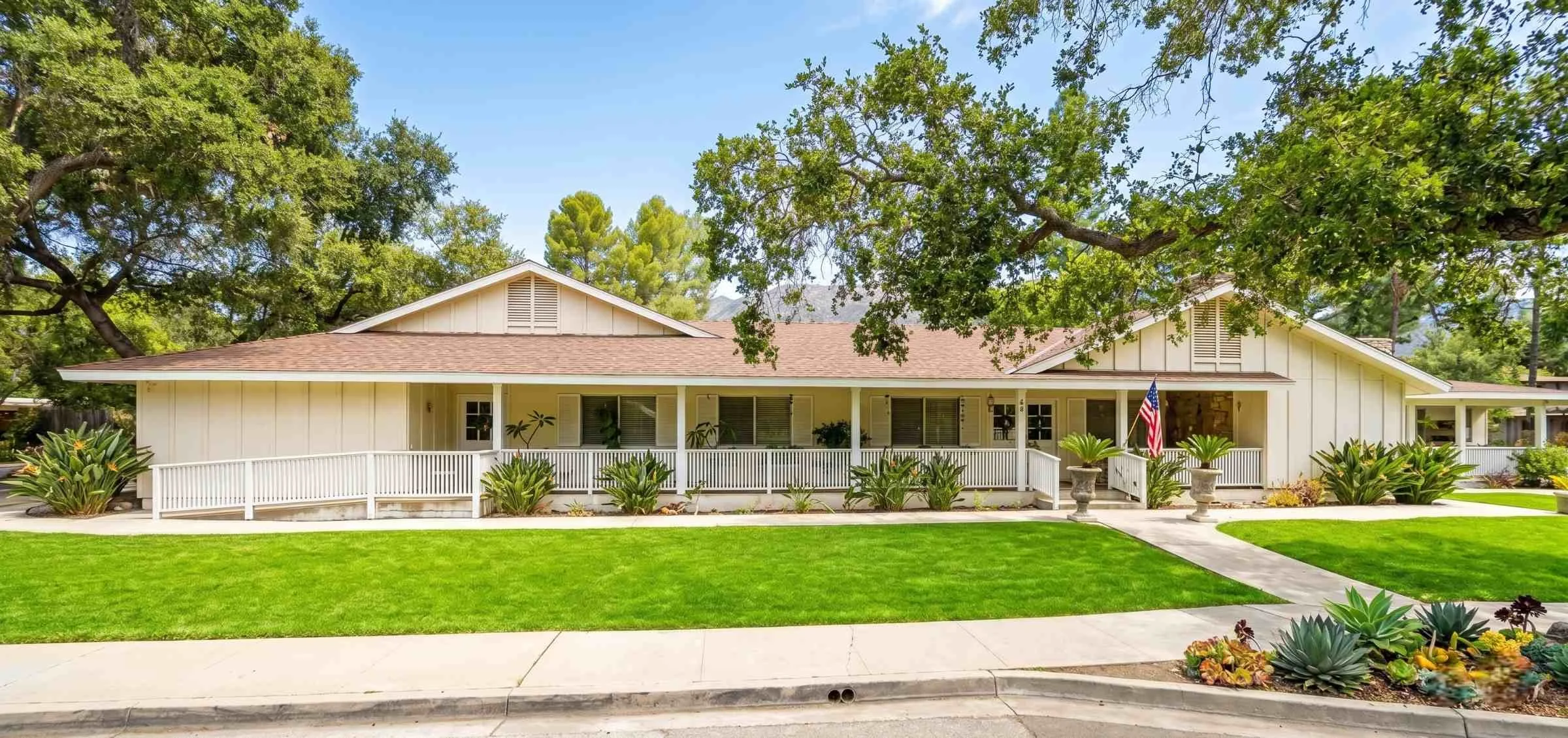
The Manor of Ojai is a residential care facility for the elderly located at 108 W. Eucalyptus St., Ojai, CA 93023, in the Ojai Valley of Ventura County. It has been licensed since 2004 under California license number 565801114, held by Riverrun Enterprises, Inc., and it carries a licensed capacity of 44 residents. That size places it in a middle ground that many families are looking for – a community with the structure and staffing of full assisted living, set in one of the more peaceful corners of Southern California. The sections below walk through what a home of this size and setting may offer, what to look at when you visit, and how to take a sensible next step.
A Mid-Size Community in the Ojai Valley
The first thing worth understanding about this home is its scale. Forty-four beds is neither a tiny board-and-care house nor a sprawling campus of a hundred-plus apartments. It sits between those two worlds, and that middle size shapes daily life in ways that matter to families.
The Feel of 44 Beds
In a very large community, a new resident can feel like one face among many, and staff may rotate across wings so often that familiar relationships take time to form. In a very small home, the intimacy is lovely but the range of activities and services can be limited. A mid-size community aims to keep the best of both. There are usually enough residents to fill a dining room with conversation, run group activities, and offer a few different social circles to join, yet the number stays small enough that caregivers can learn names, routines, and preferences. For a parent who is nervous about leaving a family home, that balance of liveliness and familiarity can ease the transition.
Levels of Care Under One Roof
A community licensed for assisted living is built to help with the everyday tasks that become harder with age – bathing, dressing, grooming, moving safely from room to room, and managing medications on schedule. One advantage of a home this size is that it can often support a range of needs under a single roof, from a resident who mostly wants meals and companionship to one who needs hands-on help several times a day. When you tour, it helps to ask exactly which levels of care the home is licensed and staffed to provide, and how care plans are adjusted if your loved one's needs change over time. Because specific services vary by home and can change, confirm the current details directly with the staff rather than assuming.
Everyday Life, Safety, and Getting Around
Beyond care tasks, what fills a resident's day is the rhythm of meals, rest, activity, and moving comfortably through the building. This is where a home's attention to safety quietly shows itself.
Preventing Falls and Moving Comfortably
Falls are one of the most common reasons an older adult's independence slips, so it is fair to look closely at how a community handles them. Well-designed homes tend to feature even flooring, good lighting, handrails in hallways, grab bars near bathrooms, and clear paths without loose rugs or cords. If you are also thinking about the family home – for a spouse who will stay there, or for visits – families focused on fall safety can explore home safety upgrades and mobility equipment such as grab bars, ramps, and stair lifts to reduce risk in familiar spaces. Inside the community, ask how staff respond when someone does fall, and how they help residents stay steady on their feet.
Meals, Activities, and Routine
A predictable daily routine gives many older adults a sense of security. Shared meals, gentle exercise, music, crafts, outings, and quiet time all give shape to a day. When you visit, notice whether residents look engaged and whether the pace suits your loved one. Some parents thrive on a full social calendar; others prefer a calm setting with a few meaningful moments each day. Neither is wrong – what matters is the fit.
Medical Support and On-Site Care
Assisted living is a home, not a hospital, but health needs still have to be met. It helps to understand how a community coordinates with doctors, pharmacies, and outside services.
Coordinating Doctors and Medications
Residents keep their own physicians, and the home supports care by tracking medications, watching for changes, and communicating with families. Getting to appointments can be tiring for a frail parent, so many families lean on care that comes to the resident instead. Arranging a visit from a doctor who sees patients right at the community can spare your loved one a stressful trip and give the staff clear, up-to-date instructions. Ask how the home handles routine checkups, medication refills, and after-hours concerns, and how quickly families are told when something changes.
Questions to Ask When You Tour
A tour is your best chance to see past the brochure. Walking through at a normal hour, talking with staff, and watching how residents are treated tells you more than any description can. Bring a short list so you do not forget the essentials.
What levels of care are you licensed and staffed to provide, and what happens if my parent's needs increase?
What is the staff-to-resident ratio during the day, and overnight?
How are medications stored, tracked, and given, and who oversees that process?
What does a typical day and weekly activity schedule look like?
How do you handle a medical emergency or a fall?
What is included in the monthly fee, and what costs extra?
How do you communicate with families about health changes or concerns?
What is your approach when a resident is anxious, confused, or having a hard day?
Take notes as you go, and if you can, visit more than once and at different times. A calm mid-morning and a busier mealtime can reveal different sides of the same home.
Living in Ojai
Setting matters too, and Ojai gives this community an unusual sense of place. The small city sits in a valley ringed by mountains, known for its mild weather, walkable downtown, and slow, unhurried feel. For an older adult, that calm can be genuinely soothing, and for visiting family the drive is an easy one within Ventura County. The surrounding area offers gardens, art, and quiet outdoor spots, and the compact town center keeps errands and appointments close by. When you visit the community, it is worth taking time to notice the neighborhood around 108 W. Eucalyptus St. – the quiet streets, the light, and the pace of the valley are part of what daily life here would feel like for your loved one.
Taking the Next Step
Choosing a community is rarely a single decision – it is a series of small, careful steps. A reasonable path is to call ahead, confirm current availability and pricing, schedule a tour, and bring your questions. If comparing several homes feels overwhelming, or if you are weighing this community against others in Ventura County, families can also lean on a senior living placement service to help sort options against your parent's needs and budget. Move at a pace that lets you feel confident, and keep your loved one's own wishes at the center of the conversation. The goal is not simply a bed, but a place where your parents feel safe, known, and at ease.
Explore More Assisted Living Communities in Thousand Oaks

Address: 4075 54th Street, San Diego, CA 92105