Chronic Care at Home: When All of Medicine Comes to You
In the modern world, managing chronic conditions (like diabetes, heart failure, or arthritis) often involves strenuous, continuous trips to clinics. According to the NIH, over half of all adults have at least one chronic illness, making the traditional system overly burdensome.
This reality is driving a fundamental shift toward home-based chronic care.
The Model’s Relevance: An aging population and the increasing complexity of chronic conditions demand a more holistic, proactive, and accessible approach.
The New Patient Experience: Care transforms from a difficult obligation into a comfortable, personalized, and continuous process within the familiarity of one's home.
Understanding Chronic Care and Its Challenges
What Chronic Care Truly Means
Chronic care is the long-term management of conditions lasting a year or more. The CDC points out that leading causes of death and disability (heart disease, stroke) require not episodic treatment, but ongoing monitoring, medication adjustment, and lifestyle changes.
The Failures of the Traditional System
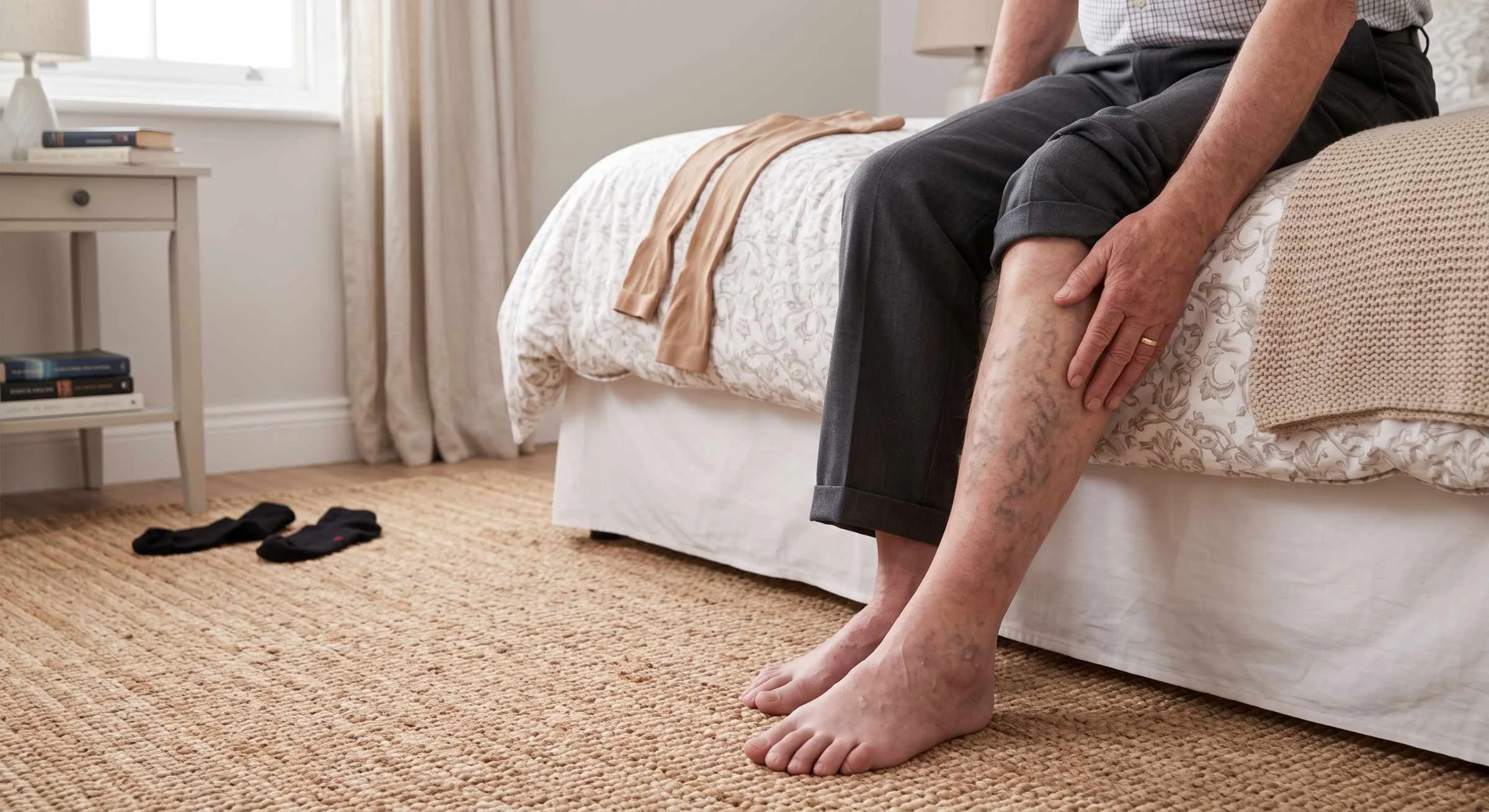
Transportation Barriers: For frail or non-mobile seniors, travel to a clinic can become an insurmountable hurdle, leading to missed appointments.
Fragmented Approach (Mayo Clinic): A patient with multiple diagnoses often sees various independent specialists whose treatment plans fail to align.
Stress and Inconvenience: Long waits, rushed appointments, and the pressure to adhere to the clinic’s schedule complicate adherence to the treatment plan.
The Rise of the Home Medical Model
Home-based chronic care is a comprehensive, coordinated system utilizing modern technology to deliver primary and specialized medical services.
Benefits of Comprehensive Care at Home
Enhanced Comfort and Compliance
Familiar Environment: Receiving care at home reduces anxiety.
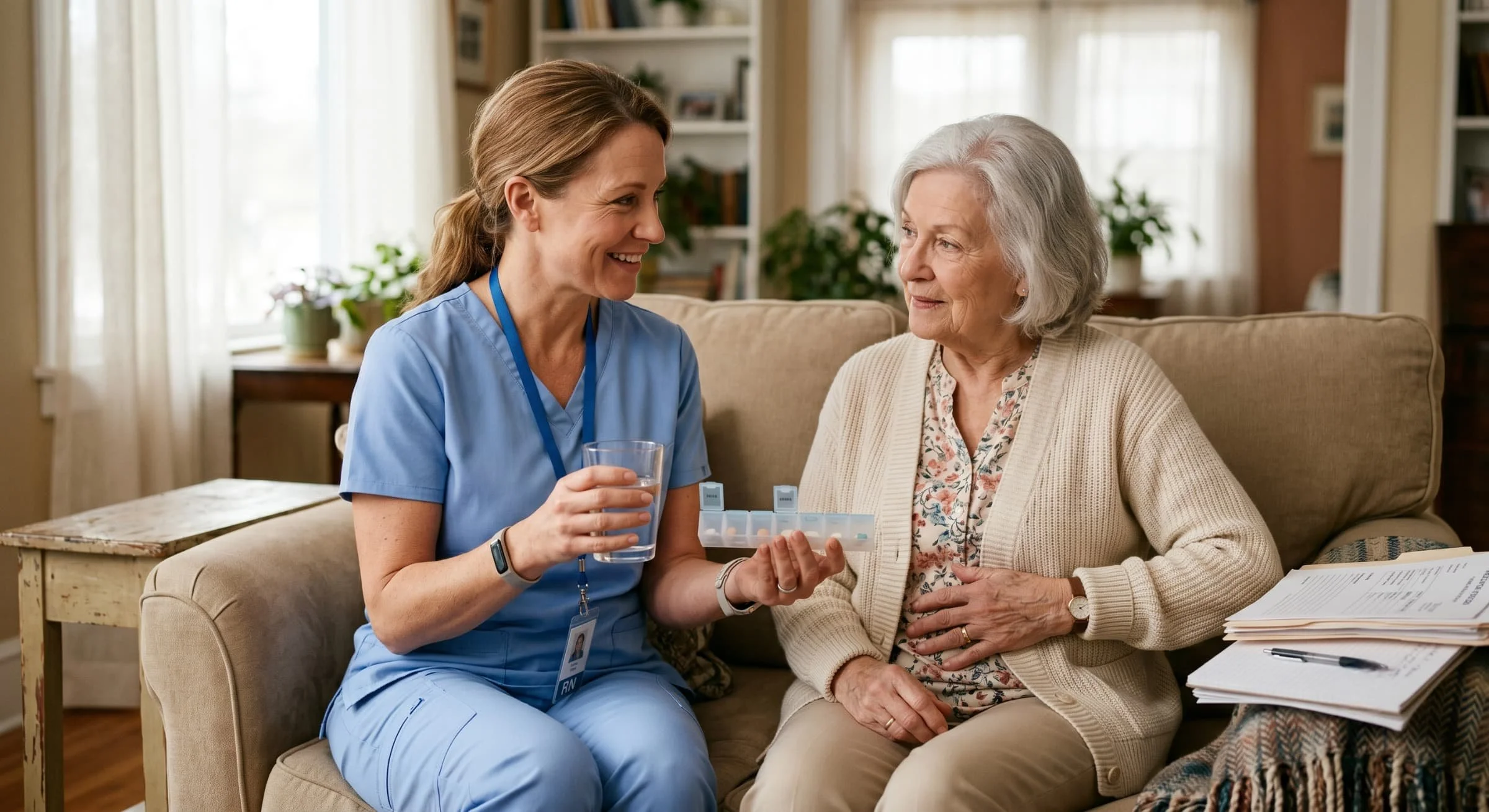
Practical Education: Home visits are ideal for patient and caregiver education. Nurses can provide hands-on training on proper inhaler use, self-checking for edema, or storing complex medications (like insulin).
Superior Quality and Care Coordination
Coordination (CMS / Kaiser Permanente): All specialists utilize a unified record system, which is critical for reducing risks associated with multiple treatments.
Early Intervention: Continuous Remote Patient Monitoring (RPM) helps catch problems long before they escalate.
Addressing Social Determinants of Health (SDOH): The clinician can directly assess the home environment and social factors that impact health, such as food security (access to necessary dietary items) or housing safety (fall risks).
Specialized Care Delivery
The model brings experts to the patient. For example, a specialist in Ophthalmology and Retina Surgery can perform essential eye exams and diagnostics for a diabetic patient right at home.
Who Benefits the Most?
Elderly Patients: The "Aging in Place" Concept
Home-based chronic care is the key tool that makes "Aging in Place" feasible and safe, allowing seniors to maintain independence and community ties while avoiding long-term institutional care.
Geriatric Care Specialists like Dr. Rebecca Cook manage polypharmacy, mobility, mental health, and fall prevention—all crucial aspects of geriatric wellness.
Patients with Multiple Complex Conditions
Complex Care Management: The home model allows for the seamless management of severe conditions. A specialist in Oncology and Hematology (e.g., Dr. Vera Kleynberg) can provide home-based palliative care, and a Gastroenterologist (e.g., Dr. Cameron Sikavi) can monitor complex GI disorders.
Specialized Behavioral Support: Services like Dementia Partner offer comprehensive care coordination, 24-hour support, and assistance in organizing cognitive activities for patients with dementia.
The Role of the Home Team and Technology
Roles of Key Service Providers
Tools and Technologies Used
Remote Patient Monitoring (RPM): Devices like wireless scales, blood pressure cuffs, and glucometers transmit data daily. RPM is also used to monitor physical activity and sleep quality—early indicators of decline in conditions like heart failure or COPD.
Telemedicine: Video and telephone consultations for routine follow-ups.
Data Security: Providers focus on cybersecurity protocols to protect patient data transmitted via home-based devices.
Reducing Hospitalizations and ER Visits
The secret of home care lies in its proactive approach.
Anticipatory Intervention: Daily RPM allows the team to spot negative trends long before a crisis.
On-Site Acute Care: The immediate availability of Urgent Care expertise helps resolve acute problems efficiently at home, reducing the reliance on emergency departments.
Challenges and the Future
Areas of Concern
Technology Barriers: Limited access to reliable internet or difficulty using RPM devices among some patient groups.
Caregiver Burnout: The need for active support and respite services for family caregivers remains a significant challenge.
The Future of Home Medicine
Artificial Intelligence (AI): Predictive analytics powered by AI (as informed by Kaiser Permanente research) will be able to forecast patient deterioration days in advance.
Expanded Diagnostics: An increase in portable diagnostic tools (X-ray, ultrasound) for at-home use.
The "Hospital-at-Home" Model: Fully integrated systems capable of delivering complex inpatient care safely at home. This model relies on robust logistical support, such as MediZoom Transportation, LLC, for safe, non-emergency medical transport when necessary.
Conclusion
Home-based chronic care represents a fundamental paradigm shift. By seamlessly integrating primary care, specialized expertise (Oncology, Geriatric Care), and essential logistical services, this model delivers superior health outcomes, making Aging in Place safe, independent, and achievable for millions.
FAQ
1. What is home-based chronic care?
It is a comprehensive medical service model where healthcare professionals (internists, geriatricians, and specialists) regularly visit the patient at home to manage their long-term conditions.
2. What conditions qualify for home-based care?
Patients with complex, multiple, and/or unstable chronic conditions benefit most, including those needing specialized support like Dementia Care Management.
3. Can home-based care replace regular primary care?
Yes. The modern Home-Based Primary Care model is designed to fully replace the traditional primary care office visit.
4. What technology do patients need?
Patients minimally need a smartphone/tablet and internet access. The provider supplies specialized medical devices for RPM and facilitates services like at-home blood draws.
You May Also Like