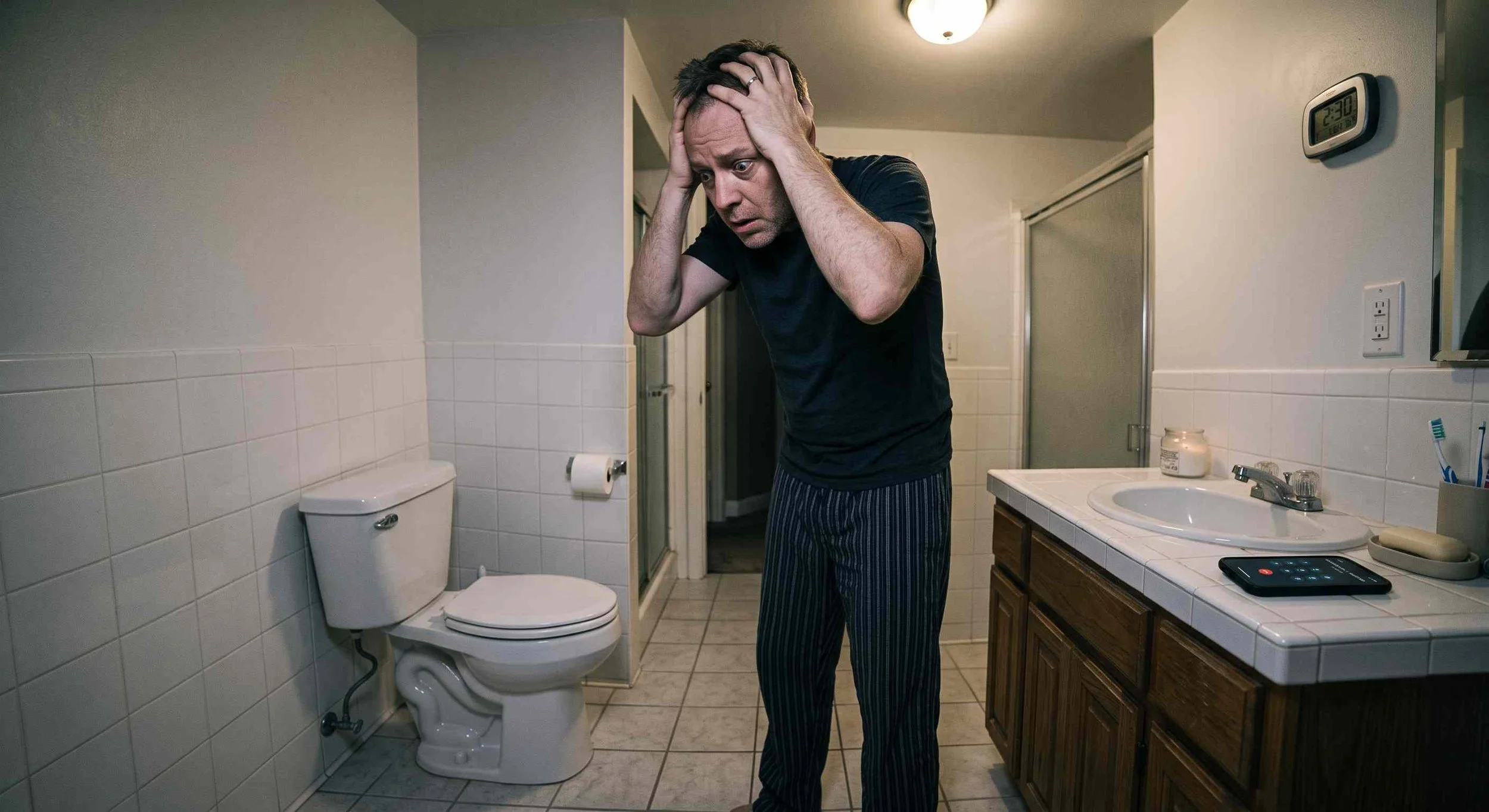
When Sunken Eyes Signal More
Table of Contents
Sunken or hollow eyes (medically known as enophthalmos) often seem like just a cosmetic flaw or a sign of extreme fatigue. However, their sudden appearance or persistence, despite adequate rest, can serve as an important early indicator of deeper health issues.
Why This Is Important
Sunken eyes might point to systemic exhaustion, chronic dehydration, or hormonal imbalances that require professional attention. Because they can reflect dehydration or an underlying condition, it's worth knowing what sunken eyes can signal and when to have them checked.
Understanding Sunken Eyes
What Are They?
Sunken eyes appear as if the eyeball has recessed deeper into the eye socket.
Physical Appearance: A prominent shadow appears under the lower eyelid, the orbital bone seems more defined, and the skin beneath the eye looks thin and darkened.
The Cause: This effect results from a reduction in the volume of tissues around the eye, most often due to loss of subcutaneous fat, decreased skin elasticity, or an overall fluid deficit in the body.
Associated Symptoms
Sunken eyes are often accompanied by other signs:
Persistent fatigue and weakness.
Signs of dehydration: dry mouth, intense thirst.
Dark circles under the eyes.
Possible Causes
Fluid and Nutritional Issues
Lifestyle and Anatomy
Lack of Sleep and Stress: Chronic sleep deprivation and stress elevate the hormone cortisol, which affects water balance and skin condition.
Rapid Weight Loss: A drastic decrease in weight leads to the loss of the fat cushion that supports the eyeball, causing the "sunken" effect.
Aging: Natural loss of facial fat and collagen, along with changes in bone structure over time, deepen the shadows under the eyes.
Systemic Health Conditions
In less common instances, sunken eyes may be linked to:
Anemia: A deficiency in iron or red blood cells leads to skin paleness, which emphasizes shadows and hollowness.
Hormonal Imbalances: For instance, thyroid problems (hyperthyroidism) can affect the tissues around the eyes.
Chronic Illnesses: Any prolonged infections or debilitating conditions.
When to See a Doctor
Sunken eyes that do not resolve after a few days of rest, increased water intake, and improved nutrition require a specialist consultation.
Warning Signs:
Sudden development of hollowness.
Accompanying symptoms: fever, unexplained weight loss, severe weakness.
Diagnosis and Checkup
Initial Consultation
Start the checkup with a visit to a primary care physician. An independent internal medicine or family medicine provider will perform the initial examination and take a complete health history.
Laboratory Testing
To identify hidden causes, the doctor will order tests.
Complete Blood Count (CBC): To check for anemia or infection.
Metabolic Panel: To assess kidney function, glucose levels, and electrolytes (fluid balance).
Hormone Tests: For instance, to check thyroid function.
Services for blood drawing and testing, including home visits, can be obtained from independent labs such as Sonic Diagnostic Laboratory in Los Angeles.
Specialist Referrals
Depending on test results, consultations may be needed:
Ophthalmologist: To rule out issues related to the eye socket itself.
Endocrinologist: If hormonal imbalances are suspected.
Treatment and Prevention
Resolving sunken eyes begins with treating the root problem.
Medical and Cosmetic Solutions
Addressing the Root Cause: Treatment for anemia, infection, or hormonal dysfunction.
Hydration Therapy: In severe cases of dehydration, or for general restoration, IV Therapy (intravenous fluid and vitamin administration) may be indicated, a service offered by RW Family Practice & Preventative Care in Florida.
Cosmetic Solutions: If the cause is structural or age-related, options include dermal fillers (hyaluronic acid injections) or specialized topical creams.
Lifestyle Changes
Sleep and Stress: Ensure 7–9 hours of quality sleep. Utilize stress management techniques.
Diet and Water: Maintain fluid balance and consume foods rich in Vitamins C, K, and antioxidants.
Important Note on Supportive Care
While sunken eyes are not typically a direct indication for palliative care, in situations where they are one of many symptoms linked to the terminal stages of a chronic illness, a supportive service like Pacific Crest Hospice can provide the necessary comfort-focused care and support.
Conclusion
Sunken eyes are an important signal. It is crucial not to underestimate their significance. Timely consultation with a physician and a comprehensive checkup are the best ways to determine the cause and ensure a healthy and energetic appearance.
FAQ
Can sunken eyes be reversed naturally?
Yes, if they are caused by a temporary factor (lack of sleep, dehydration).
Are they always a sign of illness?
No. They can be an anatomical feature or a sign of aging.
What tests are usually required?
Complete Blood Count, metabolic panel, and vitamin level checks.
Should children with sunken eyes be checked?
Yes, if accompanied by lethargy or vomiting, as it may indicate severe dehydration.
You May Also Like