Installing Non-Slip Flooring
Table of Contents
Safety is a top priority in both modern homes and workplaces. Sudden slips and falls are not just minor accidents; they are a leading cause of injuries requiring medical attention. Statistics confirm that many incidents occur due to slick floors, especially in wet areas.
Non-slip flooring is an investment in your well-being and a way to reduce accident risk. It is essential in high-risk zones and is a key element in fall prevention programs recommended by organizations like the Mayo Clinic and the CDC.
Crucial for Safety and Rehabilitation: Specialists in Physical Therapy, such as DizzyCare Physical Therapy, often work with patients recovering from fall-related injuries or dealing with dizziness and balance issues. Safe flooring is a fundamental prerequisite for successful rehabilitation.
Where Non-Slip Flooring is Most Needed:
Bathrooms, laundry rooms, and shower areas
Kitchens and food preparation zones
Entrances and lobbies
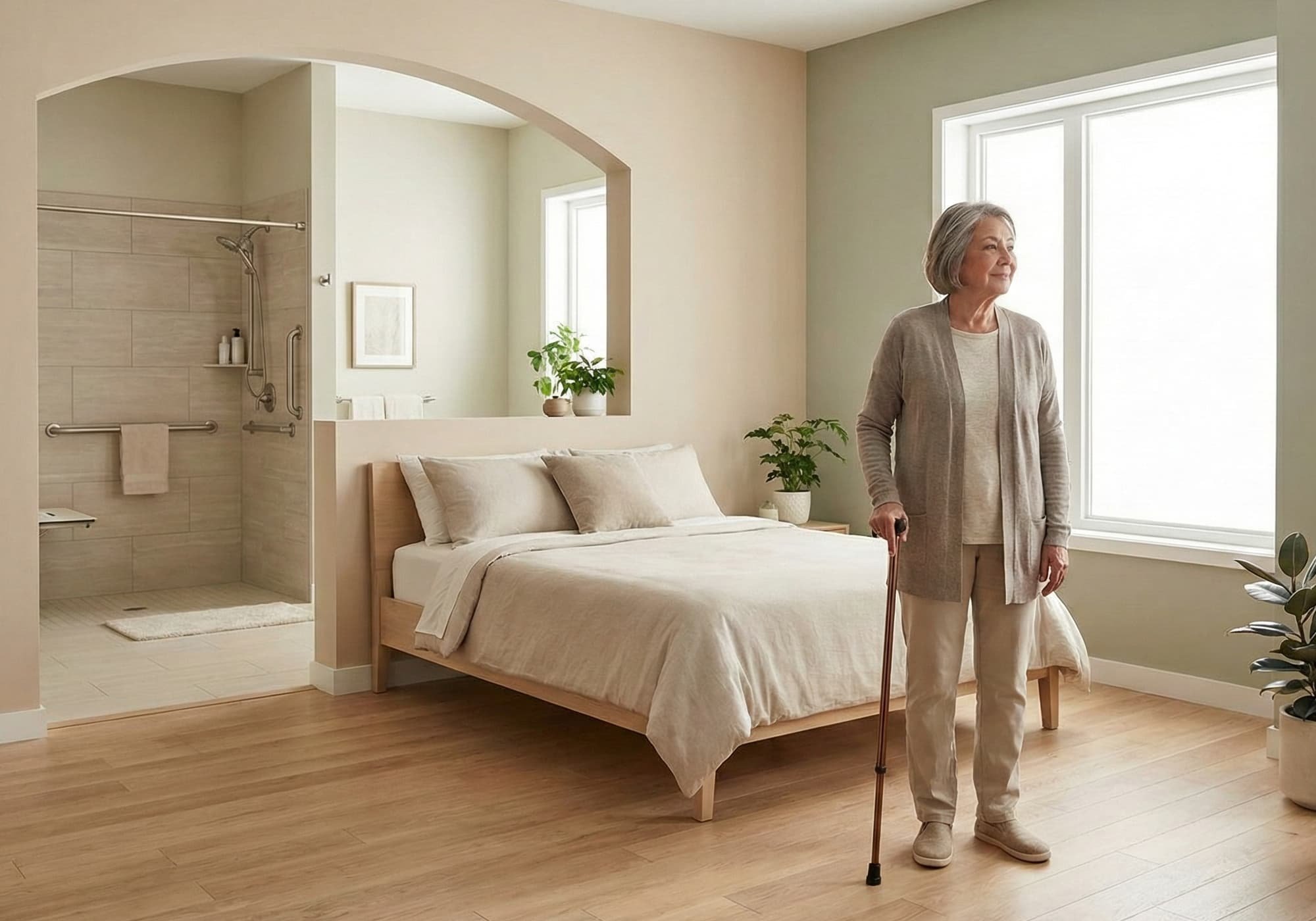
Residential spaces for the elderly
Outdoor spaces (patios, pool areas)
What Makes a Floor Slip-Resistant?
The key to non-slip flooring lies in its ability to provide friction.
Coefficient of Friction (COF): This is the measure of how resistant a floor is to slipping. Simply put, the higher the COF, the better the grip and the lower the risk of slipping. NIH research indicates that even the best floors can become hazardous due to contamination (e.g., grease or disinfectants), making it vital to choose materials that maintain grip under such conditions.
Texture vs. Coatings: Anti-slip properties can be built into the material itself (texture, abrasive particles) or achieved through specialized coatings (sealants).
Wet vs. Dry Grip: Truly non-slip flooring maintains a high level of traction even when wet.
Key Areas Where Safe Floors Are Essential
Bathrooms and Wet Rooms
Constant exposure to water and steam makes these areas high-risk zones. The Mayo Clinic specifically recommends using non-slip mats or strips in showers and tubs.
Residential Spaces for Seniors and People with Special Needs
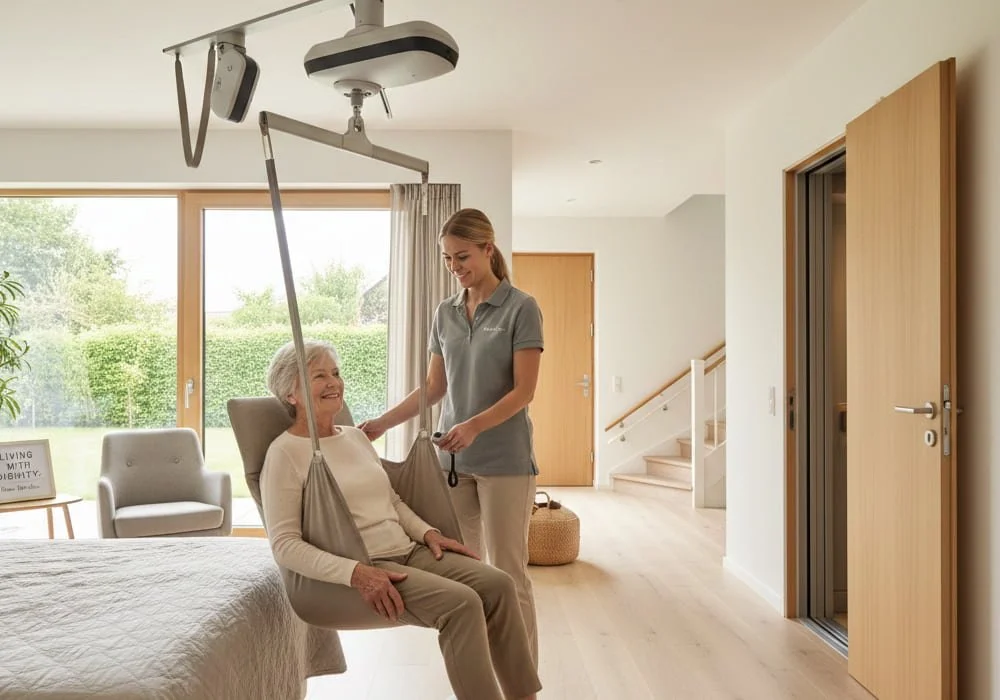
In homes where In Home Care is provided, such as by A Better Solution In Home Care, safe flooring is a basic environmental requirement. Non-slip surfacing is critical for preventing falls when moving, using walkers, or during the provision of personal care and in-home support.
Healthcare Facilities and Commercial Kitchens
Floors here face high traffic and frequent spills. Materials must be seamless, non-porous, and chemical-resistant, while maintaining a high COF despite various contaminants.
Types of Non-Slip Flooring Materials
Choosing the Right Flooring
General Selection Criteria
Residential vs. Commercial: Commercial spaces demand higher COF and wear resistance.
Moisture and Traffic: Priority should be given to maximum wet COF in high-humidity zones.
Aesthetics: Modern materials allow for a balance between safety and design.
Assessing Home Safety
If you are modifying a home or selecting a residence for a loved one, consult Senior Placement Services like Assisted Living Connections. They can help assess if the flooring meets safety standards for the elderly as part of a comprehensive care plan.
Injury Prevention
Fall prevention is key to avoiding injuries that require Wound Care. Specialized services like GotWound.com emphasize that prevention is the first step in reducing the need for complex treatment.
Subfloor Preparation: The Foundation of Success
Preparation is the most critical step. Improper preparation is a common cause of flooring failure.
Cleaning and Leveling: The subfloor must be clean, dry, free of grease, and perfectly level.
Moisture Testing: For concrete slabs, a moisture test is required. If moisture levels are high, use a vapor barrier sealant.
Tools and Installation
Essential Tools
For most jobs, you will need a tape measure, level, material cutter, notched trowel for the adhesive, and a roller for pressing down the material.
Adhesives and Sealants
Always use the adhesive and sealant recommended by the flooring manufacturer to ensure durability and maintain anti-slip properties.
Installation: DIY vs. Professional?
When DIY Makes Sense
Installing vinyl tiles or click-lock laminate in small, simple rooms can often be done by a skilled homeowner.
When to Call a Professional
For complex tile layouts, working with a challenging subfloor, or to ensure maximum safety in senior living environments, hiring a licensed professional is recommended.
Maintenance and Longevity
Maintaining Non-Slip Floors
Do: Use non-abrasive cleaners and soft-bristled brushes to clean the texture grooves.
Don't: Use wax or oil-based cleaners, as they can fill the texture and reduce the COF.
Long-Term Care
Regularly inspect the floor for damage. Note that Hospice Care (e.g., Liem Hospice), provided at home, requires safe and clean environments to ensure patient comfort and dignity.
Cost: Investing in Safety
Non-slip flooring installation is an expense that should be viewed as an investment in safety and long-term health.
Material Costs: Vary depending on the type of material (from 10 to 50+ dollars per square meter).
Long-Term Value: Reduced risk of injury and increased property value.
Safer Floors, Smarter Living
Installing non-slip flooring is a necessary step towards creating a safe and comfortable residential or commercial space. Choosing the right material and ensuring quality installation guarantees protection for you and your loved ones.
FAQ
1. Is non-slip flooring really necessary?
Yes, especially in areas prone to moisture or contamination.
2. Can I add non-slip coatings to existing floors?
Yes, there are specialized anti-slip treatments or coatings available for smooth floors (tile, concrete).
3. What is the best non-slip flooring for bathrooms?
The best options are non-slip ceramic/porcelain tile with an R10/R11 rating and non-slip vinyl.
4. Is non-slip flooring harder to clean?
Floors with heavy texture may require slightly more effort to clean. It's important to avoid products that might "fill" the texture.
You May Also Like