Real Costs vs. Real Value: Essential Help with Senior Housing
When a family begins exploring professional help with senior housing, the conversation often gravitates toward a binary choice: staying home or moving to a specialized facility. However, the modern "longevity revolution" has introduced a third, more nuanced path—transforming the existing home into a high-performance environment for health, safety, and independence. Homeowners typically evaluate such a renovation based on a single figure: the upfront price tag. Whether it is a $15,000 bathroom refresh or a $100,000 full-scale structural overhaul, these expenses are frequently viewed as a loss of liquid capital.
Yet, the true mathematics of a home renovation are far more complex. To understand the profound impact of such a project, one must weigh the initial expenditure against the long-term value, which includes financial ROI, significantly enhanced quality of life, and the vital "future-proofing" of the property as a clinical-grade residence.
Transparency in Real Costs: Beyond the Contractor’s Quote
The cost of a home modification program rarely ends with the signature on a contractor’s proposal. Effective long-term planning requires accounting for several distinct layers of expense that impact the total cost of ownership.
Direct Material and Labor Costs
This includes the hard costs of specialized equipment like stair lifts for elderly residents or structural reinforcements for ceiling lifts for home installations. When families seek to help elderly with home repairs, it is critical to select contractors who understand the biomechanics of aging. Labor costs for accessibility projects are often higher because they require precision—such as ensuring a curbless shower has the exact slope to prevent water damage while remaining wheelchair-accessible.
The Contingency Buffer and Environmental Health
Hidden issues, such as outdated wiring or structural shifts in older foundations, typically add 10–20% to the initial budget. Furthermore, modifying an older home often reveals air quality issues. Organizations like the NIH (National Institutes of Health) highlight that poor indoor air quality can exacerbate respiratory conditions in older adults. Therefore, a real cost of modification often includes upgrading HVAC filtration systems to protect the resident's health during and after construction.
Indirect "Inconvenience" and Health Maintenance Costs
The temporary disruption of daily routines during construction is a real financial factor. For residents with chronic conditions, maintaining medical schedules during a renovation is a logistical challenge. Services like Onsite Phlebotomy Solutions mitigate this by providing mobile blood draws at home or in the office. Based in Florida but serving a wide network, they allow patients to maintain critical diagnostic monitoring without the stress of navigating a construction zone to reach a distant laboratory.
Defining Real Value: The Triple Bottom Line
Value in the context of senior housing is often mistakenly equated solely with resale price. In reality, value manifests through three specific pillars: financial equity, clinical safety, and psychological well-being.
Financial ROI and Marketability
Investing in home modification for elderly and disabled individuals significantly broadens the pool of potential future buyers. As the global population ages, homes that are already equipped with "Universal Design" features—such as wider hallways and reinforced walls—become premium assets.
High Value Modifications: Minor kitchen updates, exterior ramps, and garage door replacements with smart automation often recoup 80–90% of their cost.
Protective Value: Routine maintenance of core systems ensures the home doesn't lose value due to neglect while the focus is on accessibility.
Clinical Safety and the Economics of Fall Prevention
Mayo Clinic research confirms that environmental modifications directly reduce the cognitive load and stress levels associated with navigating a home. To effectively prevent falls, which are a leading cause of hospitalization, homeowners must develop a personalized safety for older adults home checklist.
Expertise in this area is provided by Call Before You Fall, a California-based company specializing in comprehensive safety audits. They don't just sell products; they provide professional installation of ada grab bars for bathroom use and custom-engineered ramps, ensuring that every modification is biomechanically sound for the specific user.
The "Aging in Place" Strategy and Psychological Joy
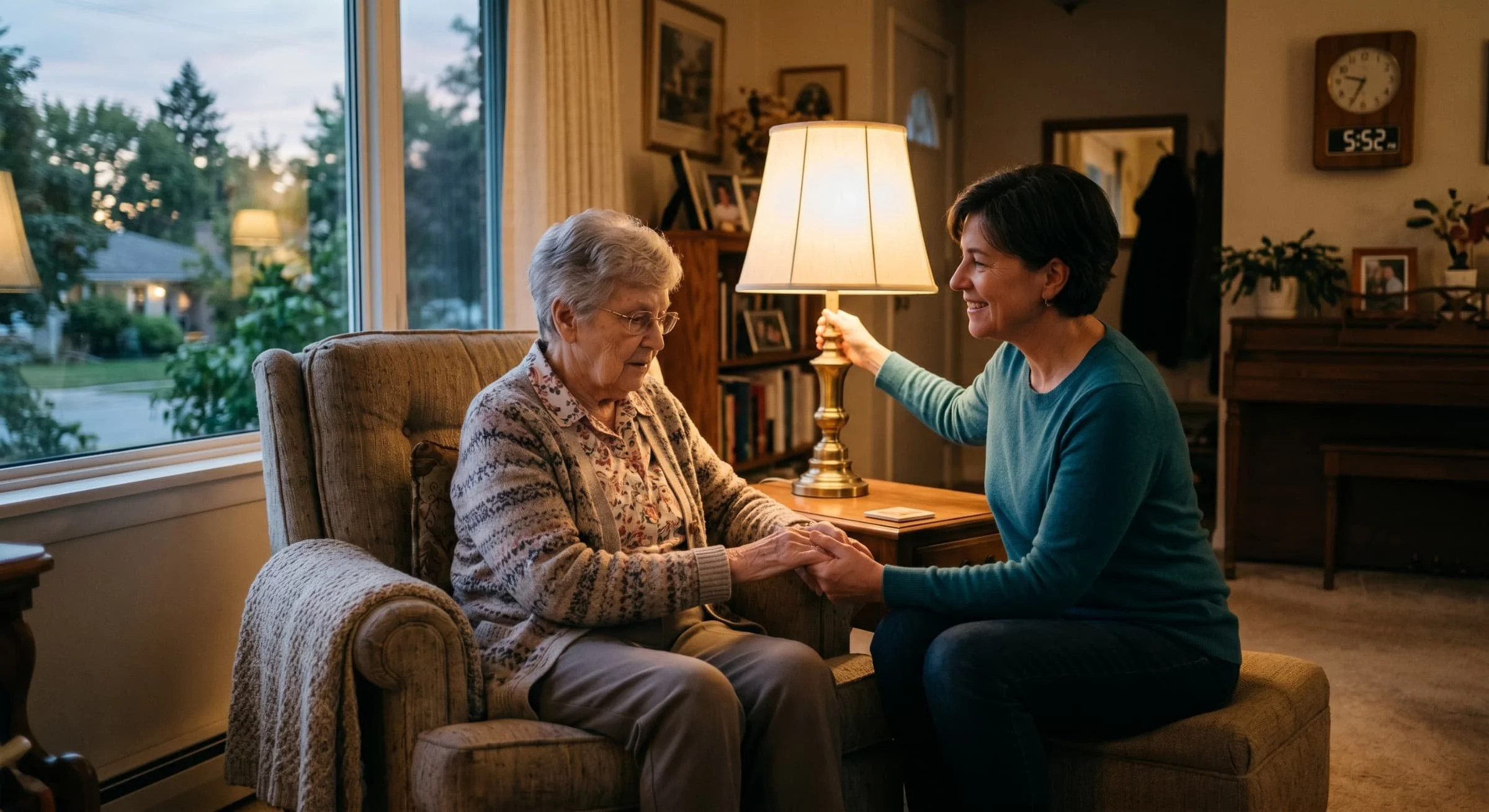
According to the NIH, the concept of aging in place home care is fundamentally tied to a sense of dignity and autonomy.
CDC (Centers for Disease Control and Prevention) data emphasizes that knowing how to prevent a fall through structural changes can prevent the "fear of falling" cycle, which often leads to sedentary behavior.
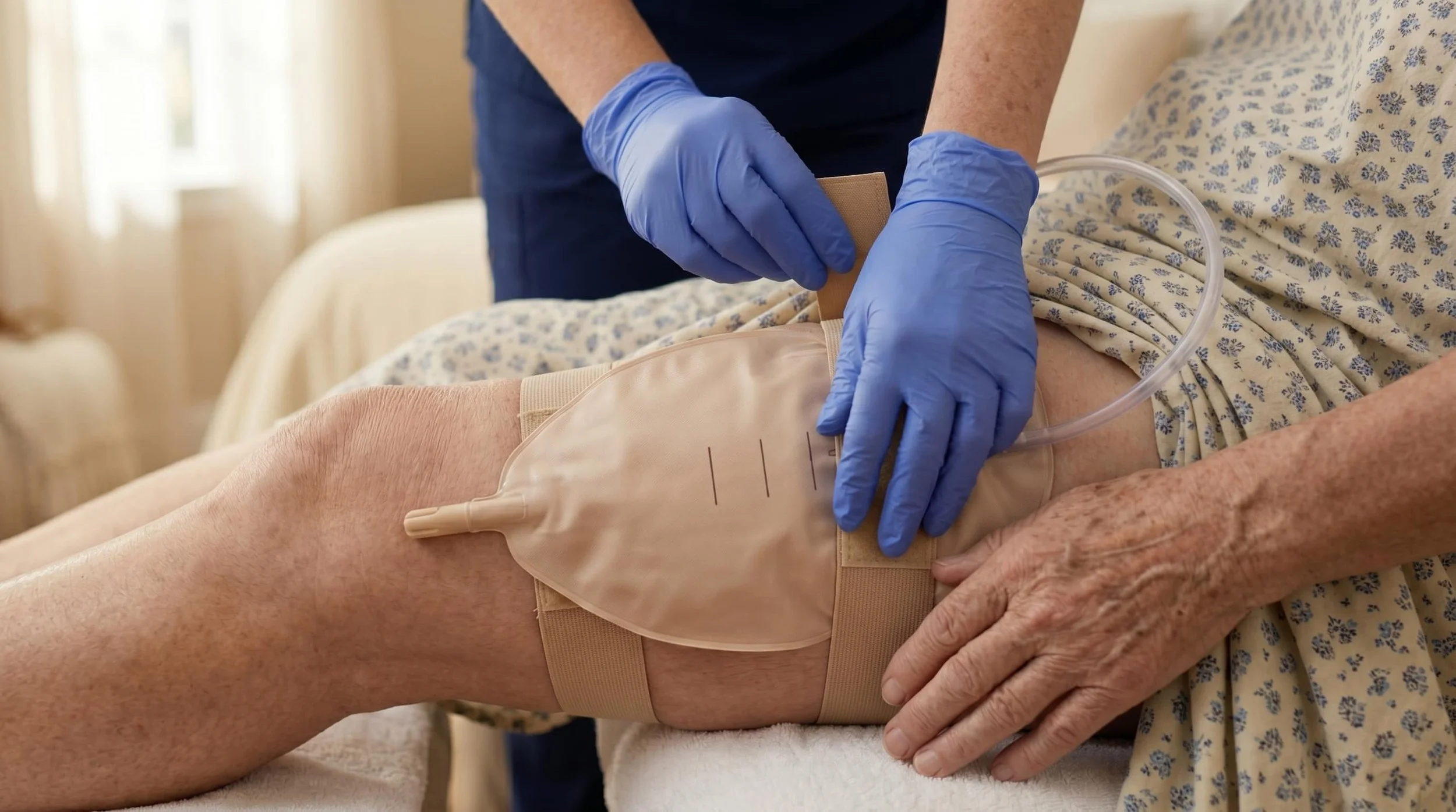
GotWound.com, a provider of advanced bedside wound care and skin substitutes across the United States, notes that a modified, accessible environment significantly accelerates healing. Their format of bringing high-level wound care directly to the bedside is much more effective when the home environment supports the patient's mobility.
Cost vs. Value Comparison Table
This table breaks down the typical investment required for key modifications versus their impact on long-term value and health.
| Project Type | Typical Cost Range | Primary Value Driver | ROI Estimate |
| Energy Efficiency | $2,000 – $15,000 | Lower utility bills & comfort | High (65–80%) |
| Stair lift for elderly | $3,000 – $15,000 | Multi-level access & autonomy | High (Lifestyle Value) |
| Toilet grab bars for elderly | $100 – $500 | Essential bathroom safety | Maximum (Health Value) |
| Wheelchair platform lift for stairs | $5,000 – $20,000+ | Full barrier-free mobility | High (Accessibility) |
| Kitchen Remodel (Accessible) | $25,000 – $70,000 | Daily usability & independence | Moderate (55–70%) |
Doctor2me: The Essential Link Between Housing and Health
A perfectly modified home is a sanctuary, but it remains incomplete without an integrated medical oversight strategy. This is where Doctor2me bridges the gap. As families invest in the physical infrastructure of a home, Doctor2me provides the human infrastructure of healthcare.
The service transforms the traditional medical model by sending the physician directly to the patient's door. This is particularly vital for residents who have just completed a home modification for elderly project. The physician can evaluate the patient within the context of their new environment, ensuring that the structural changes—like new ramps or lowered counters—are effectively supporting the patient's physical therapy goals. This level of personalized, in-home care ensures that the "Real Value" of the renovation is fully realized through better health outcomes and the prevention of re-hospitalization.
For those pursuing a holistic wellness path, Doctor2me services are complemented by specialists like Comprehensive Natural Healthcare in New York. Dr. Rekha Lund offers naturopathic solutions and nutritional support with a focus on digestive health, providing a non-invasive layer of care that aligns perfectly with the comfort of a home setting.
Strategic Financial Planning and Equity Management
Financing a major home modification program requires a sophisticated understanding of real estate equity and long-term liquidity.
Funding Strategy: Many homeowners utilize a home equity loan for seniors to fund necessary upgrades. Unlike a standard consumer loan, a real estate equity loan or property equity financing often carries lower interest rates and can be structured to minimize the impact on monthly cash flow.
The "Tax Delta": Major modifications can increase your property’s assessed value. However, in many states, modifications made for medical necessity may be exempt from increased property tax assessments or even qualify for tax credits.
Alternative Transitions: If a home cannot be safely or affordably modified, families must seek specialized help with senior housing. Senior Home Transitional Services offers free placement assistance, helping families navigate the complex landscape of senior living communities to find a residence that meets their specific clinical and social needs.
Room-by-Room Modification: A Deep Dive into Utility
To maximize both value and safety, modifications must be approached systematically, focusing on the areas of highest risk.
The Accessible Bathroom
The bathroom is statistically the most dangerous room. A high-value modification includes bathroom grab bars for elderly residents placed at transition points. ADA grab bars for bathroom installations should be reinforced with blocking behind the drywall to withstand significant weight, ensuring they don't pull out during a fall.
The Kitchen: Ergonomics and Safety
A kitchen modification should focus on "The Work Triangle" but with adjusted heights. Induction cooktops reduce fire risks, and pull-out cabinetry allows for easier access to heavy items. These changes make the home more desirable for housing for old people who still wish to cook and entertain, maintaining their social health.
Cognitive Health and Environmental Adaptation
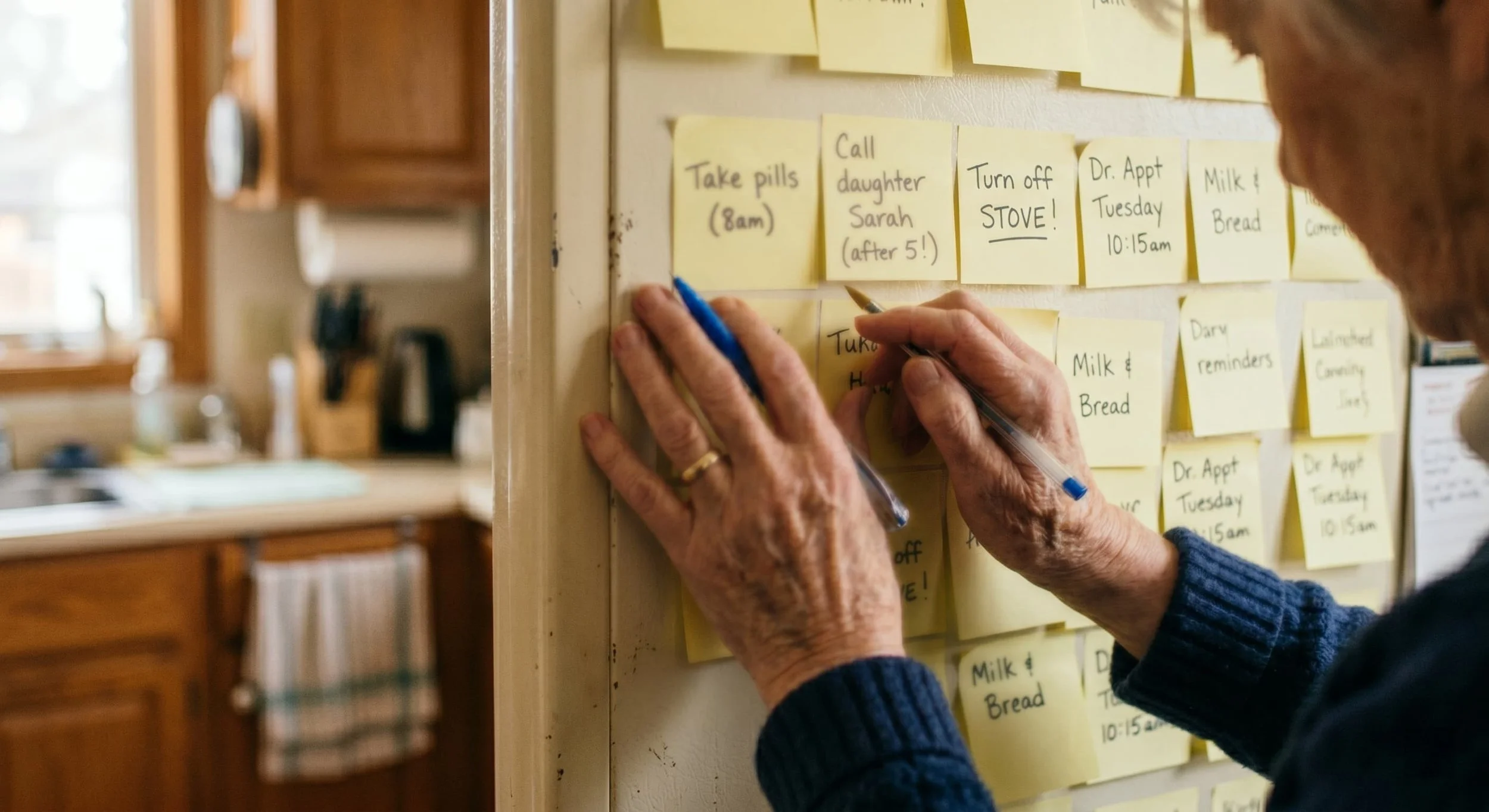
Modification isn't just about physical ramps; it’s about cognitive support. For residents facing memory challenges, the organization Dementia Partner provides essential coaching and family support. Their work involves "environmental cuing"—modifying the home’s layout, lighting, and signage to reduce confusion and anxiety for those with dementia. This type of modification provides a high "Joy Score" by allowing families to stay together longer in a low-stress environment.
Resale Considerations and Logistics
To maximize the "Real Value" at the moment of sale, homeowners must think like a future buyer. While custom features add joy, they must also be functional for the next occupant.
Logistics and Professional Mobility
The value of a modified home is also tied to how well it connects the resident to the outside world. MediZoom Transportation, LLC, serving Southern California, provides professional door-to-door gurney and wheelchair transport. Their service highlights the importance of exterior modifications, such as wide entryways and proper driveway grading. A home that is "transport-friendly" ensures that the resident can attend specialized medical appointments or social events with dignity and ease.
The "Five-Year Rule" and Timing
Short-Term (<2 years): Focus on cosmetic updates and essential safety installs like toilet grab bars for elderly safety.
Mid-Term (2–7 years): The ideal time for major kitchen and bath accessibility renovations.
Long-Term (7+ years): Focus on the foundation of health. Professional geriatric support during this period can be managed by experts like Rebecca Cook, M.D., a Sun City, Arizona-based physician. Dr. Cook specializes in comprehensive in-home geriatric assessments, ensuring that as the home evolves, the medical care plan evolves with it to manage complex chronic conditions.
Impact on Market Appeal and Resale Table
This table outlines how different modifications affect the speed and price of a future home sale.
| Modification | Impact on Sale Speed | Impact on Sale Price | Resale Risk |
| Neutral Decor & Lighting | Very High | Moderate | Very Low |
| Kitchen/Bath Accessibility | High | High | Low |
| Converting Garage to Gym | Low | Negative / Neutral | High (Loss of parking) |
| Smart Home Tech | Moderate | Low | Moderate (Tech dates quickly) |
| New Roof / Windows | Moderate | Protective | Very Low |
The real cost of a home modification is a deliberate allocation of capital today to ensure a life of safety, autonomy, and dignity tomorrow. Research from the CDC and Kaiser Permanente consistently shows that a well-adapted home is the most effective tool for maintaining both physical health and financial stability. By distinguishing between "renovating for the next owner" and "investing in a lifetime of wellness," families can make informed decisions that pay dividends every single day.
FAQ
What are the "hidden" costs associated with home modifications?
Beyond the initial contractor's quote for labor and materials, homeowners must account for a 10–20% contingency buffer for unforeseen structural or environmental issues, as well as indirect costs like temporary lifestyle disruptions and the need for mobile medical services during construction.
How do home modifications contribute to a resident's clinical safety?
Structural adaptations, such as installing ADA-compliant grab bars and curbless showers, are specifically designed to prevent falls, which the CDC identifies as a leading cause of injury and significant medical expense for older adults.
Is it possible to recoup the investment made into home modifications?
Yes, high-value projects like minor kitchen updates and garage door replacements can recoup between 80–90% of their cost, while "Universal Design" features—such as wider hallways—broaden the pool of potential buyers and increase overall property marketability.
What is the "Five-Year Rule" for determining which modifications to make?
This rule suggests that if you plan to sell within two years, you should focus on low-cost cosmetic "flips" and basic safety features; however, if you plan to stay for five or more years, you should invest in structural, durability-focused upgrades that maximize your long-term quality of life.
How does a service like Doctor2me complement a modified home environment?
Doctor2me provides the "human infrastructure" of healthcare by sending physicians directly to the residence, allowing them to evaluate the patient within their newly adapted environment to ensure that modifications effectively support their specific medical and physical therapy goals.
What financial strategies are commonly used to fund help with senior housing modifications?
Homeowners often utilize home equity loans for seniors, property equity financing, or real estate equity loans, which typically offer more favorable interest rates and structures for maintaining long-term liquidity than standard consumer loans.
Why is the "Joy Score" important in home renovations?
The Joy Score measures the psychological well-being and happiness a resident derives from a safe and beautiful environment; according to the NIH, this sense of autonomy and dignity is a fundamental component of successful aging in place.
You May Also Like