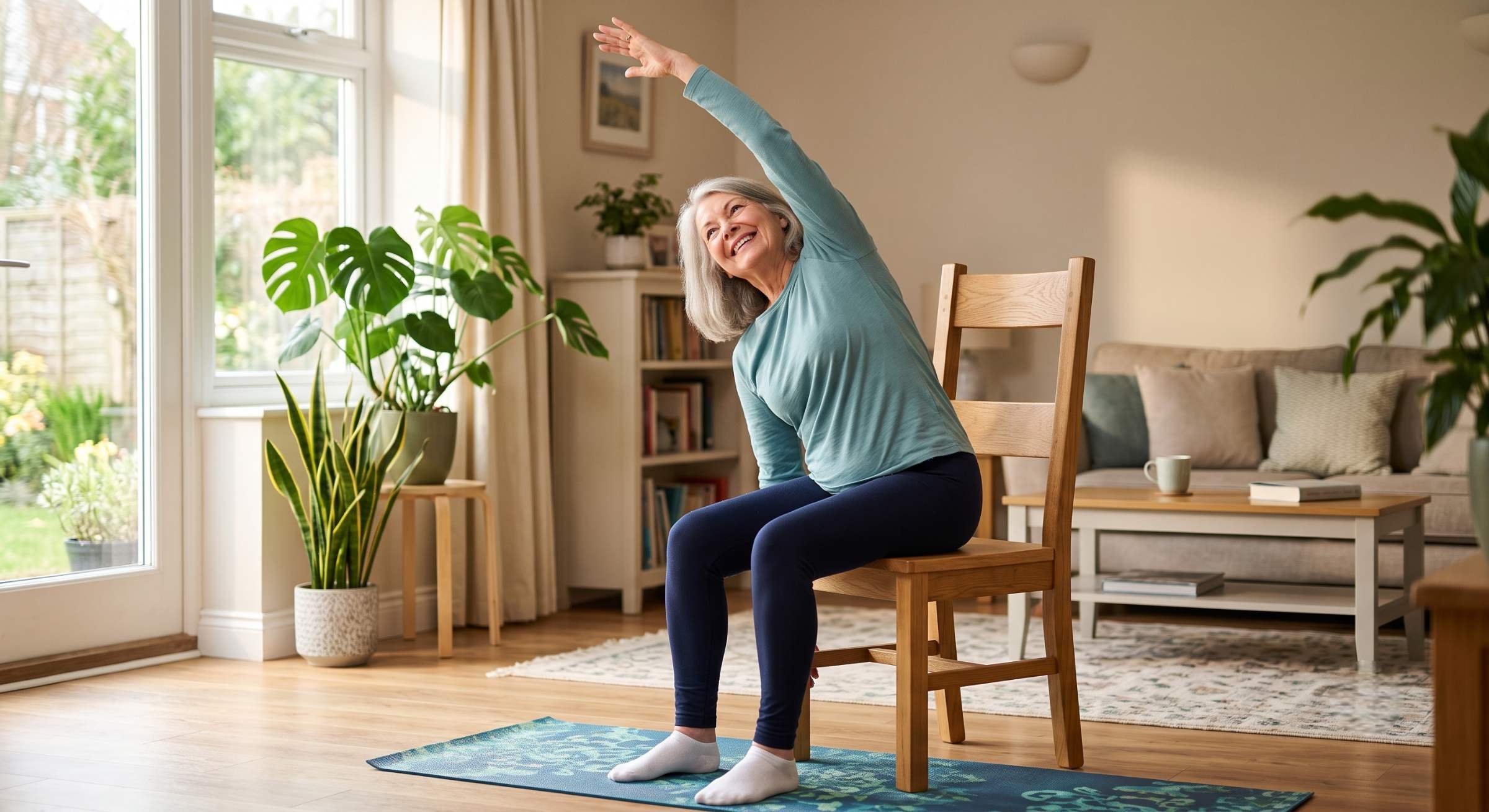
Stress Reduction and Management: Essential Habits for a Healthier Life
In the fast-paced environment of 2026, the concept of stress reduction and management has transitioned from being a mere lifestyle trend to a critical pillar of clinical preventative medicine.
As global connectivity increases and the boundaries between professional and personal life blur, chronic stress has become a silent epidemic. However, the physiological response to stress is not just a psychological state; it is a complex cascade of hormonal changes that, if left unaddressed, can fundamentally alter an individual’s health trajectory.
The National Institutes of Health (NIH) have consistently pointed out that while short-term stress—the "fight or flight" response—was evolutionary designed to protect humans from immediate danger, modern chronic stress keeps the body in a state of constant high alert. This persistent elevation of cortisol and adrenaline can lead to the suppression of the immune system, chronic inflammation, and severe disruptions in digestive and reproductive health.
In this context, medical experts at RW Family Practice & Preventative Care, a premier health facility in Southern California, emphasize the importance of a proactive approach. Their practice focuses on comprehensive family wellness and preventative screenings, helping patients identify the subtle physical markers of chronic stress before they manifest as debilitating illnesses. By integrating personalized health assessments with stress-reduction strategies, they provide a necessary foundation for long-term resilience.
The Immediate Response: Rapid Techniques for Stress Reduction
When an individual experiences an acute stress spike, the sympathetic nervous system takes control, increasing heart rate and shallowing the breath. To counteract this, one must employ specific techniques for stress reduction that signal the parasympathetic nervous system to initiate the "rest and digest" mode.
The Science of Deep Breathing
One of the most effective tools is deep breathing for stress reduction. Methods such as "box breathing"—where one inhales, holds the breath, exhales, and pauses for a count of four—are not just relaxation exercises; they are physiological "hacks."
By consciously controlling the breath, the individual stimulates the vagus nerve, which sends a direct signal to the brain to lower the heart rate and reduce blood pressure. This immediate intervention can be performed anywhere, from a high-pressure boardroom to a quiet home setting, making it a universal tool for mental clarity.
The 5-4-3-2-1 Grounding Method
When anxiety causes the mind to race into hypothetical future scenarios, grounding techniques serve to pull the consciousness back to the present. The "5-4-3-2-1" method involves identifying:
Five things you can see
Four things you can touch
Three things you can hear
Two things you can smell
One thing you can taste
This sensory engagement interrupts the loop of stressful thoughts and anchors the individual in their immediate environment.
Information Hygiene as Natural Stress Reduction
The Centers for Disease Control and Prevention (CDC) have highlighted the impact of "information overload" on mental health. Engaging in a conscious "media diet" is an essential form of natural stress reduction.
By limiting the constant intake of news and social media notifications, individuals can significantly decrease the frequency of cortisol spikes triggered by global or social stressors.
Physiological Resilience: Movement and Recovery
The physical body is often the first place where stress is stored, manifesting as muscle tension, headaches, and fatigue. Addressing these symptoms requires a multi-pronged approach involving physical activity and therapeutic recovery.
The Synergistic Relationship of Exercise and Stress Reduction
It is a well-documented medical fact that exercise and stress reduction are two sides of the same coin. Physical exertion helps the body metabolize and clear out excess stress hormones like adrenaline.
Whether it is a vigorous gym session or a simple 20-minute walk in a local park, movement stimulates the production of endorphins—the body’s natural mood elevators.
For those seeking a more structured approach to physical and mental harmony, yoga for stress reduction offers a unique combination of isometric strengthening, flexibility, and meditative focus. Yoga encourages the practitioner to align their movement with their breath, creating a state of "flow" that has been shown to reduce markers of inflammation in the blood.
Similarly, regular massage and stress reduction therapies work to physically break down the "armoring" or muscle knots that form during periods of high anxiety, facilitating better lymphatic drainage and circulation.
Mobile Diagnostics: Peace of Mind without the Commute
Sometimes, the physical symptoms of stress—such as chest tightness or heart palpitations—can lead to further anxiety about one's health status. In such cases, the stress of traveling to a busy hospital for testing can exacerbate the problem.
Gentry Imaging, a leading provider of mobile diagnostic services in Southern California, addresses this by bringing high-tech medical imaging directly to the patient’s residence. By offering bedside X-rays, Ultrasounds, and EKGs, they provide immediate clinical answers in the comfort of the home.
This "white-glove" approach to diagnostics removes the environmental stressors of clinical waiting rooms and allows for a more relaxed and accurate diagnostic process.
Redefining the Healthcare Experience: The Doctor2me Model
In the pursuit of health, the traditional journey to a doctor’s office is often fraught with stressors: traffic congestion, parking difficulties, and exposure to other illnesses in crowded waiting areas. For an individual already struggling with emotional burnout, these hurdles can become insurmountable barriers to care.
This is where Doctor2me transforms the patient experience. By shifting the locus of care from the clinic to the home, Doctor2me ensures that medical attention is provided in the most comfortable and safe environment possible.
When a doctor visits a patient at home, the power dynamic shifts toward the patient’s comfort. There is no "white coat hypertension" caused by a sterile clinic environment. Instead, the physician can observe the patient in their natural habitat, leading to a more holistic understanding of their lifestyle and stressors.
This service is designed for speed, convenience, and absolute privacy, allowing patients to receive high-quality medical consultations without the logistical strain that typically accompanies a doctor's visit. For those seeking a stress reduction method that prioritizes their time and mental well-being, home-based care is the gold standard of modern medicine.
Strategic Relaxation: A Roadmap for Personalized Care
Effective stress management is not a one-size-fits-all solution; it requires a diverse toolkit of stress reduction relaxation techniques that can be scaled according to the time available.
| Information | Details |
| 2–5 Minutes | Diaphragmatic breathing exercises help stabilize the autonomic nervous system and reduce acute stress. |
| 10–20 Minutes | Progressive muscle relaxation supports gradual release of physical tension and improves body awareness. |
| 30–45 Minutes | Focused yoga sessions improve flexibility and help lower cortisol levels associated with chronic stress. |
| 60+ Minutes | Professional massage supports deep tissue recovery and enhances parasympathetic nervous system activity. |
By utilizing this structured approach, individuals can integrate small windows of recovery into even the most demanding schedules, ensuring that stress does not accumulate to the point of a health crisis.
Social Dynamics and the Weight of Caregiving
A significant but often overlooked source of chronic stress is the "sandwich generation" phenomenon—adults who are simultaneously raising children and caring for aging parents. The psychological toll of caregiving can lead to severe burnout, as the individual often neglects their own needs to provide for others.
According to research from the Kaiser Permanente Division of Research, chronic caregiver stress is a major risk factor for cardiovascular disease. To mitigate this, delegating responsibility is not just helpful; it is medically necessary.
This is where organizations like Total Senior play a vital role. Operating throughout Southern California, they offer expert, no-cost senior placement and advisory services. By helping families navigate the complex world of assisted living, board and care, and specialized memory care, Total Senior alleviates the immense administrative and emotional burden of elder care.
Their personalized approach ensures that families can make informed decisions about their loved ones' safety and comfort, thereby significantly reducing the domestic stressors that contribute to family-wide burnout.
Long-Term Strategies: Mindfulness, Nutrition, and Supplementation
While immediate techniques are essential for managing spikes, long-term stress reduction and management require a foundational shift in lifestyle habits, focusing on how we nourish our minds and bodies.
The Clinical Power of Mindfulness
Mindfulness and stress reduction are now backed by decades of neuroscientific research. The NIH has funded numerous studies showing that consistent meditation for stress reduction can actually change the gray matter density in parts of the brain associated with memory, sense of self, and stress regulation.
By practicing non-judgmental awareness, individuals learn to observe their stressors without becoming emotionally hijacked by them. This creates a "buffer zone" between a stressful event and the body's reaction to it.
Nutritional Support and the Gut-Brain Axis
The foods we consume directly impact our ability to handle pressure. A diet high in processed sugars can lead to blood sugar crashes that mimic the feelings of anxiety. Conversely, focusing on foods for stress reduction—such as those rich in Omega-3 fatty acids (salmon, walnuts), complex carbohydrates (oatmeal, quinoa), and antioxidants (blueberries, leafy greens)—provides the brain with the steady energy it needs.
Furthermore, supplementation can be a powerful ally:
Vitamin for stress reduction: B-complex vitamins are essential for nerve function and the production of neurotransmitters like serotonin. Vitamin D and Magnesium are also critical for stability.
Stress reduction tea: Rituals involving herbal teas such as ashwagandha, chamomile, or valerian root serve as a signal to the body to begin its evening wind-down process.
Natural stress reduction: Spending time in nature, often referred to as "forest bathing," has been clinically shown to lower blood pressure and improve immune function.
Building a Sustainable Future of Wellness
In conclusion, achieving lasting health in an era of constant demand requires a multi-faceted strategy. It begins with the recognition that stress is a physical reality that demands a physical and medical response.
Whether it is through the preventative expertise of RW Family Practice & Preventative Care, the diagnostic convenience of Gentry Imaging, or the compassionate placement services of Total Senior, support systems are available to help manage life's heaviest burdens.
Furthermore, the rise of on-demand medical services like Doctor2me signifies a shift toward a more empathetic, patient-centered healthcare model where the reduction of stress is built into the very delivery of care. By combining these professional services with personal practices like meditation for stress reduction and regular exercise, any individual can build a robust "stress-shield."
The journey to wellness is not about the total elimination of stress—which is impossible—but about the development of a resilient system that can process, manage, and recover from it.
FAQ
1. What does stress reduction mean and what is its definition in psychology?
In psychology, stress reduction refers to various strategies and techniques aimed at decreasing a person's level of physical or mental tension. It involves physiological interventions to lower the "fight or flight" response and cognitive strategies to change how an individual perceives and reacts to stressors. Another word for stress reduction is stress management or relaxation therapy.
2. What is Mindfulness-Based Stress Reduction (MBSR)?
Mindfulness-Based Stress Reduction (MBSR) is a structured, evidence-based program that combines mindfulness meditation, body awareness, and yoga. Originally designed for patients with chronic pain or illness, it is now widely used in clinical and secular settings (including the NHS) to help individuals manage stress, anxiety, and depression.
3. Who created the MBSR program and how does it work?
The program was created by Jon Kabat-Zinn at the University of Massachusetts Medical School in 1979. It works by training the brain to focus on the present moment without judgment. This process shifts the user's relationship with stressful thoughts and physical sensations, reducing the intensity of the body’s reactive stress response.
4. What are common stress reduction techniques?
The most common and effective methods include deep breathing (diaphragmatic breathing), progressive muscle relaxation, mindfulness meditation, guided imagery, and regular physical activity. Natural methods also involve a healthy diet, adequate sleep, and spending time in nature.
5. Which aspect of yoga is particularly beneficial for stress reduction and mental well-being?
While all of yoga is helpful, the combination of Pranayama (controlled breathing) and Asanas (physical postures) is most beneficial. These aspects work together to regulate the nervous system and release physical tension stored in the body. Hatha or Yin yoga is often cited as particularly effective for mental well-being.
6. What is the efficacy of mindfulness-based stress reduction?
Clinical research shows high efficacy for MBSR in reducing cortisol levels, improving sleep quality, and decreasing symptoms of anxiety and chronic pain. It is recognized as a powerful tool in preventative medicine and psychological therapy.
7. What is not a mindfulness-based stress reduction strategy?
Strategies that involve avoidance, suppression of emotions, or distraction (such as "numbing" with social media or substances) are not mindfulness-based. Mindfulness requires active, non-judgmental awareness of the stressor rather than trying to ignore or escape it.
8. What is an example of an unhealthy stress reduction strategy?
Unhealthy strategies, often called "maladaptive coping," include overeating (stress eating), excessive alcohol consumption, smoking, or social withdrawal. While these may provide temporary relief, they ultimately increase the physiological and psychological burden on the body.
9. How can I learn MBSR or become a certified teacher?
To learn, you can enroll in an 8-week MBSR program offered by certified clinics or universities. To become a certified teacher, you must undergo rigorous training through authorized institutions, which typically includes several years of personal mindfulness practice, foundational courses, and supervised teaching residencies.
10. What kind of meditation can you do for stress reduction?
Beyond mindfulness, you can practice Loving-Kindness meditation (Metta), Body Scan meditation, or Transcendental Meditation. Each serves to calm the mind and shift the focus away from cyclical, stressful thinking patterns.
You May Also Like