Effective Muscle Relaxer Non Prescription: Best Options for Muscle Spasms and Neck Pain
Table of Contents
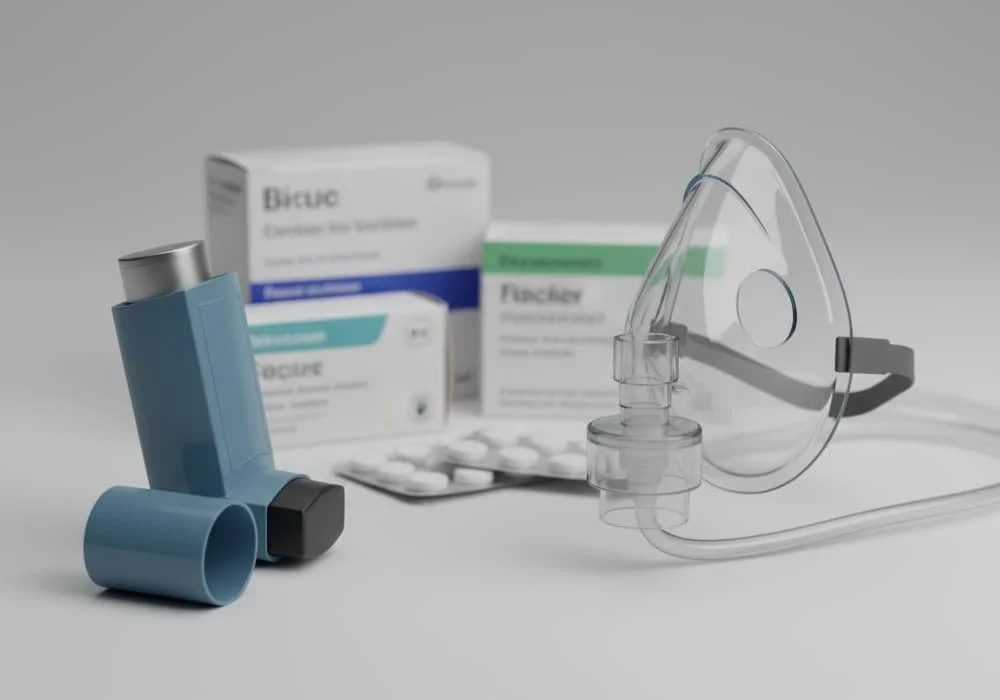
When seeking ways to quickly alleviate muscle tension, it is important to understand that true central-acting muscle relaxants (such as cyclobenzaprine or tizanidine) are strictly prescription-only medications. For effective and safe relief without a doctor's script, the optimal choice is a muscle relaxer non prescription approach, which involves a combination of nonsteroidal anti-inflammatory drugs (Naproxen, Ibuprofen), topical warming ointments, and magnesium supplements.
Why Do Traditional Muscle Relaxants Require a Prescription?
Central muscle relaxants work directly on the nervous system to "forcefully" relax skeletal muscles. Due to their profound impact on nerve conduction, these medications carry significant risks: they can cause a sharp drop in blood pressure, severe drowsiness, and the potential for dependency. Consequently, updated pain management guidelines from the Mayo Clinic and the National Institutes of Health (NIH) emphasize starting with safer, accessible over-the-counter methods before considering prescription muscle relaxants.
In situations where acute pain limits mobility, utilizing an urgent care in near me provider is often the fastest way for many patients to find a nearest doctor to me. You can easily choose the right specialist online, ensuring a timely consultation and an accurate diagnosis without the long wait times in crowded clinics.
Understanding the "Pain-Spasm-Pain" Cycle
To effectively use muscle relaxants otc, one must understand why muscles seize up in the first place. When a muscle is injured or overworked, it sends pain signals to the brain. The brain responds by causing the muscle to contract to protect the area from further movement. This contraction compresses blood vessels, reducing oxygen flow and causing lactic acid buildup, which creates more pain. This self-perpetuating loop is known as the "pain-spasm-pain" cycle.
Breaking this cycle requires a multi-faceted approach. While many search for strong muscle relaxers over the counter, the most effective strategy often involves addressing both the chemical inflammation and the physical tension simultaneously.
Over-the-Counter Strategy: Choosing Effective Options
When looking for the best muscle relaxant over the counter alternatives, specialists typically point toward medications that eliminate the inflammation and swelling that trigger muscle guarding and spasms.
1. Systemic Pain Relief (NSAIDs)
A common question arises: is ibuprofen a muscle relaxer? From a medical standpoint, ibuprofen is not a direct muscle relaxer; however, it effectively reduces the inflammatory process. Once the swelling subsides, the muscle stops contracting defensively and begins to relax naturally.
Naproxen (Aleve): Frequently cited in pain management literature for its long-lasting anti-inflammatory effect (up to 12 hours).
Ibuprofen (Advil/Motrin): The standard for quickly addressing acute pain by inhibiting COX enzymes.
Acetaminophen (Tylenol): While not an anti-inflammatory, it effectively blocks pain signals to the brain and is highly recommended as a safe pain-relief alternative for those who cannot tolerate NSAIDs.
For those who prefer a personalized approach, independent concierge providers offer home medical visits, where a provider travels directly to the patient's home to perform an exam and, if appropriate, prescribe a treatment plan.
2. Topical Therapy (Gels and Ointments)
The CDC Clinical Practice Guidelines recommend maximizing the use of topical nonpharmacologic and nonopioid therapies, as they act locally with fewer systemic side effects. For external use, literature highlights:
Diclofenac Gels (Voltaren): These effectively reduce local inflammation in the tissues.
Menthol or Camphor-based Rubs (e.g., Biofreeze, IcyHot): These provide a cooling sensation followed by warmth, acting as a counter-irritant to distract the brain from the pain while gently encouraging local muscle relaxation.
The Impact of "Text Neck" and Modern Posture
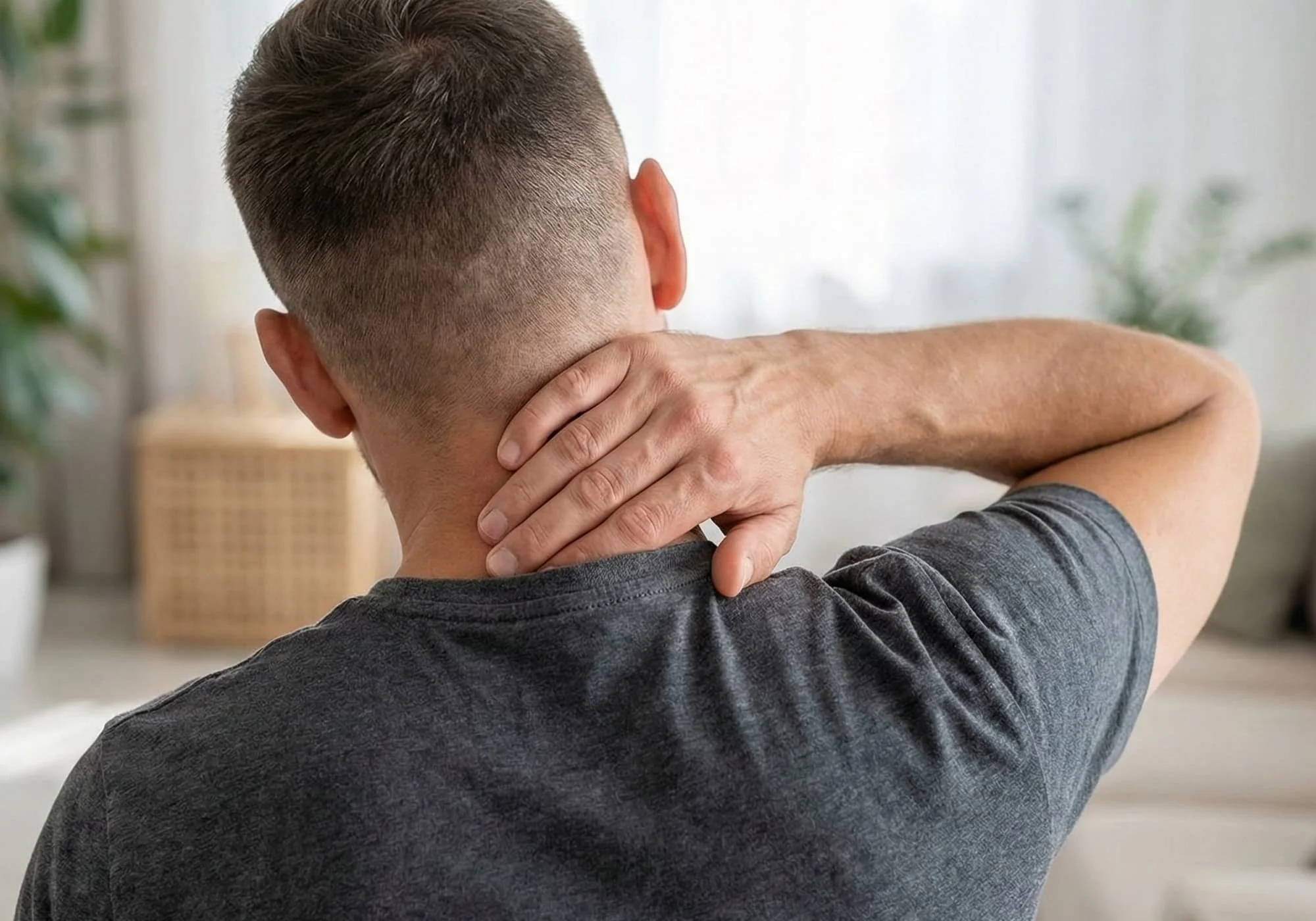
In the digital age, a significant percentage of neck spasms are caused by "text neck"—the strain put on the cervical spine by looking down at smartphones or monitors for extended periods. The human head weighs approximately 10–12 pounds; however, when tilted forward at a 60-degree angle, the strain on the neck muscles increases to an staggering 60 pounds.
This chronic strain leads to myofascial trigger points—small "knots" in the muscle that stay permanently contracted. While a muscle relaxer non prescription might mask the pain, long-term relief requires ergonomic adjustments. Using a laptop stand or an external monitor to keep the screen at eye level can prevent the recurrence of these spasms.
The Convenience of In-Home Care
At times when a neck spasm makes driving or waiting in a clinic impossible, in-home care offers a modern option. Instead of searching for what is a good over the counter muscle relaxer, a patient can have an independent, licensed provider come directly to them.
The primary advantages of this format include:
Efficiency: An independent provider arrives in the shortest time possible.
Stress Reduction: The examination is conducted in the comfort of the home.
Precision: The provider helps determine which best muscle relaxer otc will be effective for the specific case or provides a prescription for stronger medication if needed.
Integrative Relief: Beyond Medication
To enhance the effect of over the counter muscle relaxer medicine, one should look at integrative methods that support the body's natural ability to relax.
Hydration and Electrolytes
Muscles require a delicate balance of electrolytes—sodium, potassium, and calcium—to contract and relax. Dehydration is a common, yet overlooked, cause of muscle cramping. Ensuring adequate water intake can sometimes be as effective as a muscle relaxer non prescription for minor spasms.
Thermal Therapy Protocols
Modern physical therapy guidelines suggest a targeted approach depending on the cause of the spasm:
Thermotherapy (Heat): Often preferred immediately for tension-related muscle spasms (like "text neck"). Heat dilates blood vessels, flushes out lactic acid, and physically helps contracted muscle fibers to loosen.
Cryotherapy (Cold): Best reserved for acute, sharp pain from a fresh physical injury (like a sudden sprain) to numb the area.
Magnesium: The Natural Relaxant
In clinical biochemistry, magnesium acts as a natural calcium channel blocker. Because calcium facilitates muscle contraction, magnesium assists in the relaxation phase. Recent nutritional studies (2024) often reference magnesium glycinate or citrate as supportive options for muscle function.
Advanced Diagnostics and Rehabilitation
When pain is persistent, medical protocols require looking deeper than surface-level symptoms. In complex cases, portable medical imaging services allow for X-rays or ultrasounds to be performed right in the patient's home. Ordering mobile diagnostics helps quickly clarify the cause of the pain.
Professional Physical Recovery
Proper recovery protocols help prevent recurrent spasms. Specialized independent home physical therapy providers offer personalized rehabilitation services, developing individualized exercise programs based on current physical therapy standards to strengthen the muscular frame.
Supportive Equipment
To ensure correct cervical alignment, independent suppliers of durable medical equipment offer a wide range of cervical collars, orthopedic pillows, and supportive devices that meet current medical equipment standards.
Risk and Safety: CDC and CMS Guidelines
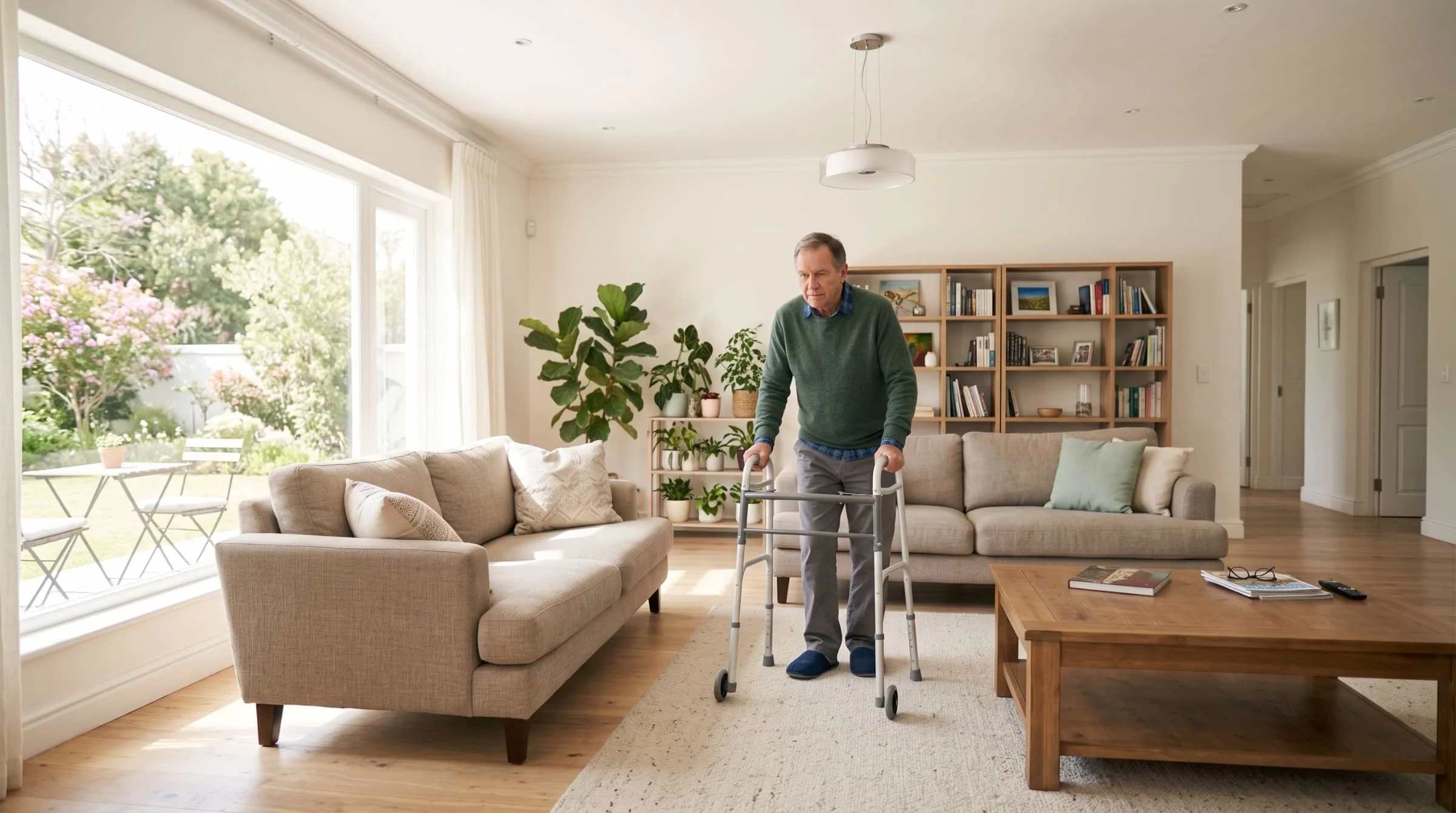
Special attention must be paid to older patients. According to the recently updated American Geriatrics Society (AGS) Beers Criteria (2023), which informs CMS guidelines, traditional prescription muscle relaxants are classified as high-risk medications for individuals over 65 due to the increased danger of falls, cognitive impairment, and adverse drug interactions.
Identifying "Red Flag" Symptoms
While most neck pain is muscular, some symptoms indicate a more serious underlying condition. You should stop using muscle relaxants otc and seek immediate medical attention if you experience:
Fever and Chills: This could indicate an infection such as meningitis.
Unexplained Weight Loss: This may be a sign of a systemic issue or malignancy.
Radiculopathy: Pain that shoots down the arm, often accompanied by "pins and needles" or numbness, suggesting nerve root compression or a herniated disc.
Loss of Fine Motor Skills: Difficulty buttoning a shirt or dropping objects frequently.
Comparison of Popular Approache
| Type of Treatment | Example | Primary Effect | Recommendation Source |
| Systemic NSAIDs | Naproxen | Reduces inflammation and pain | NIH / Mayo Clinic |
| Local Gels | Diclofenac | Localized pain relief | CDC |
| Home Visit | In-home visit | Accurate diagnosis and comfort | Modern standard |
| Physical Therapy | Exercises | Corrects the cause of spasm | Kaiser Permanente |
| Minerals | Magnesium | Natural chemical relaxation | Holistic practice |
The neck is a delicate highway for nerves and blood vessels supplying the brain. While a muscle relaxer non prescription can provide much-needed temporary relief, true recovery involves a combination of medical consultation, ergonomic awareness, and proper physical rehabilitation. Over-the-counter relaxers are only one piece – there are several options for managing pain at home worth reviewing with a provider. A timely consultation with a licensed provider ensures that you aren't just masking a symptom, but addressing the root cause of your pain.
A timely consultation with an independent, licensed provider ensures that you aren't just masking a symptom, but addressing the root cause of your pain.
FAQ
Are there any true muscle relaxants available without a prescription?
Strictly speaking, no. Medications that directly relax skeletal muscles by acting on the central nervous system (like Cyclobenzaprine or Baclofen) require a prescription from a licensed physician. However, a muscle relaxer non prescription approach—combining NSAIDs like Naproxen with magnesium and topical gels—is an effective and legal way to achieve similar results for most muscle spasms.
Is Ibuprofen actually a muscle relaxer?
It is a common misconception, but the answer is no. Ibuprofen is a nonsteroidal anti-inflammatory drug (NSAID). While it doesn't "tell" the muscle to relax directly, it reduces the chemical inflammation and swelling that cause the muscle to seize up in the first place. By removing the pain trigger, the muscle is finally able to let go of the spasm.
What is the best muscle relaxant over the counter for neck pain?
For long-lasting relief, Naproxen (Aleve) is often considered the best muscle relaxant over the counter because it provides up to 12 hours of anti-inflammatory action. When paired with a topical Diclofenac gel (like Voltaren), you get both systemic and localized relief, which is often more effective than taking a single pill.
Why shouldn't I just try to find "stronger" muscle relaxers online?
Safety is the main concern. Prescription muscle relaxants can cause significant drowsiness, a drop in blood pressure, and can be habit-forming. For seniors, these risks are even higher; according to CMS, they significantly increase the chance of falls and confusion. It is always safer to start with OTC options or consult a doctor who can visit you at home.
Can I get a diagnosis for my neck pain without going to an Urgent Care center?
Absolutely. In-home care services can send an independent, licensed provider directly to your home, offering professional medical assistance right in your living room, which is ideal when a neck spasm makes driving painful or dangerous.
How does magnesium help with muscle spasms?
Think of magnesium as nature’s "off switch" for muscles. While calcium causes muscles to contract, magnesium blocks calcium to help them relax. If you are looking for strong muscle relaxers over the counter that aren't pharmaceuticals, a high-quality magnesium glycinate supplement is often the best natural alternative.
When is it time to stop using OTC meds and see a specialist?
If your pain radiates down your arm, if you feel "pins and needles" in your fingers, or if you notice any muscle weakness, stop self-treating immediately. These are "red flags" that a nerve might be compressed. If muscle relaxants otc don't provide relief within 72 hours, it’s time to call a professional for an exam or mobile imaging.
Is heat or ice better for a "stiff neck"?
It depends on the cause. For a fresh injury or sudden sprain, ice is best initially to numb the sharp pain. However, for a "stiff neck" caused by tension, stress, or poor posture, modern physical therapy guidelines recommend heat right away. A heating pad or a warm shower encourages blood flow and helps tight muscle fibers stretch out.
You May Also Like