
Your Care Guide

Hip Replacement Rehab: A Step-by-Step Recovery Timeline from 0 to 12 Weeks
Hip replacement is major surgery, but for most people it helps restore mobility and reduce pain. Recovery is gradual and requires time, movement, and proper support.
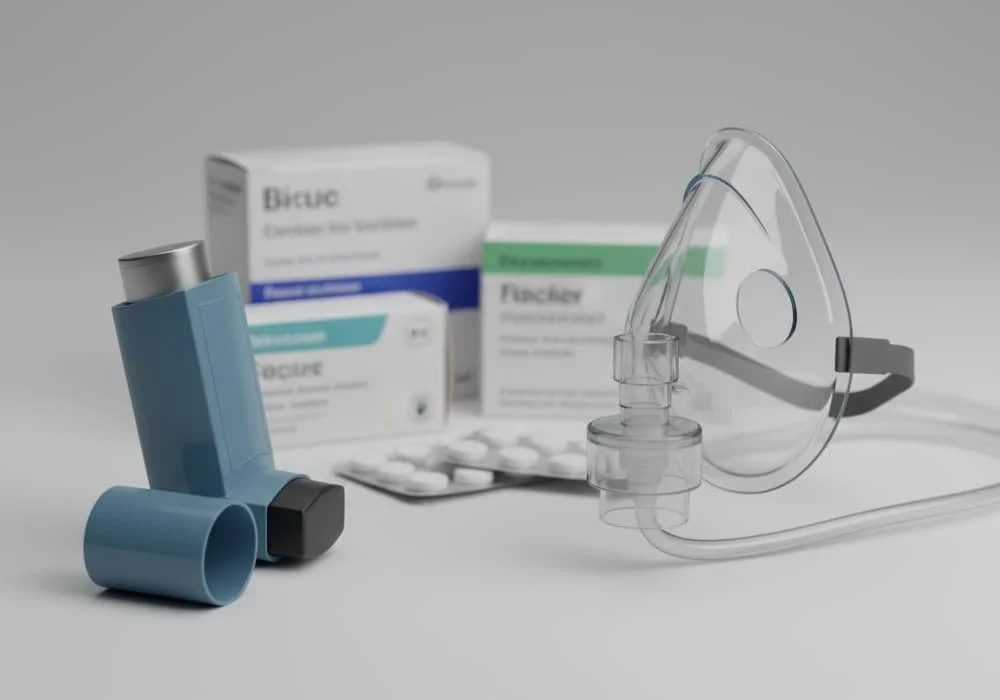
Inhalers And Nebulizers: OTC Options, Limitations And Risks
Breathing problems such as asthma or chronic obstructive pulmonary disease often need quick relief. Using them without guidance can delay diagnosis, cause side effects, and make chronic conditions worse.
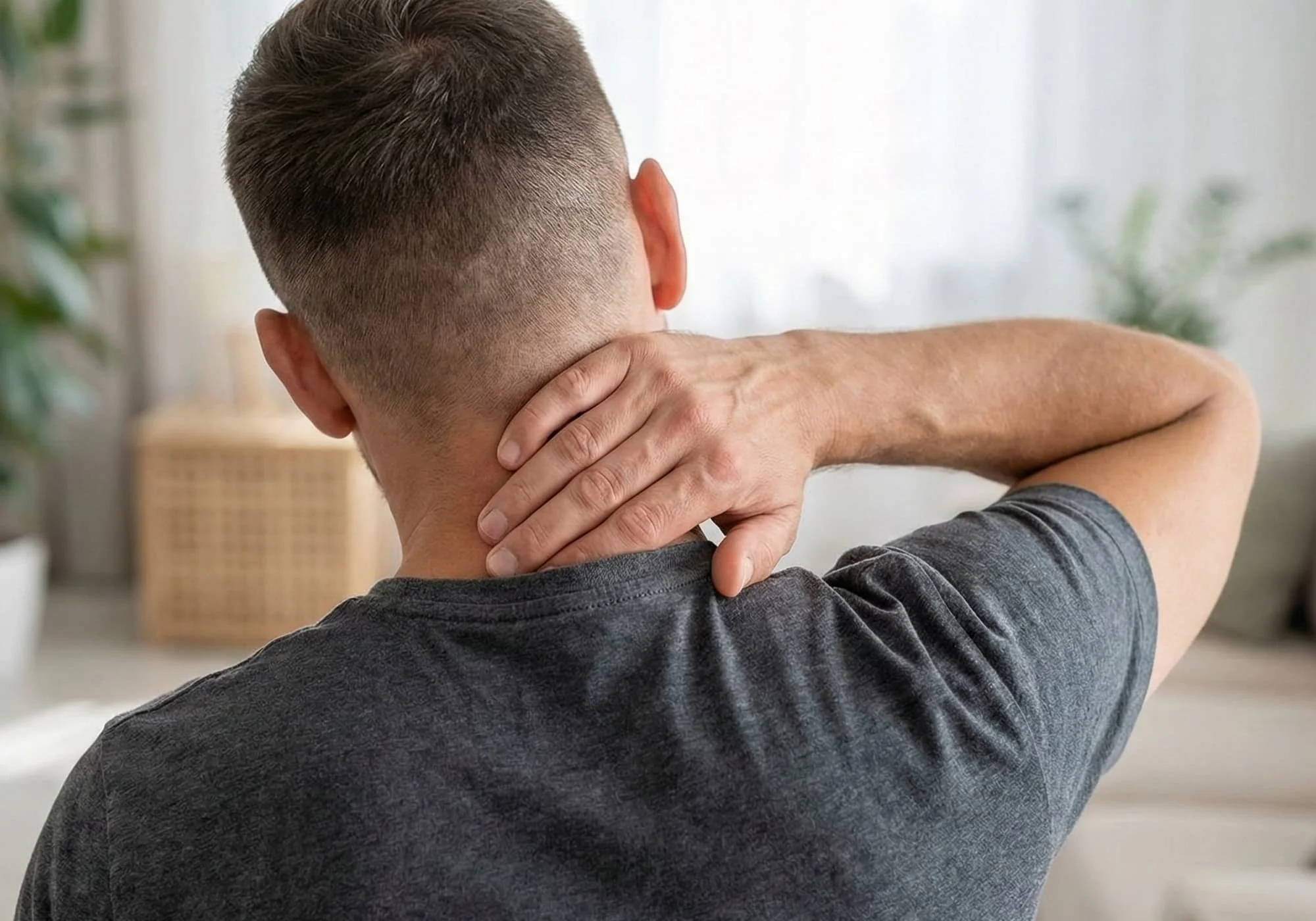
Effective Muscle Relaxer Non Prescription: Best Options for Muscle Spasms and Neck Pain
True muscle relaxants require prescriptions; nonprescription relief relies on NSAIDs like ibuprofen or naproxen, topical heat creams, and magnesium supplements.

Exercises for Balance for the Elderly
Maintaining independence depends on regular balance exercises, which help reduce fall risk and improve stability through better coordination and leg strength.

Integrative Therapies in Palliative Care: Massage, Music, and Expanding Access
Serious illness affects not only the body but every aspect of daily life. People often face pain, anxiety, fatigue, and fear of uncertainty. Medications help, but they can’t solve everything. Integrative therapies in palliative care serve as a gentle extension of medical treatment — reducing pain, improving sleep, and restoring calm
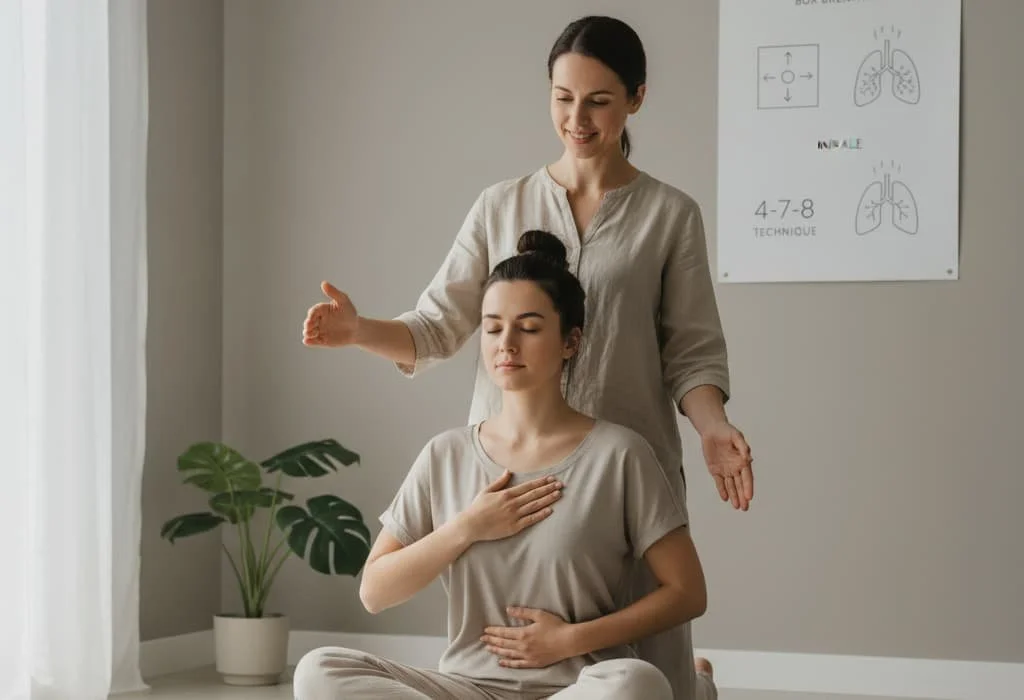
Breathing Techniques for Stress and Anxiety: A California Guide
Stress and anxiety are widespread in California, fueled by constant information flow, work pressure, and fast lifestyles, leaving many struggling with sleep, mood, and overall resilience.