Occupational Therapy vs Physiotherapy: Choosing Your Best Path to Recovery
The journey toward physical rehabilitation often begins with a fundamental question: occupational therapy vs physiotherapy—which one is right for me? While both disciplines fall under the broader umbrella of rehabilitative medicine and share the ultimate goal of returning a person to a full, active life, they approach recovery through different clinical lenses. To put it simply, a physical therapist treats the body so it has the capacity to move, while an occupational therapist adapts the environment and teaches the specific skills needed so the person can successfully perform meaningful activities.
Understanding these nuances is essential for anyone recovering from an injury, managing a chronic condition, or supporting a loved one through the aging process. This guide provides an in-depth exploration of both fields, helping you determine which specialist is best suited for your unique needs and how to access high-quality care, including professional services delivered directly to your home.
What is Physiotherapy and What Does it Treat?
To truly grasp what is physiotherapy, one must view it as the clinical science of human movement and function. At its core, physiotherapy focuses on the mechanical and physiological aspects of the body. Its primary objective is to restore mobility, increase physical strength, and alleviate pain following trauma, orthopedic surgery, or the onset of neurological conditions. Specialists in physiotherapy are essentially "movement scientists" who analyze biomechanics to ensure that the musculoskeletal and nervous systems are working in harmony.
The Scope of Physical Therapy Practice
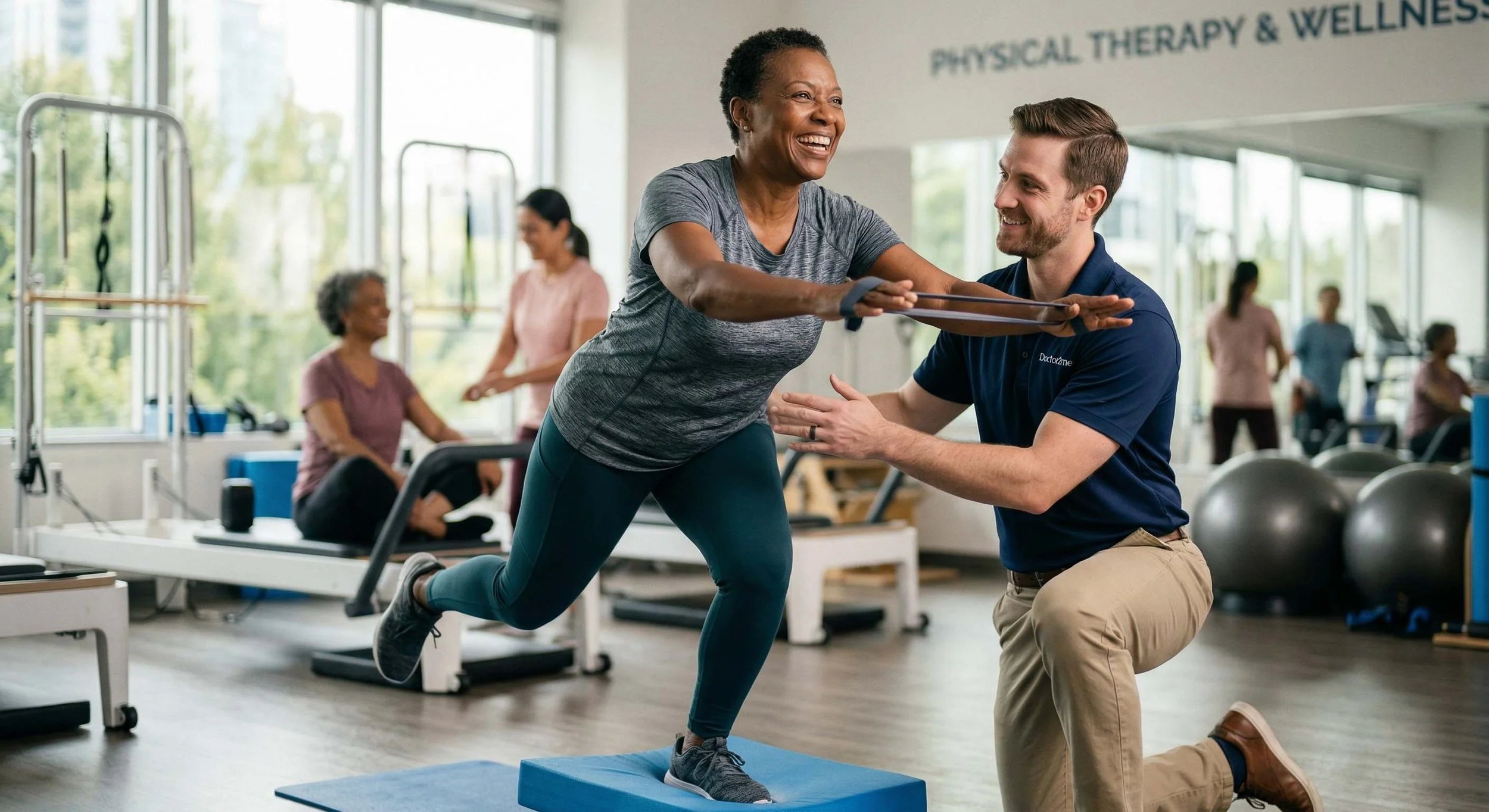
Physical therapists utilize a wide range of evidence-based techniques to help patients regain control over their bodies. These include:
Gross Motor Skills: Improving large-scale movements such as walking, running, jumping, and climbing stairs.
Balance and Proprioception: Training the body to maintain stability, which is vital for preventing falls and improving athletic performance.
Manual Therapy: Using hands-on techniques to mobilize joints and manipulate soft tissues to reduce stiffness.
Pain Management: Employing targeted exercises and modalities to decrease inflammation and discomfort. If you are searching for near me massage therapy as a recovery tool, a physical therapist can often provide clinical soft-tissue mobilization that is more focused on functional recovery than a standard relaxation massage.
Expert Perspectives and Specialized Care
According to the Mayo Clinic, physical therapy is a primary tool in managing chronic pain conditions and recovering from major orthopedic procedures, such as hip or knee replacements. Their research suggests that early intervention with a physical therapist can significantly improve long-term outcomes and reduce the need for invasive procedures or long-term medication use.
The National Institutes of Health (NIH) emphasize that physical therapy is not just about recovery but also about prevention. By educating patients on proper posture and body mechanics, therapists help prevent secondary injuries from occurring.
For those residing in the Las Vegas area who are experiencing balance disorders or dizziness, DizzyCare Physical Therapy provides a highly specialized form of treatment. They focus exclusively on vestibular rehabilitation, utilizing advanced diagnostic technology like infrared goggles to analyze eye movements and treat the root causes of vertigo. Their approach is a perfect example of how targeted physiotherapy can solve complex physiological issues through specific maneuvers and habituation exercises.
The Essence of Occupational Therapy: Bridging the Gap to Independence
When exploring what is occupational therapy, it is common for people to mistakenly assume it only relates to one’s job or career. In a clinical context, "occupation" refers to any activity that occupies your time and brings meaning to your life—from dressing yourself in the morning to cooking a meal or engaging in a favorite hobby.
Occupational therapy is centered on the concept of "doing." While the physical therapist makes sure the arm can move, the occupational therapist ensures that the person can use that arm to feed themselves, write a letter, or operate a computer. This field bridges the gap between basic physical capacity and actual life participation.
The Occupational Therapy Process
Occupational therapists look at the whole person, including their cognitive, emotional, and physical health. Their work often involves:
Fine Motor Skills: Improving the dexterity required for tasks like buttoning a shirt, using a keyboard, or handling coins.
Cognitive Rehabilitation: Helping patients with memory issues or executive function disorders find ways to manage their daily schedules and medication.
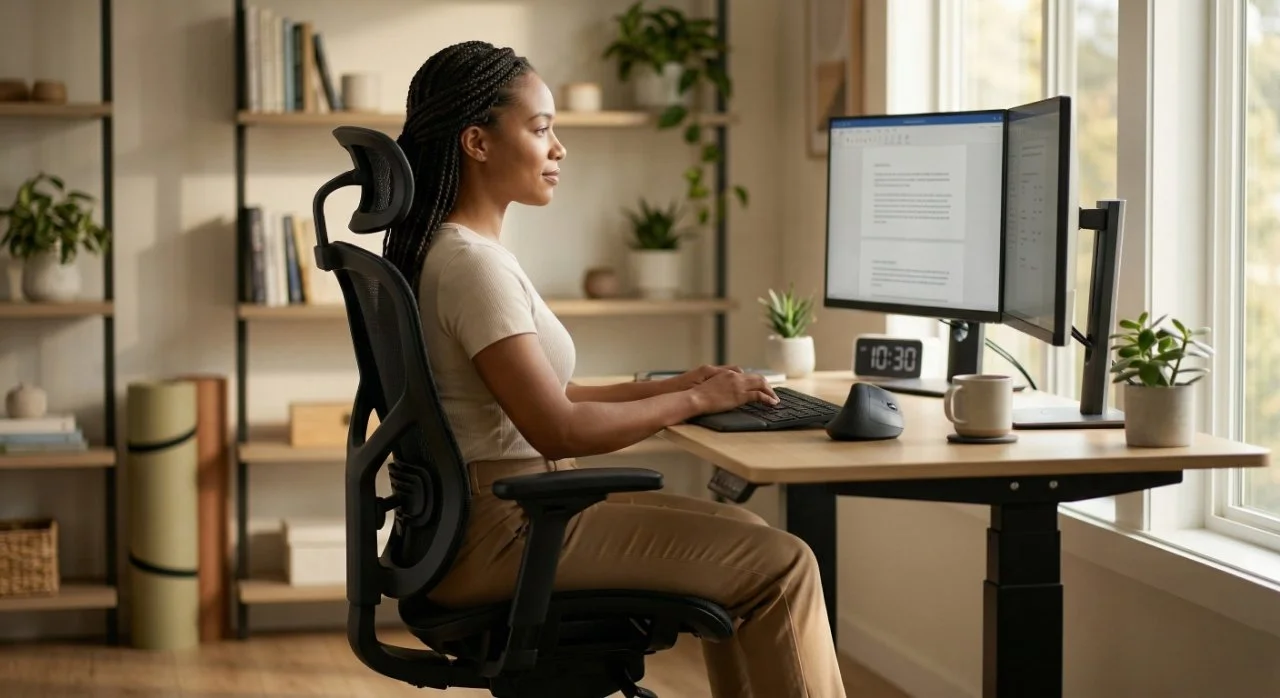
Environmental Modification: Assessing the home or workplace to remove barriers and enhance safety.
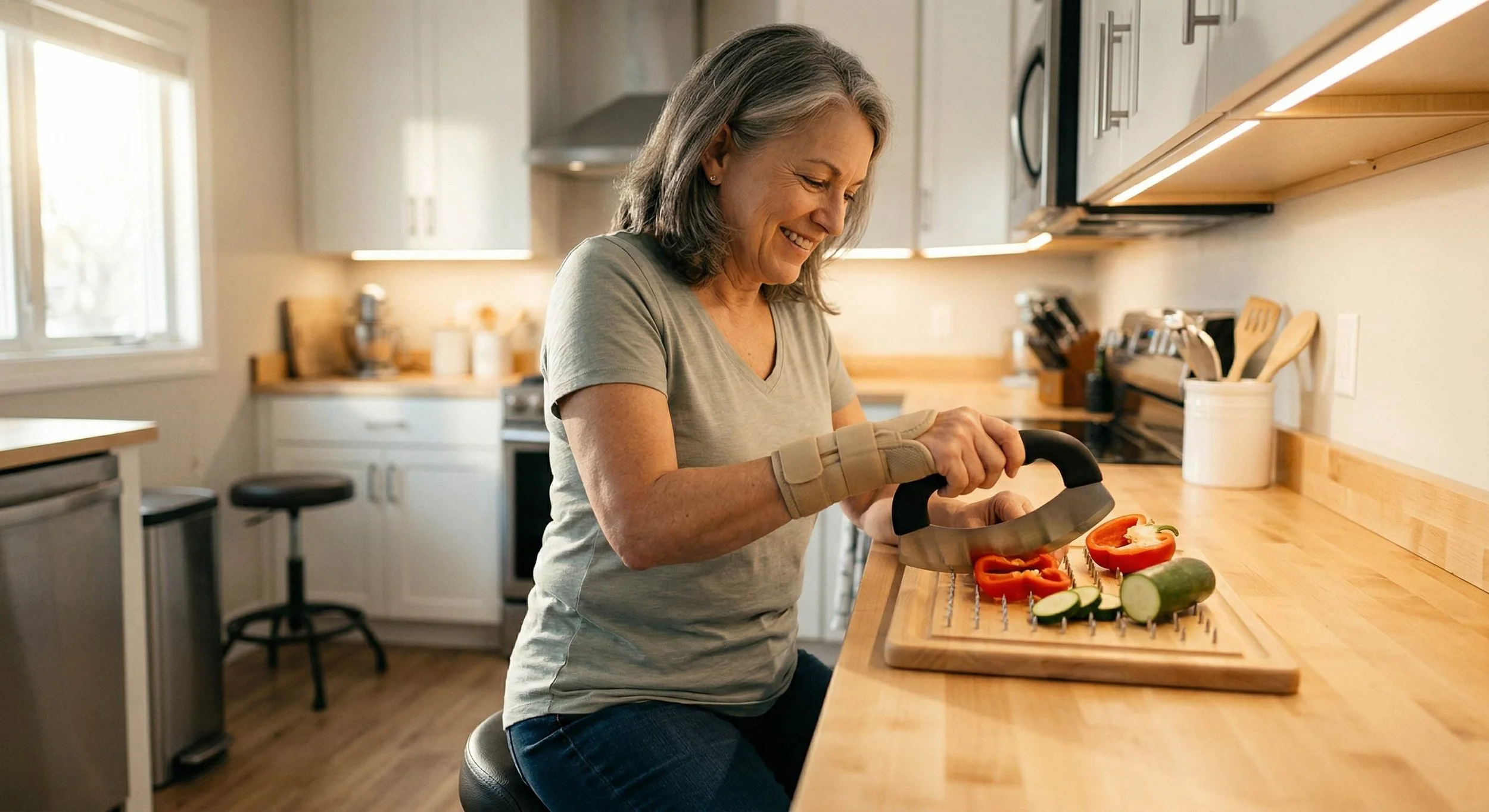
Adaptive Equipment: Training patients to use specialized tools, such as long-handled reachers or modified steering wheels, to maintain their independence.
Specialized Focus and Preventative Measures
The Centers for Disease Control and Prevention (CDC) highlight the role of occupational therapists as critical leaders in fall prevention. They are trained to perform "home safety assessments," identifying hazards like loose rugs or poor lighting that could lead to injury.
In Scottsdale, Arizona, the importance of maintaining independence in the senior years is a priority for Rebecca Cook, M.D. As a specialist in geriatrics, Dr. Cook works closely with families to develop comprehensive health plans that often include occupational therapy. Her practice emphasizes the need for proactive care, ensuring that seniors have the physical and cognitive support necessary to age in place safely and with dignity.
Accessible Medical Care at Home with Doctor2me
The modern healthcare landscape is shifting toward a more patient-centric model where care comes to the individual, rather than the other way around. Often, patients in need of physical therapy closest to me find that the hardest part of their day is simply getting into a car and navigating a busy clinic. This is where Doctor2me changes the experience of recovery.
Doctor2me specializes in bringing the doctor's office to your living room. By organizing home visits from qualified medical professionals, the service eliminates the logistical stress of travel, which is often a major barrier to consistent treatment. Whether you are dealing with a sudden injury or managing a long-term disability, having a physician evaluate you in your own environment allows for a more accurate assessment of your daily challenges.
For many families, this service is an invaluable resource for therapy for parents. Adult children often struggle to balance their own careers while transporting elderly parents to multiple appointments. Doctor2me streamlines this process, ensuring that seniors receive high-level medical attention without the physical strain of leaving home. This convenience allows for a more relaxed and focused consultation, ultimately leading to better health outcomes.
Key Differences: An In-Depth Comparison
To help you visualize the distinct roles of these professions, consider the following table:
| Feature | Physical Therapy (PT) | Occupational Therapy (OT) |
| Primary Goal | Restoring physical movement and strength. | Enhancing the ability to perform daily tasks. |
| Focus Area | Muscle, bone, and joint function; pain relief. | Fine motor skills, cognition, and environment. |
| Typical Goal | I want to be able to walk a mile. | I want to be able to cook for my family. |
| Common Tools | Resistance bands, weights, ultrasound. | Splints, modified utensils, memory aids. |
| Environment | Clinical gyms, tables, or outdoor tracks. | Kitchens, bathrooms, or office settings. |
| Success Metric | Improved range of motion and muscle power. | Increased independence in self-care activities. |
The Synergy of Collaborative Care: Why Both Often Matter
While we often compare occupational therapy vs physiotherapy, the reality is that they are most powerful when used together. In a comprehensive rehabilitation program, these two disciplines work in a "synergy of recovery."
Consider a patient recovering from a traumatic brain injury or a severe stroke. The physical therapist will work on gait training, helping the patient move from a wheelchair to a walker. At the same time, the occupational therapist will work on the cognitive and motor skills needed to use a bathroom independently or manage a grocery list. This multi-disciplinary approach ensures that no part of the patient's life is left unaddressed.
End-of-Life and Quality of Life Support
In certain phases of health, the goal shifts from recovery to the preservation of comfort and dignity. Organizations like Liem Hospice in Southern California exemplify the interdisciplinary spirit by providing holistic support for patients with life-limiting illnesses. Their teams often include therapists who focus not on "cure," but on maximizing the patient's comfort and ability to interact with loved ones. By focusing on symptom management and emotional peace, they ensure that the final stages of life are lived with as much quality as possible.
The Home-Based Advantage
Achieving the best results physiotherapy often depends on how well a patient can translate their exercises into their real-world environment. This has led to a surge in demand for in home senior physical therapy and in home occupational therapy near me. Practicing a transfer from a specific bed or learning to navigate a specific kitchen is far more effective than practicing on generic equipment in a hospital.
The Economic and Social Value of Therapy
Patients often wonder about the professional landscape of these fields, including questions like how much do you get paid for physiotherapy. While salaries vary by region and specialty, the investment in these professionals reflects the years of doctoral-level education required to understand the complexities of human health. For the patient, the "payment" for therapy is a return on their quality of life—reducing the need for long-term caregivers and preventing expensive emergency room visits due to falls or complications.
The societal value is equally high. By helping individuals return to work and community life, therapists reduce the overall burden on the healthcare system and empower people to contribute their talents to the world once again.
Making the Right Choice for Your Health
Deciding which path to take depends entirely on your current obstacles:
You should prioritize physical therapy if: You are experiencing localized pain, have had a recent surgery, are recovering from a sports injury, or notice that your general mobility and balance are declining. Searching for physical therapy closest to me is the right first step toward a stronger, more flexible body.
You should prioritize occupational therapy if: You find it difficult to manage your daily routine, struggle with memory or organization, have trouble with hand-eye coordination, or need help adapting your home to accommodate a new physical limitation.
If you are a caregiver looking for in home occupational therapy near me or specialized in home senior physical therapy, remember that the environment plays a crucial role. Home-based care allows therapists to see exactly where you struggle and provide solutions that work in your specific living space.
Choosing between occupational therapy vs physiotherapy doesn't have to be a solo decision. Most successful recovery journeys begin with a professional consultation. Whether you are seeking results physiotherapy for an athletic goal or looking for ways to keep your parents safe and independent, help is available.
Using a service like Doctor2me can bridge the gap, providing a medical professional who can evaluate your needs and direct you toward the right type of therapy. By bringing medical expertise to your doorstep, you can start your recovery from a place of comfort and confidence.
FAQ
1. What is the fundamental difference between occupational therapy and physiotherapy?
Physiotherapy (PT) primarily focuses on improving physical function, mobility, and strength while reducing pain. It treats the "hardware" of the body—muscles, joints, and ligaments. Occupational therapy (OT) focuses on the "software"—helping you perform specific daily activities (occupations) like dressing, cooking, or working. While PT helps you move your arm, OT helps you use that arm to brush your teeth.
2. How long does it take to become a licensed occupational therapist?
In most countries, it typically takes 6 to 7 years of higher education. This includes a four-year bachelor’s degree followed by a master’s degree (MOT) or a clinical doctorate (OTD). After completing their education, candidates must pass a national board exam to practice.
3. Why would a child need occupational therapy?
Pediatric OT is often used to help children with developmental delays, sensory processing disorders, autism, or ADHD. Therapists work on fine motor skills (like handwriting), sensory integration, and social skills to help the child succeed in school and play.
4. Can I receive occupational or physical therapy at home?
Yes. In-home therapy is highly effective because it allows the therapist to evaluate your actual living environment. This is especially beneficial for senior fall prevention and post-surgical recovery, as the therapist can suggest specific home modifications and practice movements in the exact place where you live.
5. Which is better for stroke recovery: PT or OT?
Both are essential and usually performed together. A physical therapist will help you regain the strength to walk and improve balance, while an occupational therapist will help you relearn how to manage daily tasks, such as eating or using a computer, often using adaptive strategies if some physical function is permanently changed.
6. What are "compensatory strategies" in occupational therapy?
Compensatory strategies are "workarounds" that therapists teach when a physical or cognitive function cannot be fully restored. This might include using specialized tools (like a long-handled shoehorn) or changing the way a task is performed to ensure the patient remains independent despite their limitations.
7. Is a doctorate degree required to practice occupational therapy?
While many practitioners now pursue an Occupational Therapy Doctorate (OTD) for advanced clinical and leadership roles, a Master’s degree (MOT) remains the entry-level requirement in many regions. Both degrees allow you to sit for the board exams and practice clinically.
8. How does occupational therapy help with mental health?
OT has deep roots in mental health. Therapists help individuals with anxiety, depression, or PTSD by developing healthy routines, improving time management, and teaching coping skills that allow them to participate in meaningful social and professional activities.
9. How do I choose between a physical therapist and an occupational therapist?
If your primary goal is to fix a specific physical injury, reduce localized pain, or improve overall walking ability, start with a physical therapist. If your condition is preventing you from performing specific life tasks or if you need to adapt your environment due to a disability, an occupational therapist is the right choice.
10. What is "therapeutic use of self" in OT?
This is a core concept where the therapist uses their own personality, insights, and perceptions to build a rapport with the patient. It is about using the human connection to motivate the patient and facilitate the healing process through empathy and collaboration.
You May Also Like