Preventing Slip Trips and Falls: Winter Safety Tips for the Elderly at Home
Winter brings more than just cozy evenings; it presents significant challenges for the health and personal comfort of older adults. During this season, preventing slip trips and falls becomes a critical priority, as icy surfaces and snow drifts dramatically increase the risk of injury. As the body ages, it responds more slowly to cold temperatures, and natural changes in balance can lead to accidents even on familiar paths.
This article outlines essential rules and safety tips in winter designed to help seniors and their loved ones navigate the season safely and comfortably.
Fall Prevention: Caution with Every Step
Falls are a leading cause of serious injury during the winter months. According to the Centers for Disease Control and Prevention (CDC), falls are the primary cause of injury among adults aged 65 and older, and the presence of ice on walkways only exacerbates this risk.
Proper Footwear: It is highly recommended to choose boots with deep treads and rubber soles. Using high-quality shoes no slip is vital, as they provide reliable traction even on wet entryway tiles. Smooth soles and high heels should be avoided entirely during winter.
Physical Conditioning: To maintain stability, seniors can turn to professionals like FUNCTherapy. This organization provides mobile physical therapy services across Southern California, conducting balance and strength training sessions directly in the patient's home.
Specialized Equipment: For added stability, consider using ice cleats (traction cleats) on shoes and cane tips equipped with retractable metal spikes.
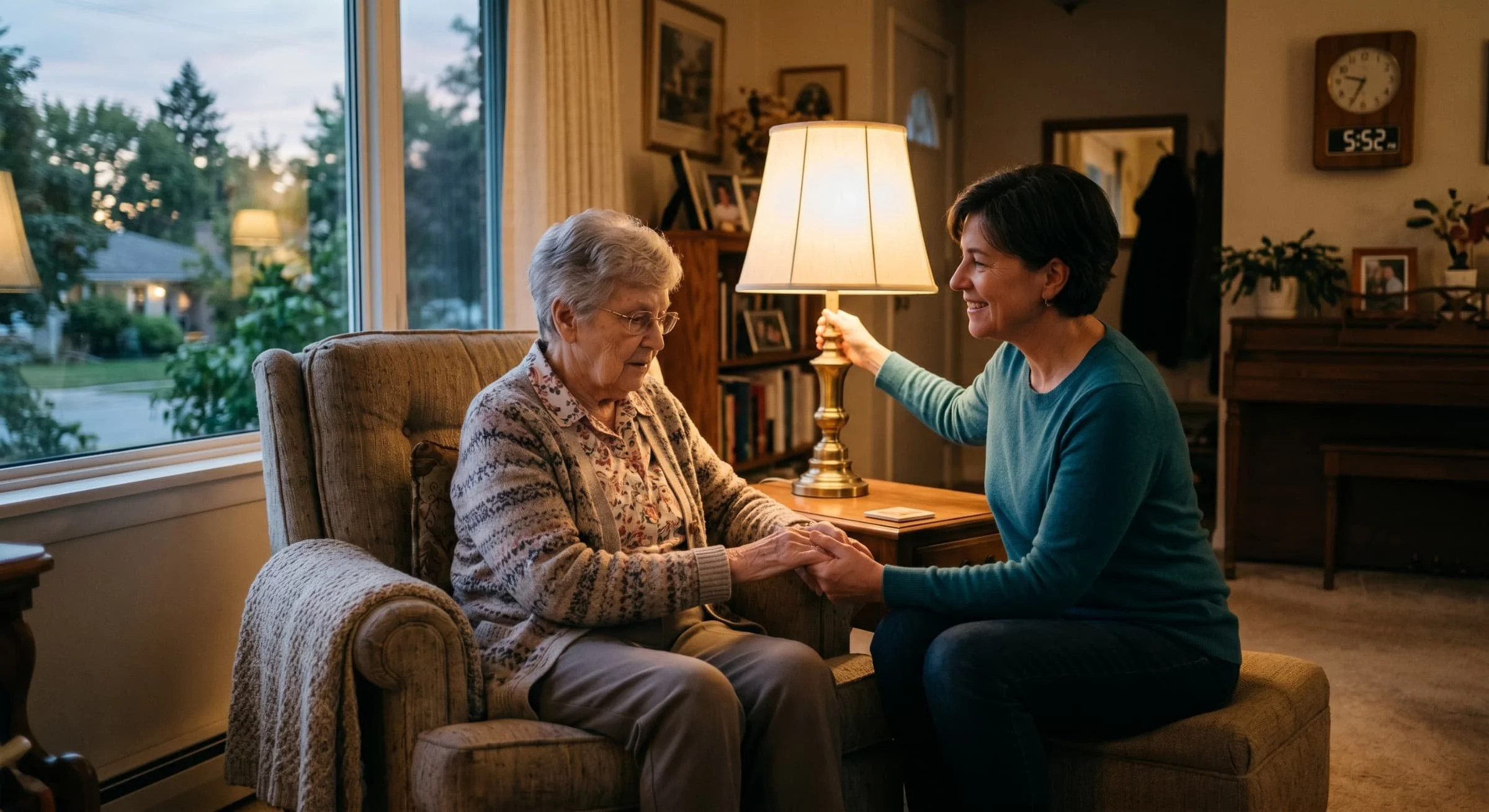
Home Modifications: The specialists at Call Before You Fall, serving Los Angeles and surrounding areas, help make homes "turnkey" safe. They install grab bars, ramps, and improved lighting, helping to prevent incidents before they ever occur.
Cleanliness and Lighting: Walkways and stairs should be salted or sanded regularly. It is also crucial to ensure bright outdoor lighting so that patches of ice or puddles are visible from a distance.
Indoor Safety: Per CDC recommendations, remove loose rugs and clear away cords from walking paths. In winter, the risk of tripping increases when moving through the house in heavy clothing or with damp footwear.
Protection Against the Cold: How Can You Avoid Hypothermia?
The aging body loses heat more rapidly, which increases the risk of dangerous drops in core temperature. The National Institutes of Health (NIH) warns that even prolonged exposure to indoor temperatures between 60°F and 65°F (15–18°C) can trigger hypothermia in older adults.
Key winter safety tips for the elderly include the following precautions:
Maintain Indoor Warmth: Living areas should be kept at a minimum of 68–70°F (20–21°C). Rebecca Cook, M.D., a highly qualified geriatrician in Arizona specializing in comprehensive senior care, notes that age-related changes in thermoregulation require constant monitoring, as a senior's internal "thermostat" may not accurately signal when they are becoming dangerously cold.
Recognizing the Signs: It is essential to know frostbite early signs, such as skin that appears pale or waxy, or feelings of numbness and tingling. If these symptoms occur, the individual must move to a warm environment immediately.
Layering Clothing: Instead of one heavy garment, it is more effective to wear several light layers (e.g., thermal underwear, a shirt, and a vest). The air trapped between layers acts as superior insulation.
Nutrition and Hydration: Warm meals like soups and oatmeal help the body generate heat from within. It is important to remember that alcohol provides a false sense of warmth while actually accelerating heat loss.
Medication Awareness: According to the NIH (National Institute on Aging), certain over-the-counter cold remedies or prescription blood pressure medications can interfere with the body's ability to regulate temperature. All medications should be reviewed with a healthcare provider.
Professional Medical Care at Home: The Doctor2me Service
In winter, a simple trip to a medical clinic can become a hazardous trek involving ice, wind, and the risk of infection. Doctor2me offers a safe and convenient alternative: bringing the doctor directly to your doorstep. This service eliminates the need to navigate icy roads or sit in crowded waiting rooms.
Physicians associated with the platform, such as Allen Jahroumi, M.D.—a board-certified Internal Medicine specialist in Southern California—arrive at the patient's home equipped with necessary diagnostic tools. This model ensures high-quality medical care in the comfort of one's own home, which is particularly valuable during inclement weather.
Fire Safety and Heating
The use of heating appliances requires strict adherence to safety protocols:
Space Heaters: Only modern models with an automatic shut-off feature (in case of tipping) should be used. Keep heaters at least three feet away from curtains, bedding, and furniture.
Carbon Monoxide Detectors: If using gas or wood-burning heat, a CO detector is mandatory. Mayo Clinic experts remind us that carbon monoxide poisoning often mimics flu symptoms (headache, dizziness, weakness), making it especially dangerous during the winter season.
Ventilation: Chimneys and flues should be inspected by professionals before the first cold snap.
Emergency Preparedness and Home Care Assistance for Elderly
Heavy snowfall can restrict access to grocery stores and pharmacies. Preparing in advance ensures peace of mind for both seniors and their families.
Medication Supply: It is recommended to keep at least a two-week supply of essential medications. Kaiser Permanente emphasizes that maintaining a consistent medication schedule for chronic conditions like diabetes or hypertension is critical during weather-related stress.
Qualified Support: When managing a household becomes too difficult, elderly home caregivers can provide much-needed support. For instance, Senior Helpers South Valley, based in Encino, California, offers specialized Life, Centered Care programs for those with dementia and provides essential personal care services, ensuring patient safety throughout the winter months.
Emergency Kit: Keep a mobile phone fully charged and stock a pantry with non-perishable food and bottled water.
Avoid Overexertion: The Mayo Clinic strongly advises seniors to avoid shoveling snow. The sudden physical strain in cold air significantly increases the risk of a heart attack.
Combating Winter Blues and Planning for the Future
Shorter days and social isolation during winter can take a toll on mental health.
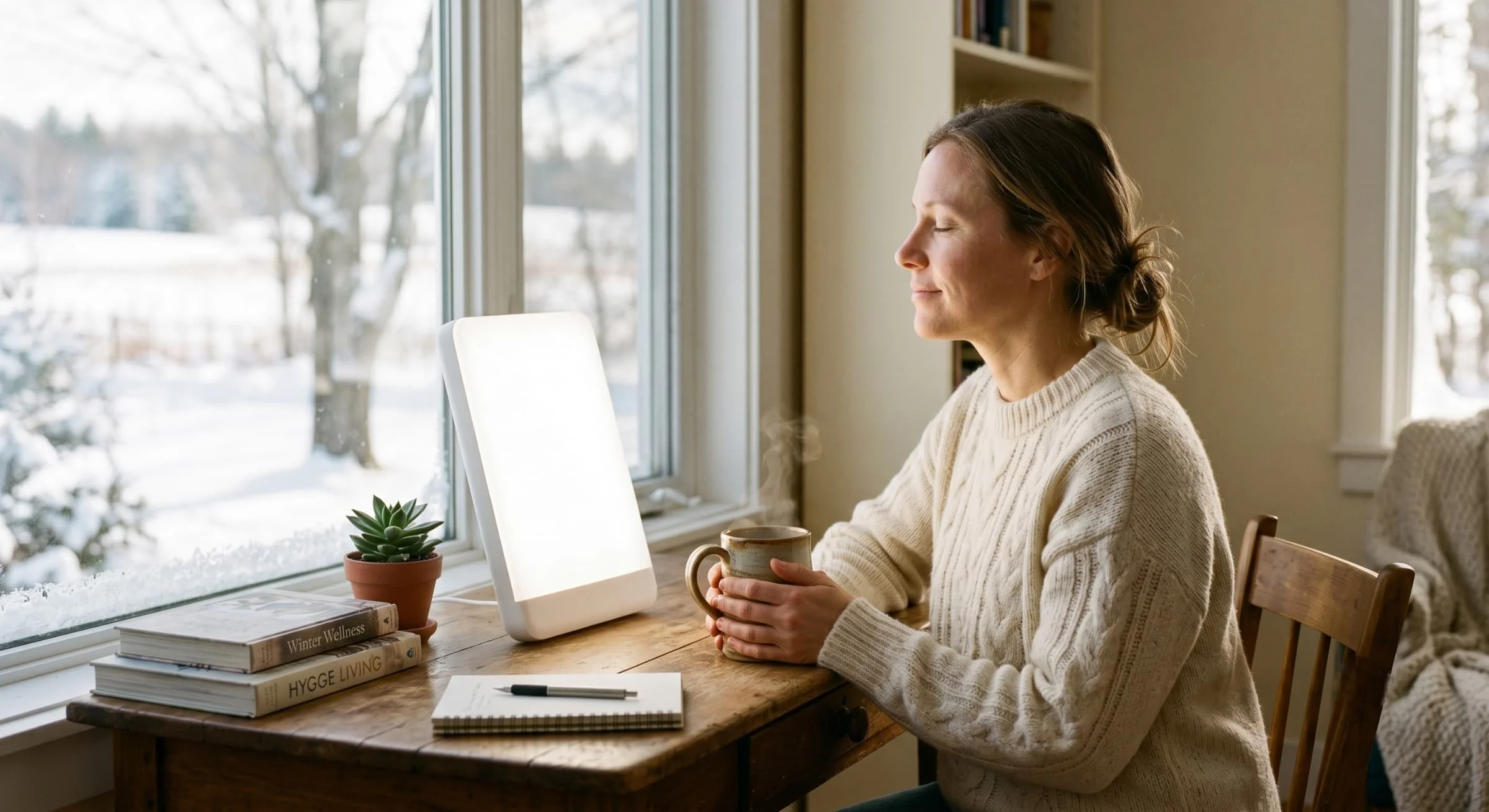
Natural Light: Try to spend time near windows during daylight hours and consult a physician regarding Vitamin D supplements.
The Role of the Caregiver: Effective tips for caregivers of elderly include organizing regular video calls or visits to ensure their loved one remains socially connected and engaged.
Managing Transitions: Sometimes, the demands of maintaining a private home during harsh winters become overwhelming. In these cases, Senior Home Transitional Services, based in Florida, provides expert guidance through the process of moving to a more manageable environment. They assist with everything from assessing needs through various senior care services to managing the logistics of the move, ensuring a dignified and stress-free future.
Mental Health Awareness: Specialists at the NIH note that if feelings of apathy or signs of Seasonal Affective Disorder (SAD) persist, it is important to seek professional medical advice promptly.
By following these guidelines and utilizing modern support services, seniors can minimize risks and enjoy the winter season in safety and warmth.
FAQ
How can I prevent slips and falls on icy surfaces during the winter?
To maximize safety and focus on preventing slip trips and falls, you should always wear high-quality shoes no slip with deep rubber treads. It is also helpful to use ice cleats for extra traction and ensure that all walkways are treated with salt or sand. For long-term safety, companies like Call Before You Fall can modify your home with grab bars and ramps to reduce the risk of accidents.
What is the safest indoor temperature for seniors in cold weather?
According to the NIH, seniors should keep their living areas at a minimum of 68°F to 70°F. Because older adults lose body heat more rapidly, maintaining this temperature is a key part of how can you avoid hypothermia, as even mild indoor chill can become dangerous over time.
What are the early warning signs of frostbite I should look for?
You should keep a close eye on frostbite early signs, which include skin that appears unusually pale or waxy, or feelings of numbness, tingling, or "pins and needles" in the extremities. If you notice these symptoms, it is vital to get into a warm environment immediately and seek medical advice.
Is it possible to receive medical care at home to avoid traveling in the snow?
Yes. To avoid the hazards of icy roads, you can use the Doctor2me service, which brings board-certified physicians—such as Allen Jahroumi, M.D.—directly to your home. This ensures you receive professional care and diagnostics in a safe, warm environment without the risk of a fall.
Is it safe for seniors to shovel snow from their own driveways?
No. The Mayo Clinic strongly advises seniors against shoveling snow. The combination of cold air and heavy physical exertion puts a massive strain on the heart, significantly increasing the risk of a heart attack. It is much safer to rely on neighbors or professional senior care services for snow removal.
How can I improve my balance to stay more stable on my feet this winter?
Physical conditioning is an excellent way to prepare for winter. Working with specialists like FUNCTherapy allows you to receive mobile physical therapy and balance training at home. This proactive approach is one of the most effective winter safety tips for the elderly to prevent injury before it happens.
What should I do if managing my home during the winter becomes too difficult?
If the demands of winter maintenance and daily tasks become overwhelming, you can seek home care assistance for elderly from providers like Senior Helpers South Valley. If you are considering a move to a more manageable environment, Senior Home Transitional Services can guide you through the process of relocating to a facility that offers comprehensive personal care services.
You May Also Like