
Your Care Guide
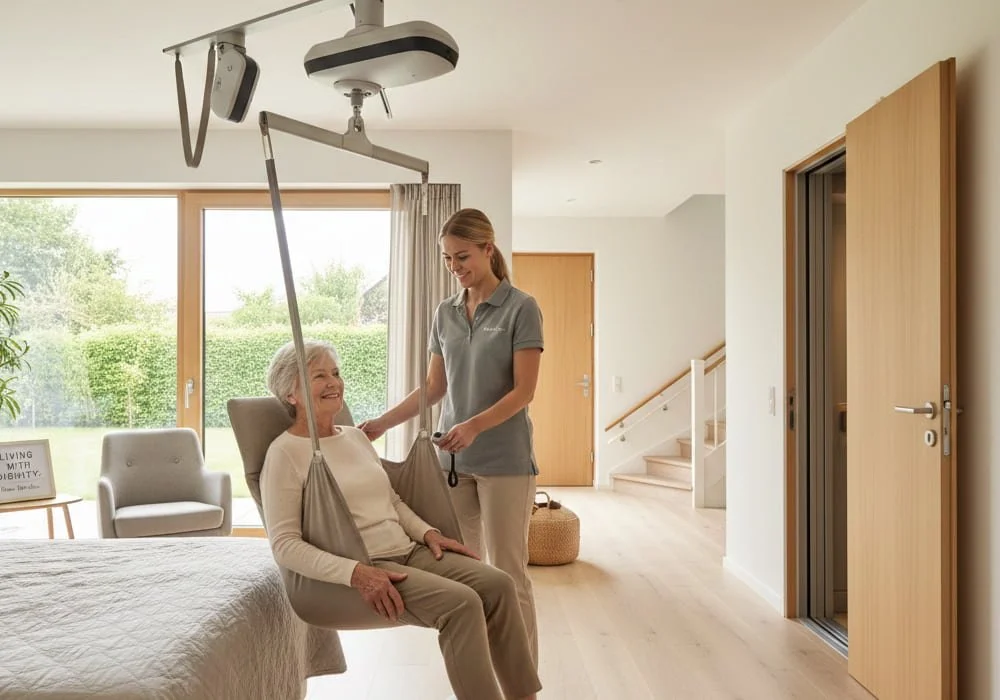
Patient Lifts for Home Use: Ceiling Hoists and Access Solutions for Mobility Issues
When manual lifting becomes unsafe, ceiling lift systems provide controlled, safe transfers with minimal physical strain.
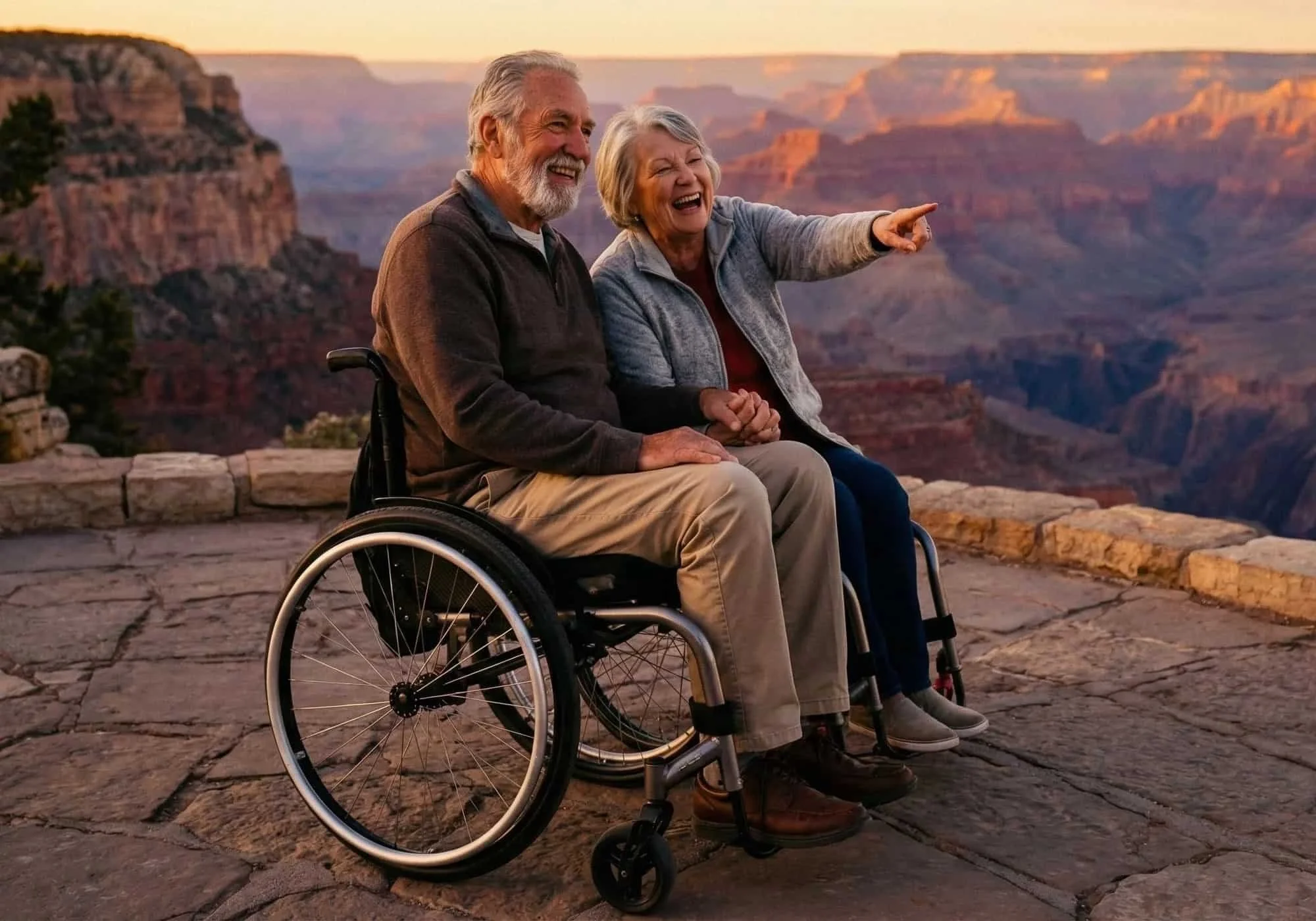
Best Vacations for Seniors with Limited Mobility
In 2026, travel with limited mobility is widely accessible. Research shows that travel supports cognitive health and reduces depression, even with low physical activity.
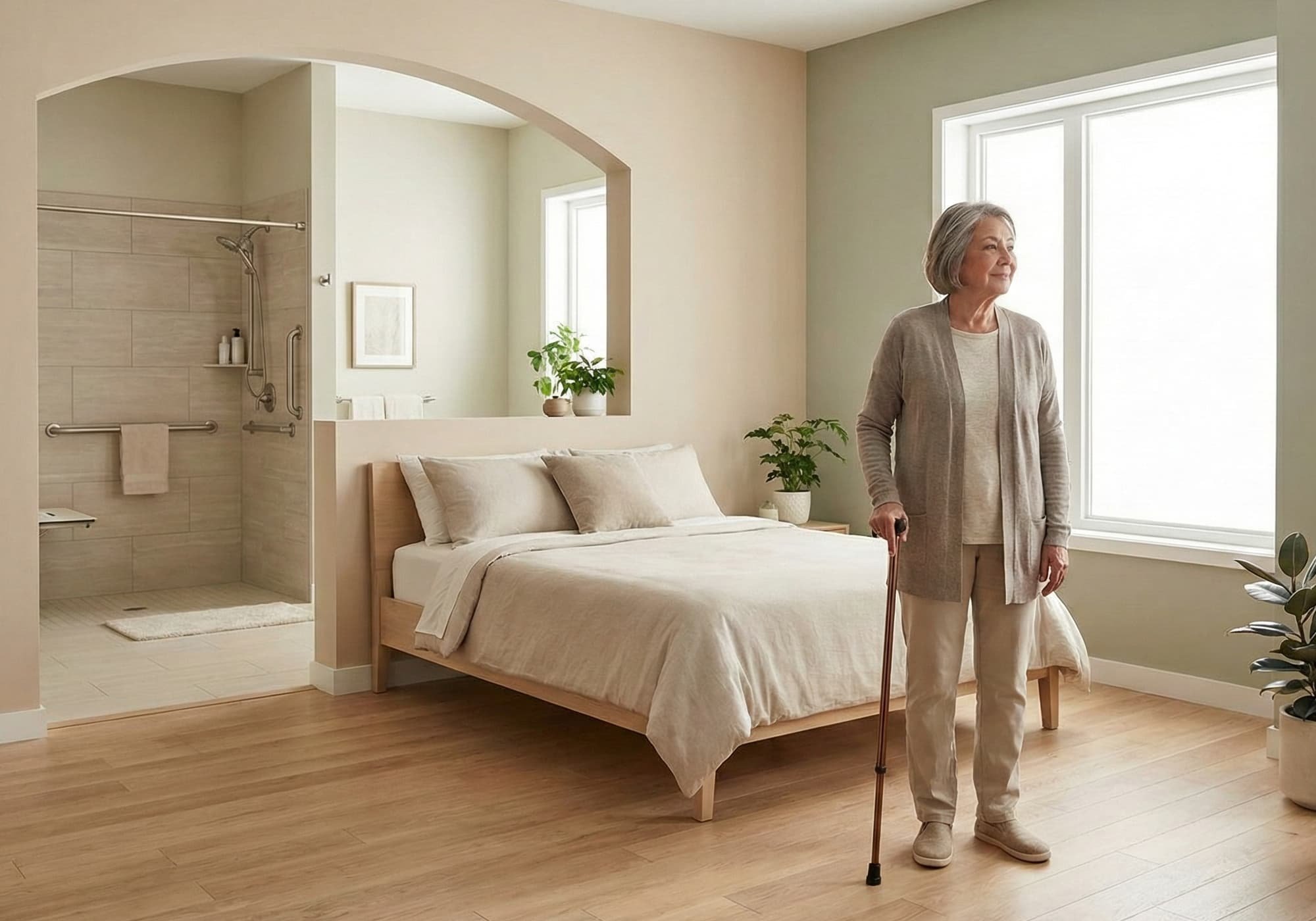
Transitioning Bedrooms and Bathrooms for Successful Aging in Place
Aging in place depends on home adaptation. One-floor living removes stair hazards and ensures accessibility. Consult a Primary Care doctor to assess mobility and necessary medical supplies.
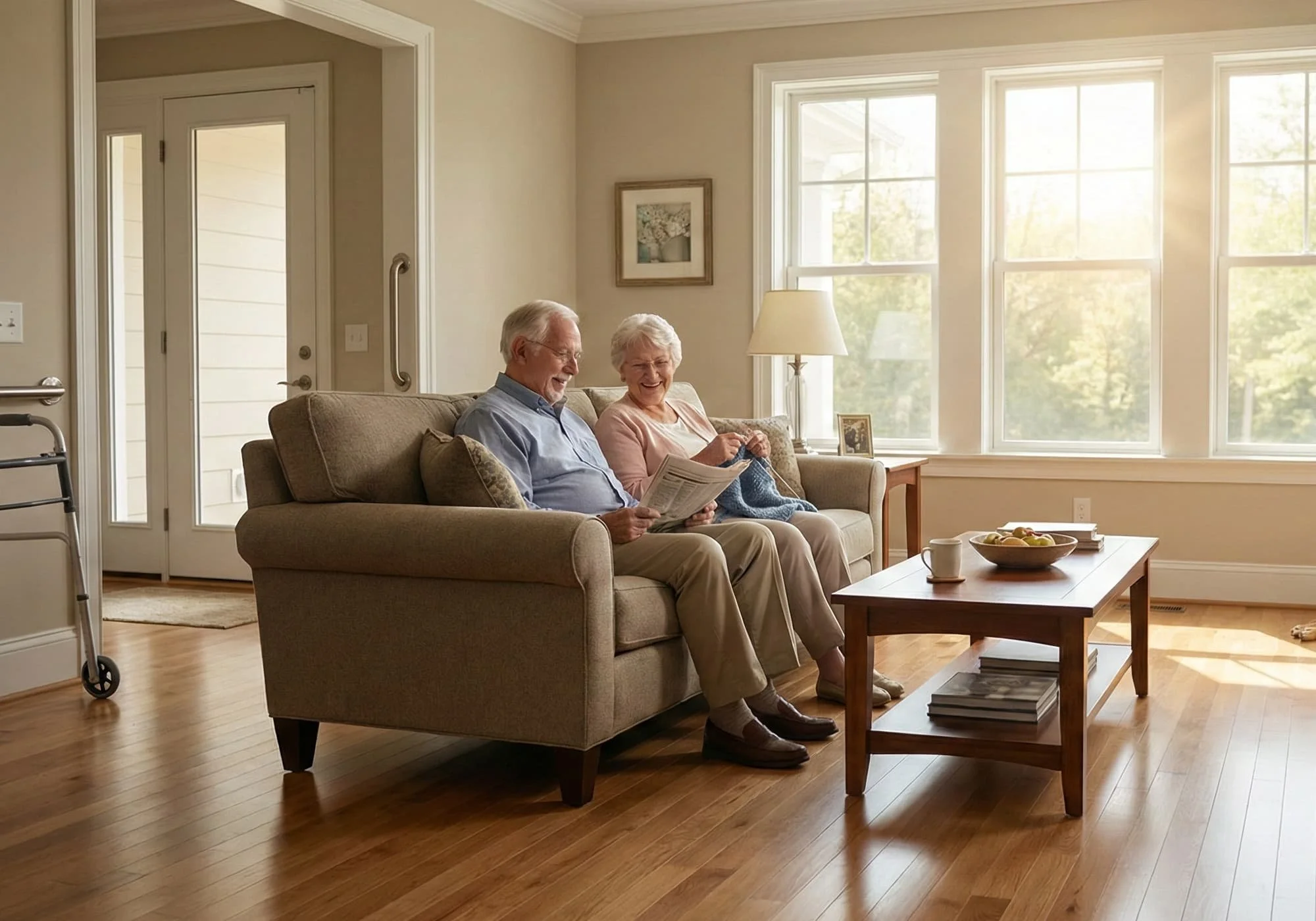
How to Modify a Home for the Elderly
Adapting your home is vital for maintaining independence as mobility and vision change. Based on CDC, NIH, and Mayo Clinic guidelines, these home modifications focus on ensuring safety and reducing fall risk.
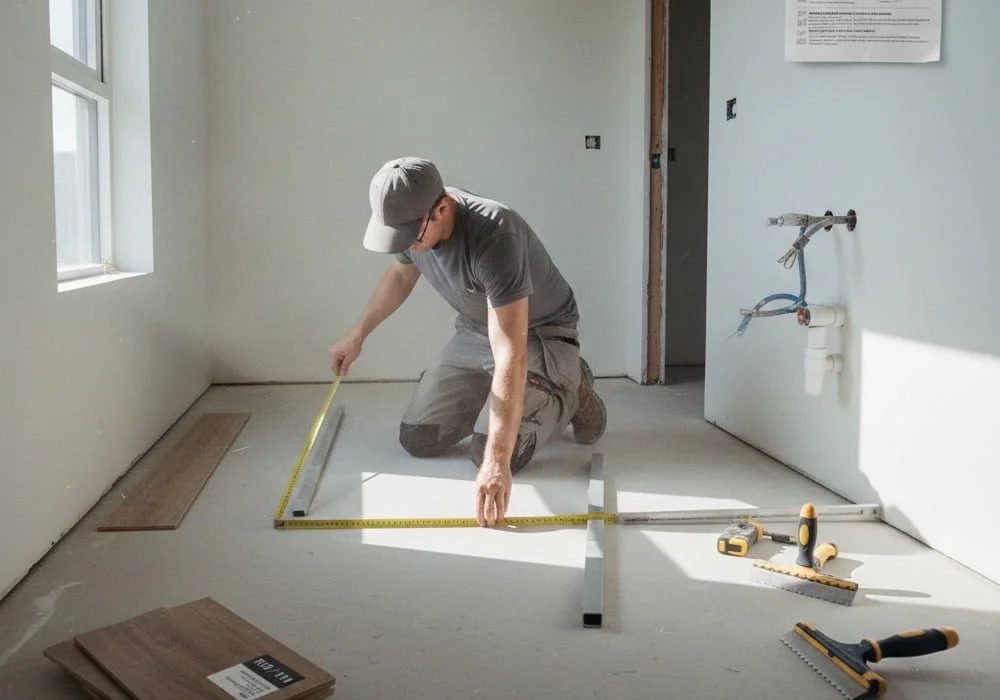
Installing Non-Slip Flooring
Slips and falls are a leading cause of injuries. Non-slip flooring is an essential safety investment, especially in high-risk, wet areas. It is a vital component of home safety and fall prevention programs.