Emotional Burnout in Family Caregivers — and How Home Care Can Help
Understanding Emotional Burnout
What Is Emotional Burnout?
Emotional burnout is a state of extreme physical, emotional, and mental exhaustion caused by prolonged or excessive stress. Unlike regular fatigue, which passes with rest, burnout leaves a person feeling depleted, unable to cope with daily demands, and completely lacking motivation.
Why Caregivers Are at High Risk
According to the CDC, unpaid family caregivers form the foundation of long-term care. Most of them care for loved ones for years, dedicating dozens of hours per week.
This constant and intense load puts caregivers at high risk for several reasons:
Prolonged Stress and Isolation: Caregiving consumes all time, reducing personal and social contacts.
Sense of Duty: The feeling that they must handle everything by themselves.
Emotional Strain: Witnessing the decline of a loved one.
Common Myths About Caregiver Burnout
| Myth | Reality |
|---|---|
| Burnout is just being tired. | It is a chronic condition requiring serious intervention, not just sleep. |
| Good caregivers do not burn out. | Burnout is the natural result of excessive stress, not a sign of weakness or lack of love. |
| I am the only one who can do this. | Accepting help is an act of love and self-preservation, not a betrayal of your loved one. |
Signs and Symptoms of Caregiver Burnout
It is crucial to recognize burnout early. Symptoms often fall into three groups, as warned by the Mayo Clinic, among others:
Emotional Signs
Persistent feelings of anxiety, depression, or hopelessness.
Increased irritability, anger, or impatience.
Feeling guilty or resentful toward the care recipient.
Loss of interest in activities that were once enjoyable.
Physical Signs
Chronic fatigue that does not improve with sleep.
Frequent headaches, body aches, or other unexplained health problems.
Reduced immunity (frequent colds).
Drastic changes in appetite and weight.
Behavioral Changes and Impact on Relationships
Social isolation (withdrawing from friends and family).
Neglect of one's own needs (skipping doctor's visits, poor nutrition).
Using harmful coping mechanisms (alcohol, medication) to relieve stress.
Conflicts and estrangement within the family.
Causes of Emotional Burnout
Burnout is a combination of multiple factors that compound over time:
Constant Physical and Emotional Demands The continuous responsibilities (lifting, feeding, hygiene assistance) lead to physical exhaustion. Emotional strain is intensified by watching a loved one decline and the necessity of making complex medical decisions. NIH research shows a direct link between patient distress and caregiver depression.
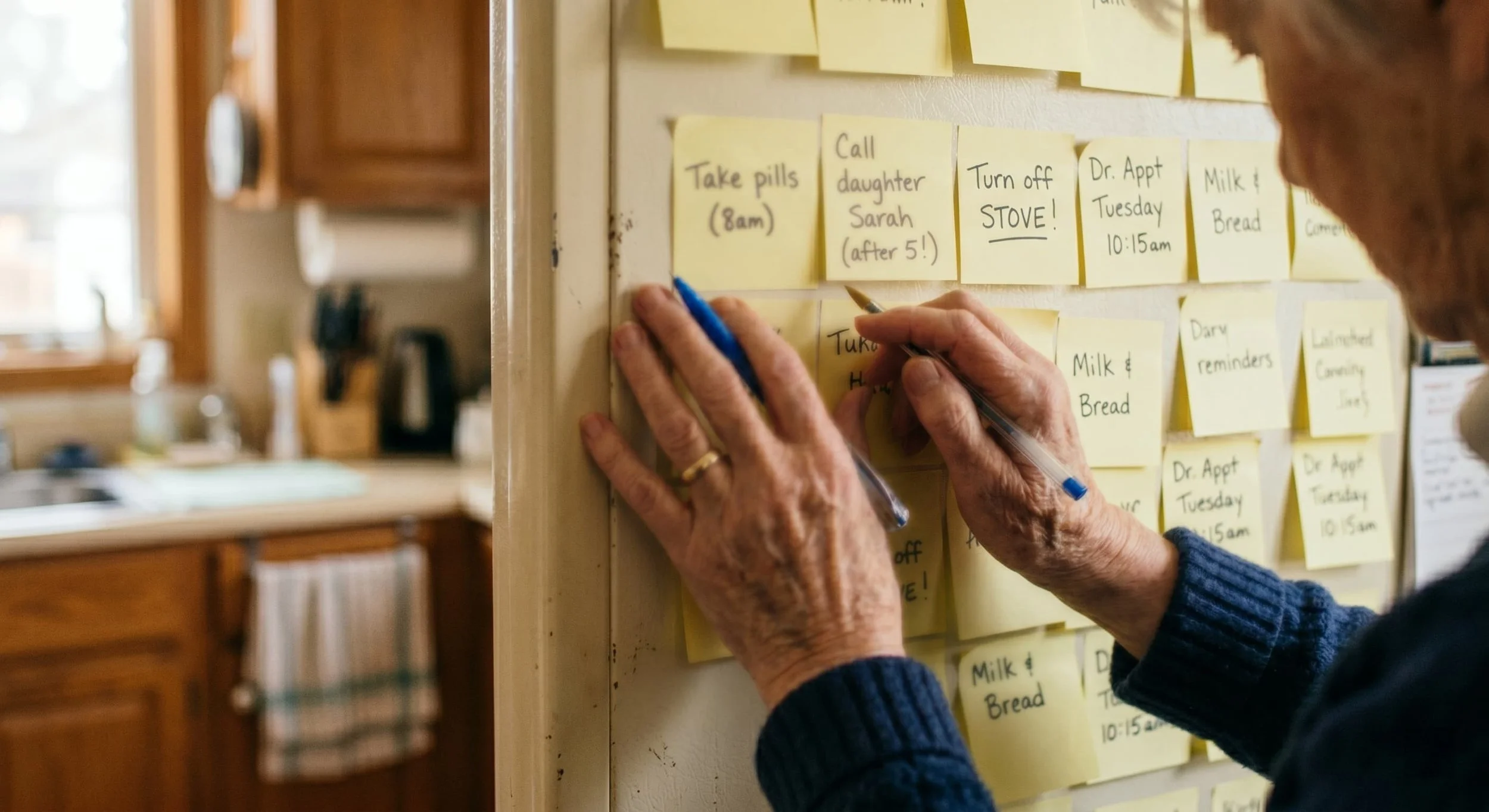
Lack of Personal Time Caregiving duties take up nearly all time (24/7), leaving no opportunity for rest, hobbies, or personal appointments.
Guilt and Unrealistic Expectations Caregivers often place unrealistically high demands on themselves, leading to agonizing guilt when they try to take a break or accept help.
The Hidden Consequences of Caregiver Burnout
The consequences of burnout can be very serious and affect both parties.
Impact on Mental and Physical Health Burnout is a major risk factor for clinical depression and anxiety disorders. According to the CDC and NIH, chronic stress in caregivers is also associated with:
Increased risk of hypertension and cardiovascular disease.
Reduced immune function and more frequent illnesses.
Increased risk of earlier mortality.
Impact on Care Quality The CDC reports that more than half of surveyed caregivers stated that their own deteriorating health compromised the care they provided. An exhausted person is less attentive, more irritable, and prone to making mistakes.
How Home Care Can Help
Professional home care is one of the most effective ways to prevent burnout and alleviate the burden.
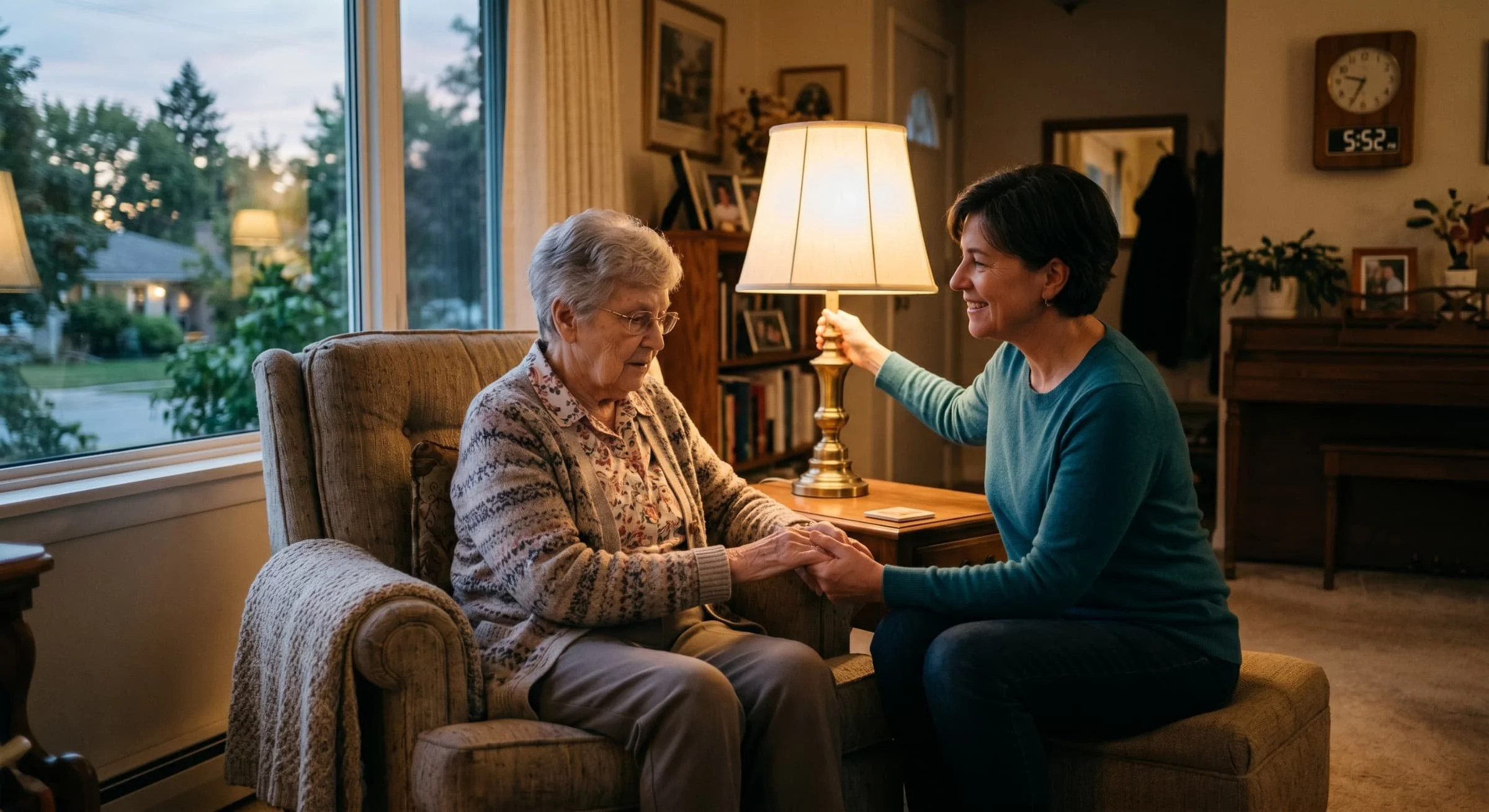
Providing Professional Support Certified caregivers, such as specialists from Senior Helpers of North Valley (including those in Studio City, Burbank, Glendale), are trained to handle physically and emotionally complex tasks, providing professional and compassionate care.
Giving Family Caregivers Time to Recharge The key service is respite care. It allows the caregiver to take a few hours or days off to rest without worrying about the safety of their loved one. Senior Helpers offers flexible options for Respite & 24-Hour Care.
Specialized Services and Improving Quality of Life Professional agencies offer specialized care, such as Alzheimer’s & Dementia Care and Parkinson’s Disease Care. In complex cases requiring hospice care, organizations like Pacific Crest Hospice (Ventura and Los Angeles counties) provide comprehensive support focused on patient comfort and family dignity.
Types of Home Care Services Available
Home care covers a wide range of services:
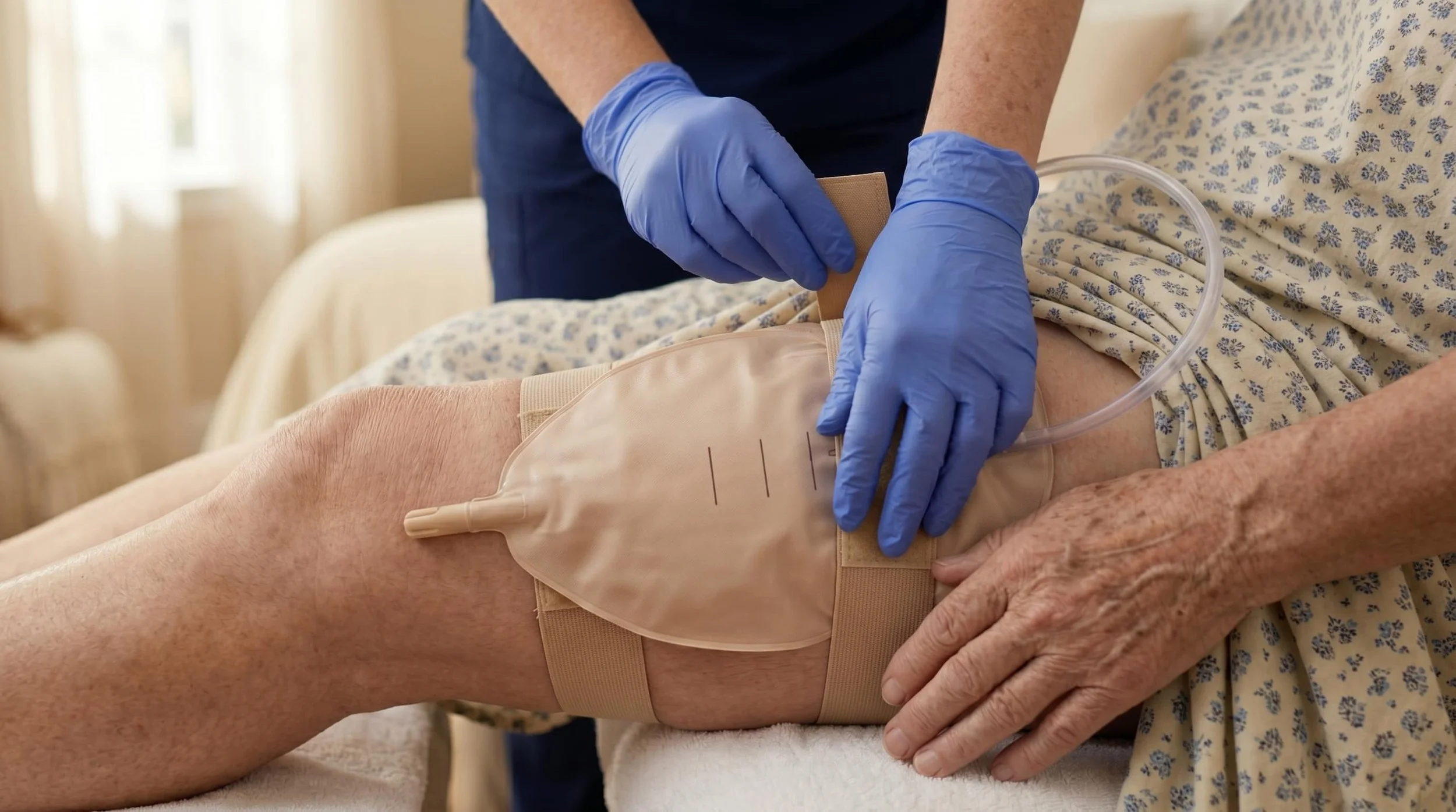
Personal Care Assistance: Help with bathing, dressing, feeding, and mobility. Senior Helpers calls this Personal Care Assistance.
Companion Care: Social support, accompaniment to appointments, help with light housekeeping and meal preparation. Senior Helpers also offers Transportation & Errands for logistical help.
Skilled Nursing and Hospice Care: Services provided by licensed nurses and hospice teams for complex medication management, wound care, and palliative support.
Specialized Therapy: Services that can be provided at home, such as Physical Therapy. DizzyCare Physical Therapy, for example, specializes in Vestibular Rehabilitation (balance and dizziness issues) with the option for home visits, saving the caregiver exhausting trips.
Choosing the Right Home Care Provider
Factors to Consider
Licensing and Registration: Ensure the agency meets established standards.
Experience: Ask about the agency's experience in providing specialized care (e.g., for dementia).
Compatibility: Ensure the assigned caregiver is a good fit for your loved one's personality and needs.
Questions to Ask Agencies
"What is your procedure for background checks and caregiver training?"
"What happens if our assigned caregiver is ill or unable to come?"
"Is someone available to call for emergencies 24/7?"
Red Flags to Watch For
Refusal to provide information about staff qualifications.
Lack of a backup plan for emergencies.
Lack of transparency in recruitment and training processes.
How to Support Yourself as a Family Caregiver
The Mayo Clinic and NIH emphasize that self-care is not a luxury, but a necessity.
Setting Boundaries and Self-Care Routine
Clearly define how much you can do and learn to say "no" to extra demands.
Regularly have medical checkups and inform your doctor of your caregiver status.
Dedicate 15–30 minutes daily to physical activity, healthy eating, or simply resting.
Joining Support Groups Support groups, noted by CMS and the Mayo Clinic, can reduce feelings of isolation and provide emotional support and practical strategies.
When to Seek Professional Help If you experience persistent symptoms of depression, chronic anxiety, hopelessness, or are misusing substances to cope with the pressure, seek a mental health professional immediately.
Final Thoughts
Caregiver burnout is a natural reaction to an unbearable load, not a moral failing. Acknowledging this condition and accepting help—especially professional home care (like that provided by Senior Helpers of North Valley or Pacific Crest Hospice)—is a wise and loving choice that ensures a better quality of life and safety for everyone.
FAQ
1) Is caregiver burnout treatable?
Yes, through a combination of professional assistance, respite care, support, and lifestyle changes, symptoms can be significantly alleviated.
2) When should I consider home care?
As soon as you feel that routine responsibilities are regularly affecting your physical or mental health. Do not wait for complete exhaustion.
3) How do I talk to my loved one about bringing in outside help?
Use "I-statements" to express your feelings ("I feel overwhelmed") and focus on the benefits for your loved one (specialized care you cannot provide, such as Vestibular Rehabilitation from DizzyCare Physical Therapy).
You May Also Like