What is Activity of Daily Living?
In the fields of medicine and gerontology, understanding what is activity of daily living is essential for maintaining a high quality of life. This term refers to the collective set of self-care tasks that an individual must perform daily to live independently. The ADLs medical abbreviation is a standard metric used by healthcare providers to objectively evaluate a patient's functional status and determine the necessary level of support or rehabilitation.
When an individual begins to struggle with these routine tasks, it often signals a need for a diagnostic evaluation by primary care experts, such as Allen Jahroumi, M.D., to identify underlying health issues and create a personalized care plan.
Understanding ADL Categories and Skills
When discussing the ADL meaning medical professionals use, it is helpful to divide these activities into two distinct groups: basic and instrumental.
Basic Skills (BADL)
These are the fundamental skills of daily living required for physical survival. There are generally 6 activity of daily living markers used in clinical assessments:
Eating: The ability to feed oneself.
Personal Hygiene: Brushing teeth, hair care, and grooming.
Bathing: The ability to wash oneself safely.
Dressing: Selecting appropriate clothes and managing fasteners.
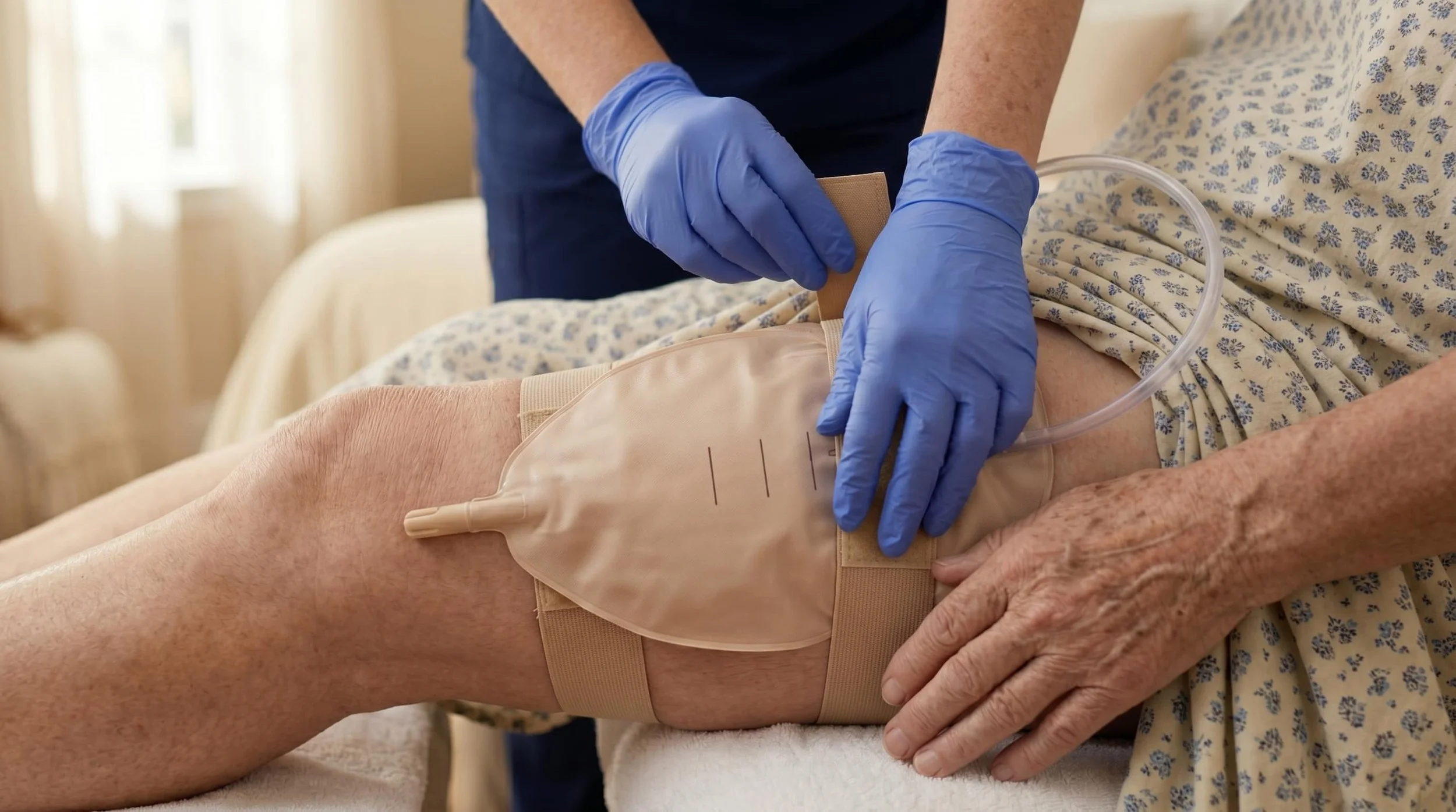
Toileting: The ability to use the restroom and maintain continence.
Mobility: Moving from one place to another, such as getting out of bed.
To preserve mobility, many individuals benefit from Physical Therapy. Specialists at FUNCTherapy focus on functional restoration, helping patients adapt their body’s movements to these daily demands. Furthermore, utilizing proper Medical Supplies, such as walkers or grab bars, can significantly enhance safety during these activities.
Instrumental Skills (IADL)
These are more complex instrumental activity of daily living tasks that allow a person to interact with their community and manage a household:
Meal Preparation and Shopping: Planning and obtaining nutrition.
Housekeeping: Maintaining a clean and safe living environment.
Communication and Finances: Using the phone and managing a budget.
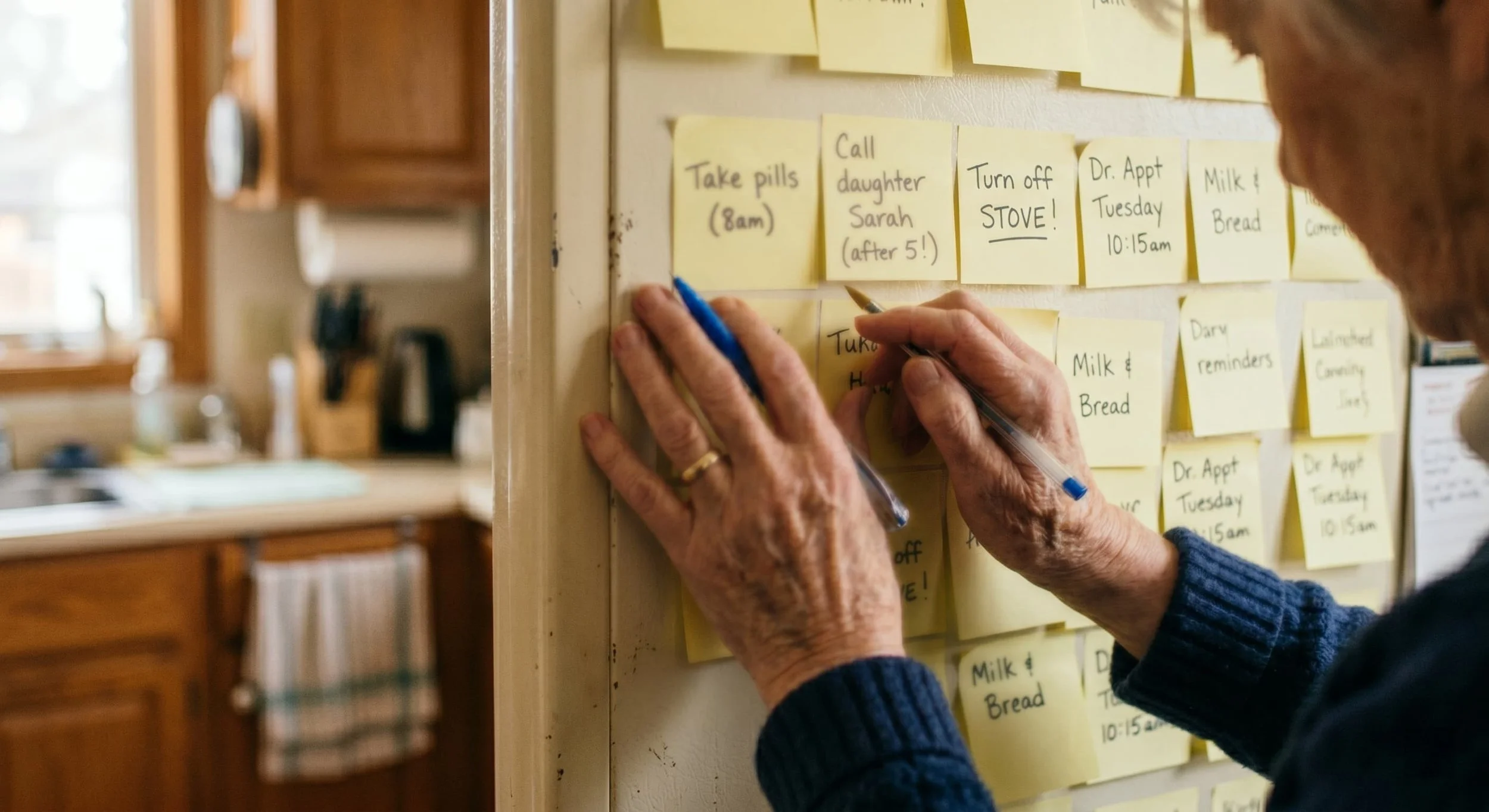
Health Management: Adhering to medication schedules from a Pharmacy and attending diagnostic appointments. For those with limited mobility, services like Onsite Phlebotomy Solutions provide professional blood draws at home, ensuring health monitoring is not interrupted.
The Role of ADL in Medical Practice: Insights from Clinical Experts
Leading health organizations utilize ADL metrics as fundamental indicators of overall health and safety:
CDC (Centers for Disease Control and Prevention): The CDC identifies functional limitations as a primary indicator of disability and a critical factor in public health planning.
NIH (National Institutes of Health): Research from the NIH indicates that a decline in instrumental skills often serves as an early clinical marker for cognitive changes. In such cases, professional Dementia Care Management can help adapt the environment to the patient's needs.
Mayo Clinic: Clinical experts use ADL scores to measure the success of rehabilitation after strokes or surgeries.
Kaiser Permanente (Division of Research): Studies highlight the correlation between functional status and the risk of hospitalization, emphasizing the importance of monitoring these skills within Primary Care.
CMS (Centers for Medicare & Medicaid Services): CMS sets quality standards based on a patient's level of functional independence to ensure optimal care delivery in various settings.
Organizing Support for Functional Decline
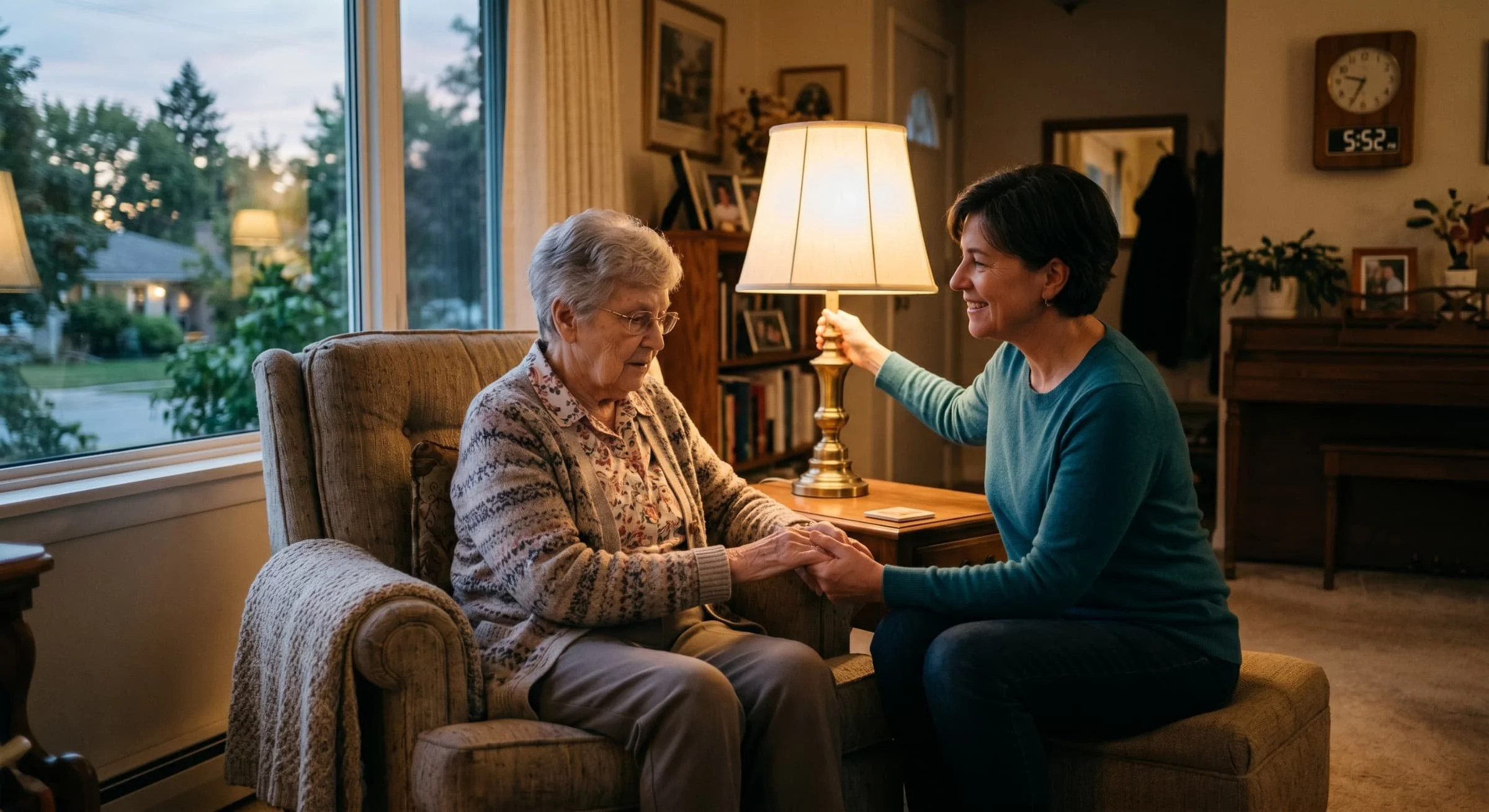
If a loved one requires assistance with ADL, it is vital to organize a supportive structure that prioritizes both safety and dignity.
Clinical Oversight: A consultation with a physician like Allen Jahroumi, M.D., is the first step in diagnosing why these skills are declining.
Home-Based Support: Home Health (medical) and Home Care (non-medical) services allow individuals to receive help in a familiar environment. When clinical supervision is required, ADL nursing ensures that hygiene and mobility needs are met professionally.
Diagnostic Monitoring: Mobile diagnostics, including X-ray, EKG, UZ (Ultrasound), and mobile laboratory services from Onsite Phlebotomy Solutions, make it easier to manage health without the stress of travel.
Specialized Wellness: Services such as Ophthalmology, Audiology, and Dental Services are crucial for maintaining the sensory and physical health needed for independence.
Residential Transitions: If living at home is no longer safe, Assisted Living Connections provides expert Senior Placement Services to find an assisted daily living environment that offers the appropriate level of care.
Professional Assessment and Checklists
To determine if it is time to assist with ADLs, professionals use a standardized activity of daily living checklist. The two most common tools are:
Katz Index: Specifically evaluates the six basic physical functions.
Lawton Scale: Measures the more complex instrumental tasks required for independent living.
Key Takeaway: Functional decline often starts with IADLs (like managing finances or medications) before affecting basic tasks. Recognizing these early changes allows for proactive intervention and the preservation of independence.
Conclusion
Monitoring activities of daily living is a proactive way to safeguard an individual’s health and dignity. By utilizing modern rehabilitation, such as FUNCTherapy, and expert diagnostic services, many functional abilities can be maintained or successfully managed.
FAQ
1. What is an example of an activity of daily living (ADL)?
An example of a basic activity of daily living includes fundamental self-care tasks such as dressing, which involves the ability to choose appropriate clothing and physically manage fasteners like buttons or zippers. Other primary examples include bathing, eating, and toileting, all of which are essential for maintaining personal hygiene and physical survival. Monitoring these tasks is a standard part of a Primary Care evaluation by physicians such as Allen Jahroumi, M.D., to ensure a patient remains safe at home.
2. What is considered an instrumental activity of daily living?
Activities considered IADLs are more complex tasks that require higher-level thinking and organizational skills. Common examples include:
Managing medications: The ability to take the correct dosage at the right time.
Managing finances: The capability to pay bills and handle a personal budget.
Shopping and meal preparation: Planning for and obtaining necessary groceries to maintain nutrition.
Using transportation: Navigating public transit or driving to reach necessary appointments.
3. What is an instrumental activity of daily living (definition)?
An instrumental activity of daily living is a task that allows an individual to interact with their community and successfully manage a household independently. While basic ADLs focus on physical survival within the home, IADLs focus on the cognitive and social abilities required for true autonomy. When these skills decline, families often consult Senior Placement Services like Assisted Living Connections to explore environments that offer the necessary level of daily support.
4. What is not considered an activity of daily living?
Activities that are not considered ADLs include tasks that are not essential for basic self-care or independent living. Examples include:
Recreational hobbies: Activities like gardening for pleasure, painting, or playing a musical instrument.
Employment tasks: Specific duties related to a person’s professional job or career.
Advanced athletics: High-intensity training or competitive sports that go beyond standard functional mobility.
While these activities contribute to a high quality of life, their loss does not necessarily mean a person cannot live safely without a caregiver.
You May Also Like