How to Modify a Home for the Elderly
Table of Content
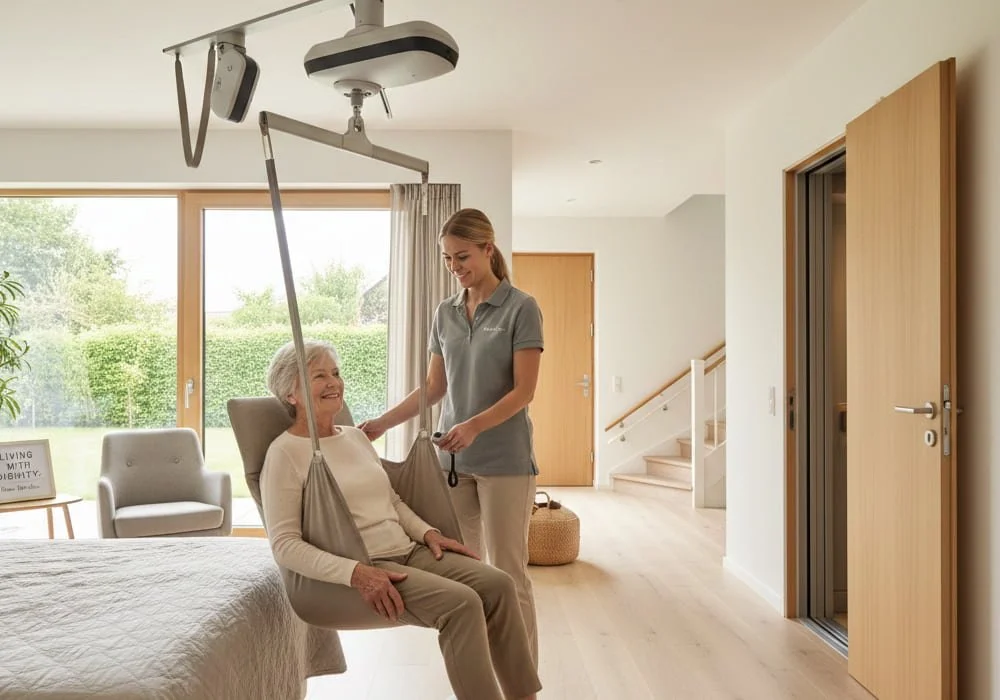
Creating a safe and comfortable environment is key to maintaining independence in older age. As mobility, vision, and coordination change over the years, the home must evolve to meet these needs. This comprehensive home modification for elderly guide is based on recommendations from leading expert organizations such as the CDC (Centers for Disease Control and Prevention), NIH (National Institutes of Health), and Mayo Clinic.
General Improvements: Lighting and Accessibility
According to the CDC, falls are the leading cause of injury among older adults, and many occur due to poor visibility or obstacles in the path. A well-planned fall prevention strategy begins with changing the home environment to significantly reduce fall risk.
Lighting and Vision: It is recommended to install bright bulbs and motion sensors. NIH specialists suggest placing light switches at the top and bottom of every staircase.
Vision Check: Mayo Clinic notes that the risk of falling is directly related to visual acuity. To ensure an older person can clearly see all obstacles, mobile ophthalmology services like MobilEyesNow can provide eye exams and eyeglass fittings directly at home.
Eliminating Thresholds: Whenever possible, interior thresholds should be removed or replaced with low, slanting ramps.
Floor Coverings: All loose rugs must be removed. If a rug must stay, its edges should be secured with double-sided tape or a specialized non-slip backing.
Door Handles: Round knobs should be replaced with lever-style handles, which are much easier to open for those with arthritis or hand weakness. Such home modifications for seniors make daily life significantly more accessible.
The Bathroom: A High-Risk Zone
The bathroom is considered the most dangerous room in the house due to the high probability of slipping.
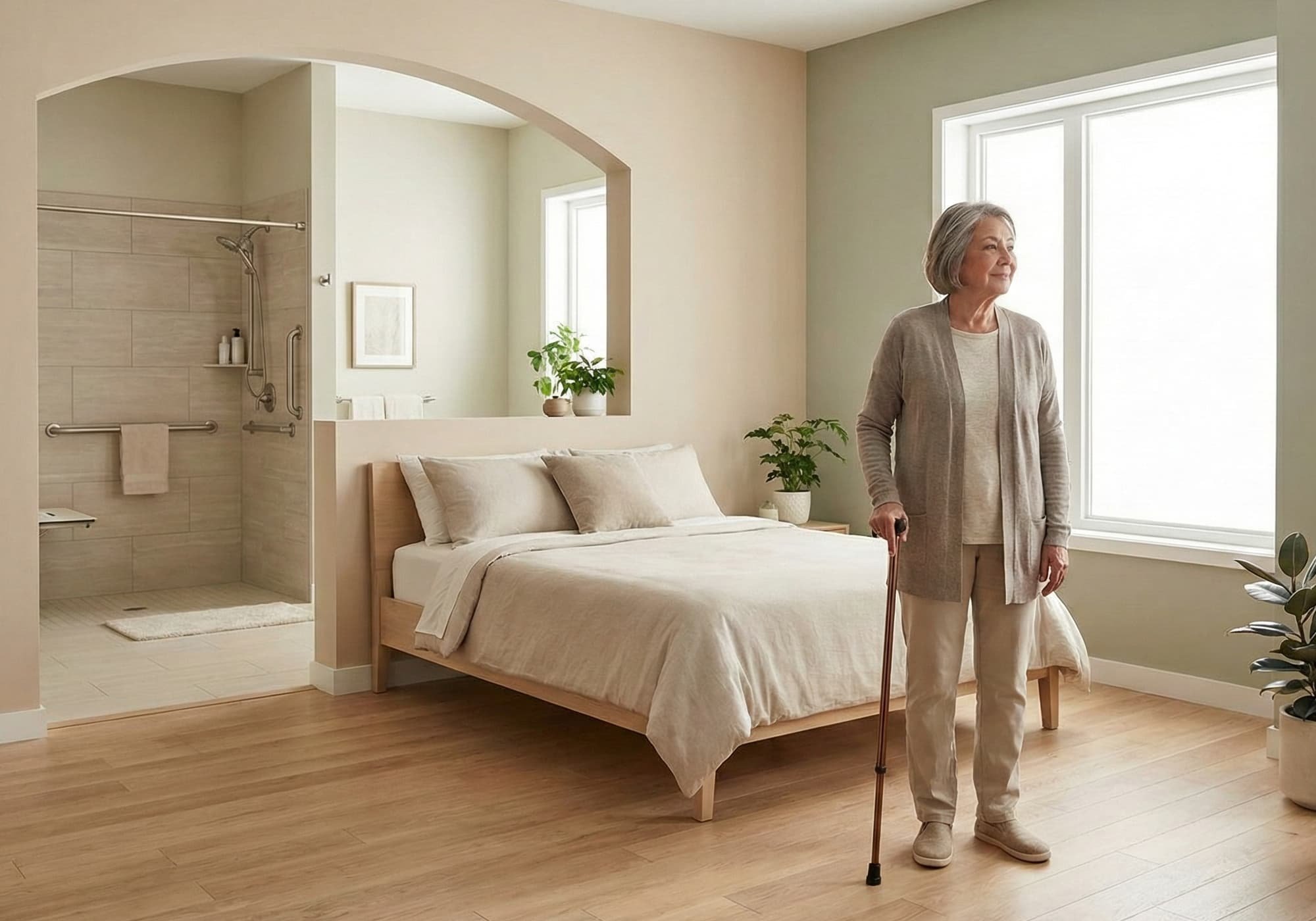
Safety Equipment: It is essential to install a sturdy, stationary grab bar near the toilet and inside the shower area. Professional solutions and high-quality medical supplies can be found through specialized providers like Medlife Medical Supply, which focuses on professional home care products.
Shower and Toilet: If possible, replace a high-walled bathtub with a curbed shower (a shower with a low threshold) or a barrier-free walk-in model.
Comfort and Height: The installation of comfort height toilets, which sit higher than standard models, is recommended to reduce strain on the joints when standing up.
Shower Chair: A specialized seat allows for bathing while sitting, which prevents dizziness and instability.
The Kitchen: Ergonomics and Convenience
The kitchen should be organized to minimize the need to bend down or reach high upwards.
Item Accessibility: Frequently used dishes and food items should be moved to counter level or the lower shelves of upper cabinets.
Pull-out Drawers: Deep lower cabinets are best replaced with pull-out drawer systems; this eliminates the need to get on one's knees to reach items in the back.
Automation: It is recommended to use appliances with an automatic shut-off function to prevent accidents.
Considerations for Cognitive Changes
If an older person faces memory impairment or symptoms of dementia, home modification requires extra attention. In these cases, non-pharmacological interventions are vital: minimizing "visual noise," installing door sensors, and protecting critical utility nodes (gas and water).
To develop an individualized safety plan and receive professional care management support, it is wise to consult specialists such as Dementia Partner. This helps adapt the space so that a person with cognitive changes feels calm and secure.
Stairs and Entrances
Staircases require strict adherence to safety standards.
Double Railings: Handrails should be installed on both sides of the stairs. According to CDC recommendations, they should be continuous and span the entire length of the staircase.
Step Marking: Using contrasting strips on the edges of steps helps with navigation for those with poor vision.
Exterior Zone: Pathways to the house must be cleared of debris and branches, and the porch should be brightly lit.
Physical Activity and Home Diagnostics
Safety is a combination of a well-equipped home and the physical condition of the individual. The concept of aging in place home care suggests that a person can age in a familiar environment if they are provided with the right support.
Balance Training: Research confirms that regular balance exercises are critically important. Specialized assistance, such as that from DizzyCare Physical Therapy, helps train the vestibular system and develop confidence in movement, which serves as the best fall prophylaxis.
Diagnostics Without Travel: Traveling to a medical center is often exhausting and risky for those with limited mobility. Modern services like Gentry Imaging allow for X-rays or ultrasounds to be performed directly at home, ensuring high-quality diagnostics in a familiar and safe setting.
Quick Audit Checklist. What to Check?
Floors
Absence of slippery surfaces and loose wires underfoot.
Lighting
Presence of bright light on stairs and in all dark corridors.
Communication
A phone or emergency contact list within reach of the bed.
Furniture
Stability of items and lack of obstacles in walking paths.
Modifying a home is an investment in the quality of life and peace of mind for the entire family. By exploring every available home modification program and connecting with professional support, you can create an environment that reliably protects your loved ones.
FAQ
-
Home modification is vital because falls are the leading cause of injury among older adults, and adapting the living space significantly reduces these risks. Creating a safe environment allows seniors to maintain their independence and confidence in their own abilities for a longer period of time.
-
The first step should be to focus on lighting and clearing obstacles from the floor. Specialists recommend installing bright lamps in hallways and on staircases, as well as removing all loose rugs, which are a frequent cause of tripping.
-
One can start by installing stationary grab bars near the toilet and in the shower area. Additionally, the Mayo Clinic advises using a shower chair and non-slip mats to minimize the risk of falling on slippery surfaces.
-
Worsening vision directly increases the risk of falls because obstacles become less visible. Regular eye exams and proper eyeglass fittings, which can be organized directly at home through services like MobilEyesNow, are an essential part of injury prevention.
-
To minimize stress and eliminate transportation risks, mobile diagnostic services can be utilized. Services such as Gentry Imaging perform X-rays and ultrasounds in the comfort of a familiar home setting.
-
Safety is a comprehensive approach that must include physical health. Specialized balance training, such as that offered by DizzyCare Physical Therapy, helps strengthen the vestibular system and increases movement confidence when walking.
-
In these cases, non-pharmacological interventions are applied, such as simplifying the interior and installing safety sensors. Specialists from Dementia Partner help create individualized adaptation plans for people living with dementia.
You May Also Like