Top 10 Reasons for At-Home Doctor Visits
In modern healthcare, the return to the practice of home visits has become a response to the public's need for personalized, safe, and high-tech care. Today, a doctor consultation at home is not merely a convenience; it is an effective clinical strategy supported by the world's leading healthcare institutions.
Research published on the National Institutes of Health (NIH) portal confirms that this model of care significantly improves the management of patient conditions and increases overall satisfaction with treatment. Below are 10 key reasons why comprehensive home health care is becoming a priority for many families.
1. Maximum Protection Against Infections
Visiting clinics, especially during seasonal outbreaks, involves a high risk of contact with pathogens. The Centers for Disease Control and Prevention (CDC) emphasize that minimizing time spent in crowded places is one of the most effective ways to prevent the transmission of viruses.
Searching for doctors that make home visits allows patients to turn their living space into a safe zone. This is critically important for families with newborns or individuals with chronic illnesses. Primary care and prevention in such cases are provided by services like RW Family Practice & Preventative Care, which focus on the health of every home health care family member without the unnecessary risk of exposure.
2. Reduced Stress and Accurate Vital Signs
Experts at the Mayo Clinic note the existence of "white coat hypertension"—a condition where a patient’s blood pressure and heart rate rise simply due to anxiety within hospital walls. In a familiar environment, vital signs remain natural, allowing family health care doctors to obtain an objective clinical picture. For those who prefer a holistic approach, providers such as Comprehensive Natural Healthcare combine traditional diagnostics with deep attention to a person’s psycho-emotional state.
3. A Specialized Solution for the Elderly and Mobility-Impaired
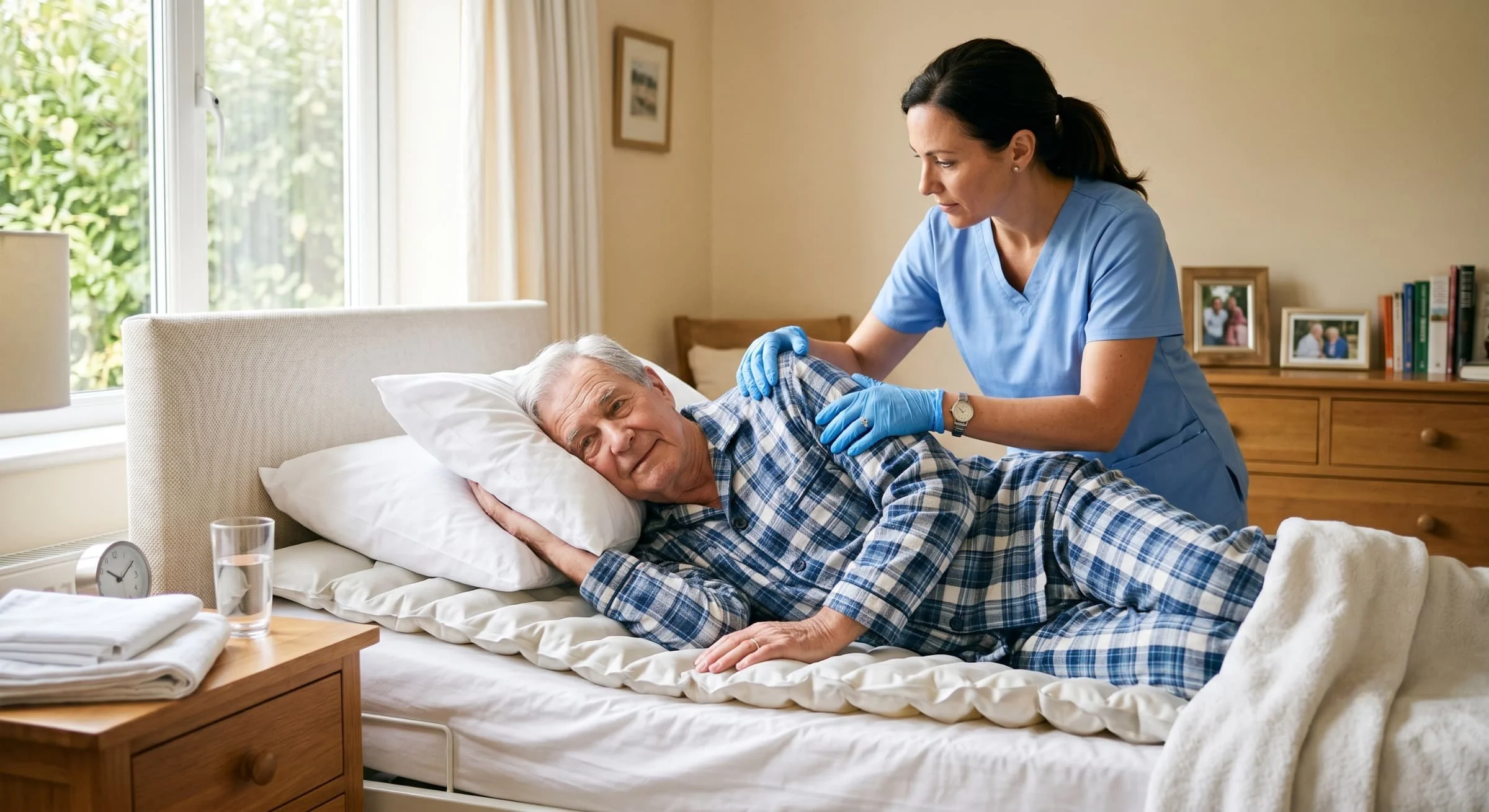
For individuals with injuries or those requiring home doctor visits for the elderly, a trip to the clinic can be painful or physically impossible. In NIH publications, long term home health care is cited as a vital tool for ensuring continuity of treatment.
Modern technology allows for complex patient care services at home to be performed at the bedside. For example, if a person requires an urgent X-ray, mobile services like Gentry Imaging provide digital imaging in the home setting, eliminating the need for distressing transportation.
4. Saving the Most Valuable Resource: Time
The average visit to a clinic takes between 3 to 5 hours. When patients look for doctors who make home visits near me, time is spent exclusively on the consultation. While the specialist is en route, the individual can continue their daily activities or rest. This makes medical assistance an organic part of life rather than a stressful event.
5. Personalized Approach and In-Depth Attention
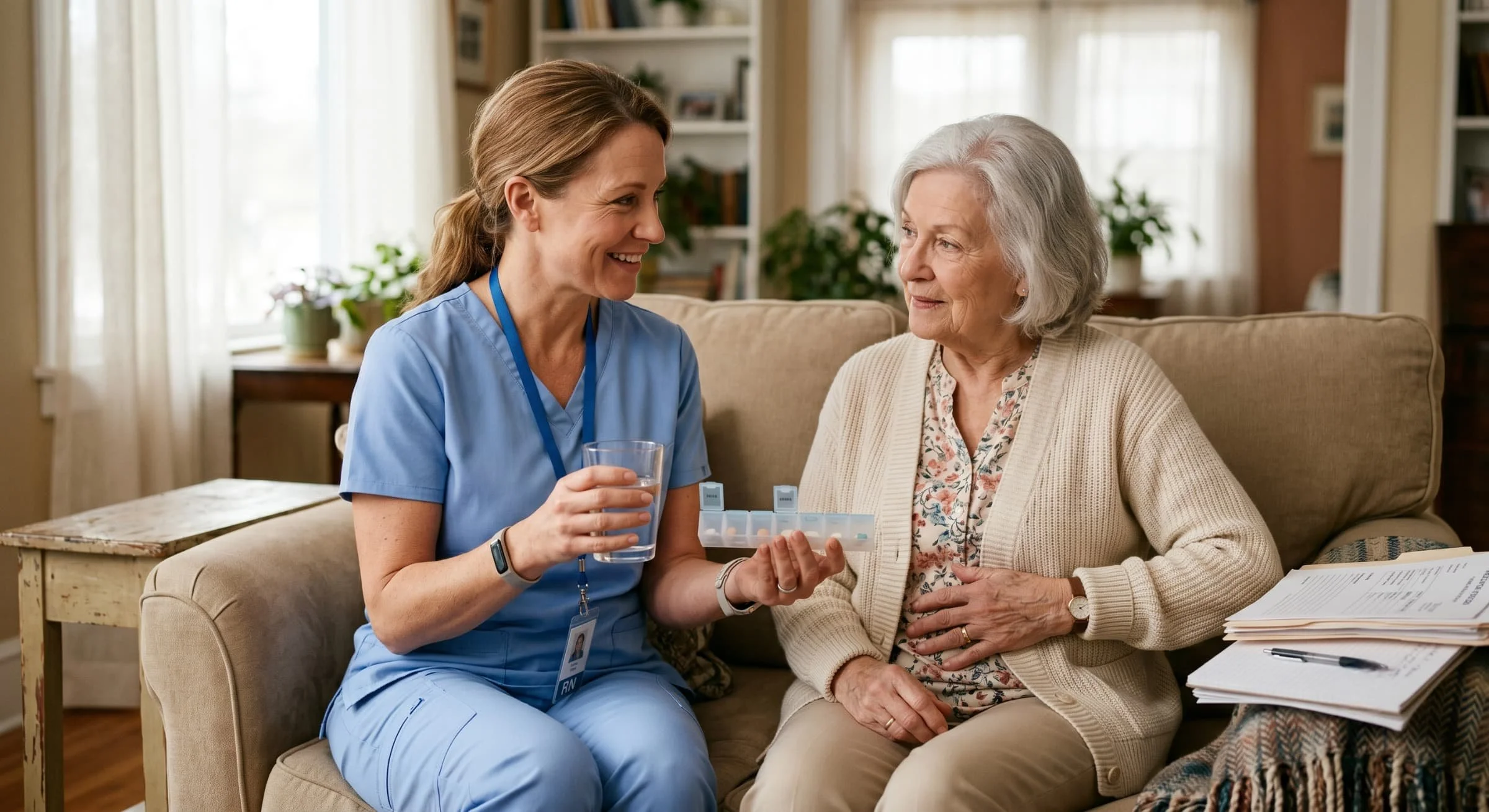
In clinics, doctors are often restricted by strict time limits. At home, a physician can dedicate as much attention as the situation requires. As Mayo Clinic experts point out, the quality of communication directly correlates with the success of treatment. The doctor has the opportunity to discuss the therapy plan in detail and explain the effects of medications.
6. Professional Advanced Wound Care
Caring for post-operative sutures or diabetic ulcers requires sterility and high-level expertise. Traveling to a hospital with an open wound presents an additional risk of infection. Specialized services, such as GotWound.com, bring advanced wound-healing technologies directly to the patient, treating complex cases significantly faster than traditional outpatient settings.
7. Expert-Level Mobile Diagnostics
One of the major benefits of home health care services is the ability to perform high-quality examinations without leaving the house.
Ultrasound and Imaging: Providers like Professional Imaging Network offer mobile imaging using high-resolution equipment.
Laboratory Testing: Accurate diagnosis requires lab work. Services such as Sonic Diagnostic Laboratory provide home-based specimen collection with rapid delivery of results.
8. Assessment of the "Home Ecology"
No office visit can provide a doctor with as much information as a home visit. A physician can notice hidden reasons for home health care needs, such as hidden allergens, improper medication storage, or fall risks. This audit of the living environment helps prevent future injuries and exacerbations of illnesses.
9. Pediatrics Without Tears or Fear
For a child, a hospital is often a frightening place. Surrounded by their own toys, children behave more calmly, allowing the pediatrician to conduct a high-quality examination without the distortions caused by crying or stress. This builds a foundation of trust with medical care from an early age.
10. Comprehensive Treatment: IV Therapy and Infusions
If a condition requires intensive therapy, it can be organized without hospitalization. Finding doctors that do home visits near me for IV therapy preserves comfort and maintains regular sleep patterns, which, according to NIH data, contributes to faster psychological and physical recovery.
Summary
Choosing doctors that make home visits is a modern standard of health care. Relying on data from authoritative sources like the CDC and the Mayo Clinic, and utilizing the services of professional providers, anyone can ensure a high level of safety and quality medical care for themselves and their loved ones in the most comfortable conditions.
FAQ
1. What services can be provided during a doctor consultation at home?
Modern home visits are quite comprehensive. Beyond a standard physical exam, providers can perform diagnostic tests such as EKGs, mobile X-rays, and ultrasounds. You can also receive laboratory testing, advanced wound care, and IV therapy without leaving your house.
2. Are at-home doctor visits safe for the elderly?
Yes, they are often safer than clinic visits. Home doctor visits for the elderly minimize the risk of falling during transportation and eliminate exposure to infections in crowded waiting rooms. It also allows the physician to assess the home environment for safety hazards like slippery rugs or poor lighting.
3. How do family health care doctors perform diagnostic imaging outside of a hospital?
Specialized providers use portable, high-resolution equipment. For example, mobile digital X-ray machines and handheld ultrasound devices can be brought directly to your bedside to provide immediate results.
4. Can I get a blood test or other laboratory work done at home?
Absolutely. Services like comprehensive home health care include mobile phlebotomy. A professional will come to your home to collect samples (blood, urine, etc.) and transport them to a laboratory for analysis, with results sent directly to your physician.
5. Is a doctor consultation at home suitable for children?
Yes, it is highly recommended for pediatrics. Children are generally more relaxed in their own environment with their own toys. This reduces stress and allows the doctor to see the child’s natural behavior, leading to a more accurate assessment.
6. What are the main benefits of home health care services for chronic conditions?
The primary benefits include continuity of care and personalized attention. Long term home health care allows for regular monitoring of conditions like diabetes or hypertension in a real-world setting, which can prevent emergency hospitalizations.
7. How much time should I set aside for a home visit?
While you save 3 to 5 hours on travel and waiting, the actual consultation at home is usually longer and more thorough than in a clinic. You should plan for the doctor to spend the necessary time to discuss your treatment plan in detail without the rush of a typical office setting.
You May Also Like