Home Health Aide (HHA): The Complete Career Guide for 2025
The modern healthcare landscape is shifting toward personalized, home-based care. As the global population ages, the demand for high-quality home caregiving services has reached record levels. At the center of this movement is the home health aide (HHA)—a professional dedicated to ensuring that seniors and individuals with chronic illnesses can remain safe and independent in their own residences.
This guide serves as a detailed roadmap for anyone looking to enter the field or advance their career by understanding the home health care provider job description, training paths, and business growth strategies.
What Is a Home Health Aide?
A home health aide (HHA) is a certified healthcare worker who provides essential daily support to those who are elderly, disabled, or recovering from surgery. While often working as an elderly caregiver, an HHA has more specialized training than a general companion, allowing them to perform basic clinical tasks under the supervision of a Registered Nurse (RN).
In the healthcare ecosystem, an HHA is a vital bridge between clinical medicine and home comfort. They are the "eyes and ears" of the medical team, observing changes in a patient’s health that might otherwise go unnoticed.
What Services Does Home Health Care Provide?
When families ask, "what services does home health care provide?", they are looking for a blend of physical, medical, and emotional support. An HHA's role is multifaceted and tailored to each client's unique needs.
Assistance with Activities of Daily Living (ADLs)
A core part of the job involves helping with activities of daily living. For those wondering, "what is activities of daily living?", these are essential self-care tasks that include:
Personal Hygiene: Bathing, grooming, dressing, and dental care.
Mobility: Safely transferring patients from bed to a wheelchair or assisting with walking to prevent falls.
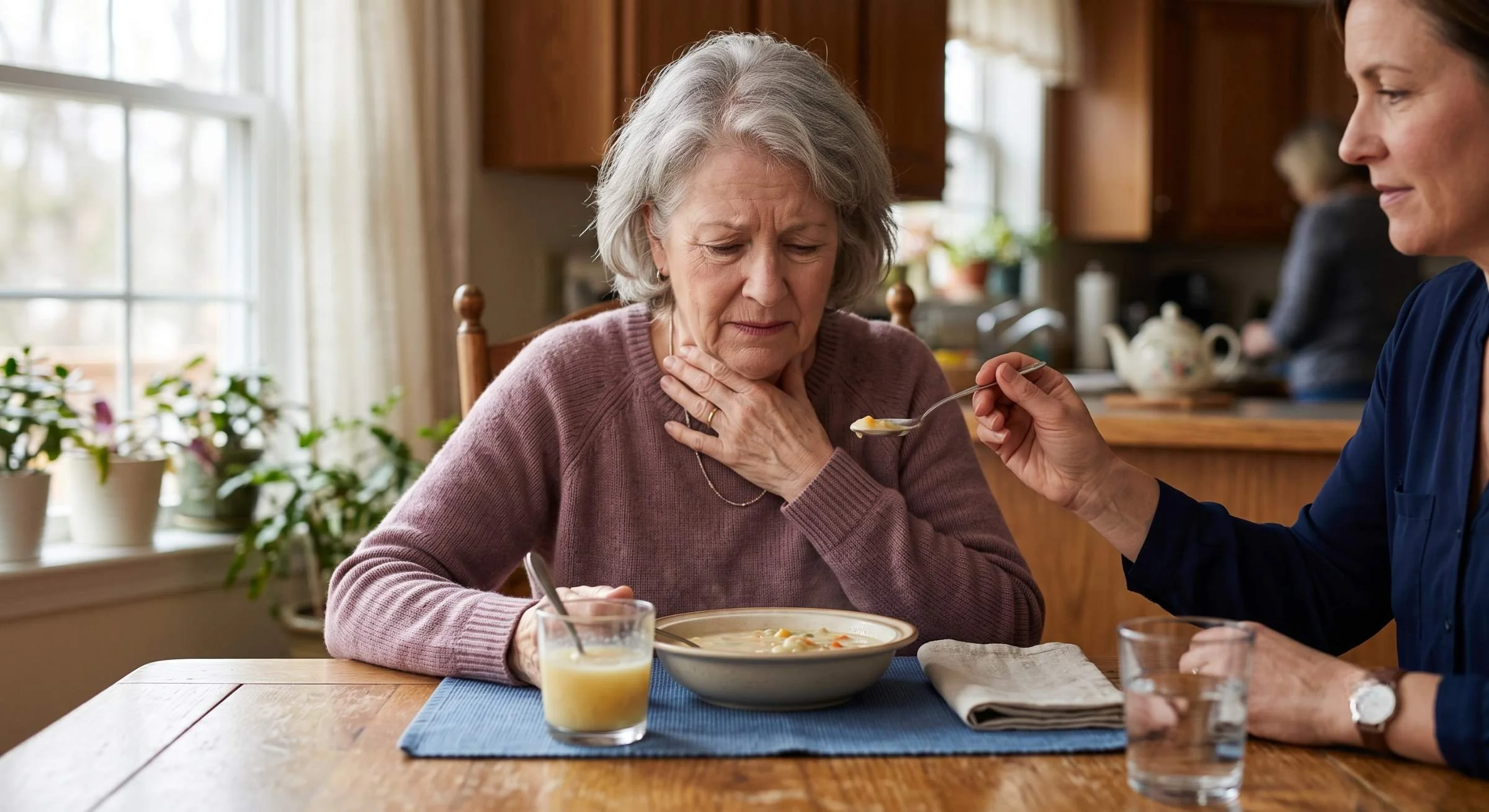
Nutrition: Preparing meals that adhere to specific dietary restrictions and assisting with feeding.
Clinical and Household Support
Beyond personal care, an HHA is responsible for:
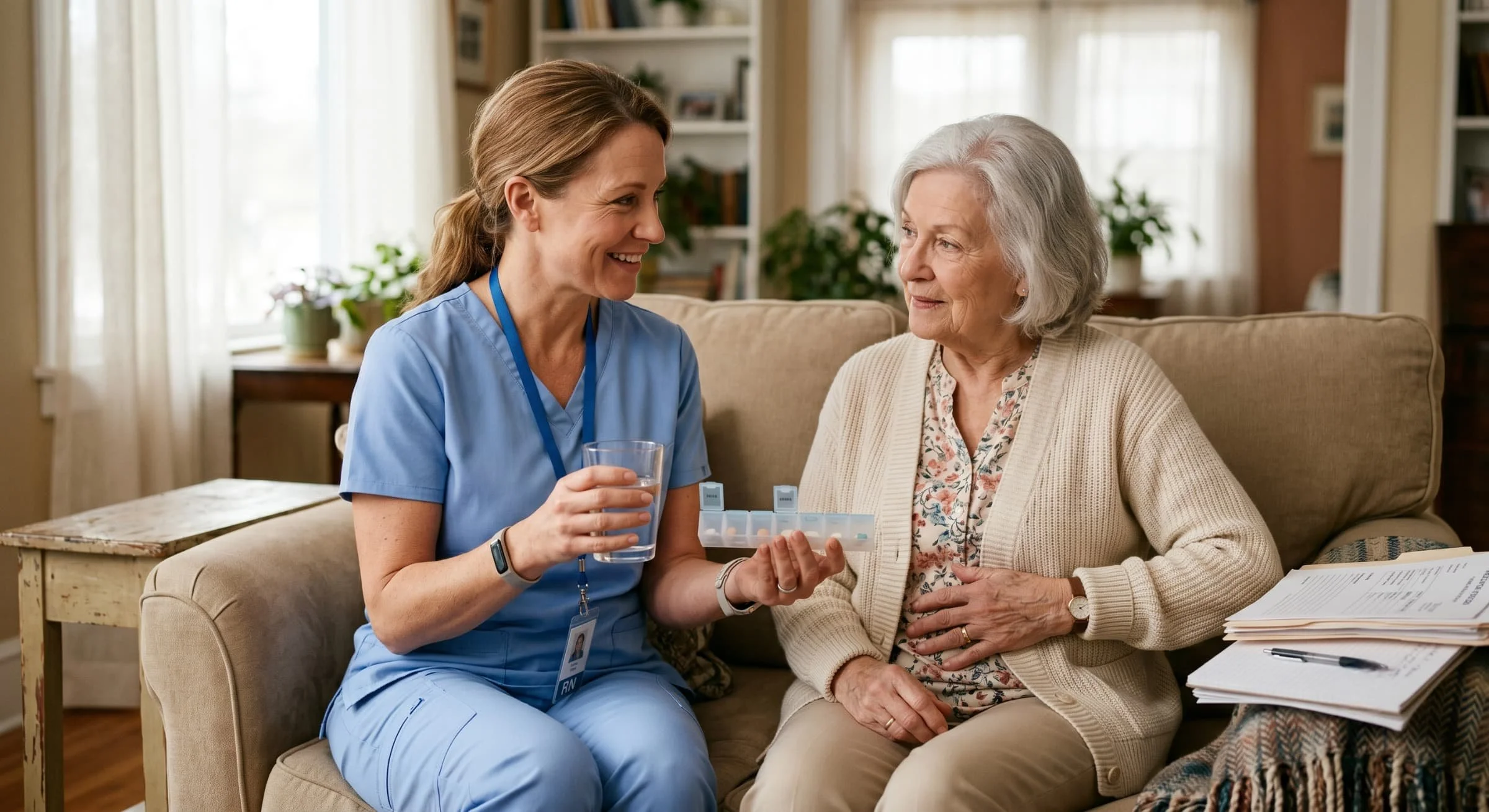
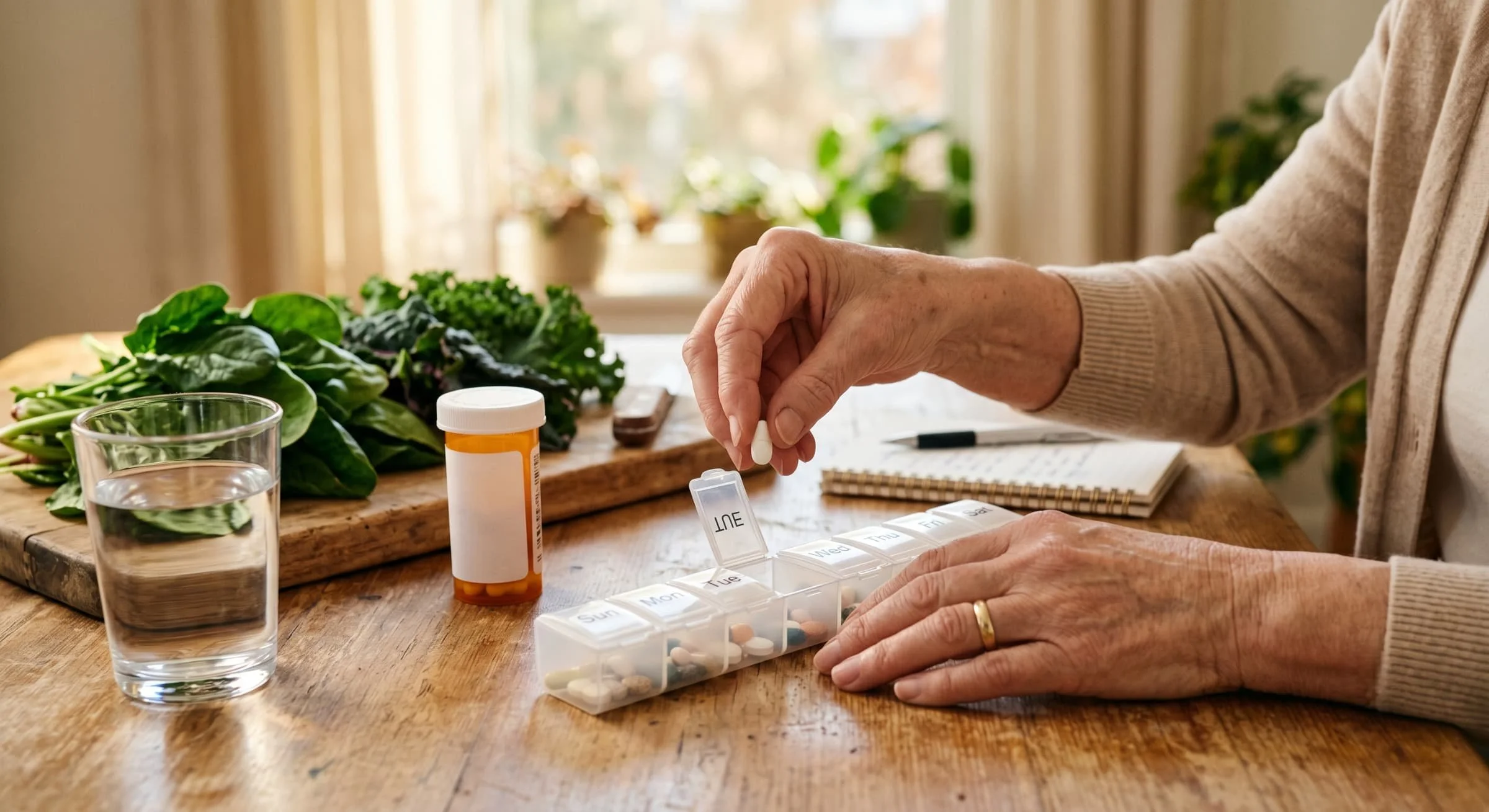
Management Medication: Providing reminders for doses and monitoring for side effects.
Wound Care: Assisting with simple dressing changes for minor injuries or post-surgical sites.
Health Monitoring: Regularly recording vital signs like temperature, pulse, and blood pressure.
Companionship: Reducing social isolation by engaging in conversation and social activities.
Why Choose Home Care vs. Nursing Homes?
For many families, choosing a Home Health Care Service over a nursing home is a matter of both comfort and cost.
Cost-Effectiveness: Home care is often more affordable, averaging around $186 per day for six hours of care compared to over $400 per day for nursing home residency.
Independence: Receiving care at home allows individuals to retain their routines and dignity in a familiar environment.
Personalized Attention: Home care providers offer one-on-one support that is rarely possible in large-scale facilities.
Salary and Career Outlook
Researching the salary for home health aide reveals a promising financial future in high-demand markets.
Average Pay: In 2025, HHAs typically earn between $16 and $21 per hour, depending on their location and certifications.
Top Paying States: New York, Washington, and California offer some of the highest wages to match their rigorous training standards.
Job Stability: The U.S. Bureau of Labor Statistics projects a 22% to 25% growth in this field over the next decade, making it one of the most stable career paths in healthcare.
How to Become a In Home Health Care Provider
The process for how to become a in home health care provider is standardized yet varies slightly by state.
Educational Requirements: A high school diploma or equivalent is generally required.
Federal Training Standard: Federal law mandates a minimum of 75 hours of training, with at least 16 hours of supervised clinical practice.
State Specifics:
New York: Requires 75 hours of HHA training with hands-on experience.
Washington: Mandates 75 hours within the first 120 days of work plus 12 hours of annual continuing education.
California: Requires initial training plus annual renewals.
Certification Exam: You must pass a written and practical exam demonstrating your ability to handle tasks like safe transfers and vital sign monitoring.
Advanced Career and Growth Options
An HHA certification is often a stepping stone to more advanced roles.
Dementia Care Management: Specialized training in behavioral strategies for Alzheimer's and dementia patients.
Transition to Nursing: Many HHAs use their experience to become Licensed Practical Nurses (LPNs) or Registered Nurses (RNs).
Hospice Care: Providing specialized emotional and physical support for terminally ill patients.
Starting Your Own Home Health Care Service
Experienced professionals often transition from being an aide to becoming a home health care provider by launching their own agency. This entrepreneurial path involves several critical steps:
Market Research: Identifying gaps in local care and community needs.
Licensing and Compliance: Every state has unique licensing requirements through the Department of Health (DOH).
Staffing: Recruiting qualified home health aides (HHA) and RNs to oversee clinical quality.
Marketing: Building referral networks with Senior Placement Services, local hospitals, and physicians.
Certification: Obtaining Medicare/Medicaid certification is essential if your agency plans to accept government-funded insurance.
FAQ
1. What is the difference between a general caregiver and an HHA?
A caregiver is often a family member or an individual providing non-medical companion care without formal certification. In contrast, a home health aide (HHA) is a trained professional who has completed a state-approved program and is authorized to perform specific clinical tasks under the supervision of a nurse.
2. Can an HHA administer medication to a patient?
The primary role of an HHA involves management medication, which includes providing reminders and tracking the patient's schedule to ensure safety. However, the actual authority to directly administer or dispense medications depends on specific state regulations and the level of professional nursing oversight provided in that region.
3. How long does HHA training take?
According to federal standards, the minimum training requirement to enter this field is 75 hours, which must include at least 16 hours of supervised clinical practice. Many states have established higher requirements for those pursuing a home health care provider job description, often reaching 120 hours or more of total instruction.
4. What is activities of daily living (ADLs)?
What is activities of daily living refers to the essential self-care skills needed for a patient to live independently. An HHA helps with personal hygiene like bathing and skin care, mobility tasks such as assistance with walking or transferring from a bed to a wheelchair, and nutrition-related tasks like meal preparation and feeding assistance.
5. How do I find an accredited training program?
To find an accredited training program, it is best to contact your local Department of Health or research programs offered by community colleges. It is crucial to ensure the program is state-approved and meets the federal 75-hour minimum standard before enrolling.
6. Why is a Home Health Care Service often preferred over a nursing home?
Receiving care at home allows an elderly caregiver to help the patient maintain their independence and daily routine in a familiar environment. Furthermore, a Home Health Care Service is generally more cost-effective and provides personalized, one-on-one attention that is difficult to achieve in large institutional facilities.
You May Also Like