Emotional and Mental Health in Later Life: Carrying What We Don’t Say
Table of Content
Older adults are often praised for being strong and uncomplaining, and many carry a great deal without saying a word. Yet emotional and mental health matter just as much at eighty as at eighteen. Later life brings real joys, but also losses, changes, and quiet worries that can weigh on the heart. This article looks gently at what older adults often carry in silence, how mental health shifts with age, how loneliness affects seniors, how body and mind are linked, and the kinds of mental health support that can lighten the load and help someone feel more like themselves again.
Why Emotional Health Matters as We Age
Emotional health shapes how we handle stress, relate to others, and find meaning in a day. It does not disappear or matter less with age. In fact, the National Institute on Aging notes that most older adults feel satisfied with their lives, even while facing more physical challenges than younger people. Tending to emotional and mental health is part of aging well, not a sign of weakness.
It also helps to remember that emotional needs do not shrink with age. The wish to be useful, to be seen, and to belong stays with us for a lifetime. When those needs go unmet – after retirement removes a daily role, or after a move separates someone from old friends – the effect on wellbeing can be as real as any physical ailment. Paying attention to these needs is not self-indulgent; it is basic care.
Emotional Health Is Not the Same as Sadness
Feeling down now and then is a normal part of life. Emotional health is broader: it is the ability to move through hard feelings, stay connected, and keep a sense of purpose. Good emotional mental health does not mean never struggling; it means having the inner and outer resources to cope when life gets heavy.
What Older Adults Often Carry in Silence
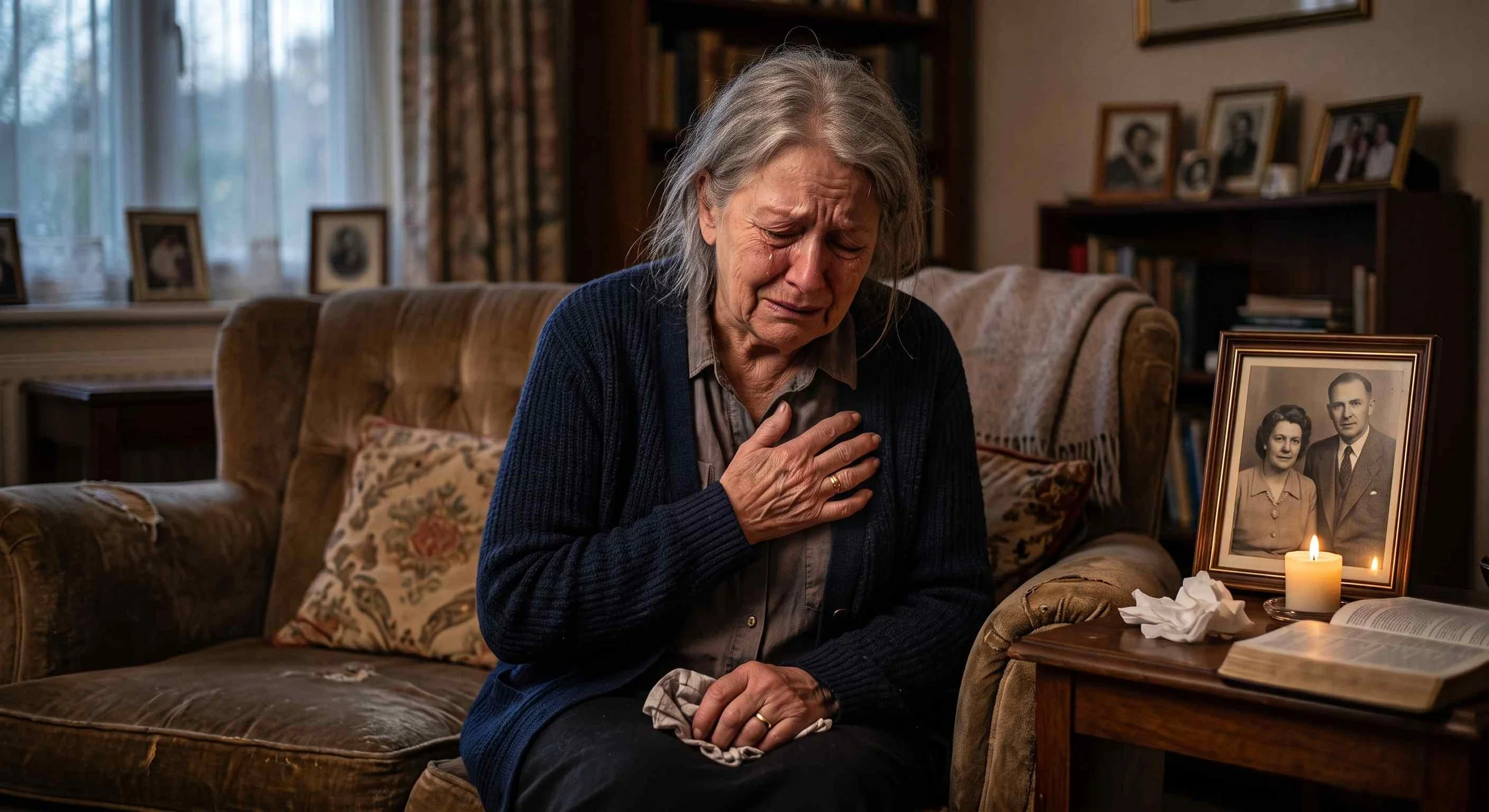
Grief for friends and a spouse, worry about health or money, the ache of feeling like a burden, and the slow loss of familiar roles can all sit quietly beneath a calm surface. Because many older adults were raised not to complain, these feelings often go unspoken. Naming them, even to one trusted person, is often the first step toward relief.
Depression Is Common but Not a Normal Part of Aging
One of the most important messages about mental health in later life is this: depression is common among older adults, but it is not a normal part of getting older. The National Institute on Aging is clear that depression is a serious mood disorder that can be treated, and that for most people it improves with care. Treating it as “just old age” can keep someone from getting help that works.
Signs to Notice
Depression in older adults can be hard to spot. Sadness is not always the main sign; some people feel emotional numbness, a loss of interest in things they once enjoyed, irritability, or physical complaints like aches and low energy. When several of these last more than two weeks, it is worth talking with a doctor. Mental health support exists, and reaching out is a sign of strength, not failure.
About Depression Tests and Quizzes
You may have seen an online depression test, a mental health test, or depression quizzes that offer a quick score. These screening tools can be a helpful nudge to pay attention, but they cannot diagnose anyone. Only a qualified professional can do that, usually through a conversation and an evaluation. If a quiz or your own gut tells you something is off, treat it as a reason to reach out rather than a final answer.
How Loneliness Affects Seniors
Connection is not a luxury; it is a health need. As people age they often spend more time alone, and that isolation can quietly take a toll on both mind and body.
The Health Toll of Isolation
Loneliness and social isolation are linked to a higher risk of depression, and the Centers for Disease Control and Prevention report that about one in three adults report feeling lonely, with older adults at particular risk after losses and changes in health. The CDC also notes that social isolation and loneliness raise health risks, and geriatric specialists have written about how social isolation affects older adults’ health, from mood to memory to the heart. The point is not to frighten anyone, but to take connection as seriously as we take blood pressure.
Staying Connected Through Change
Major life changes – retirement, moving, or the loss of a partner – can deepen isolation, and some families get help navigating those transitions through services like
Senior Home Transitional Services. Small, steady steps help: a regular phone call, a shared meal, a class, or a faith community. When getting out is hard, in-home support such as A Better Solution In Home Care can bring companionship and a helping hand into the home. The National Institute on Aging offers practical tips for staying connected that make reaching out feel doable.
Relationships, Intimacy, and Feeling Whole
Emotional health in later life also includes closeness, affection, and intimacy. These needs do not switch off with age, even though they are rarely discussed. Feeling desired, touched, and understood is part of feeling whole.
For some older adults, old griefs or past experiences live on in the body and shape how safe they feel with closeness; writers on somatic work describe how trauma can be held in the body long after the event. Supportive, shame-free spaces such as Sex & Sensibility help people explore intimacy and connection in a gentle way. Honoring this part of life, rather than treating it as off-limits, supports emotional mental health at any age.
When Body and Mind Are Linked
Emotional health and physical health are not separate departments; they lean on each other constantly. A painful hip, poor sleep, or a new diagnosis can pull mood down, while low mood can sap the energy needed to stay active and eat well. Seeing the whole picture helps families respond with compassion instead of frustration.
How Illness Can Affect Mood
Certain medical conditions and even some medications can bring on symptoms that look like depression. Chronic pain, heart disease, stroke, and thyroid problems can all affect how a person feels emotionally. That is one reason a medical check-up matters when mood changes: a doctor can look for physical causes that are treatable, so no one is left assuming that feeling low is simply their lot in life.
Small Physical Steps, Real Emotional Gains
The reverse is true as well. Gentle movement, time outdoors, steady sleep, and balanced meals each nudge mood in a better direction. Physical activity in particular has been shown to help lift spirits and ease stress. None of this requires a gym or a strict plan; a short daily walk, a little stretching, or tending a few plants can be enough to start a positive loop between body and mind. For older adults managing several conditions at once, these small habits are a quiet but powerful form of mental health support.
Finding Support
No one has to carry it all alone. Support comes in many forms, from professional care to everyday habits, and combining them tends to work best.
Talking to a Doctor
A doctor is a good starting point. They can rule out medical causes, talk through what you are feeling, and connect you with counseling or other care. Geriatric-focused physicians such as Rebecca Cook, M.D. understand how mood, medications, and aging interact. When leaving home is difficult, some people prefer to choose a doctor who can visit them at home, so a check-in does not depend on a trip to a clinic.
Everyday Habits That Protect Mood
Between visits, simple routines protect emotional health: regular physical activity, good sleep, nourishing meals, and staying in touch with people. Meaningful, purposeful activity matters too – even gentle activities for comfort and purpose can lift the spirit and give shape to a day. These are not cures, but they build a foundation that makes hard seasons easier to weather.
Leaning on Family and Community
Professionals are only part of the picture. Family members, neighbors, faith communities, senior centers, and support groups all form a web of care that catches people on hard days. Something as simple as a standing weekly visit, a shared hobby, or a volunteer role can restore a sense of belonging and purpose. If you are worried about an older relative, you do not need the perfect words; showing up, listening without rushing to fix, and asking how they are really doing often means more than any advice. Building that web before a crisis makes emotional and mental health easier to protect for everyone involved.
If you or someone you love is struggling, help is available. In the United States, the 988 Suicide and Crisis Lifeline can be reached any time by calling or texting 988. Reaching out is always worth it, and things can get better with support.
FAQ
-
No. Depression is common among older adults, but it is not a normal part of aging, and it is treatable. The National Institute on Aging notes that most older adults feel satisfied with their lives, and that depression usually improves with counseling, medication, or both.
-
No. A depression test, mental health test, or online quiz is a screening tool, not a diagnosis. It can prompt you to pay attention, but only a qualified professional can diagnose depression, usually through a conversation and an evaluation.
-
Loneliness and social isolation are linked to a higher risk of depression and other health problems. Older adults are especially at risk after losses and changes in health, which is why staying socially connected is an important part of emotional health.
-
Signs can include lasting sadness or emotional numbness, loss of interest in favorite activities, irritability, low energy, and physical complaints like aches. When several signs last more than two weeks, it is worth talking with a doctor.
-
A doctor is a good starting point and can connect a person with counseling and other care. Family, friends, support groups, and in-home help also matter. In a crisis, the 988 Suicide and Crisis Lifeline is available any time by calling or texting 988.
You May Also Like