What Helps with Nausea During Pregnancy and Abdominal Pain?
What helps with nausea during pregnancy and how to manage gastrointestinal health and abdominal pain during pregnancy are among the most frequently discussed topics in any obstetrician-gynecologist’s office. The period of expecting a child is accompanied by a massive physiological restructuring where the digestive organs face a double burden. While the resulting discomfort is often a natural consequence of the body's adaptation, knowing when to consult a specialist, such as Roseller Ditangco, M.D., helps maintain both peace of mind and overall health.
The Biological Foundations of Digestive Changes
The Impact of Progesterone on Muscle Tone
The transformation of the gastrointestinal system begins almost immediately after conception. The primary driver is the surge in hormones, specifically progesterone. This hormone is essential for relaxing the smooth muscles of the uterus to prevent premature contractions.
However, this relaxation effect is not localized. It affects the entire digestive tract, slowing down peristalsis—the wave-like contractions that move food. While this allows more time for nutrient absorption, it also leads to common complaints such as bloating and constipation.
Mechanical Pressure and Uterine Expansion
As the pregnancy progresses, the physical presence of the growing uterus becomes a dominant factor. By the second and third trimesters, the uterus displaces the stomach and intestines upward and outward. This mechanical pressure reduces stomach capacity and further slows food transit. Consequently, the combination of hormonal chemistry and physical shifting makes digestive management a top priority for expectant mothers.
Morning Sickness: Understanding Nausea and Vomiting
Timing: How Early Can You Get Nausea from Pregnancy?
One of the most frequent questions asked by newly pregnant women is: how early can you get nausea from pregnancy? For many, symptoms begin as early as the fifth or sixth week of the first trimester. While colloquially termed "morning sickness," this sensation can occur at any time of the day or night. It is often triggered by fluctuations in blood sugar or heightened sensitivity to specific odors.
Practical Tips on How to Avoid Vomiting During Pregnancy
Understanding how to avoid vomiting during pregnancy often involves a "little and often" approach to nutrition. To maintain a settled stomach, the following habits are recommended:
Small, Frequent Meals: Consuming five to six small snacks instead of three large meals prevents the stomach from becoming too full or too empty.
Morning Routine: Keeping plain crackers or dry toast by the bedside to eat before sitting up in the morning.
Hydration Techniques: Sipping fluids slowly throughout the day rather than drinking large amounts during meals.
Trigger Avoidance: Identifying and removing strong odors, such as certain spices, perfumes, or cleaning products, from the immediate environment.
Finding What Helps with Nausea During Pregnancy
When searching for what helps with nausea during pregnancy, natural remedies are often the first line of defense. Knowing what to do when you feel nausea in pregnancy can prevent symptoms from escalating:
Ginger Products: Utilizing natural ginger ale, ginger tea, or candies to soothe the stomach lining.
Vitamin B6: Discussing B6 supplementation with a healthcare provider to regulate metabolic responses.
Acupressure: Using sea-bands or pressure point therapy on the wrists to reduce the "vomiting sensation."
By learning how to get rid of vomiting sensation in pregnancy, women can maintain their nutritional intake and energy levels more effectively throughout the first trimester.
Doctor2me: Revolutionizing Care Through Home Visits
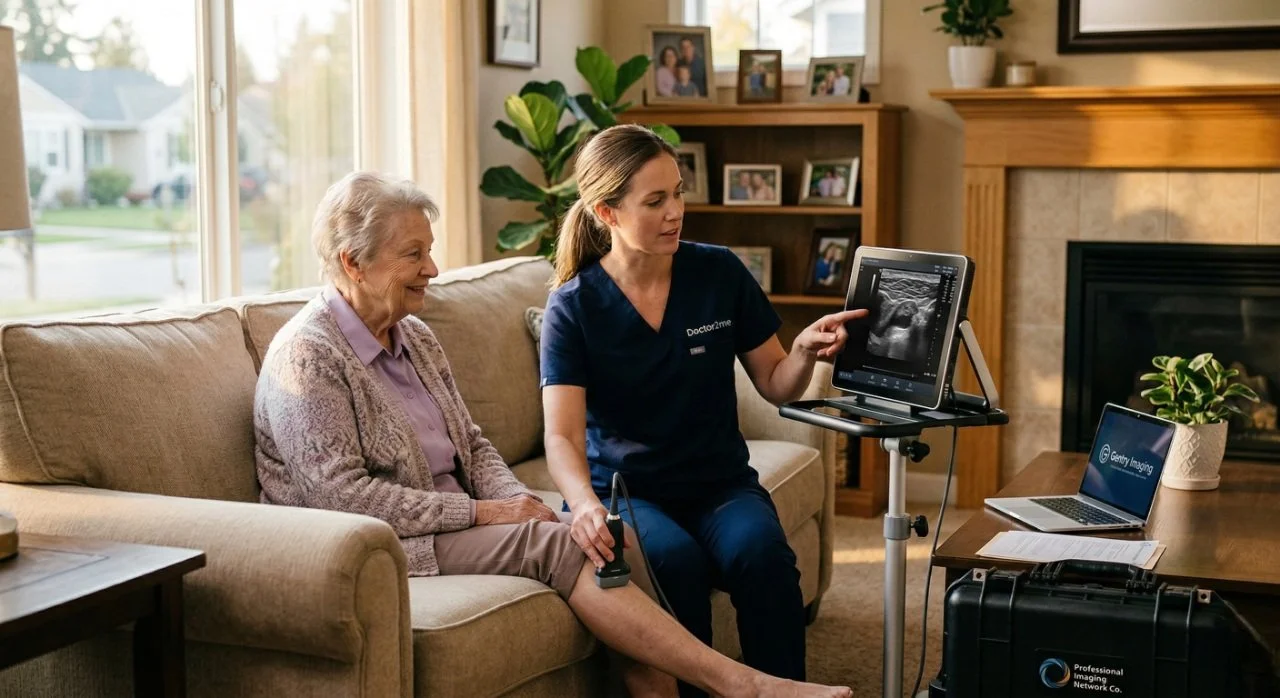
In the modern healthcare landscape, receiving medical attention without leaving home is a significant advantage. Doctor2me bridges the gap between patient needs and professional care by bringing the doctor directly to the patient's doorstep.
Why Expectant Mothers Choose Doctor2me
The traditional model of seeking care often involves long drives and sitting in crowded waiting rooms. For a woman experiencing acute abdominal pain or severe nausea, this process can be grueling. Doctor2me offers a superior alternative:
At-Home Comfort: The physician conducts a full medical evaluation in the patient’s own living room, reducing physical strain.
Reduced Pathogen Exposure: Staying home eliminates the risk of contracting seasonal illnesses from other patients.
Direct Access to Specialists: Patients can receive a personalized plan for what helps with nausea during pregnancy without the typical administrative delays.
Managing Chronic Conditions: Peptic Ulcers and Gastritis
Does Stomach Ulcer Affect Pregnancy and Fetal Growth?
A common concern for women with a history of digestive issues is: does stomach ulcer affect pregnancy? While a peptic ulcer during pregnancy does not typically harm the fetus directly, complications such as maternal anemia or severe weight loss can impact fetal growth. Managing pain is essential to ensure the mother can maintain a balanced, nutrient-rich diet.
Recognizing the Signs of Peptic Ulcer During Pregnancy
The treatment for peptic ulcer during pregnancy requires a careful balance. It is vital to recognize the symptoms early:
Hunger Pains: A sharp, burning sensation in the upper abdomen that temporarily improves after eating.
Nocturnal Discomfort: Pain that wakes the patient up in the middle of the night when the stomach is empty.
Changes in Stool: Any signs of dark or tarry stools, which may indicate a bleeding ulcer.
Consulting with a specialist like gastroenterologist Cameron Sikavi, M.D. is essential for managing these conditions safely. Additionally, systemic changes can lead to pregnancy ulcers in mouth, which signal a need for adjusted nutritional support. For those who have dealt with ulcers in pregnancy first trimester, ongoing monitoring is the key to preventing a recurrence.
Diagnostic Support and Wellness Networks
At-Home Lab Services
If nausea leads to persistent vomiting, it is important to monitor electrolyte levels to prevent dehydration. Onsite Phlebotomy Solutions offers mobile lab services, allowing a patient to have blood drawn for testing in the comfort of their home.
Advanced Imaging Safety
In cases where diagnostic clarity is needed, safe imaging is paramount. Professional Imaging Network specializes in diagnostic services that prioritize patient safety. They ensure that any necessary imaging, such as an ultrasound, is conducted with the highest standards of care.
Preventative Care Partnerships
Establishing a relationship with a comprehensive care provider like RW Family Practice & Preventative Care ensures that a woman has a home base for all her health needs as the pregnancy progresses.
The journey of pregnancy is a testament to the body’s incredible resilience. While gastrointestinal discomfort and abdominal pain are common companions, they do not have to be endured without professional support.
By utilizing modern services like Doctor2me for at-home consultations and working with dedicated specialists, women can ensure their health is prioritized. Whether it is finding the best treatment for peptic ulcer during pregnancy or learning how to get rid of vomiting sensation in pregnancy, professional medical guidance remains the cornerstone of a healthy pregnancy.
FAQ
How early can you get nausea from pregnancy?
Most women begin to experience symptoms early in the first trimester, typically around the fifth or sixth week. However, because every body is unique, some may feel the first signs of queasiness shortly after a missed period, while others may not experience it until later in the second month.
What helps with nausea during pregnancy on a daily basis?
To manage daily discomfort, many find that keeping the stomach from being completely empty is key. Eating small, protein-rich snacks, using ginger products (like tea or lozenges), and ensuring adequate intake of Vitamin B6 are common recommendations. If symptoms persist, a home consultation with a provider via Doctor2me can help create a personalized relief plan.
How to avoid vomiting during pregnancy when triggers are present?
The best way to prevent episodes is to identify and eliminate sensory triggers. This often involves avoiding strong cooking smells, heavy perfumes, and flickering lights. Additionally, eating a few plain crackers before even sitting up in bed in the morning helps stabilize blood sugar and reduces the likelihood of morning emesis.
Does stomach ulcer affect pregnancy or the baby’s development?
While a peptic ulcer during pregnancy does not typically cause direct harm to the fetus, it can lead to maternal complications like anemia or weight loss due to an inability to eat comfortably. These factors can indirectly impact fetal growth, making it essential to manage the condition under the guidance of a specialist like Cameron Sikavi, M.D.
What to do when you feel nausea in pregnancy and it becomes overwhelming?
If you are struggling with a persistent vomiting sensation in pregnancy, prioritize hydration above all else. Try taking small sips of electrolyte-rich fluids. If you cannot keep any liquids down, it is important to seek medical advice immediately to prevent dehydration. Services like Onsite Phlebotomy Solutions can even perform hydration-level checks at your home.
Are pregnancy ulcers in mouth a normal symptom?
Yes, some women develop pregnancy ulcers in mouth (canker sores) due to hormonal fluctuations, increased gum sensitivity, or specific vitamin deficiencies (like B12 or folic acid). While usually harmless, they can be painful and may indicate that your nutritional intake needs adjustment.
How to get rid of vomiting sensation in pregnancy naturally?
Natural methods include acupressure (using sea-bands), deep breathing exercises in well-ventilated areas, and consuming cold foods, which tend to have less aroma than hot dishes. Peppermint tea or sniffing fresh lemon slices can also provide immediate, temporary relief from the urge to vomit.
Is it common to experience ulcers in pregnancy first trimester?
While pregnancy hormones often reduce stomach acid, some women still face ulcers in pregnancy first trimester due to stress or pre-existing conditions. Because many standard treatments are not safe during the early stages of fetal development, all treatment for peptic ulcer during pregnancy must be approved by a healthcare professional.
You May Also Like