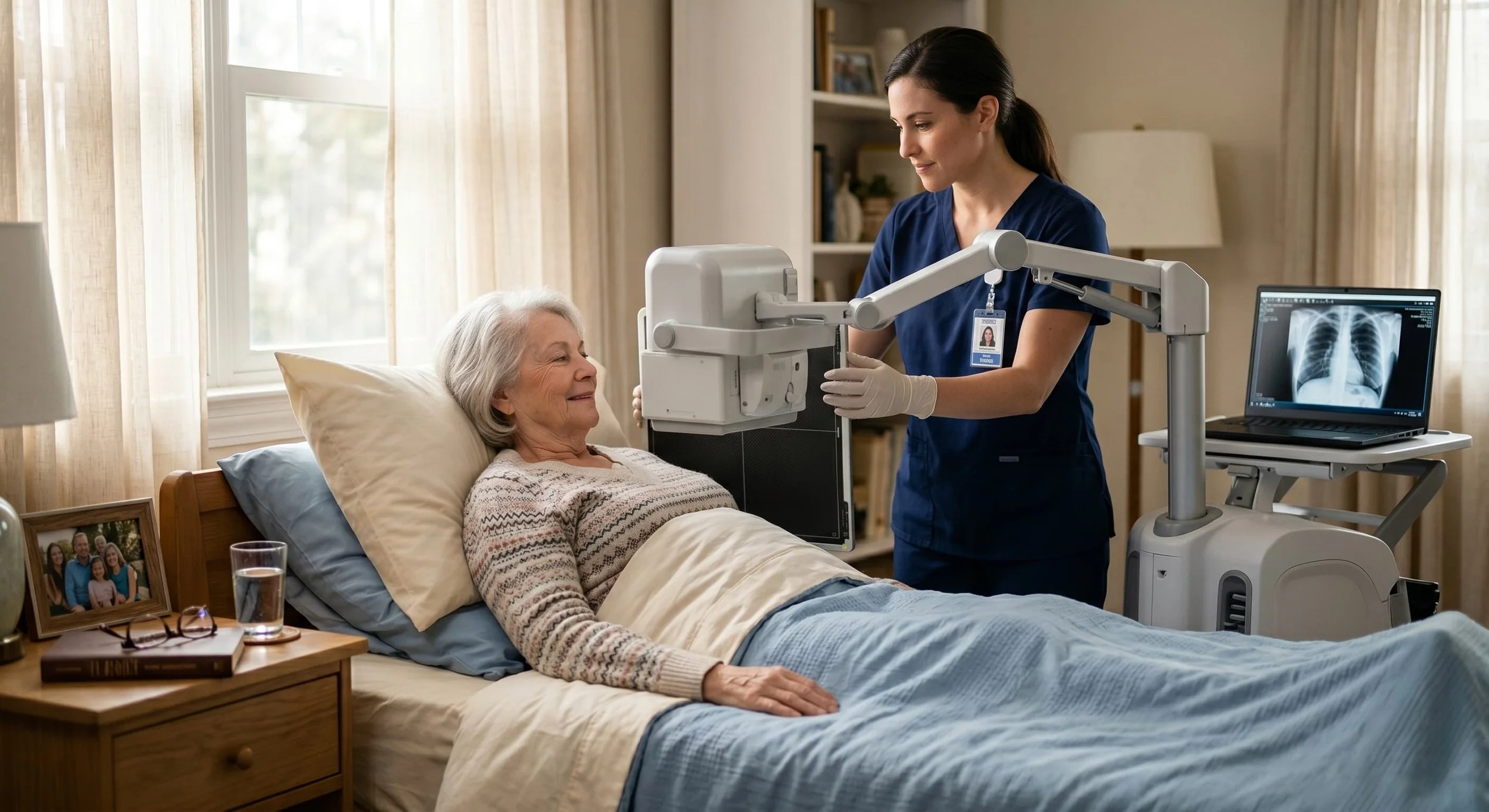
Comprehensive Insights and Essential Tips on How to Lower Blood Pressure
High blood pressure is a chronic medical condition in which the force of the blood against the arterial walls is consistently elevated. It is fundamentally important to understand that hypertension is high blood pressure, a state that demands rigorous clinical attention from specialists such as Vera Kleynberg, M.D., as well as an informed approach to implementing effective tips on how to lower blood pressure.
When left unmanaged, this persistent pressure causes systemic damage to the vascular architecture. Over time, it leads to catastrophic failures in the heart, kidneys, and brain. In the medical landscape of 2026, hypertension remains one of the most significant yet preventable contributors to global mortality.
The Epidemiology of a "Silent Killer"
The primary clinical challenge of hypertension is its asymptomatic nature. Many individuals live for years without realizing their internal organs are under duress. This lack of overt warning signs is why medical professionals frequently refer to it as the "silent killer."
In many cases, the first indication of a problem is a major cardiovascular event. Patients often ask, "can you get a heart attack with normal blood pressure?" While a normal reading at the time of an event is a positive sign, a heart attack can still occur if the arteries have been progressively damaged by years of past hypertension, high cholesterol, or other metabolic stressors.
Recognizing the Statistical Impact
According to data from the CDC (Centers for Disease Control and Prevention) updated for 2026, the situation remains critical:
Approximately 48% of the adult population in the United States currently lives with hypertension.
Of those diagnosed, only about one in five (20%) effectively maintains their pressure within a healthy range.
This gap in management highlights the necessity for better diagnostic access and more consistent home monitoring.
Organizations such as the Mayo Clinic emphasize that the absence of physical discomfort does not equate to the absence of vascular decay. Current research demonstrates that even "pre-hypertensive" states are directly linked to accelerated cognitive decline and the early stages of chronic kidney disease.
Deciphering the Numbers: What is Considered Normal Blood Pressure?
To effectively manage cardiovascular health, one must first be able to interpret the data provided by a sphygmomanometer. Many patients search for what is normal blood pressure by age, operating under the outdated assumption that "higher is normal for older people."
However, modern clinical guidelines from the NIH (National Institutes of Health) have shifted toward a more unified standard. While some slight variance is expected with age due to natural arterial stiffening, the goal for most adults remains a consistent reading below 120/80 mmHg.
Essential Reading: Table Blood Pressure
Blood pressure is recorded using two metrics: systolic pressure (the pressure when the heart beats) and diastolic pressure (the pressure when the heart rests between beats). The following table blood pressure guide reflects the 2026 clinical standards used for diagnosing and staging the condition:
| Category | Systolic (Top Number) | Diastolic (Bottom Number) |
|---|---|---|
| Normal | Less than 120 | and Less than 80 |
| Elevated | 120–129 | and Less than 80 |
| Hypertension Stage 1 | 130–139 | or 80–89 |
| Hypertension Stage 2 | 140 or higher | or 90 or higher |
| Hypertensive Crisis | Higher than 180 | and/or Higher than 120 |
Determining What is Normal
When asking what is considered normal blood pressure, it is important to look at averages over time rather than a single reading. Maintaining pressure within the "Normal" range is the primary objective of preventative medicine.
If a patient consistently falls into the "Hypertension Stage 1" category, immediate intervention is required. This often involves a combination of lifestyle changes and professional oversight from Internal Medicine or Family Medicine practitioners, such as the expert team at New Life Medical.
Doctor2me: The Future of Personalized Hypertension Care
For many individuals, the search for blood pressure monitoring near me ends at a local pharmacy or a crowded clinic. However, these environments can be counterproductive to obtaining an accurate reading.
"White coat hypertension"—a phenomenon where a patient's blood pressure spikes due to the stress of a clinical setting—often leads to inaccurate diagnoses and unnecessary prescriptions. This is where Doctor2me offers a transformative solution for modern patients.
Why Home-Based Care is Superior
By bringing the physician directly to the patient's home, Doctor2me eliminates the environmental stressors of travel, traffic, and clinical waiting rooms. The benefits of this model include:
Increased Accuracy: Baseline readings are taken in a calm, familiar environment.
Personalized Observation: A physician, such as Vera Kleynberg, M.D., can observe the patient's lifestyle and environment firsthand.
Enhanced Comfort: Patients are more relaxed, leading to better communication and more thorough examinations.
Time Efficiency: No time is wasted in transit, making it easier to fit health management into a busy schedule.
The convenience and comfort of a home visit ensure that patients are more likely to adhere to their monitoring schedules and follow-up appointments, which is the cornerstone of long-term hypertension control.
Investigating Causes: From Lifestyle to Physiology
The development of hypertension is rarely the result of a single factor. Instead, it is typically a confluence of genetics, environment, and daily choices.
The Impact of Diet and Caffeine
The modern diet is often saturated with hidden sodium, which causes the body to retain fluid, thereby increasing blood volume and pressure. Furthermore, the caffeine effect on blood pressure is a significant concern for those who consume multiple stimulants daily. Caffeine can cause a temporary but sharp increase in blood pressure by blocking a hormone that helps keep arteries widened.
Weight Management and Medication Myths
There is a common misconception among patients regarding pharmacological intervention. Many ask, "does blood pressure pills cause weight gain?"
In reality, the vast majority of modern antihypertensive medications, such as ACE inhibitors or ARBs, do not contribute to weight gain. In fact, by stabilizing the cardiovascular system, these medications often make it easier for patients to engage in the physical activity necessary for healthy weight loss.
The Anxiety and Stress Connection
Chronic stress and anxiety play a dual role in hypertension. They can cause temporary spikes in pressure and contribute to long-term arterial damage. In some cases, a physician may prescribe specific blood pressure and anxiety medications to address the physiological symptoms of stress while simultaneously protecting the heart.
Addressing these issues requires a holistic perspective, often found in the practice of seasoned family physicians like Cleo Tsolakoglou-Williams, M.D., who focuses on treating the whole person rather than just the symptoms on a chart.
Remedies for High Blood Pressure: Natural and Clinical Paths
Achieving a healthy blood pressure often requires a "multi-modal" strategy. While medication is sometimes necessary, various remedies for high blood pressure can significantly reduce the need for high dosages and improve overall vitality.
Nutritional Interventions
Understanding which foods to eat to control blood pressure is vital for any long-term management plan. The DASH (Dietary Approaches to Stop Hypertension) diet is highly recommended. Essential dietary habits include:
Increasing Potassium: Foods like sweet potatoes, spinach, and bananas help the kidneys flush out excess sodium.
Magnesium and Calcium Intake: Found in nuts, seeds, and low-fat dairy, these minerals aid in vascular relaxation.
Limiting Processed Sugars: Excess sugar intake is increasingly linked to arterial inflammation and metabolic syndrome.
The Role of Herbs and Supplements
Many patients look for ways to reduce high blood pressure with herbs. While ingredients like garlic extract, hibiscus tea, and omega-3 fatty acids show promise in clinical studies, they should never replace a prescribed medical regimen. Instead, they should be viewed as supplementary tools to be discussed with a healthcare provider during a home visit or consultation.
The Necessity of Clinical Diagnostics
To accurately gauge the effectiveness of these remedies, regular blood work is essential. Facilities like Sonic Diagnostic Laboratory provide the comprehensive metabolic panels and lipid profiles necessary for a doctor to see the "full picture" of a patient's cardiovascular health and internal organ function.
Specialized Care and Long-Term Management
Hypertension is a systemic disease, meaning it affects nearly every organ system over time. Consequently, its management often requires expertise from multiple specialized fields of medicine.
Ophthalmology and Vision Protection
The small, delicate blood vessels in the eyes are often the first to show signs of damage from high pressure. This condition, known as hypertensive retinopathy, can lead to permanent vision loss if left untreated.
Specialists in Ophthalmology and Mobile Eye Care services are trained to detect these changes during routine exams, providing an early warning system for the rest of the body. Looking at the retina allows a doctor to "see" the state of your vascular system without an invasive procedure.
Geriatrics and Cognitive Health
As individuals age, the risk of hypertension-related complications increases significantly. Within the realms of Geriatric Care and Dementia Care Management, maintaining a "normal" blood pressure is considered a primary defense against vascular dementia. Consistently high pressure damages the small vessels in the brain, leading to micro-strokes and cognitive decline that may go unnoticed for years.
Essential Medical Equipment
To maintain a proactive stance, patients must have access to reliable diagnostic tools. Medlife Medical Supply, Inc provides high-quality, clinical-grade home blood pressure monitors. Having a reliable, calibrated device at home is the only way to track progress and understand how to get blood pressure normal through daily habit changes.
Managing hypertension is a lifelong journey that requires a partnership between the patient and a dedicated medical team. Whether through the implementation of dietary changes, the use of targeted remedies for high blood pressure, or the convenience of a home visit from Doctor2me, the goal remains the same: the prevention of long-term vascular damage.
It is important to differentiate between daily management and emergency situations:
Emergencies: In cases where blood pressure rises to dangerous levels—specifically anything above 180/120 mmHg—immediate intervention at an Urgent Care center is required.
Daily Management: Consistent check-ups and screenings within a Primary Care framework are the most effective way to ensure a long, healthy life.
By staying informed and utilizing modern resources, anyone can take control of their cardiovascular health and move toward a future free from the complications of hypertension.
FAQ
1. What is considered normal blood pressure, and when is it too high?
According to the 2026 guidelines supported by the NIH (National Institutes of Health), a healthy reading is generally below 120/80 mmHg. The categories for adult blood pressure are as follows:
Elevated: 120–129 systolic / less than 80 diastolic.
Hypertension Stage 1: 130–139 systolic / 80–89 diastolic. At this level, medical practitioners such as the team at New Life Medical typically recommend immediate lifestyle interventions.
Hypertension Stage 2: 140/90 mmHg or higher.
Hypertensive Crisis: Any reading higher than 180/120 mmHg requires emergency medical attention.
2. Why is hypertension called a "silent killer," and what are the symptoms?
The CDC (Centers for Disease Control and Prevention) and the Mayo Clinic emphasize that high blood pressure often has no obvious symptoms. Most people feel perfectly fine even as their organs are being damaged.
In rare cases, patients may experience morning headaches, dizziness, or blurred vision.
Because hypertension is high blood pressure that often hides, regular screening is the only definitive way to detect it before a heart attack or stroke occurs.
3. How does high blood pressure affect the kidneys and other organs?
Persistent high pressure causes significant vascular "wear and tear." The Mayo Clinic notes that it damages the delicate filtration system in the kidneys, which is a leading cause of chronic kidney disease. Additionally:
It strains the heart, leading to heart failure or aneurysms.
It affects the eyes by damaging retinal blood vessels, making regular consultations with Ophthalmology specialists essential.
Current 2026 research links chronic hypertension to accelerated cognitive decline and Dementia Care Management needs.
4. What are the statistical risks for different populations?
Data from the CDC for 2026 shows that nearly 48% of adults in the U.S. have hypertension, yet only about 20% have it under control.
Statistical disparities exist: African American adults have the highest prevalence of hypertension (approximately 54%) and often develop the condition earlier in life with more severe complications.
Age remains a major factor, though Primary Care physicians, including Cleo Tsolakoglou-Williams, M.D., are seeing an increase in cases among younger adults due to sedentary lifestyles and high sodium intake.
5. Why is home monitoring recommended, and how do I do it correctly?
Research from Kaiser Permanente indicates that patients who monitor their pressure at home are 50% more likely to reach their health goals than those who only check it at a clinic.
Accuracy depends on using clinical-grade equipment, such as monitors provided by Medlife Medical Supply, Inc.
Home monitoring helps eliminate "white coat hypertension," where stress in a clinical setting causes a temporary, misleading spike in readings.
6. What are the benefits of a home visit from Doctor2me?
The Doctor2me service provides a unique advantage by sending experts like Vera Kleynberg, M.D., directly to your home.
This allows for a comprehensive evaluation in a relaxed environment, ensuring the most accurate baseline readings possible.
Physicians can order diagnostic blood work on the spot, with samples processed by Sonic Diagnostic Laboratory, to check cholesterol levels and kidney function.
7. What are the best foods to eat to control blood pressure?
The NIH promotes the DASH (Dietary Approaches to Stop Hypertension) diet as a gold standard for cardiovascular health.
Boost Potassium: Incorporating fruits and vegetables helps the body eliminate excess sodium.
Reduce Salt: Lowering sodium intake to 1,500–2,300 mg daily significantly reduces vascular strain.
Nutrient-Dense Choices: Focus on whole grains, lean proteins, and magnesium-rich nuts to support arterial relaxation.
You May Also Like