Hidden Signs of Dehydration in Seniors: A Critical Guide for Families
Expert Insight: Dehydration in older adults is a “silent” problem. As people age, the body stops telling them they’re thirsty the way it used to. So the first signs often show up as sudden changes in behavior or trouble keeping balance. Catching these signs early is the best way to keep a senior out of the emergency room.
The Complex Reality of Dehydration in Seniors
Keeping seniors hydrated is one of the hardest parts of caring for older adults in the United States. Younger people get a clear feeling of thirst when their fluid levels drop. Older adults often don’t. Their sense of thirst becomes weaker. That means by the time a senior actually feels thirsty, they’re already dehydrated enough to need medical attention.
Why Hydration for Elderly Patients is So Difficult
Less water in the body overall: As we age, we lose muscle and gain fat. Muscle holds more water than fat does. So the body’s natural water supply gets smaller.
Weaker thirst signal: The part of the brain that tells you to drink doesn’t work as well in older adults. A senior can go a whole day, even in hot weather, without ever feeling thirsty.
Kidneys that don’t hold water as well: Aging kidneys can’t save water the way younger kidneys can. That means more fluid leaves the body through urine.
Drinking less on purpose: A lot of seniors limit how much they drink because they’re worried about leaking, or because getting to the bathroom in time is hard for them.
Identifying the “Hidden” Signs of Dehydration in Older Adults
Older adults usually don’t show the obvious signs of dehydration, like heavy sweating. Families have to look for the less obvious ones instead. If you spot the changes below, talk to a primary care provider or a doctor who specializes in seniors. They can help with hydration and prevent bigger problems down the road.
1. Sudden Confusion and Cognitive Shifts
One of the scariest signs of dehydration in older adults is sudden confusion. Doctors call this delirium. Recent clinical studies (2025) confirm that dehydration is a major independent risk factor for new delirium in older hospital patients.
What’s happening: When fluid levels drop, the balance of salt and minerals in the blood gets thrown off, and less blood flows to the brain.
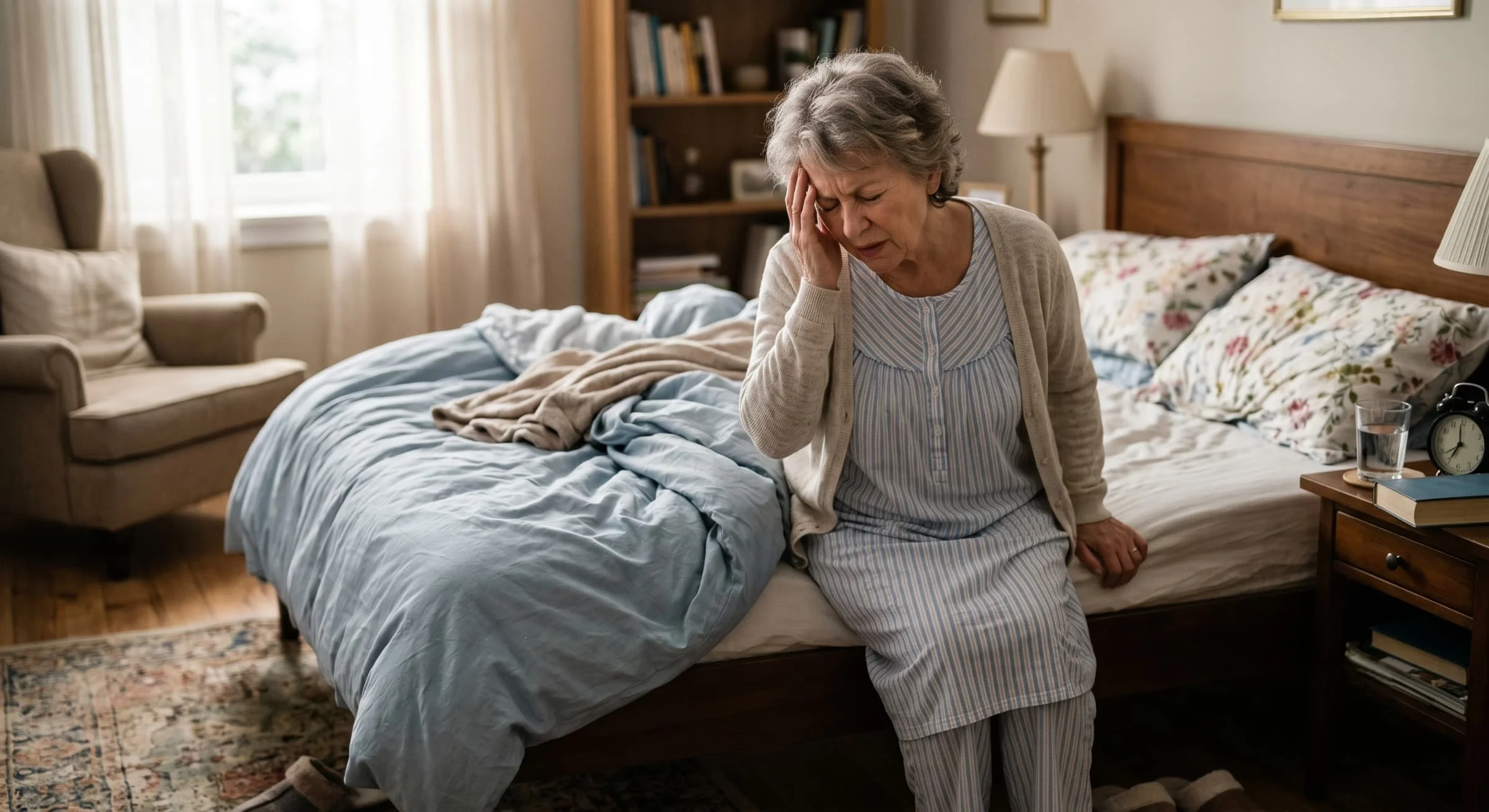
What to look for: If your loved one is suddenly disoriented, can’t follow a conversation, or seems like a different person, don’t brush it off as “just old age.” It often means their brain isn’t getting the fluid it needs to work right.
2. Loss of Balance and Seniors Falling
Not drinking enough also lowers blood pressure, especially when you stand up from sitting or lying down. According to updated clinical reviews (2025), dehydration is one of the main reasons older adults get this kind of blood pressure drop. It often leads to fainting and falls.
Loss of balance in older adults is often tied to this blood pressure drop.
The risk: Falls are one of the top reasons seniors end up in the hospital or with long-term disability in the U.S. If a senior feels dizzy or lightheaded after standing up, that’s a strong signal they don’t have enough fluid in their body.
3. Elderly Sleeping All Day and Extreme Fatigue
When the body doesn’t have enough fluid, the blood gets thicker. The heart has to work harder to move oxygen around. All that extra effort wears the body out fast.
The symptom: If you notice an older parent sleeping all day or losing interest in things they normally enjoy, it might not be depression or just “slowing down.” Their body may be in low-power mode because they’re not drinking enough.
4. UTI Symptoms in Elderly Populations
There’s a direct link between not drinking enough water and getting urinary infections. In fact, recent protocols for preventing repeat UTIs in frail older adults (2024) list structured hydration support as one of the first non-drug ways to fight UTIs.
UTI symptoms in older adults often look different than they do in younger people. Instead of the usual burning feeling when they pee, seniors may show more confusion or restlessness.
The connection: Without enough water to flush the urinary system, bacteria can grow. Good hydration is the first line of defense against repeat infections.
5. Dry Mouth and Bad Breath
Spit (saliva) is important for keeping the mouth healthy and helping with digestion. Dehydration makes the glands that produce saliva stop working, leading to what some people call “cotton mouth.”
The warning sign: Constant bad breath or a sticky feeling in the mouth are clear, easy-to-see signs that a senior needs water right away.
10 Signs Your Elderly Parent Needs Help with Hydration and Care
If you’re the child of an aging parent, you may feel like you’re nagging when you keep asking them to drink water. But it helps to know when reminders aren’t enough anymore and it’s time to bring in real help.
Tired for no clear reason: They’re always tired, even after sleeping well.
Dark urine: It looks like apple juice instead of a pale yellow color.
Sunken eyes: Their face looks different. The eyes look set deeper than usual.
Muscle cramps: Especially in the legs at night.
Dizziness: They keep mentioning feeling “woozy.”
Trouble swallowing: Dry mouth makes eating harder.
Frequent headaches: A common sign of mild dehydration that’s been going on a while.
Skin that doesn’t bounce back: Skin loses elasticity with age, but if you gently pinch the skin near the collarbone and it stays tented up, that can be another sign of dehydration.
Irritability: Sudden mood swings are often linked to a foggy brain from not enough fluid.
More falls: Any new pattern of losing balance in an older parent should be treated as a medical priority.
If you see several of these 10 signs in your elderly parent, it may be time to reach out to the Doctor2me network to put together a better care plan at home.
The Science of Hydration: What the Research Shows
Modern senior care is built on real evidence. Recent studies have changed how doctors think about dehydration in older adults.
Research findings:
How we check matters: Reviews and research show that simple checks, like looking for a dry tongue, often miss dehydration in older patients.
Basic training isn’t enough: Clinical audits in care facilities (2026) show that basic awareness about dehydration is often shockingly low, and just giving staff information doesn’t fix it. Real change requires structured protocols and changes to the environment to make sure hydration goals get met.
Brain impact: Even a 2% drop in body water can lead to noticeable problems with short-term memory and focus in older adults.
All of this tells us that waiting for a senior to ask for water is a strategy that fails. You have to be proactive. Structured hydration tips for seniors are necessary to keep them safe.
Practical Hydration Tips for Seniors and Caregivers
How do you get someone to drink more water when they don’t feel thirsty? It takes creativity and consistency.
Creative Ways to Boost Intake
Add flavor: A lot of seniors find plain water boring. Use sugar-free flavor drops, slices of lemon, or cucumber to make water taste better.
Foods with lots of water: Serve watermelon, oranges, strawberries, and cucumbers. Broth-based soups are also great for hydration.
Make it social: Turn “tea time” or “juice hour” into a social event. People tend to drink more when they’re chatting with someone.
Smaller sips, more often: A big 16-oz glass can feel like too much. Use smaller 4-oz cups and offer one every hour on the hour.
Home Health Support
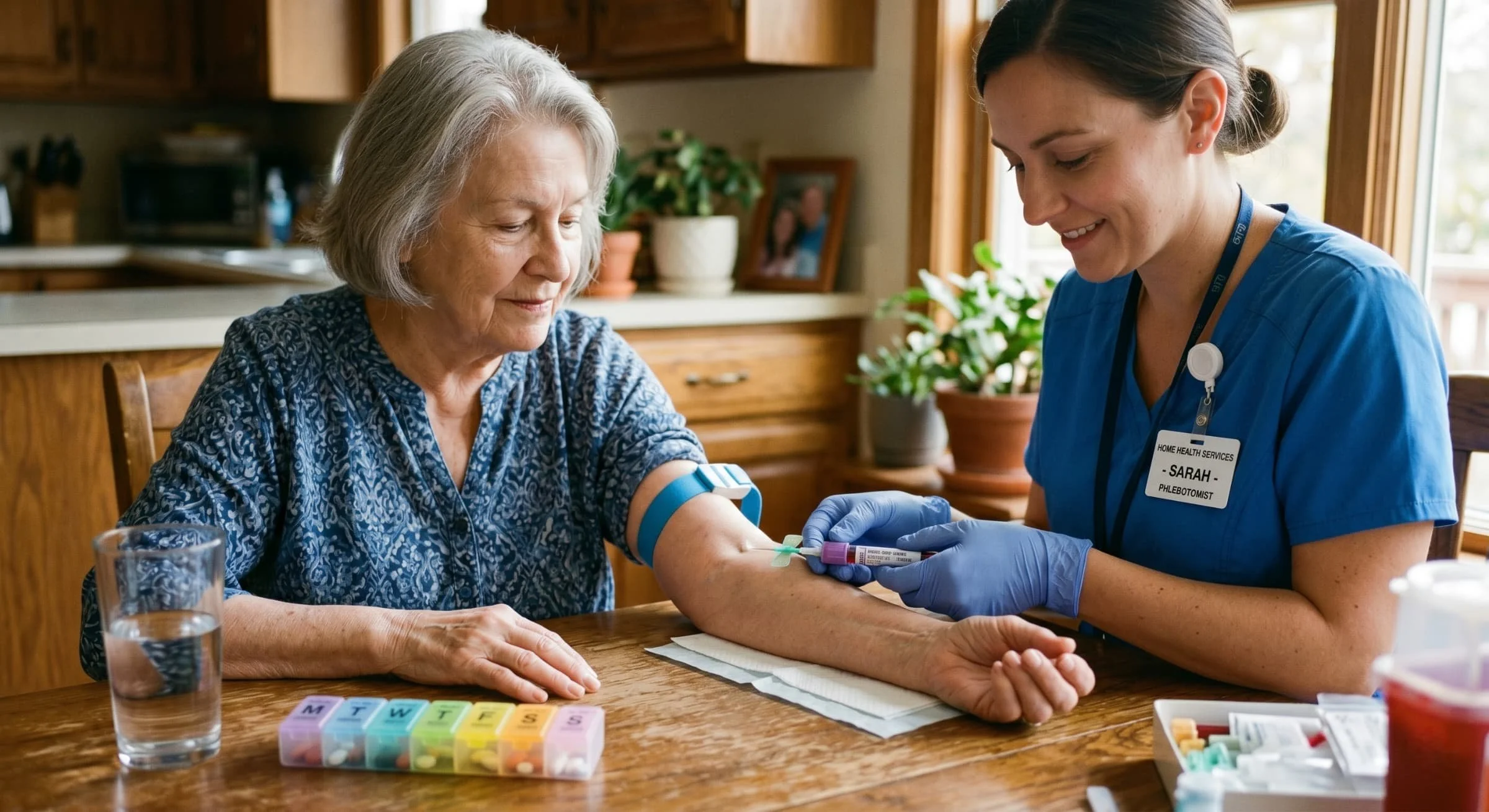
When a senior has trouble moving around or thinking clearly, they may not be able to get water for themselves. Skilled nurses from 911 AM PM Home Health or XL Care Home Health play a key role here. They watch daily fluid intake, write it down on a chart, and can give IV fluids when a primary care doctor orders it.
For seniors who need more day-to-day help that isn’t medical, specialized home care agencies can provide caregivers who help with meals and remind your loved one to drink water. That kind of support keeps them safe while they keep living in their own home.
When to Seek Professional Support through Doctor2me
Mild dehydration can usually be handled at home with more fluids and electrolyte drinks. But once it becomes moderate or severe, medical help is necessary.
Warning signs of a medical emergency:
Can’t keep fluids down.
Fast or weak pulse.
Extreme tiredness, deep confusion, or trouble staying awake.
Hasn’t urinated in 8 or more hours.
Doctor2me makes it easier to get expert senior care. By connecting you with qualified doctors and home health agencies, we help build a “circle of care” around your loved one. Whether it’s adjusting medications that cause fluid loss or setting up a home hydration plan, our goal is to keep seniors out of the hospital and in their own homes.
Conclusion: A Proactive Approach to Aging
Dehydration isn’t a normal part of aging. It can be prevented. By spotting the warning signs early and taking action, you can lower the risk of falls and serious health problems. With simple hydration habits and support from Doctor2me, your loved one can stay healthy and well.
FAQ
How much water should a senior drink daily?
While a common baseline suggestion is around 1.5 to 2 liters of fluid daily, hydration goals for elderly patients must be strictly individualized based on their medical history.
Can dehydration cause confusion in the elderly?
Yes, it is one of the most common causes of acute confusion (delirium) in seniors. Dehydration affects brain signaling and blood volume, which can mimic dementia-like symptoms.
What are the primary signs of dehydration in older adults?
Beyond thirst, look for dark urine, dizziness, extreme fatigue (sleeping all day), and a dry mouth. Loss of balance in elderly adults is also a major red flag.
Are UTI symptoms in elderly patients different?
Yes. While younger people feel pain, seniors often experience sudden behavioral changes, confusion, or falls. Staying hydrated is essential to preventing these infections.
What should I do if my parent refuses to drink?
Focus on water-rich foods, offer very small amounts of fluids frequently, and try to make the drinks more flavorful. If refusal continues, contact your primary care physician to check for underlying medical causes like difficulty swallowing.
You May Also Like