Post-Stroke Recovery at Home
Stroke remains one of the most urgent medical and social issues in the United States. According to the Centers for Disease Control and Prevention (CDC), nearly 795,000 Americans experience a stroke each year, and one-fourth of them are recurrent events. Stroke is the fifth leading cause of death and the leading cause of serious long-term disability nationwide.
After discharge, survivors often face weakness, speech loss, cognitive changes, and dependence in daily activities. The goal of modern healthcare policy—emphasized by CMS and NIH StrokeNet—is to shorten hospital stays and provide safe, cost-efficient recovery through Home Health Care (HHC).
The Role of Home Health Care in Stroke Recovery
Rehabilitation in a Familiar Environment
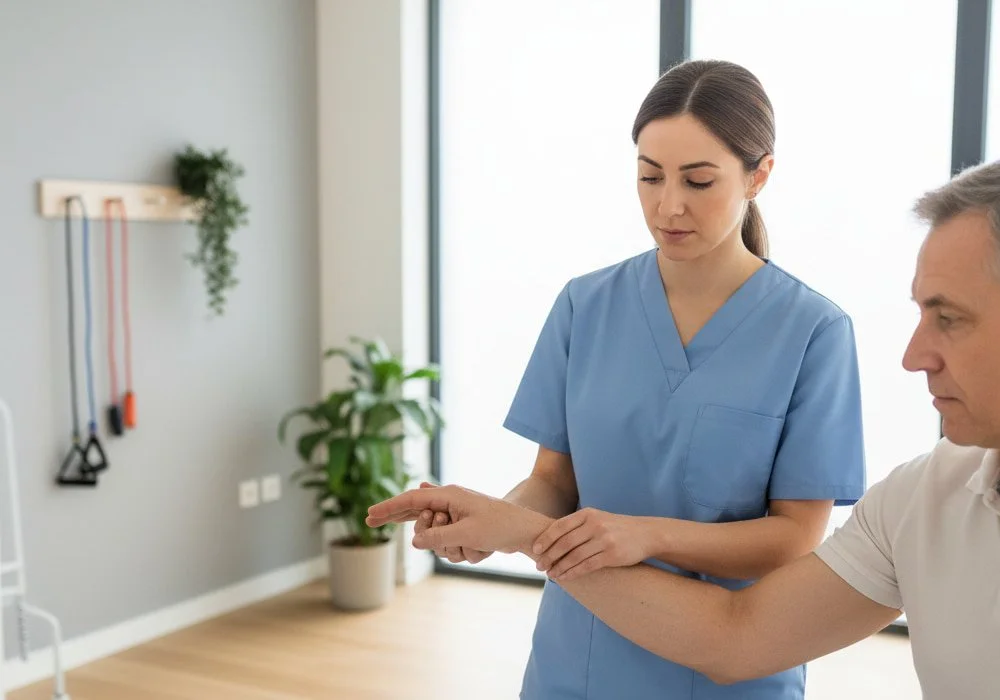
Home health care shifts recovery from an institutional setting into the patient’s own home. Research from Mayo Clinic shows that patients who train in their natural environment recover functional skills faster because therapy directly relates to everyday actions—walking to the bathroom, climbing stairs, preparing meals. The home becomes part of the therapeutic plan rather than a background.
During visits, licensed therapists observe daily routines and design exercises based on real obstacles. This personalized model reduces stress and increases adherence. It also improves safety: occupational therapists assess lighting, floor surfaces, and furniture layout to prevent falls—one of the most common post-stroke risks reported by the CDC.
Televisit as a Continuity Engine
To maintain progress between visits, agencies increasingly rely on Televisit follow-ups.
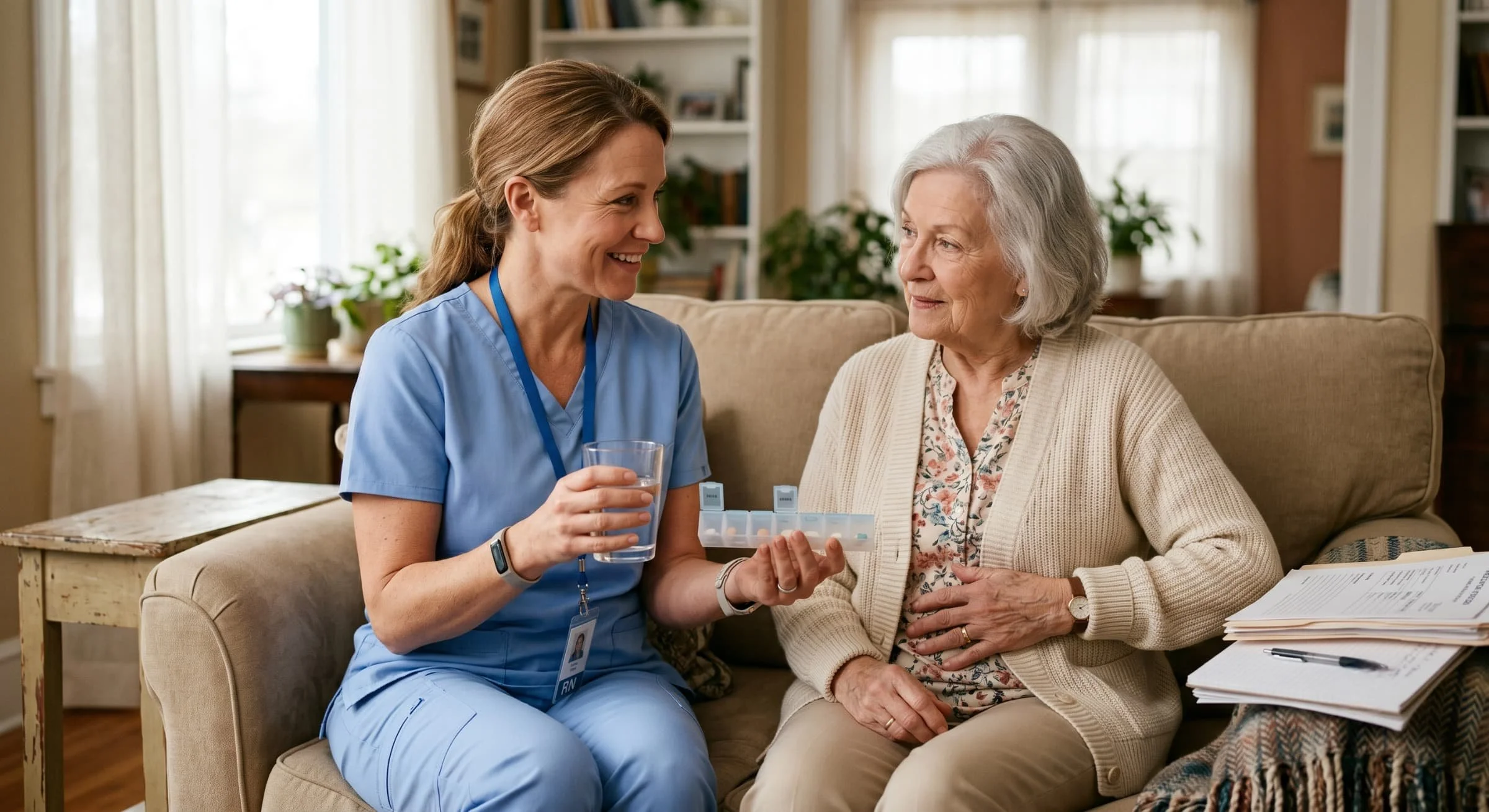
XL Care Home Health Agency integrates home-based physical, occupational, and speech therapy with telehealth consultations. This hybrid model reduces missed sessions, allows real-time feedback, and helps clinicians adjust care plans quickly. For families, it means constant access to professional guidance without travel stress.
| Clinical Focus | Description |
|---|---|
| Functional recovery | Therapy targets real-life tasks such as bathing, dressing, and meal prep. |
| Environment integration | Therapists use the patient’s actual space to reinforce independence. |
| Televisit coordination | Virtual sessions maintain care continuity between home visits. |
Medicare Coverage and Eligibility
Who Qualifies for Home Health Services
Under Medicare Part A and B, patients qualify for home health when they:
Require intermittent skilled nursing, physical, occupational, or speech therapy; and
Are certified as homebound—meaning leaving home requires significant effort or medical risk.
According to CMS, the homebound definition ensures resources reach those most in need. Yet it may exclude higher-functioning survivors who still benefit from contextual therapy at home. Policymakers continue to review these criteria to close that “coverage gap.”
Homebound Exceptions and Access Flexibility
Medicare allows limited outings for essential medical care (dialysis, wound clinics) or infrequent non-medical reasons like religious services or family events. This flexibility acknowledges that recovery includes social and emotional well-being. Balancing safety and participation supports both physical progress and psychological health, as confirmed by Kaiser Permanente’s Division of Research on post-stroke quality of life.
Reimbursement and the 30-Day Care Model
Payment Structure and Efficiency
In 2020, CMS implemented the Patient-Driven Groupings Model (PDGM), replacing 60-day billing with 30-day episodes. Agencies now receive fixed payment based on clinical category, therapy needs, and comorbidity level. The model rewards efficiency and evidence-based planning.
Recertification and Case Management
If a patient continues to progress and still requires skilled care, physicians can recertify home health for another 30 days. This demands close coordination between nurses, therapists, and case managers. Regular documentation of outcomes ensures transparency and supports continued coverage.
| Financial Element | Description |
|---|---|
| Episode duration | 30 days, covering all skilled services under one rate. |
| Recertification | Approved if medical necessity and progress are documented. |
| Policy objective | Encourage effective, patient-centered, cost-controlled rehabilitation. |
The Multidisciplinary Team Behind Home Recovery
Coordinated Expertise for Complex Needs
Stroke recovery is multidimensional—mobility, cognition, speech, nutrition, and emotional health. NIH studies confirm that coordinated, interdisciplinary care leads to better outcomes than single-specialty therapy.
Physical therapists rebuild strength and balance. Occupational therapists focus on daily-living tasks. Speech-language pathologists address aphasia and swallowing. Nurses monitor blood pressure, glucose, and medication safety. Physicians and physiatrists oversee care continuity and secondary-stroke prevention.
Provider Spotlight: Comprehensive Natural Healthcare
Comprehensive Natural Healthcare combines conventional rehabilitation with holistic support. Their programs blend in-home therapy, nutrition guidance, and chronic-condition management through Televisit and direct sessions. This approach improves compliance, particularly for older adults with hypertension or diabetes—two of the most common comorbidities after stroke.
Why Home-Based Rehabilitation Outperforms Institutional Care
Real-Life Training and Emotional Comfort
According to NIH Stroke Rehabilitation Guidelines, skill transfer is faster when therapy occurs in the environment where those skills are applied. Home settings reduce anxiety and allow patients to practice independently between sessions. In contrast, clinic-based rehab often faces a “translation gap” when exercises don’t mirror daily life.
Telemedicine and Accessibility
During the COVID-19 era, telehealth became essential. Mayo Clinic Proceedings (2021) reported comparable motor-function gains between in-person and remote physical therapy for stroke survivors. Telemedicine expands reach for rural or mobility-limited patients, lowering transportation barriers while maintaining outcome parity.
At-Home Diagnostics and Continuous Monitoring
Mobile Labs for Timely Assessment
Routine testing ensures stability and early detection of complications. Sonic Diagnostic Laboratory provides mobile bloodwork, EKG, and ultrasound with Televisit consultations for interpretation. This prevents hospital readmissions and enables prompt medication adjustments by the primary physician.
Data-Driven Follow-Up
CMS data show that home-based diagnostics reduce 30-day readmission rates by 12–15 %. Patients stay under medical supervision without the stress of travel, improving adherence to treatment and blood-pressure control—key factors in preventing recurrent stroke.
Safety, Medication Management, and Family Education
Preventing Complications
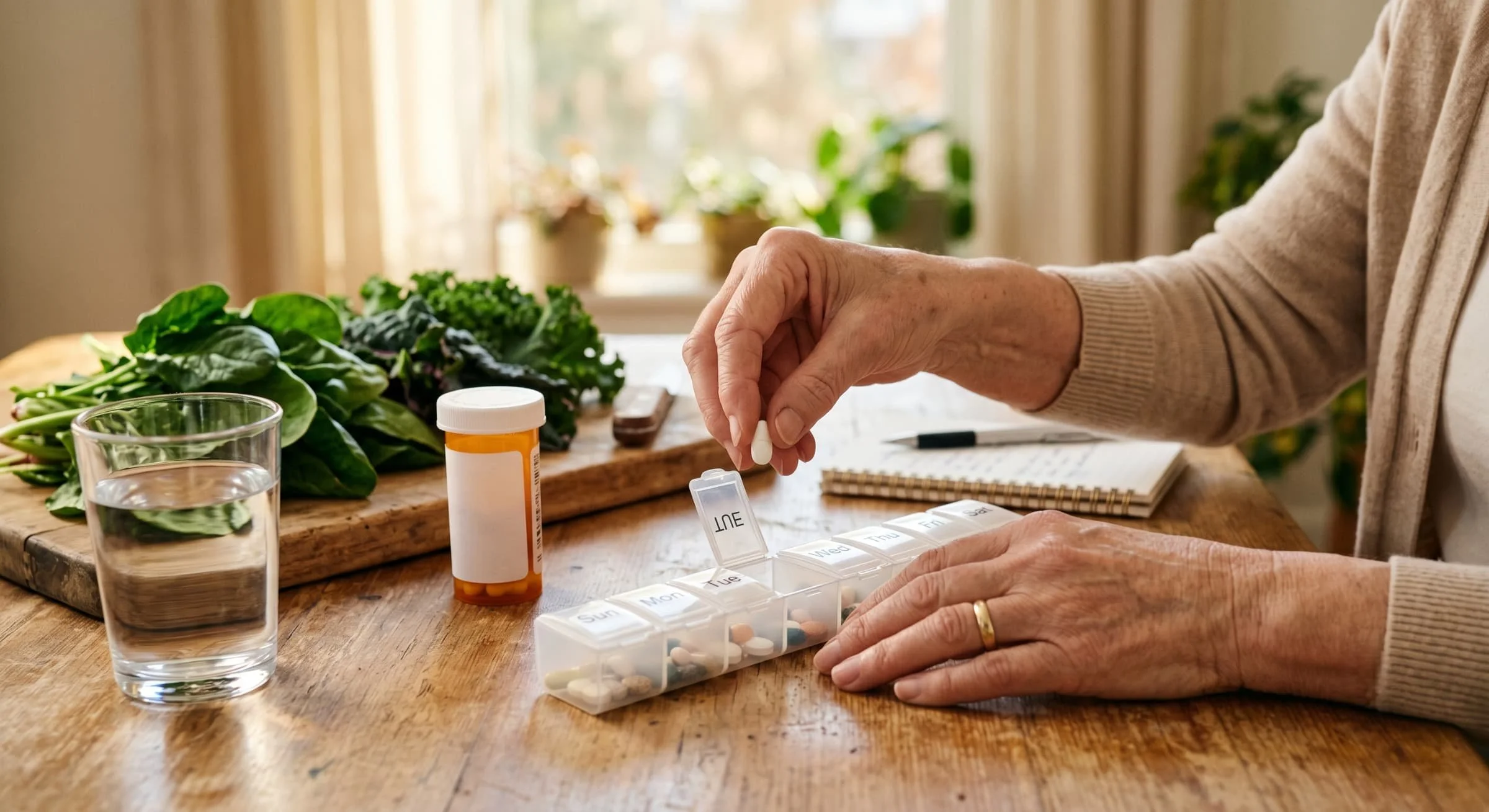
Home health nurses play a central role in secondary prevention. They monitor vital signs, review medications, and teach families the BE FAST method (Balance, Eyes, Face, Arms, Speech, Time) to recognize warning signs. According to CDC’s 2023 Stroke Prevention Report, early recognition and quick EMS activation significantly reduce mortality.
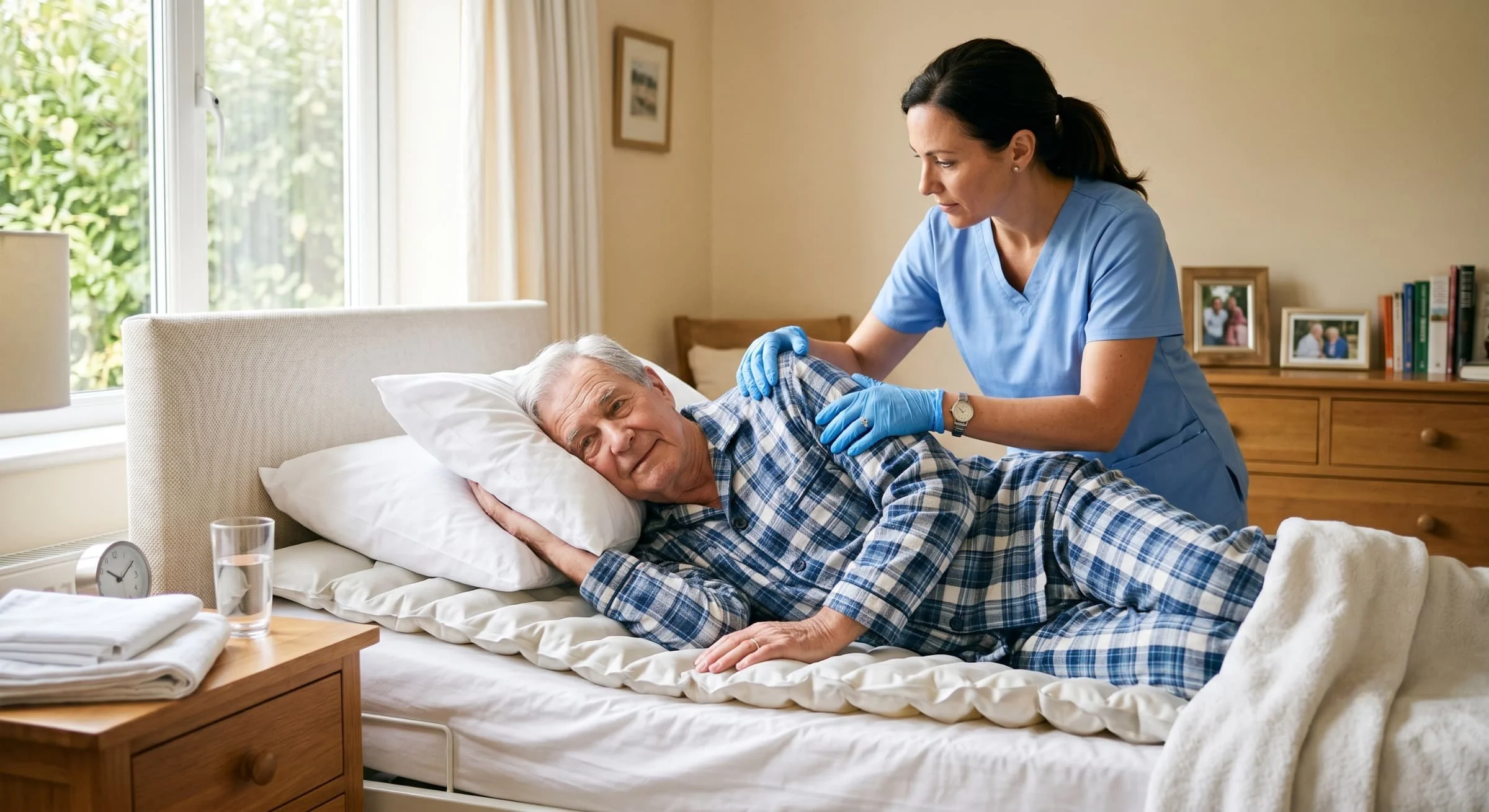
Falls remain a major risk: one in three stroke survivors experiences a fall in the first year. Occupational therapists perform safety assessments, remove hazards, and recommend adaptive devices—handrails, nonslip mats, shower chairs—to minimize risk.
Empowering Caregivers
Family involvement is crucial. Caregivers receive structured education and emotional support, preventing burnout and ensuring medication adherence. Programs such as ASA’s Stroke Survivor 2 Survivor and the Caregiver Guide to Stroke provide evidence-based strategies and community connections. Home health agencies must formalize caregiver training as part of quality standards, according to current CMS CoPs (Conditions of Participation).
When Long-Term or Palliative Care Is Needed
Compassionate Continuum of Support
Some survivors experience severe cognitive or physical decline that limits independence. For them, home hospice and palliative care balance comfort, dignity, and clinical supervision.
Westlake Village Hospice Inc. offers skilled nursing, symptom control, therapy, and emotional counseling directly at home. Their Televisit platform lets families discuss medication changes or pain levels without waiting for in-person visits—crucial for maintaining peace of mind.
Psychosocial Stability for Families
Hospice teams include social workers and chaplains who address grief, stress, and practical concerns. Studies from NIH Palliative Care Network show that early hospice involvement improves patient satisfaction and reduces emergency-room utilization by 20 %. Integrating these services within Doctor2me’s home-care network ensures continuity even at advanced stages.
Clinical and Economic Impact of Home Health Care
Evidence from National Databases
Across CMS datasets, home health shows comparable functional improvement to inpatient rehabilitation at one-third the cost. The average total cost per stroke episode:
Inpatient rehab: ≈ $152,000
Home health rehab: ≈ $48,000
Functional Outcomes That Matter
A 2022 systematic review in Journal of Stroke and Cerebrovascular Diseases found that home-based therapy achieved similar gains in Barthel Index scores, with higher improvements in self-care tasks like dressing and hygiene (p < 0.05). Patient satisfaction was significantly higher due to autonomy and family involvement.
| Measure | Home Health Outcomes |
|---|---|
| Total rehabilitation cost | ≈ $48 K vs. $152 K for inpatient care (p < 0.001) |
| Therapy efficiency | 1.2 therapy hours per Barthel point vs. 3.2 in facility care |
| Quality of life improvement | Comparable to inpatient care; higher autonomy and satisfaction |
Conclusion
Home-based stroke rehabilitation represents the most practical and evidence-driven model in modern U.S. healthcare. It merges clinical accuracy with comfort, ensuring safety, faster recovery, and better use of national resources.
FAQ
What is the central argument or thesis of the essay?
The essay argues that home-based medical care for stroke recovery is an effective, research-supported, and economically justified model of rehabilitation. It highlights that recovery at home allows patients to regain independence faster while maintaining comfort and emotional stability.
Through coordinated work of multidisciplinary teams—nurses, therapists, and physicians—combined with telehealth and structured care plans, this approach reduces hospital readmissions and overall healthcare costs. The central message is that home health care is not a secondary option but a core element of post-stroke recovery in the U.S. healthcare system.
Are the examples and evidence sufficient and appropriately analyzed to support the main claims?
Yes. The essay integrates data from leading U.S. institutions such as the CDC, NIH, and CMS, alongside cost and recovery comparisons between home-based and inpatient rehabilitation. These statistics show that home health care provides comparable or better outcomes at a significantly lower cost.
In addition, the text includes real provider examples, such as XL Care Home Health Agency, Westlake Village Hospice, Comprehensive Natural Healthcare, and Sonic Diagnostic Laboratory. These organizations demonstrate how clinical guidelines and patient-focused programs are implemented in real practice. Each example directly supports the essay’s argument through practical evidence.
How does the essay address counterarguments or alternative viewpoints in depth?
The essay acknowledges that inpatient rehabilitation facilities (IRFs) remain essential for patients with complex or unstable medical conditions. It also notes that the Medicare “homebound” rule can limit access for patients who are mobile but still need continued rehabilitation in a home setting.
However, it responds to these challenges by showing how tailored therapy plans, improved telemedicine tools, and better patient triage can fill existing gaps. The essay argues that home-based recovery and institutional rehabilitation are complementary, not competing models. This balanced discussion reflects an understanding of both clinical realities and healthcare policy constraints.
You May Also Like