Deep Wound Care: Modern Protocols for Wounds Treatment
Table of Contents
Effective management of deep wounds involving subcutaneous tissue, fascia, and muscle in 2025–2026 centers on three critical pillars: aseptic irrigation with saline, the application of bioactive dressings, and the use of portable Negative Pressure Wound Therapy (NPWT). The primary objective of these modern protocols for wounds treatment is to maintain a moist healing environment, which has been shown to double the rate of cell migration. By shifting advanced care into the home, patients can achieve clinical-grade recovery while significantly reducing the risk of healthcare-associated infections (HAIs), which currently place a $50 billion annual burden on the US healthcare system, according to published research on the burden of chronic wounds.
The Pathophysiology of Healing: A Cellular Perspective
To understand why deep wounds require such specialized care, one must look at the microscopic battleground within the tissue. Healing is a synchronized four-phase symphony: Hemostasis, Inflammation, Proliferation, and Remodeling.
In deep injuries, the Extracellular Matrix (ECM)—the structural "scaffold" of the tissue—is destroyed. During the inflammatory phase, macrophages must shift from an M1 phenotype (pro-inflammatory) to an M2 phenotype (pro-healing). If the tissue stays "stuck" in the M1 phase, an overproduction of Matrix Metalloproteinases (MMPs) occurs—enzymes that break down healthy proteins and prevent the wound from closing. Proper home protocols aim to suppress this molecular chaos, allowing angiogenesis to restore oxygen flow to the deep fascial layers.
| Phase | Timeline | What is Happening Inside | What You See On the Surface |
| Hemostasis | Minutes | Platelets form a plug; cytokines are released to signal "repair crews." | Immediate bleeding followed by clot formation. |
| Inflammation | Days 1–6 | White blood cells clear debris and bacteria. Blood vessels dilate. | Redness, swelling, heat, and some clear fluid (serous exudate). |
| Proliferation | Days 4–24 | Fibroblasts create new collagen; new tiny blood vessels grow. | The "beefy red" granulation tissue fills the cavity. The wound shrinks. |
| Remodeling | 21 Days – 2 Years | Collagen fibers reorganize and strengthen. | The wound closes completely; a scar forms and fades over time. |
Diagnostic Criteria and Clinical Assessment
Successful recovery begins with an accurate classification of the injury. According to the 2025–2026 CDC protocols, a deep incisional surgical site infection (SSI) is defined as an injury extending beyond the dermal layers into the underlying soft tissue. To streamline this assessment, expert clinical platforms like GotWound advocate for the "Wound Care Essentials" approach, which focuses on measurable healing outcomes and the early detection of complications.
Warning Signs of Infection (CDC Standards):
Purulence: The presence of thick, opaque drainage that is yellow, green, or milky in color.
Dehiscence: The spontaneous or intentional reopening of the wound edges.
Localized Inflammation: A skin temperature exceeding $100.4$°F ($38$°C) at the site, accompanied by acute tenderness.
Biofilm Indicators: A shiny, "slimy" film over the wound bed that resists standard rinsing.
If an injury is characterized as wounds that take a long time to heal (failing to show a 20-30% reduction in size within 14 days), it is classified as a chronic or "hard-to-heal" wound, requiring an immediate reassessment of the treatment plan based on clinical insights on postoperative wound infections.
Preparation and Deep Wound Cleaning Protocols
The cleaning process is the foundation upon which tissue regeneration is built. The Mayo Clinic emphasizes that home-based aseptic techniques must mirror the rigor of a clinical environment to prevent biofilm formation.
Detailed Step-by-Step Irrigation Guide:
Workplace Preparation: Establish a clean field with a non-porous surface and high-intensity lighting according to surgical standards for home wound care.
Irrigation: Perform thorough deep wound cleaning using only sterile saline solution ($0.9\% \text{ NaCl}$). Use a 35mL syringe with a 19-gauge needle to create the optimal "flushing pressure" (8 to 15 psi) required to dislodge bacteria without damaging fragile new granulation tissue.
The "Center-Out" Technique: Always move from the center of the wound toward the edges in a spiral motion. This prevents dragging bacteria from the surrounding skin into the deeper tissue layers.
Cytotoxic Avoidance: 2026 protocols strictly prohibit the use of hydrogen peroxide, rubbing alcohol, or iodine in open cavities. While these are common medicine to heal cuts, they cause oxidative stress that kills the very cells responsible for building new tissue.
Selecting Advanced Deep Wound Dressing
Choosing the right material depends on the level of wound fluid, or exudate. A professional deep wound dressing facilitates autolytic debridement—a biological process where the body’s own enzymes dissolve non-viable tissue.
| Material Type | Ideal Wound Condition | Clinical Benefit |
| Hydrogels | Dry or necrotic wounds | Donates moisture to rehydrate "dead" tissue (eschar). |
| Alginates | Highly exudative wounds | Derived from seaweed; traps bacteria in a gel-like structure. |
| Foams | Moderate drainage | Protects wound edges from maceration (skin softening). |
| Collagen Matrices | Full-thickness defects | Acts as a sacrificial scaffold to stimulate tissue growth. |
Standard over the counter wound care is often insufficient for deep injuries. Modern open skin wound treatment requires bioactive materials that manage moisture balance while allowing for essential gas exchange.
Professional Healthcare Solutions at Home
For many patients, traveling to a clinic for large wound healing management is a painful ordeal. Transporting a patient with compromised tissue can lead to further injury or exposure to antibiotic-resistant bacteria.
In these scenarios, modern US healthcare models like Doctor2me provide a vital alternative. By dispatching qualified providers directly to the patient's home for professional dressing changes and assessment, the service eliminates the stress of transport and ensures a sterile environment for recovery.
In cases requiring long-term, high-acuity observation, accredited organizations like XL Home Health—consistently recognized as a "HomeCare Elite" top agency—utilize remote monitoring technologies such as Honeywell HomMed. This allows clinicians to track vital signs like temperature and oxygen saturation 24/7. This data-driven approach ensures that procedures like wound debridement (the removal of dead tissue) are performed at the optimal physiological moment, preventing unnecessary complications.
Special Considerations: The Geriatric and Chronic Patient
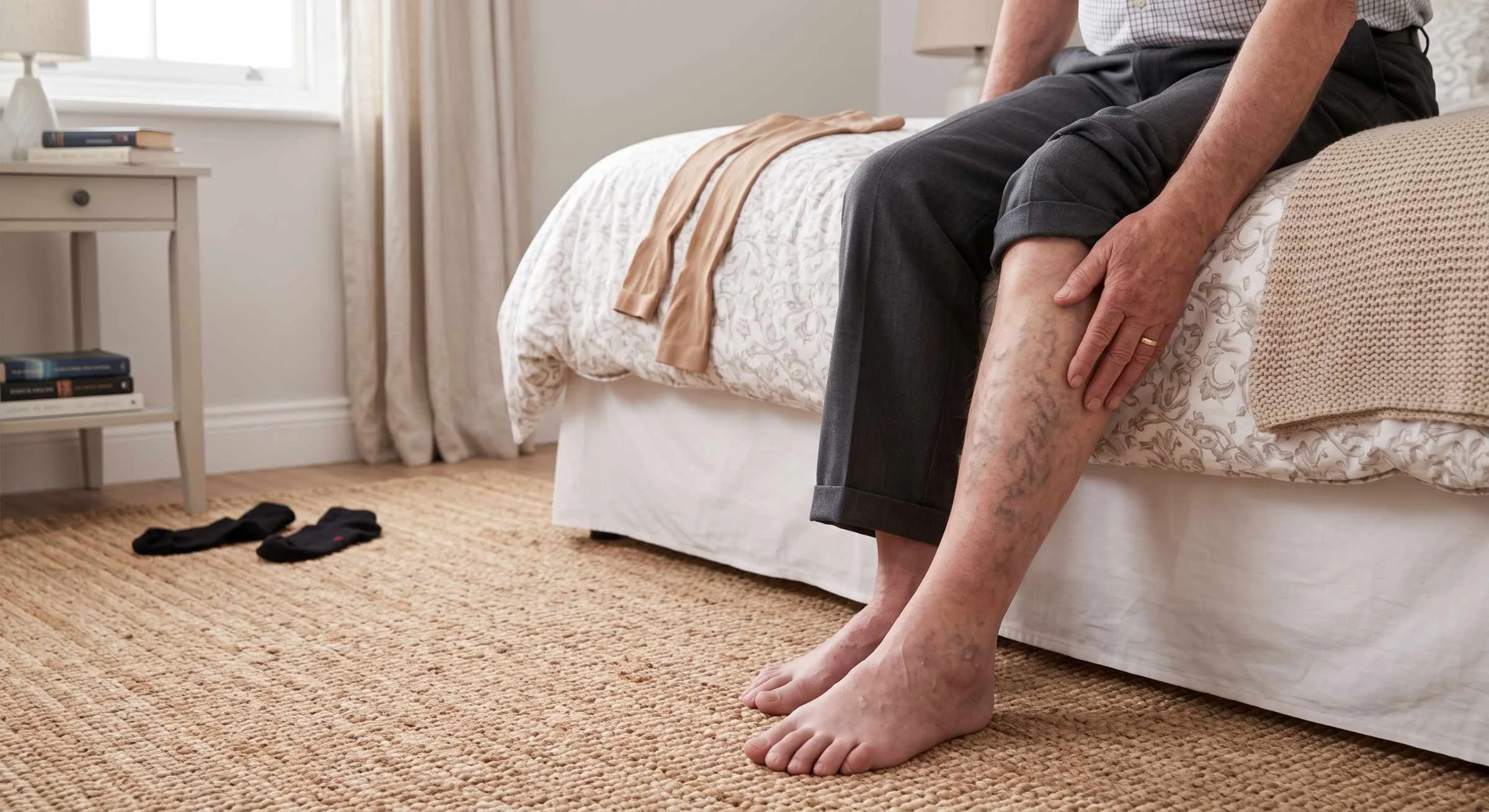
In seniors, the skin is thinner and the microvasculature is less dense, meaning oxygen takes longer to reach the wound bed. For immobile patients, repositioning the patient every 2 hours is essential for the diagnosis and treatment of pressure ulcers. Diabetic patients also require stricter glucose control to prevent cell rigidity, which stalls migration across the wound bed.
Myth vs. Reality
Myth: Wounds need to "breathe" and form a scab to heal.
Reality: Scabs are "biological roadblocks." A moist environment under a dressing accelerates healing by up to 50%.
Myth: If a treatment stings or burns, it means it's "killing the germs."
Reality: Stinging is usually a sign of chemical trauma to regenerating cells.
Myth: You should wait for the dressing to become soaked before changing it.
Reality: Excessive moisture leads to "maceration," where the surrounding skin turns white and wrinkly, making it prone to tearing.
Nutrition and Systemic Healing Factors: The Regeneration Shopping List
What you do with your body is as important as what you put on your wound. 2025 research confirms that wound healing is a systemic, energy-intensive process requiring specific "building blocks."
The Regeneration Shopping List
| Nutrient | Why It Matters | Best Food Sources |
| Protein | The primary building block for collagen and muscle repair. | Eggs, Lean Beef, Greek Yogurt, Tofu, Legumes. |
| Vitamin C | Essential for "cross-linking" collagen fibers to give the scar strength. | Bell Peppers, Citrus Fruits, Strawberries, Broccoli. |
| Zinc | Vital for DNA synthesis and cell division in the wound bed. | Pumpkin Seeds, Shellfish (Oysters), Chickpeas, Cashews. |
| Vitamin A | Helps the skin "epithelialize" (close the surface gap). | Carrots, Sweet Potatoes, Spinach, Kale. |
| Omega-3s | Reduces excessive inflammation that stalls the healing process. | Salmon, Walnuts, Flaxseeds, Chia Seeds. |
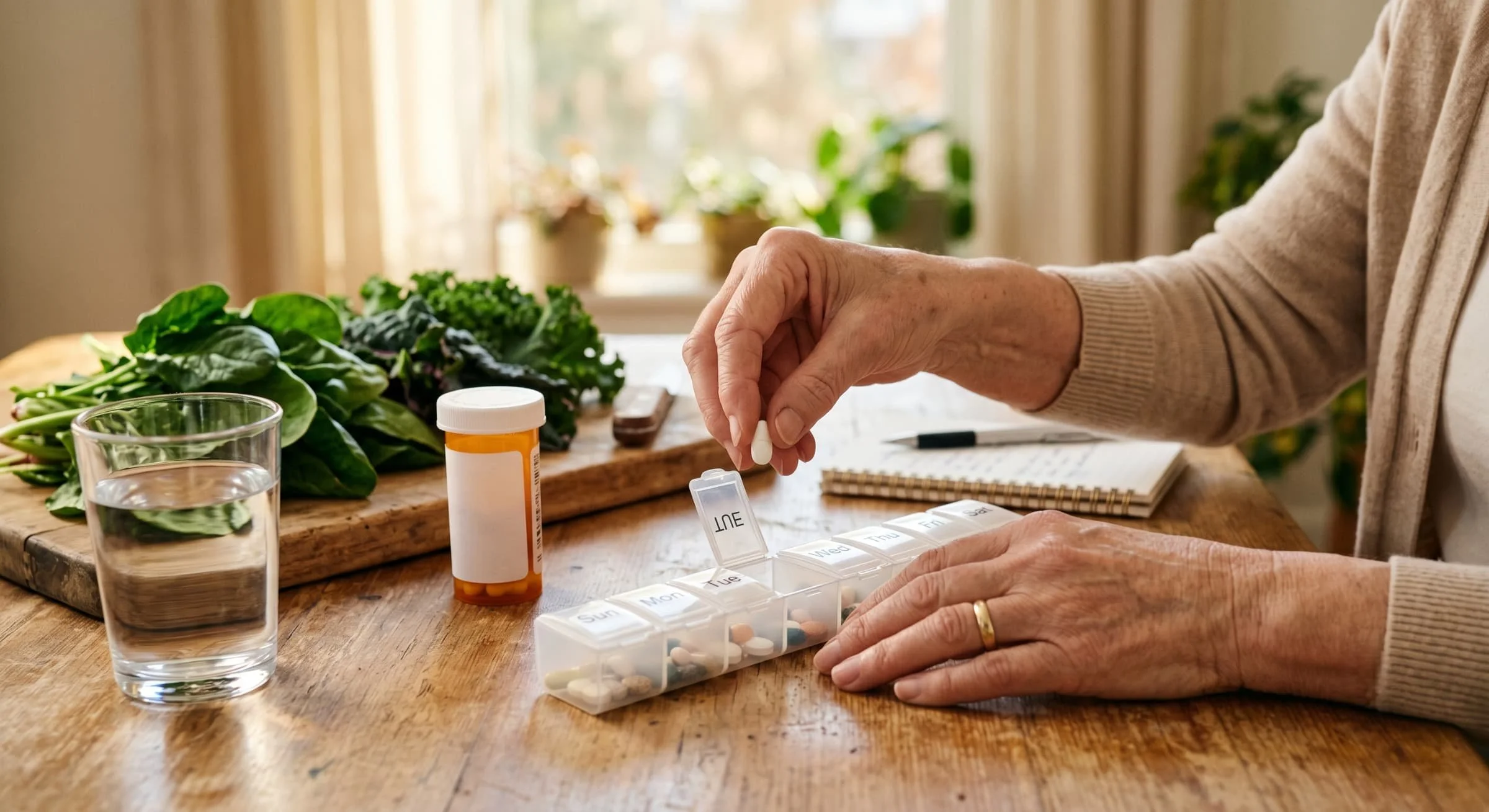
Pro-Tip: High-quality protein needed for wound healing (like the leucine found in eggs) should be consumed in small amounts throughout the day to keep the body in an "anabolic" (building) state. Additionally, skin healing nutrients are absorbed best when accompanied by adequate hydration—aim for 33 ml of fluid per kg of body weight.
Technological Innovation and the 5-Year Forecast
By 2026, portable Negative Pressure Wound Therapy (NPWT) has become the gold standard for home-based wound care management. These compact VAC devices continuously remove excess fluid and improve microcirculation in deep cavities.
Looking ahead to 2031, we expect to see the mainstreaming of 3D Bioprinting, where "skin pens" spray a patient's own lab-grown cells directly into a deep wound.
Effective first aid wound care is only the beginning. Managing deep injuries requires a comprehensive strategy that combines advanced medication to heal wounds with regular oversight from specialists. If you are unsure about the progress of a wound, seeking urgent care wound care or an at-home consultation through services like Doctor2me can prevent life-threatening complications and ensure the successful restoration of tissue health.
FAQ
How can I tell if my deep wound is infected?
Look for clinical signs of purulence, such as thick yellow or green drainage, and increased localized heat around the injury. If you notice dehiscence (reopening of edges) or a skin temperature above $100.4$°F, consult a medical professional immediately to prevent systemic complications.
What is the safest way to perform deep wound cleaning at home?
Use sterile saline and a 35mL syringe to create a gentle flushing pressure that dislodges debris without harming fragile granulation tissue. Always apply the center-out technique, moving in a spiral motion from the middle of the wound to the edges to maintain a clean environment for wound repair.
Why do some deep wounds take a long time to heal?
Factors like bacterial biofilm, poor microcirculation, or underlying health conditions like diabetes can stall the natural recovery process. If you do not see a significant reduction in wound size within 14 days, professional wound debridement may be necessary to remove non-viable tissue and "restart" healing.
What type of deep wound dressing is best for heavy drainage?
For wounds with high exudate, calcium alginates or absorbent foams are the gold standard because they trap excess fluid while preventing skin maceration. These bioactive materials maintain the moist environment essential for autolytic debridement and faster tissue closure.
Can specific nutrients speed up the recovery of a deep tissue injury?
Yes, increasing your intake of protein needed for wound healing and loading up on skin healing nutrients like Zinc and Vitamin C is vital for collagen synthesis. Proper hydration and maintaining stable blood sugar levels also play a critical role in supporting the body’s cellular regenerative symphony.
When should I stop home care and seek professional medical help?
Seek urgent care wound care if you experience a foul odor, spreading redness, or persistent fever. Services like Doctor2me offer the convenience of a professional home visit, providing expert assessment and advanced treatment without the stress or infection risks of traveling to a clinic.
You May Also Like