
Why Kidney Stone Pain Comes in Waves
Table of Content
Kidney stones are one of the most common causes of sudden, sharp pain in the side and back. Many people notice something strange about this pain: it does not stay the same. It grows, reaches a peak, fades a little, and then builds again. This rise-and-fall pattern has a name – renal colic – and it can feel alarming when you do not know why it is happening. This article looks at why kidney stone pain comes in waves, what the pain often feels like, and how these stones are found and passed.
What Are Kidney Stones?
Kidney stones are hard objects made of minerals and salts that form inside the kidneys. You may also hear them called renal calculi, nephrolithiasis, or urolithiasis. As the Cleveland Clinic explains, stones tend to form when urine becomes too concentrated, which lets minerals build up and harden into a solid mass. A stone can sit quietly in the kidney for a long time and cause no trouble at all.
How Kidney Stones Form
Urine carries water, salts, and waste out of the body. When there is plenty of water, these substances stay dissolved and flow out with no trouble. When urine holds too little water, or too much of certain minerals, tiny crystals can appear. Over time those crystals cling together and slowly grow into a solid stone. The most common building blocks are calcium, oxalate, uric acid, cystine, and phosphate. Stones vary widely in size. Some stay as small as a grain of sand and slip out without notice, while others grow to the size of a pebble, and a few reach the size of a small marble before they are found.
Types of Kidney Stones
Not all stones are the same. There are four main types of kidney stones, and knowing the type helps explain why a stone formed. Calcium stones are the most common and are usually made of calcium oxalate or calcium phosphate. Uric acid stones are linked to a diet high in animal protein and to conditions such as gout. Struvite stones tend to form after urinary tract infections and can grow quickly. Cystine stones are rare; StatPearls notes that they account for only 1% to 2% of all kidney stones and are caused by an inherited condition.
Why the Type Matters
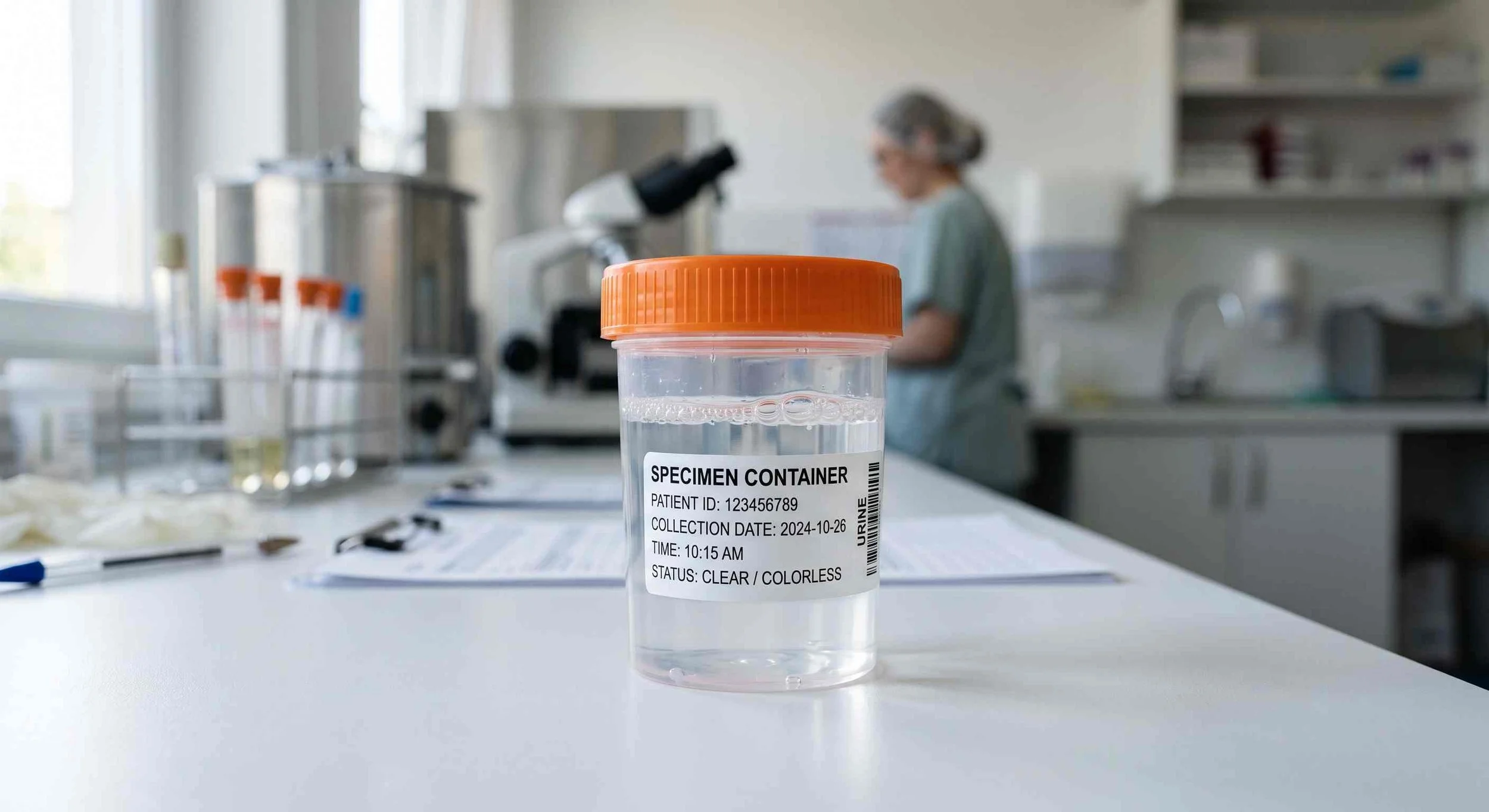
The different kinds of kidney stones form for different reasons, so the type shapes how doctors think about prevention and treatment. If you pass a stone, it helps to catch it and send it to a lab, where its makeup can be studied. That result offers clues about diet, fluids, and any health conditions that may be raising the risk, and it can guide simple changes that lower the odds of forming another stone.
Why the Pain Comes in Waves
A stone often causes no pain while it rests inside the kidney. Trouble usually starts when the stone moves and drops into the ureter, the narrow tube that carries urine from the kidney to the bladder. According to the Cleveland Clinic, the pain of a stuck stone is known as renal colic, and it tends to come in waves rather than staying steady.
The Ureter Squeezes to Push the Stone
The ureter is a muscular tube. When a stone blocks it, urine backs up and pressure rises behind the blockage. The muscle responds by tightening and relaxing in a rhythm, trying to squeeze the stone toward the bladder. Each strong squeeze produces a surge of pain. When the muscle relaxes for a moment, or the stone shifts and lets a little urine pass, the pressure eases and the pain drops. Then the cycle repeats. That back-and-forth is what creates the wave-like feeling.
Size Is Not the Whole Story
It is easy to assume that a bigger stone always means worse pain, but that is not how it works. StatPearls reports that the intensity of the pain is tied to the degree of blockage rather than the size of the stone, and that the pain often peaks about 1 to 2 hours after it starts. A small stone lodged in a tight spot can hurt just as much as a larger one.
How Long a Wave Lasts
Each wave of pain can last from roughly 20 minutes to an hour, with easier stretches in between. Many people feel restless during an attack and shift position or pace the room, because lying still often does not bring relief the way it might with other kinds of belly pain. The waves can keep coming until the stone finally moves into the bladder, where the ureter is no longer stretched.
What Kidney Stone Pain Feels Like
So what does kidney stone pain feel like? Mayo Clinic describes it as a serious, sharp pain in the side and back, below the ribs, that can spread to the lower belly and groin. The same source lists pain that comes in waves and changes in how strong it feels, along with pain or a burning feeling while urinating.
Where the Pain Travels
Because the stone moves, the pain can move too. It may start high in the flank and then shift lower toward the groin as the stone travels down the ureter. This shifting is part of the kidney stones in kidney symptoms that many people describe, and it is one reason the pain can feel hard to pin down.
Other Signs of Kidney Stones
Pain is not the only clue. Common signs of kidney stones and other kidney stones symptoms can include:
Pink, red, or brown urine, or blood in the urine
Cloudy or foul-smelling urine
A frequent or urgent need to urinate, or passing only small amounts
Nausea and vomiting
Fever and chills, which may point to an infection
Fever and chills along with stone pain deserve prompt attention, since they can be a sign that an infection is present.
What Causes Kidney Stones and Who Is at Risk
Most kidney stones causes come down to a mix of diet, fluids, genetics, and health conditions. The National Kidney Foundation points to diets high in sodium, added sugar, and animal protein, along with too little water, as common triggers in people who are prone to stones. It also reports that more than 500,000 people go to the emergency room each year because of kidney stones, and that about 1 in 10 people will have a stone at some point in life.
Common Risk Factors
Some people are far more likely to form stones than others. Not drinking enough water is one of the biggest factors, especially in hot climates or for people who sweat heavily during work or exercise. A family or personal history of stones raises the risk, and so do conditions such as obesity, diabetes, gout, hyperparathyroidism, and repeated urinary tract infections. Certain digestive problems and past weight-loss surgery can change how the body handles calcium and fluid, which also adds to the risk. Once a person has formed one stone, the chance of forming another in the years that follow is high, which is why a prevention plan matters.
Can Kidney Stones Come Back?
Kidney stones often return, especially when the reasons behind the first stone are not addressed. General steps that come up in prevention include staying well hydrated across the day, easing back on salt and added sugar, and keeping a steady intake of calcium from food rather than cutting it out. Because the right approach depends on the type of stone and a person's overall health, having a passed stone analyzed and reviewing the results can point to the changes that fit best. A repeat stone does not always cause the same pattern of pain, so new symptoms are worth noting even for people who have been through it before.
How Kidney Stones Are Diagnosed
When stone pain is severe, imaging and simple tests usually confirm what is going on. A doctor typically starts with a history and physical exam, then uses pictures of the urinary tract to locate the stone and measure its size. For people who would rather not travel while in pain, it is possible to find a doctor who makes house calls and to arrange parts of the workup closer to home.
Imaging Tests
Imaging is the main way to see a stone. A non-contrast CT scan is often used because it shows the size and exact location of a stone, while ultrasound and a KUB (kidney, ureter, bladder) X-ray are also common. Some of these scans can even be done outside a hospital. Gentry Imaging offers mobile X-ray and imaging that comes to the home, and other mobile imaging services can be arranged the same way.
Lab and Urine Tests
Lab work rounds out the picture. A urine test can reveal blood, crystals, or signs of infection, and blood tests check how the kidneys are working and measure minerals such as calcium and uric acid. Sonic Diagnostic Laboratory provides in-home blood draws and lab testing, and other lab and phlebotomy services can collect samples without a trip to a clinic. Kidney stones are a core part of urology, and a urologist is the specialist who monitors stones and removes them when needed.
How Do You Pass a Kidney Stone
A common question is: how do you pass a kidney stone? Most small stones leave the body on their own by passing through the urinary tract and out in the urine. This can take anywhere from a few days to several weeks, depending on the stone's size and where it sits. Drinking plenty of water is often encouraged to help move the stone along, and pain relief can make the wait more bearable. Larger stones that block urine, cause an infection, or will not pass may need a procedure to break up or remove them. A visit with primary care and specialists can help sort out which path fits a given stone.
When to Seek Care
Some symptoms call for quick medical attention. Pain so strong that you cannot sit still or get comfortable, pain with fever and chills, vomiting, blood in the urine, or trouble passing urine are all reasons to be seen without delay. These can signal a blockage or infection that needs treatment.
FAQ
-
Pain comes in waves because the ureter squeezes and relaxes as it tries to push the stone toward the bladder. Each strong squeeze raises pressure and pain, and each pause brings brief relief, so the pain rises and falls.
-
A wave of stone pain often lasts from about 20 minutes to an hour, with calmer stretches in between. The overall episode can continue on and off until the stone passes into the bladder.
-
It is usually a sharp, cramping pain in the side and back below the ribs that can spread to the lower belly and groin. Many people also feel it shift and change in strength as the stone moves.
-
The pain often begins in the flank, along the side and back, and can travel downward toward the lower abdomen and groin. It may also come with a burning feeling during urination.
-
Most small stones pass on their own through the urinary tract and leave the body in the urine, which can take days to weeks. Drinking water is often encouraged, while larger stones may need a procedure.
-
A stone that is moving often causes pain that shifts location and changes in intensity, sometimes along with blood in the urine. Pain that eases may mean the stone has moved into a wider part of the tract.
You May Also Like



Stress, poor sleep, low mood, certain medicines and hormone shifts drain desire far more often than lost love does.