The Future of Primary Care: Hospital at Home and Remote Monitoring in LA
The healthcare infrastructure in Los Angeles is undergoing a structural metamorphosis, shifting from centralized inpatient models to a decentralized, home-based delivery system. This evolution is driven by the unique geographical challenges of the Southern California megalopolis—such as its extreme traffic congestion—and a robust body of scientific evidence supporting the safety and efficacy of home-based care.
According to recent studies by the National Institutes of Health (NIH), patients recovering in a home setting show a 26% lower risk of hospital readmission. Furthermore, the home environment significantly mitigates the risk of "hospital-acquired delirium" and clinical depression, which frequently afflict patients isolated in traditional clinical wards. Los Angeles is now proving that the home is not just a place of comfort, but the safest and most effective clinic of the future.
The Evolution of the Model: From "House Calls" to Mobile Hospital Systems
The traditional house call is experiencing a high-tech renaissance in the 21st century. In Los Angeles, this renaissance is led by the Doctor2me network, which integrates emergency-grade standards into the mobile doctor format.
Modern decentralized care rests on three pillars: accessibility, personalization, and stress reduction. As per the Mayo Clinic’s standards, decentralized care allows for a level of personalization that traditional hospitals struggle to achieve. Central to this system are primary care physicians who act as "health navigators". Specialists such as Zhanna Feldsher, M.D. and the team at RW Family Practice & Preventative Care focus on Family Medicine and primary care, ensuring that chronic conditions are managed proactively within the patient's residence.
For acute needs, urgent care specialists bridge the gap between routine visits and emergency room (ER) visits. Allen Jahroumi, M.D. and his colleagues specialize in treating conditions that previously mandated a trip to the ER, from acute infections to laceration repair, effectively bringing the home clinic to the patient’s doorstep.
Specialized Care: Protecting Vulnerable Populations
The home clinic model provides critical medical help for the most sensitive demographics: children and the elderly.
Pediatrics: Safety Without the Waiting Room
The Centers for Disease Control and Prevention (CDC) consistently highlights the risks of cross-contamination in clinic waiting areas. For Los Angeles parents, the ability to schedule infant pediatrician visits at home has become a gold standard. This approach not only protects the child’s developing immune system but also allows the physician to assess environmental factors in the home that may impact the child's health.
Geriatrics: Managing Longevity
For patients over 65, hospitalization is often a trigger for rapid cognitive decline. Experts like Rebecca Cook, M.D. and Claudine Aguilera, M.D. develop "aging in place" programs through specialized geriatrics care.
Delirium Prevention: Familiar surroundings help maintain spatial orientation.
Palliative Care: Comprehensive services palliative care and nursing at home services provide dignity and comfort for patients with terminal conditions.
Supportive Services: Many non-medical home health care services assist with daily activities, which, when combined with clinical oversight, creates a holistic environment for patients in care.
Hospital at Home: Intensive Care Technology
The hospital at home (HaH) model allows for the treatment of serious illnesses that traditionally required an inpatient stay. The Centers for Medicare & Medicaid Services (CMS) have officially recognized HaH as equivalent to inpatient stays in terms of safety and quality.
In Los Angeles, this is realized through mobile units offering:
IV infusion therapy: Access to iv infusion therapy near me allows for the administration of potent antibiotics or hydration without the need for a hospital bed.
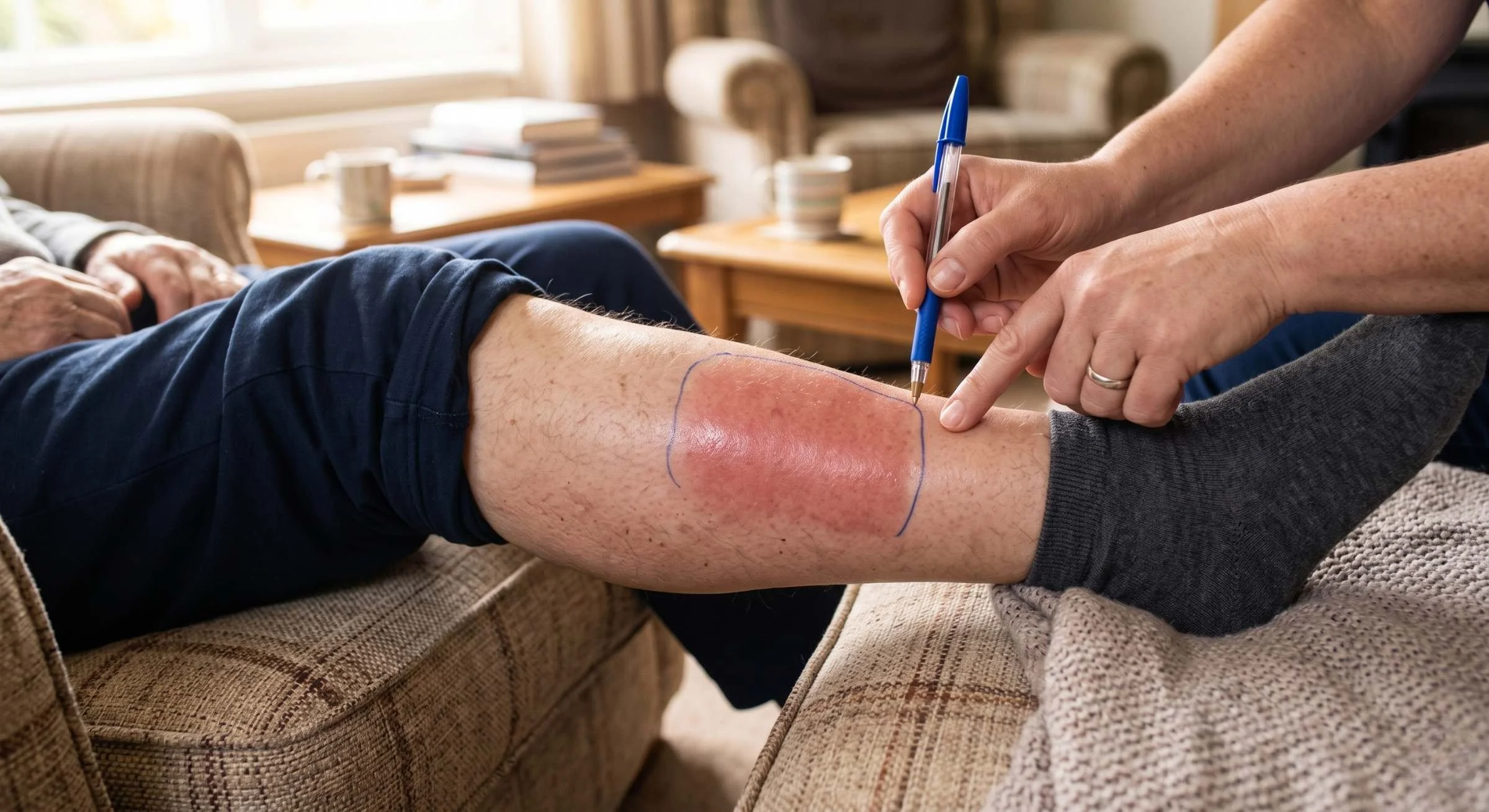
Wound Care: Services like GotWound.com provide professional management of complex surgical wounds and ulcers using advanced mobile equipment.
Medical Supplies: Coordination with a medical supplies shop near me ensures that patients have oxygen concentrators, hospital beds, and nebulizers delivered immediately.
Diagnostic Breakthrough: Lab and Imaging at the Bedside
The shift toward in-home health care providers is supported by the miniaturization of diagnostic hardware. According to the Kaiser Permanente Division of Research, having diagnostic confirmation at home reduces the time to start targeted therapy by up to 18 hours.
Mobile Laboratory Services
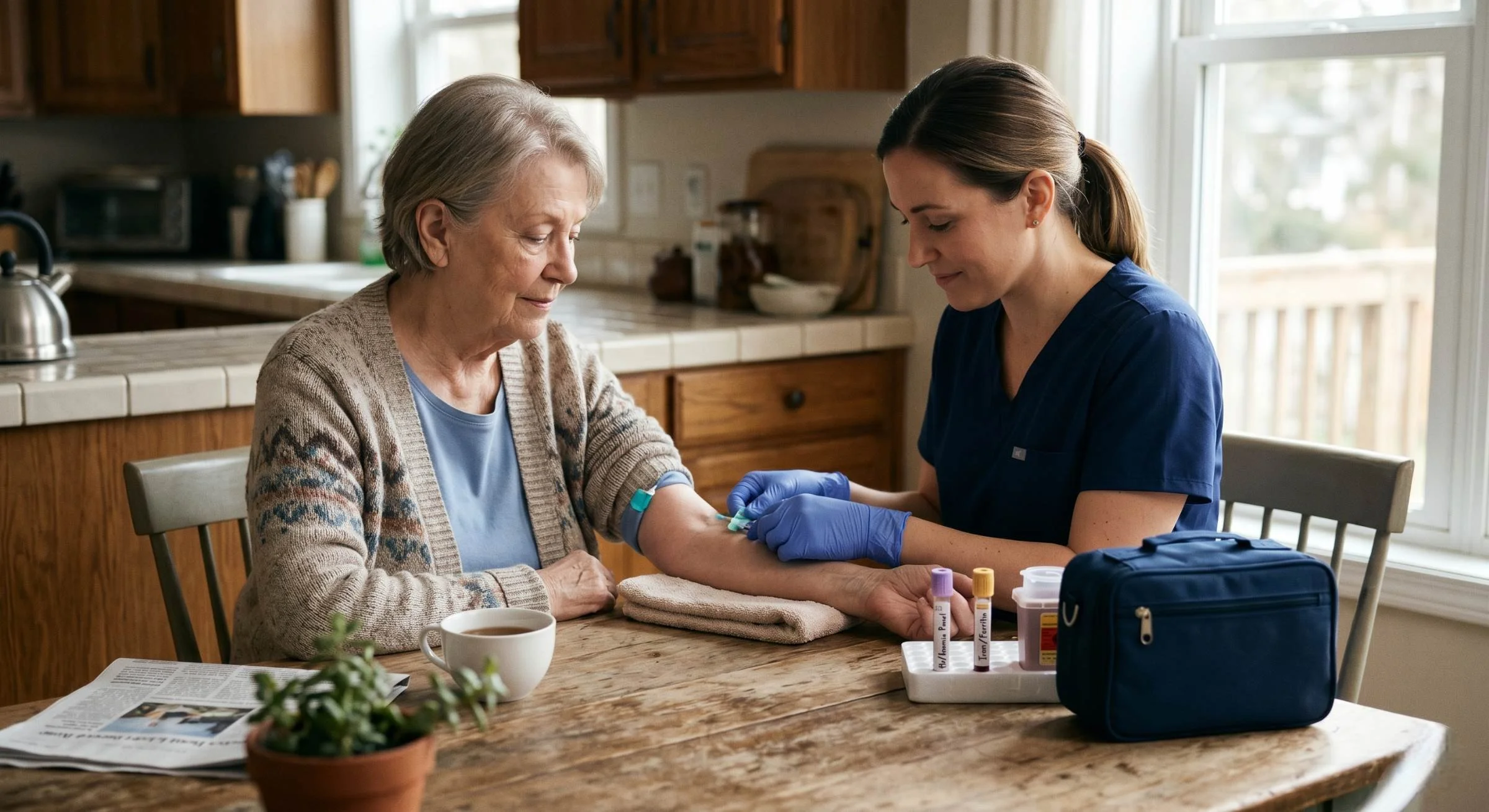
Without accurate blood data, targeted treatment is impossible. A professional mobile phlebotomy service, such as Onsite Phlebotomy Solutions, ensures the correct order of the draw blood for laboratory accuracy. Organizations like Sonic Diagnostic Laboratory process these samples with the same rigor as hospital-based labs.
Medical Imaging Diagnostics
Modern portable devices now allow for high-level medical imaging diagnostics in a bedroom setting:
X-ray mobile: High-resolution digital imaging for pneumonia or fracture screening.
Ultrasound near me: Searches for where to get an ultrasound near me now lead to bedside services for abdominal or cardiac imaging.
Remote monitoring: Continuous remote monitoring of vital signs (heart rate, saturation, blood pressure) allows clinical teams to intervene proactively.
Economic and Social Efficiency in Los Angeles
The decentralization of medicine in Los Angeles addresses the critical issue of hospital overcrowding. When patients with infections or heart failure are treated at home, hospital beds remain available for those requiring complex surgeries.
CMS reports indicate that the cost of treating an episode within a hospital at home program is 19–30% lower than a traditional hospital stay. This is achieved by reducing administrative overhead and avoiding the high costs of facility maintenance. Furthermore, the mobile medical model in Los Angeles is supported by legislative shifts like Assembly Bill 118, which ensures that primary care providers are adequately compensated for home-based services.
The Future: AI and Longevity Management
As predicted by the Mayo Clinic, the role of physical hospitals will narrow to high-tech "repair shops" for critical interventions. The rest of the care cycle—from birth to longevity—will return to the home. By 2030, remote monitoring and AI-driven predictive analytics will likely alert a mobile doctor to physiological deviations before a patient even feels symptoms.
Your Home is Your Clinic
The transition from clinic to home in Los Angeles is not a temporary trend but a systemic transformation aimed at creating a more flexible, human-centric healthcare system. Thanks to the Doctor2me network, advanced diagnostics, and dedicated specialists, residents of Los Angeles can now receive world-class medical help without ever stepping over their threshold.
FAQ
1. What exactly is the "Home Clinic" concept?
The "Home Clinic" model is a decentralized healthcare approach where clinical-grade diagnostics and treatments are delivered directly to a patient’s residence. By utilizing platforms like Doctor2me, a mobile doctor can provide comprehensive medical assistance in your home, office, or hotel, effectively bypassing the long wait times associated with traditional urgent care facilities.
2. Which diagnostic services can be performed at my home in Los Angeles?
Modern technology allows for a full diagnostic suite to be brought to your bedside, including:
Mobile phlebotomy service: Professional blood collection that adheres to the correct order of the draw blood for laboratory accuracy.
X-ray mobile: Digital imaging for screening pneumonia or fractures.
Ultrasound near me: Bedside imaging for abdominal, cardiac, or pelvic assessments.
Medical imaging diagnostics: Including EKGs and remote monitoring systems that track vital signs in real-time.
3. Can I schedule a visit for a newborn or infant?
Yes, infant pediatrician visits at home are highly recommended by clinicians. This service allows your child to be examined in a safe, familiar environment, which eliminates the risk of exposure to various pathogens found in public clinic waiting areas.
4. What does the "Hospital at Home" program entail?
The hospital at home model allows patients with serious acute conditions to receive hospital-level care in their own living room. Key components include:
IV infusion therapy near me: Home-based administration of fluids or antibiotics.
Wound care: Specialized management for complex or post-surgical wounds.
Medical supplies: Coordination of essential equipment like oxygen concentrators or hospital beds delivered directly to the patient.
5. Which types of physicians are available for home visits?
The network includes a wide range of specialized in home health care providers, such as:
Primary care and family medicine practitioners for routine health management.
Urgent care specialists for immediate, non-emergency medical needs.
Geriatrics care experts who focus on the complex needs of seniors.
Specialists in palliative care and nursing at home services for chronic or end-of-life support.
6. Is home-based care as effective as staying in a hospital?
Clinical data from the NIH and CMS suggests it is often more effective for eligible patients. Research shows that patients in care at home experience a 26% lower readmission rate and significantly lower risks of hospital-acquired infections or delirium.
7. How do I access medical help at home in Los Angeles?
Accessing care is simple and designed to be faster than waiting in a local ER. You can request a mobile doctor, coordinate a mobile phlebotomy service, or arrange for diagnostic imaging through the Doctor2me network across all Los Angeles neighborhoods.
You May Also Like