The Sanctuary of Home: A Complete Guide to Private Home Health Care
Table of Contents
The landscape of modern medicine is shifting back to where it all began: the home. For many patients and families, the traditional clinical environment, while necessary for acute crises, can feel sterile and overwhelming. Private home health care provides a bridge between professional medical necessity and the emotional comfort of one’s own living room. This specialized form of care is designed to meet the unique needs of individuals who require medical or personal assistance but prefer the independence that staying at home provides.
Understanding the Spectrum of In-Home Care
When we discuss private home care services, we are looking at a diverse range of supports tailored to the individual. It is not a "one size fits all" solution. Instead, it is a customizable plan that evolves as the patient’s health changes. Whether it is a senior citizen looking to maintain independence or a younger adult recovering from a complex surgery, the goal remains the same: high-quality care delivered with dignity.
While medical centers and private physicians focus on diagnosis and treatment protocols, they typically operate independently from home care agencies. Doctors do not coordinate daily logistics with these providers, meaning the responsibility of choosing and managing the right service often falls on the patient or their family. Understanding the different levels of support is the first step in making an informed decision.
Essential Home Health Care Services
The term "home health care" encompasses two primary categories: medical (skilled) and non-medical (custodial). Both are vital for a holistic approach to recovery and aging.
Skilled Nursing Home Care
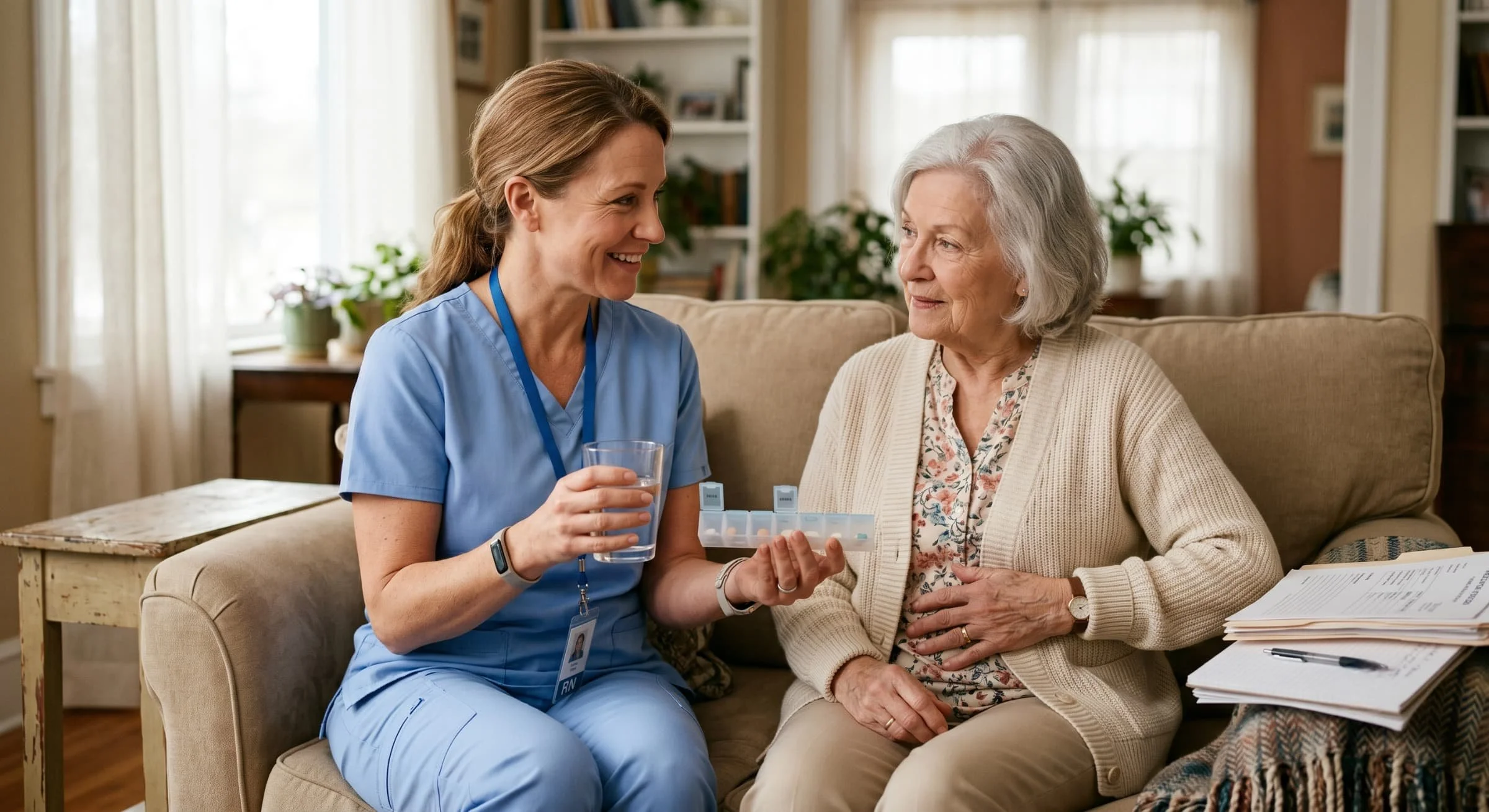
This level of care involves licensed medical professionals, such as Registered Nurses (RNs) or Licensed Practical Nurses (LPNs). It is often required for patients who have chronic conditions or those who have just been discharged from a hospital. Services typically include:
Wound care and dressing changes.
Monitoring of vital signs and neurological status.
Management of complex medical equipment like ventilators or feeding tubes.
Specialized injections and IV therapy.
Senior Home Care and Personal Support
Not every patient requires a nurse. Many seniors benefit from assistance with "Activities of Daily Living" (ADLs). This is often referred to as custodial care and is provided by certified nursing assistants or home health aides. They focus on:
Mobility Assistance: Helping patients move safely around the house to prevent falls.
Hygiene: Assistance with bathing, grooming, and dressing.
Nutrition: Preparing healthy meals that align with dietary restrictions.
| Service Type | Provider Level | Primary Focus |
| Skilled Nursing | Registered Nurse / LPN | Medical monitoring, wound care, injections |
| Therapy Services | PT / OT / Speech Therapist | Rehabilitation, mobility, cognitive function |
| Personal Care | Home Health Aide (HHA) | Bathing, dressing, meal prep, mobility |
| Companion Care | Caregiver | Social interaction, light housekeeping, errands |
Why Private Care at Home is the Gold Standard for Recovery
Clinical insights from the recent research suggest that the environment in which a patient recovers significantly impacts their speed of healing. Hospitals are prone to noise, bright lights, and the "white coat syndrome" - a phenomenon where a patient’s blood pressure rises simply due to the stress of being in a medical facility.
By choosing private home health care, patients can maintain their routines. They sleep in their own beds, eat familiar food, and stay close to their pets and family members. This psychological comfort translates into physical benefits, such as lower cortisol levels and improved sleep quality, both of which are critical for immune function.
Navigating the Search for a Home Health Care Provider
Selecting the right agency is a process that requires due diligence. Since medical centers do not usually have formal partnerships with these agencies, you must act as your own advocate. When evaluating a potential home health care provider, consider their reputation, the rigorousness of their caregiver background checks, and their specific areas of expertise.
When families experience the overwhelming stress of managing a complex post-surgical recovery at home, seeking support that can ensure that professional clinical standards are maintained during those first critical weeks. It is important to ask every agency about their emergency protocols and how they handle caregiver absences to ensure there is never a gap in support.
The Role of Technology and Home Visits in Modern Care
In the past, the only way to see a doctor was to travel to a clinic, wait in a crowded lobby, and risk exposure to seasonal illnesses. Today, the integration of professional house call services has changed the dynamic. Options like Doctor2me help patients receive a physician's assessment right in their living room.
This model complements private home care services perfectly. While a daily caregiver handles the routine, a visiting physician can provide the high-level diagnostic oversight needed to adjust care plans without the patient ever having to leave their house. This synergy reduces the logistical burden on families and keeps the patient’s stress levels to a minimum.
Identifying the Need for Professional Intervention
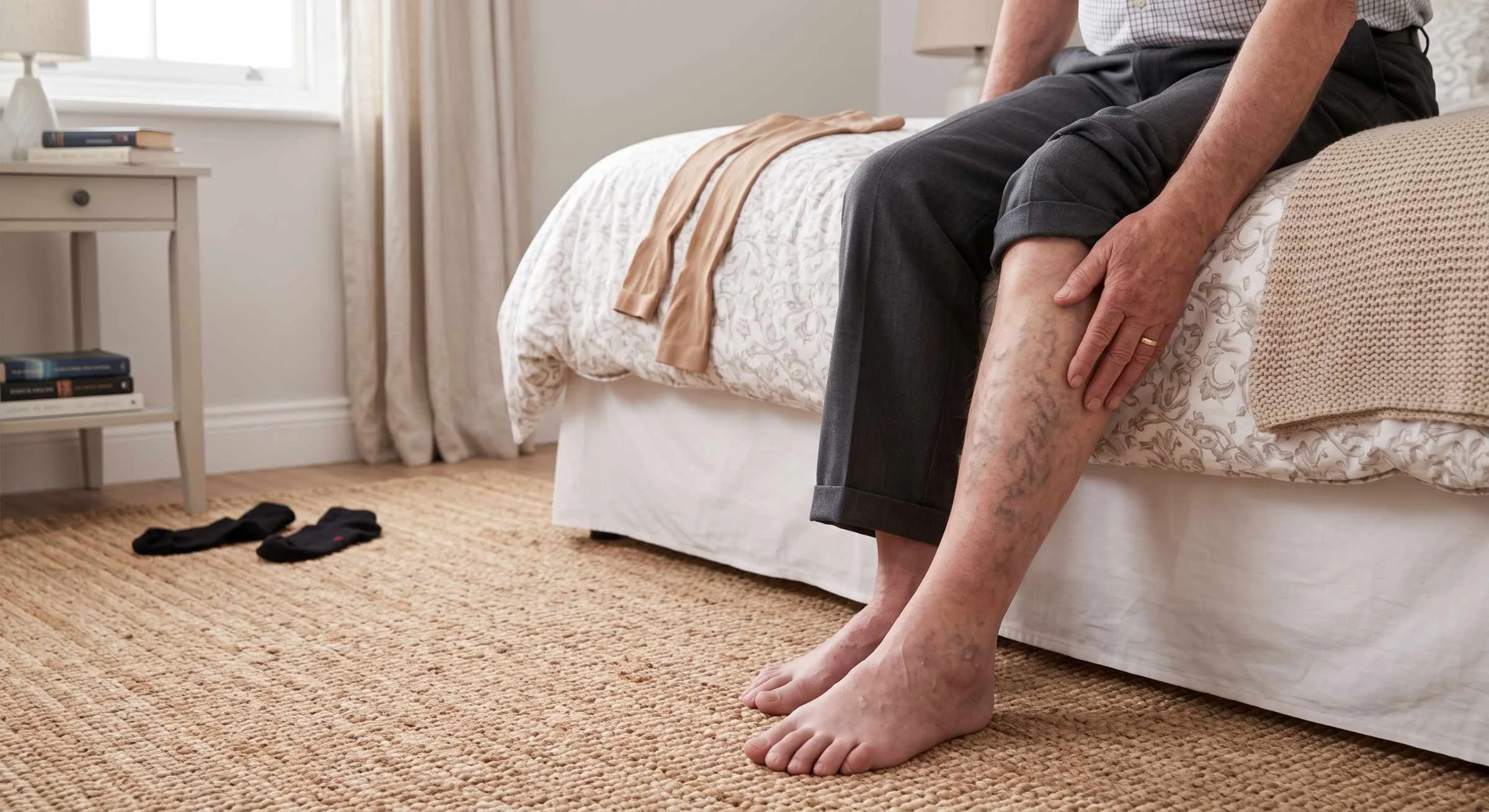
It can be difficult for family members to recognize when a loved one has moved from needing "a little help" to requiring professional private home health care. Look for these subtle signs:
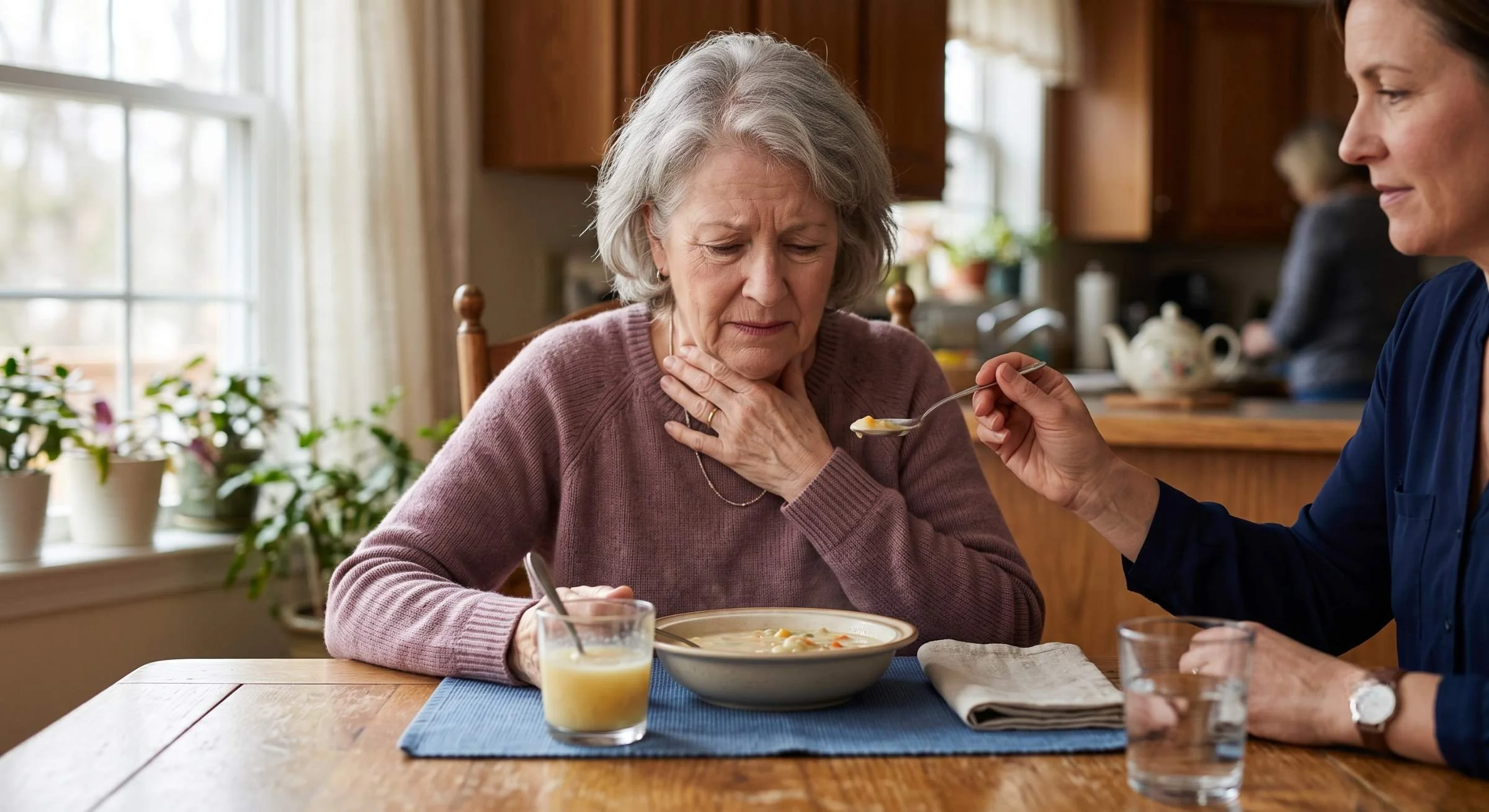
Weight Loss: This may indicate an inability to cook or a loss of appetite due to health changes.
Poor Hygiene: Neglecting bathing or wearing the same clothes for days often points to physical or cognitive struggles.
Unexplained Bruising: Often a sign of "silent falls" that the senior may be embarrassed to report.
Social Withdrawal: Avoiding phone calls or hobbies due to a lack of energy or mobility.
When family caregivers begin to feel the exhaustion of constant supervision and the physical demands of lifting or assisting a loved one, turning to services which may provide a sustainable way to maintain a safe and loving home environment. Professional caregivers would like to bring a level of objectivity and expertise that family members, no matter how well-meaning, often lack.
Steps to Initialize Your Home Care Plan
Starting the journey toward professional home support doesn't have to be overwhelming. Follow this structured roadmap to ensure all bases are covered.
Step 1: The Clinical Assessment
Before hiring help, a professional assessment is necessary. This is usually performed by a nurse or a social worker who evaluates the home environment for safety and determines the level of medical care required. According to the CDC, fall prevention remains a critical priority for home safety, as specialized environmental modifications can reduce the risk of injury significantly.
Step 2: Defining the Schedule
Consistency is key for patients with cognitive decline or chronic pain. Decide whether you need:
Respite Care: Short-term relief for family caregivers.
Intermittent Care: A few hours a day, a few days a week.
24/7 Care: Round-the-clock monitoring by rotating shifts of professionals.
Step 3: Interviewing Potential Aides
Always meet the people who will be entering your home. A good caregiver should not only have the technical skills but also a personality that meshes with the patient.
| Question to Ask | Why It Matters |
| How do you handle medical emergencies? | Ensures they have a clear, rapid-response protocol. |
| Are your caregivers W-2 employees? | Protects you from liability and tax issues. |
| What is the backup plan if a caregiver is sick? | Prevents you from being left without help unexpectedly. |
| How do you document daily progress? | Allows family and doctors to see trends in health. |
The Impact of Home-Based Rehabilitation
For patients recovering from a stroke or orthopedic surgery, physical and occupational therapy are non-negotiable. Traditional outpatient therapy requires exhausting travel. However, in-home care enables therapists to work with the patient in the exact environment where they need to function. Learning to navigate one's own kitchen or bathroom is much more effective than practicing on gym equipment in a clinic.
This "real-world" training leads to higher compliance rates. Patients are more likely to finish their exercises when they don't have to worry about a two-hour round trip to a medical center. Published research via PubMed confirms that home-based rehabilitation programs frequently result in patient outcomes that are comparable to or better than facility-based programs for long-term mobility recovery.
Final Thoughts on Securing the Best Care
The transition to private home health care is a powerful step toward reclaiming quality of life. It acknowledges that healing is not just a biological process but an emotional one. Families can find extensive guidance on the National Institute on Aging regarding how to manage the emotional complexities of aging and long-term care decisions.
By focusing on the core needs of the patient - safety, dignity, and professional expertise - you will find the right path forward. Leveraging modern services like Doctor2me for physician visits ensures that the patient remains the center of attention, receiving the one-on-one care they deserve without the stresses of the traditional medical world.
FAQ
What services are included in private home health care?
Private home health care encompasses a broad spectrum of medical and personal support designed for a safe recovery at home. This typically includes skilled nursing for wound care and vital signs monitoring, as well as personal care assistance with activities of daily living (ADL) such as bathing and meal preparation.
Is home health care the same as home care services?
While the terms are often used interchangeably, home health care involves clinical medical services provided by licensed professionals, whereas home care usually refers to non-medical assistance. Both forms of professional support work together to help seniors and patients maintain independence in their own living environment.
How does in-home medical care benefit senior patients?
Receiving medical care at home reduces the stress associated with clinical environments and limits exposure to seasonal illnesses found in hospitals. This personalized approach supports emotional well-being and allows for a customized geriatric care plan that aligns with the patient's existing daily routine.
Can I receive skilled nursing care in my own home?
Yes, licensed medical professionals such as Registered Nurses (RNs) can provide high-level clinical services in a residential setting. This includes managing complex chronic conditions, administering specialized treatments, and providing post-surgical oversight to ensure a smooth transition from the hospital.
What should I look for when choosing a home health care provider?
It is essential to select an agency that performs rigorous caregiver background checks and adheres to strict professional clinical standards. Ensure the provider offers a clear communication plan and has experience in the specific type of support, such as physical therapy or specialized senior care, that your family requires.
You May Also Like