Semaglutide After 65: Can You Lose Weight Without Losing Muscle?
Yes, adults over 65 can keep most of their muscle while losing weight on semaglutide or other GLP-1 medications, but it takes a deliberate plan. The key elements are adequate protein: about 1.0–1.2 grams per kilogram of body weight per day for healthy older adults, and 1.2–1.5 g/kg for those with chronic illness (Pharmacol Res Perspect. 2024 Oct 14), at least two days a week of muscle-strengthening activity, and consistent medical oversight. (CDC, 2025, Dec 4). Done right, the weight that comes off is mostly fat, not the lean tissue you need for balance, independence, and metabolic health.
GLP-1 receptor agonists such as semaglutide (Ozempic, Wegovy) and the related dual GLP-1/GIP agonist tirzepatide (Mounjaro, Zepbound) are powerful tools for managing type 2 diabetes in older adults and obesity-related conditions. But the strategy that protects a 35-year-old from rebound weight gain is not the same one that protects a 70-year-old from frailty.
Why Does Muscle Matter So Much After 65?
Skeletal muscle does far more than move your body. It is a metabolic organ that regulates glucose, stores amino acids, and supports balance and bone health. BMJ Best Practice (2026, Apr 15) notes that sarcopenia, the age-related loss of muscle mass and strength, is associated with falls, fractures, physical disability, and mortality in people over 65.
The risk during weight loss is what clinicians call "lean mass wasting." When the body is in a caloric deficit, it will pull energy from wherever it can find it – and aging muscle is more vulnerable because of a phenomenon called anabolic resistance, in which older muscle responds less efficiently to dietary protein.
What Is Sarcopenia, and How Does Age-Related Muscle Loss Progress?
Sarcopenia is the clinical term for the loss of muscle mass, strength, and function that comes with aging.A 24-month retrospective cohort study of older adults with type 2 diabetes,published in Drug Design, Development and Therapy in 2025, found measurably greater declines in muscle mass index, grip strength, and gait speed in patients on semaglutide compared with matched controls – particularly at higher doses – a finding that underscores why monitoring matters in this age group.
| Age-related factor | What it does | Why it matters during weight loss |
| Anabolic resistance | Older muscles need more dietary protein to trigger protein synthesis | A reduced appetite can drop protein intake below the threshold for muscle maintenance |
| Hormonal changes | Lower levels of testosterone, estrogen, growth hormone | Slower recovery from exercise and from daily wear and tear |
| Decreased activity | Joint discomfort and habit shift lead to less daily movement | Less mechanical signal to keep the muscle |
| Chronic low-grade inflammation | "Inflammaging" interferes with muscle repair | Slower rebuild after periods of reduced intake |
How Do GLP-1 Medications Affect Body Composition?
GLP-1 receptor agonists work by suppressing appetite and slowing gastric emptying. The intended result is reduced caloric intake. The unintended risk for older patients is that they eat less of everything – protein included. A recent study, Effect of glucagon-like peptide-1 receptor agonists and co-agonists on body composition: Systematic review and network meta-analysis (Mar, 2025), found that lean mass loss accounted for roughly 25% of the total weight loss on GLP-1 receptor agonists, with semaglutide and tirzepatide showing the largest reductions in lean mass.
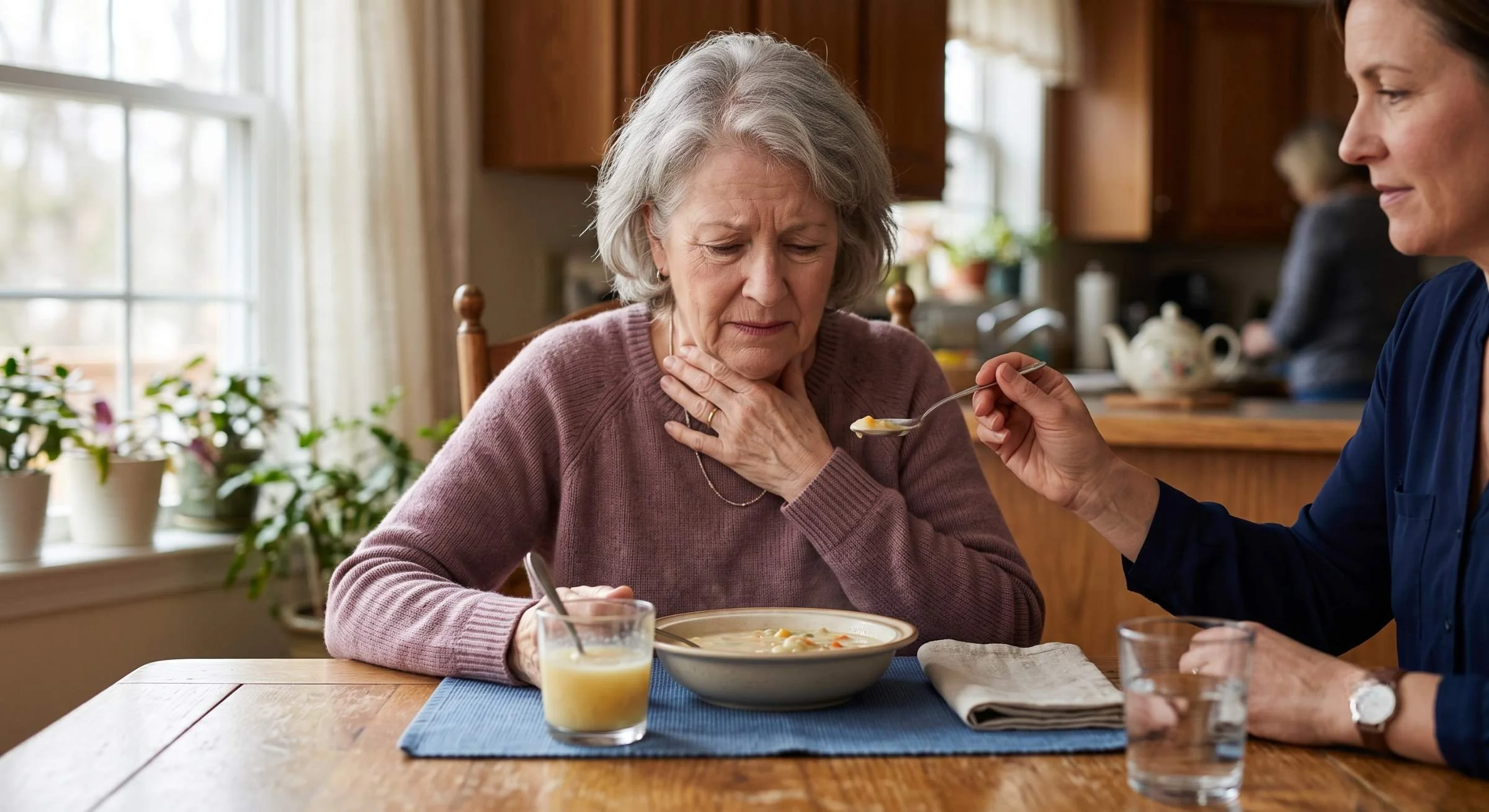
Appetite suppression can lead to unintentional undernutrition.
Reduced calorie intake forces the body to draw on stored energy: fat and, without protection, muscle.
Slower gut motility can change how well nutrients are absorbed.
Lean mass is lost alongside fat: across randomized trials, roughly a quarter of the weight lost on these medications is lean tissue, not just fat.
What Are the Early Signs of Muscle Loss in Older Adults?
The scale does not distinguish fat loss from muscle loss. That is why functional changes – not just numbers – are the most important signals during a GLP-1 weight-loss program.
Early detection lets you adjust nutrition and activity before mobility is affected.
Which Physical Signs Should Seniors Watch For?
| Symptom | What it feels like | What it points to |
| Reduced grip strength | Trouble opening jars or bottles | Loss of overall muscle density; a validated marker for sarcopenia |
| Slower walking pace | Noticeable lag behind peers | Loss of power in the legs and hips |
| Balance issues | Reaching for walls or furniture for support | Loss of core and stabilizer muscles |
| Difficulty with stairs | Needing the rail on every step | Weakened quadriceps and calves |
Which Functional Tests Can You Do at Home?
The chair-stand test: notice if you need to push off with your hands.
The grocery-bag check: pay attention to whether carrying a bag feels heavier than it did a month ago.
Single-leg balance: can you stand on one leg for 10 seconds without swaying?
Daily steps: a sudden drop in your step count due to fatigue is worth flagging to your physician.
How Much Protein Do Older Adults Need on GLP-1 Medications?
Nutrition is the single most powerful tool for protecting strength during weight loss. The goal is nutrient density, not just calorie counting.
How Should Protein Be Distributed Across the Day?
Spreading protein across meals (20–30 grams per meal) appears more effective than loading it all into dinner (Pharmacol Res Perspect. 2024 Oct 14).
| Category | Examples | Why it helps older adults |
| Lean animal protein | Chicken breast, turkey, eggs, Greek yogurt | High-quality amino acid profile, including leucine, which stimulates muscle protein synthesis |
| Plant-based protein | Lentils, chickpeas, tofu, edamame | Fiber helps with the slowed digestion typical on GLP-1 medications |
| Seafood | Salmon, cod, shrimp, sardines | Omega-3s may help moderate muscle inflammation |
| Dairy/alternatives | Cottage cheese, whey protein, soy milk | Easy to consume when appetite is low |
Which Micronutrients Support Muscle on a Weight-Loss Program?
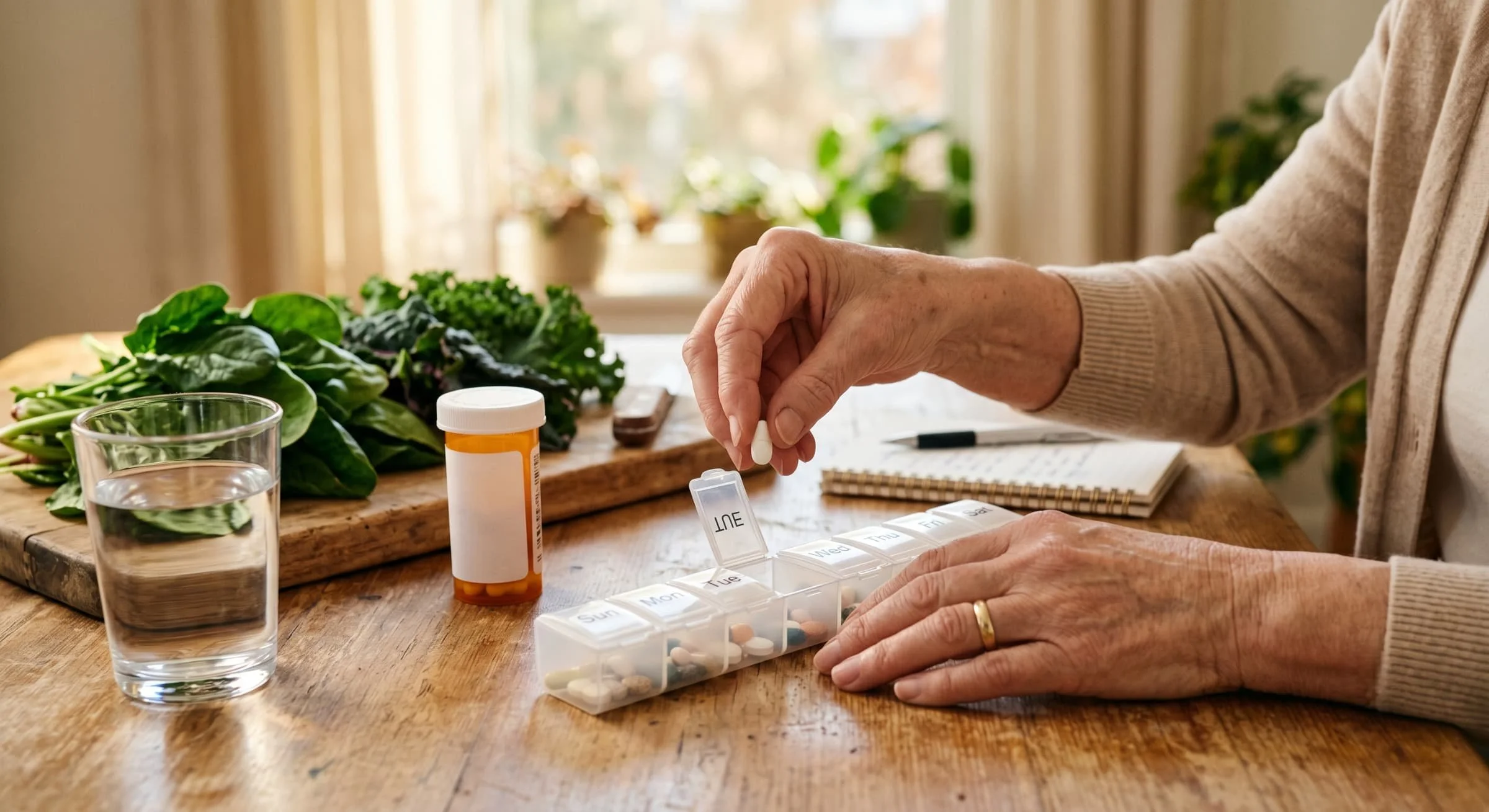
Vitamin D: supports calcium absorption and neuromuscular function; deficiency is common in older adults.
Magnesium: contributes to normal muscle and nerve function.
Vitamin B12 deficiency is common in older adults and can present as fatigue and weakness. Ask your physician if a level should be checked.
Hydration: appetite suppression often blunts thirst as well – set a daily water target.
Any supplement plan should be reviewed by your physician, especially if you are on metformin, a PPI, or other medications that affect nutrient absorption.
How Should Older Adults Exercise on Semaglutide?
Movement is the signal that tells your body to keep its muscles. Without resistance, the body assumes the muscle is not needed.
What Does a Senior-Safe Strength Program Look Like?
The CDC recommends (Dec. 4, 2025) that adults 65 and older perform muscle-strengthening activities on at least two days per week, in addition to aerobic and balance activities. For older adults losing weight on a GLP-1, that minimum is essentially non-negotiable.
Resistance bands: low-impact and joint-friendly.
Body-weight movements: sit-to-stands, wall push-ups, gentle squats.
Isometric holds: planks, wall-sits, and similar holds for core stability.
Balance work: heel-to-toe walking, Tai Chi, gentle yoga.
Consistency over intensity: two short sessions a week beat one long workout you don't repeat.
In-home physical therapy can be especially useful if you are unsure how to perform the exercises correctly or need to work around joint pain. The Doctor2me network includes physical therapy partners – for example, FUNCtherapy, which provides in-home physical and occupational therapy across Beverly Hills, Culver City, West Hollywood, Mid-Wilshire, and Westwood – that can build a strength program around your goals..
Home Safety and Mobility Support
While strength is rebuilding, the right equipment can keep you active without raising fall risk. Walkers, ramps, grab bars, handrails, and bathroom safety equipment reduce the everyday hazards that often cause older adults to move less, which is itself a driver of muscle loss.
The Doctor2me network includes partners for both equipment supply and home modifications.Medlife Medical Supply delivers and sets up durable medical equipment such as walkers, hospital beds, oxygen, and other mobility aids across Los Angeles County, Santa Clarita, and Ventura County. For installed modifications such as grab bars, handrails, stairlifts, ramps, and bathroom safety remodels, Call Before You Fall serves communities including Agoura Hills, Calabasas, Westlake Village, Woodland Hills, Thousand Oaks, Simi Valley, and Malibu, with team members certified as Aging in Place Specialists (CAPS).
Why Does Home-Based Medical Oversight Matter on GLP-1 Therapy?
Managing weight loss in older adults is a clinical task, not a calorie game. Regular monitoring of body composition trends, hydration, kidney function, and nutritional status is what separates a productive program from one that quietly drives a patient toward frailty.
For many older adults, getting to a busy clinic for these check-ins is itself a barrier – particularly when the patient is dealing with the early fatigue, nausea, or appetite changes common to Ozempic side effects.
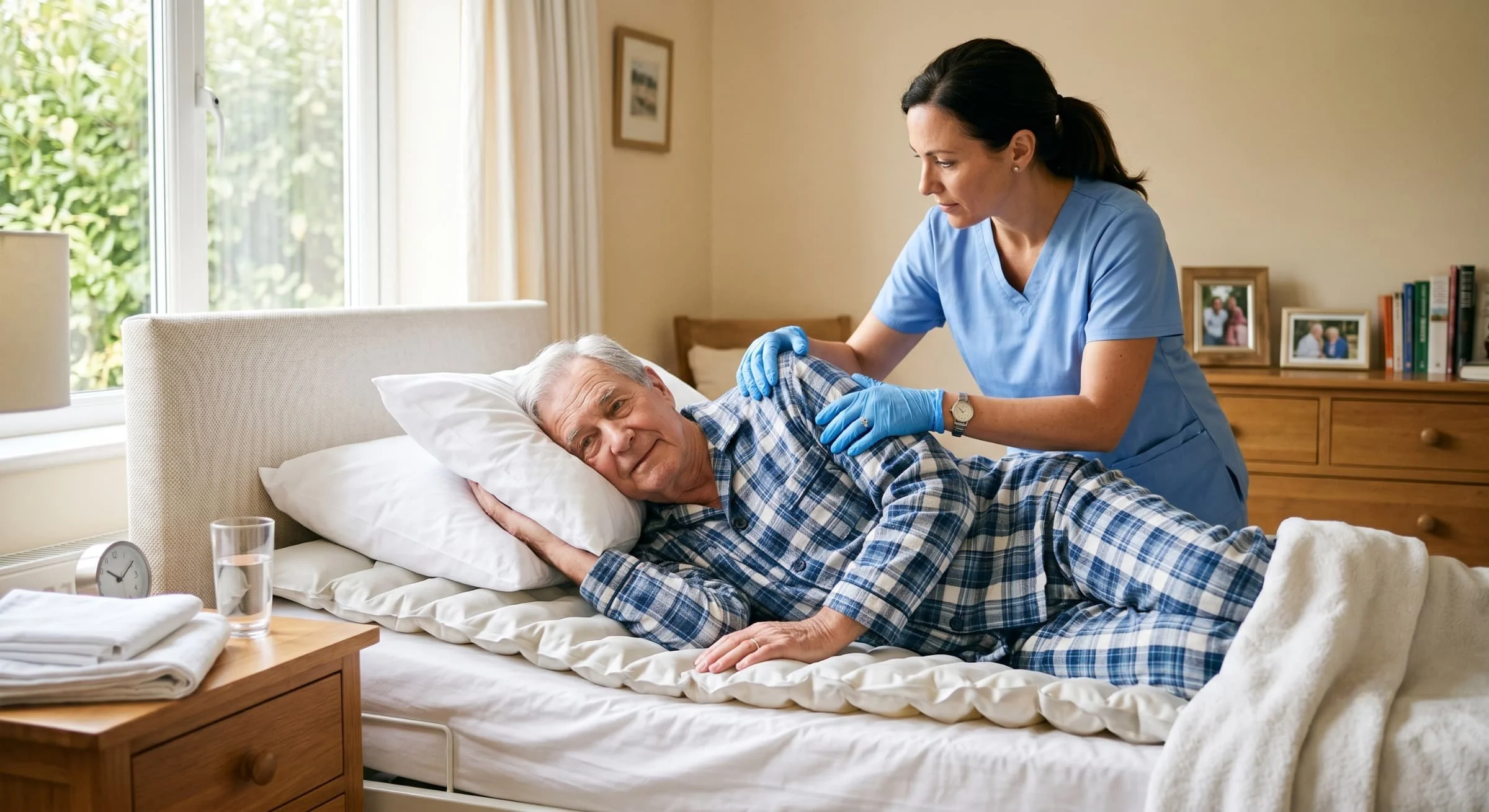
That is one reason in-home physician visits appeal to patients on GLP-1 therapy:
Less exposure to seasonal illnesses in waiting rooms.
The physician can assess your home environment and flag fall risks directly.
Less time and stress are spent on parking and travel.
Easier to keep a steady cadence of bloodwork and vitals.
Better continuity of care when the same clinician sees you over time.
Conclusion
Weight loss in older adults, done carefully, can reduce the burden of chronic disease and improve daily life. The risks are real: GLP-1 medications can accelerate muscle loss in adults over 65 if protein, strength training, and clinical oversight are missing. With those pieces in place, most of the weight you lose can come from fat, not the muscle you need for the next decade of independence.
FAQ
Does semaglutide cause muscle loss in older adults?
Rapid weight loss from GLP-1 medications such as Ozempic and Wegovy can reduce lean tissue, not only fat. According to a 2025 meta-analysis in Metabolism, lean mass accounted for roughly 25% of total weight loss across GLP-1 trials. The risk is higher in adults over 65 because of pre-existing age-related muscle loss.
How can I prevent sarcopenia muscle loss while on weight-loss medication?
Combine higher protein intake (about 1.0–1.2 g/kg/day for healthy older adults, 1.2–1.5 g/kg/day with chronic illness, per the ESPEN consensus) with at least two days a week of resistance training, per CDC guidelines for adults 65 and older.
What are the early signs of muscle loss in older adults?
Common muscle loss symptoms include reduced grip strength, slower walking speed, difficulty rising from a chair without using your hands, and new balance problems. These signals usually appear before a major drop in measurable strength.
Why is protein so important for older adults on these medications?
Older adults experience anabolic resistance – their muscles respond less efficiently to dietary protein. When GLP-1 medications cut overall food intake, falling below the daily protein threshold is easy and accelerates muscle wasting.
Is resistance training safe while taking semaglutide?
For most older adults, yes. Low-impact resistance training is currently the most effective signal for the body to preserve muscle while losing fat. If you are managing type 2 diabetes in older adults, are new to exercise, or are experiencing Ozempic side effects such as fatigue or nausea, a physical therapist can build a program around your limits.
Can I monitor my own muscle health at home?
Professional body-composition scans are the gold standard, but the 30-second chair-stand test, grip-strength check, and gait-speed check are useful at-home measures. Pair them with home-based medical oversight for a fuller picture.
You May Also Like