Constipation in Seniors: When Is It Harmless and When Is It a Serious Health Sign?
For most seniors, constipation is harmless when it occurs occasionally due to diet or lifestyle, but it becomes a serious health sign if accompanied by severe pain, blood, or symptoms of a bowel impaction. Distinguishing between a routine change in bowel movements and a clinical emergency is vital for maintaining long-term digestive wellness and preventing complications.
Understanding Stool Health in Older Adults
The digestive system naturally slows down over time. This physiological shift often changes how frequently and easily a person passes stool.
What is a Normal Change in Bowel Movements?
A normal change often includes a slightly longer transit time for food. This may result in going from daily movements to once every two or three days.
If these changes occur without pain or bloating, they are usually not a cause for alarm. For those who prefer to monitor these shifts from home, an independent, licensed provider can consult with you without the stress of a clinical commute.
Identifying Hard Bowel Movement vs. Soft Bowel Movements
Monitoring the texture of your stool is a primary way to track gut health. Medical professionals use specific categories, such as the Bristol Stool Chart, to help patients describe their experiences accurately.
| Stool Type | Description | Health Status |
| Hard Bowel Movement | Separate hard lumps or very lumpy sausage | Indicates constipation or dehydration |
| Normal Stool | Smooth, soft sausage or snake-like | Optimal digestive health |
| Soft Bowel Movements | Soft blobs or watery consistency | May indicate irritation or rapid transit |
Persistent hard bowel movement can lead to physical strain. This strain is a leading cause of secondary issues like hemorrhoids in 50% of adults over age 50.
When Constipation Becomes a Medical Concern
While occasional irregularity is common, certain symptoms act as "red flags." These indicators suggest that the issue is not functional but potentially structural or systemic.
The Red Flags: Symptoms You Should Never Ignore
There are specific signs that require a medical evaluation to rule out serious conditions. You should seek advice if you experience:
Unexplained weight loss of 10 pounds or more without trying.
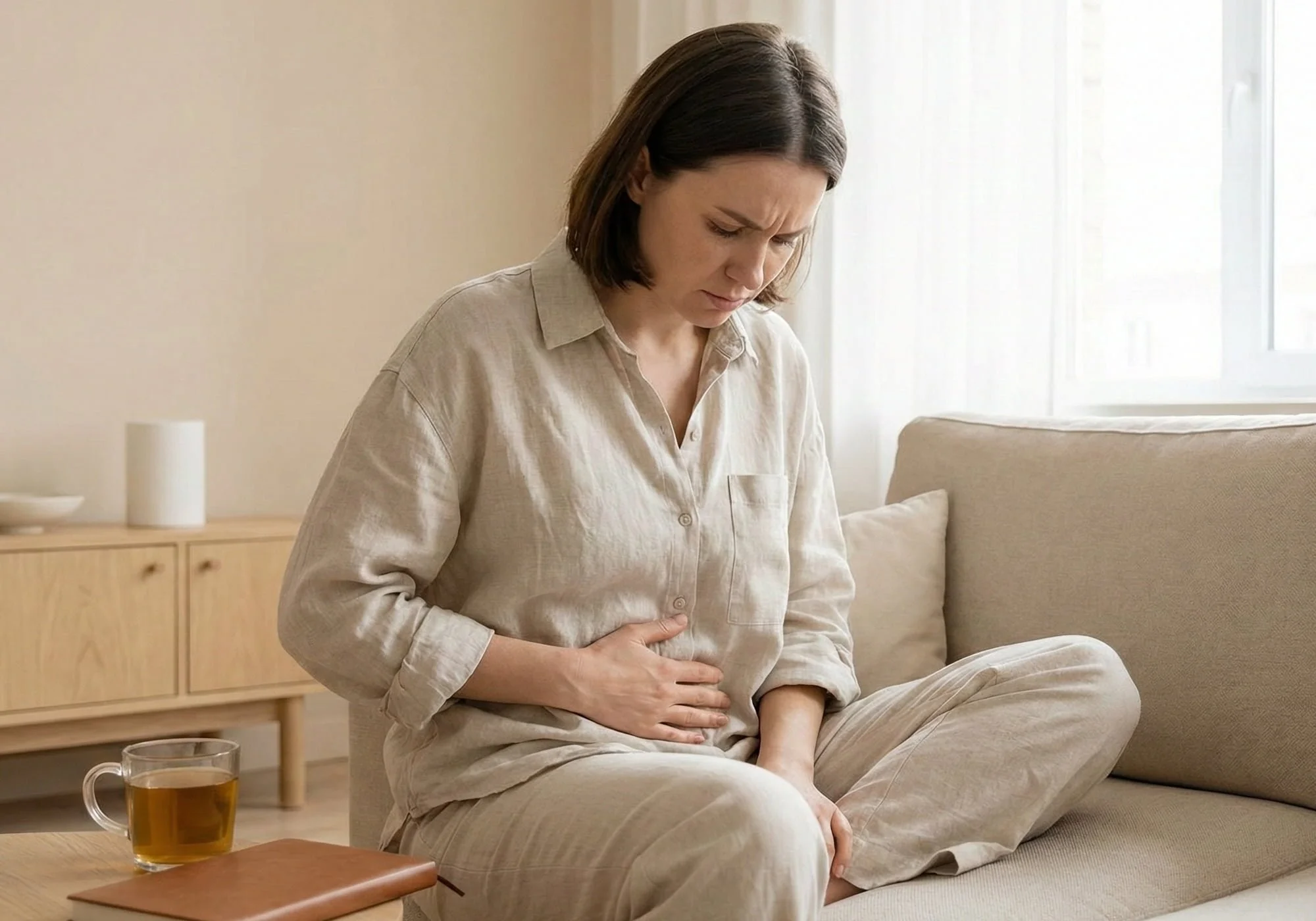
Persistent abdominal cramping that does not resolve after a movement.
A sudden change in the shape of the stool (such as pencil-thin stools).
According to clinical guidelines these symptoms may indicate underlying obstructions. If diagnostic tests are required, Sonic Diagnostic Laboratory, an independent provider, can often perform blood draws or specimen collection at your home to expedite the process.
Bowel Impaction: A Geriatric Emergency
A bowel impaction occurs when a mass of dry, hard stool becomes stuck in the rectum. This is a serious condition that can lead to ulceration or bowel perforation if left untreated.
In seniors, the risk of impaction is higher due to reduced rectal sensation. Often, patients may experience "overflow" liquid that looks like soft bowel movements, masking the solid blockage hidden above. Expert analysis suggests that fecal impaction often requires immediate clinical intervention to avoid long-term damage to the colon.
Primary vs. Secondary Causes of Digestive Issues
Determining the root cause is the first step in effective management. Doctors look at both lifestyle factors and external influences.
Functional Constipation and Lifestyle Factors
The majority of cases in the US are functional, meaning they relate to how the gut is working. Key factors include:
Hydration: The colon absorbs water; if you are dehydrated, the stool becomes a hard bowel movement.
Fiber: An intake of less than 25 grams per day often leads to sluggish transit.
Inactivity: Lack of movement reduces the natural contractions of the colon.
Medications and Professional Support
Many seniors take multiple prescriptions that can inadvertently slow the digestive tract. Managing these side effects requires a coordinated care approach. Harvard Health Publishing notes that certain medications, such as calcium channel blockers and some antidepressants, are frequent contributors to chronic irregularity in older populations.
For those recovering from surgery or managing complex chronic conditions, independent home nursing oversight may help.
Effective Fecal Impaction Treatment and Management
When a blockage is identified, the focus shifts to safe removal. This process must be handled with care to avoid damaging the delicate lining of the colon.
Stepwise Approach to Relief
Fecal impaction treatment usually begins with conservative methods. If those fail, clinical intervention becomes necessary.
Softening: Using specialized solutions to draw water into the mass.
Lubrication: Administering enemas to facilitate the passage of the blockage.
Manual Removal: A healthcare professional gently breaks up the mass to allow it to pass.
Home Care and Professional Medical Support
After successful fecal impaction treatment, the focus turns to prevention. This includes scheduled "toilet time" and monitoring the frequency of movements.
A consistent routine helps the body regain its natural rhythm. Providers often suggest attempting a movement 15 to 30 minutes after breakfast when the body's natural signals are strongest.
Environmental Influences on Senior Digestive Health
The environment plays a crucial, yet often overlooked, role in maintaining regular bowel movements. For older adults living in warmer or more arid climates, the risk of dehydration increases significantly, directly impacting stool health.
How Regional Climates Accelerate Dehydration
When the body loses excess moisture through light perspiration, the colon compensates by absorbing more water from waste. This physiological response quickly turns a normal stool into a hard bowel movement.
In areas with dry heat, such as Phoenix or Scottsdale, or during warm seasons in Southern California regions like Pasadena and Westlake Village, temperatures quietly drain the body's reserves. Seniors naturally have a diminished sense of thirst, often losing up to 20% of their daily fluid needs before actually feeling parched.
Key environmental risks include:
Low Ambient Humidity: Accelerates invisible moisture loss through the skin and respiration.
Prolonged Heat Exposure: Substantially increases the baseline requirement for daily water intake.
Indoor Air Conditioning: Can dry out indoor air, subtly increasing dehydration risks even when staying inside.
Adapting Routines for Climate-Specific Wellness
Adjusting fluid intake to match environmental demands is essential for preventing a bowel impaction. Healthcare professionals strongly advise against waiting for the sensation of thirst to start drinking water.
Instead, hydration must become a scheduled, deliberate daily activity. Managing the indoor environment is equally important, especially during peak summer months in locations like Thousand Oaks, to reduce insensible water loss.
Effective daily hydration habits:
Schedule Sips: Drink 4 to 6 ounces of water every hour throughout the day, rather than consuming large amounts at once.
Visual Cues: Keep a brightly colored water bottle or a filled pitcher visually accessible on the counter at all times.
Monitor Output: Ensure that urine remains a pale, clear yellow, which serves as a reliable clinical indicator of adequate hydration.
Seasonal Dietary Adjustments for Consistency
Adapting your diet to the local climate can significantly improve transit time. During hotter months, older adults often experience a decrease in appetite, which can lead to a dangerously low intake of essential dietary fiber.
Replacing heavy, processed meals with water-rich foods supports both hydration and stool bulk formation. These dietary choices provide a dual benefit by introducing high-quality fiber while simultaneously supplying the gastrointestinal tract with necessary fluids for soft bowel movements.
Top hydrating foods to include in a summer diet:
Cucumbers: Composed of roughly 95% water, offering excellent hydration and easy digestion.
Watermelon: Provides a highly palatable source of fluids and gentle, natural fiber.
Leafy Greens: Spinach and crisp lettuce add essential bulk to the stool without requiring heavy digestive effort.
Conclusion: Prioritizing Digestive Comfort
Managing constipation in your senior years is about vigilance and proactive care. By understanding what constitutes a healthy change in bowel movements versus a dangerous blockage, you can maintain your independence and comfort.
Utilizing modern resources like mobile diagnostics and home health care ensures that you have the support needed to stay regular. Always listen to your body and consult a professional if you notice persistent pain or a significant shift in your stool health.
FAQ
How can you tell the difference between normal aging and serious constipation?
Normal aging typically causes a slight change in bowel movements due to slower metabolism, resulting in fewer but manageable stools. It becomes a serious medical concern if you experience a sudden hard bowel movement accompanied by severe abdominal pain, bloating, or unintended weight loss.
What are the most common symptoms of bowel impaction in seniors?
Bowel impaction often presents as a total inability to pass stool, persistent rectal pressure, or liquid leakage that mimics soft bowel movements. This condition is a geriatric emergency and requires immediate fecal impaction treatment to prevent complications like bowel perforation or infection.
Is a sudden change in bowel movements always a sign of illness?
While a change in bowel movements can be caused by new medications or dietary shifts, it should always be evaluated by a professional to rule out underlying health issues. Monitoring stool health consistency and frequency helps providers determine if the change is functional or a red flag for a more serious condition.
What is the safest fecal impaction treatment for older adults?
Safe treatment usually involves a stepwise clinical approach, starting with lubricated enemas or suppositories to soften the mass. If conservative methods fail, a healthcare professional may perform manual disimpaction to break up the hard bowel movement and restore normal transit.
How much fiber and water is needed to maintain healthy stool health?
Seniors should aim for 25-30 grams of fiber daily paired with at least 64 ounces of water to ensure waste stays mobile in the colon. Without adequate hydration, increasing fiber can inadvertently lead to a hard bowel movement, making regular fluid intake essential for digestive comfort.
Can certain medications cause chronic constipation in the elderly?
Yes, many common prescriptions such as calcium channel blockers, certain antidepressants, and narcotic pain relievers significantly slow the digestive tract. If you notice a persistent change in bowel movements after starting a new regimen, consult your provider to adjust the plan and prioritize your digestive wellness.
You May Also Like