World TB Day 2026
Table of Contents
Every year on March 24, the global health community pauses to recognize World TB Day. This date commemorates the day in 1882 when Dr. Robert Koch announced his discovery of Mycobacterium tuberculosis, the bacterium that causes tuberculosis (TB). Despite being a preventable and curable disease, TB remains one of the world’s deadliest infectious killers. As we approach World TB Day 2026, the theme continues to resonate with a powerful message of hope: “Yes! We can End TB!”. This day serves as a critical call to action for world leaders, healthcare providers, and the public to ramp up investment and accelerate the fight against this ancient disease.
Understanding World TB Day and Its Global Significance
The observance of International TB Day is not merely a look back at history; it is a vital platform for addressing the ongoing challenges of the 21st century. The mission behind this Tuberculosis Day is to educate the public about the devastating health, social, and economic consequences of TB.
According to the World Health Organization (WHO), while significant strides have been made, the global response faces mounting pressure. The World TB Day 2026 Theme Announcement emphasizes that ending the epidemic requires a multisectoral approach, focusing on those most vulnerable to infection.
Current Tuberculosis Cases Worldwide and Global TB Levels
To understand the scale of the challenge, we must look at the data. Recent reports indicate that tuberculosis cases worldwide have seen a concerning trend. While there was a period of decline, the WHO Global TB Report 2025 highlighted that global gains are endangered by funding challenges and the long-term impacts of global health disruptions.
In the United States, the situation reflects both progress and a need for vigilance. The CDC’s 2024 surveillance report notes that TB incidence in the U.S. continues to be monitored closely, particularly in high-burden states. For instance, the Tuberculosis in California: 2024 Snapshot shows that localized efforts are essential to keep tb levels from rising in densely populated urban centers. Globally, the rise of drug-resistant strains complicates the picture, requiring more intensive and longer-lasting treatments than ever before.
How Does TB Spread? Understanding the Risks
One of the primary goals of health education is to dispel myths regarding how the infection is transmitted. Many people live with unnecessary fear, while others may not take enough precautions because they don't fully understand the mechanics of the disease.
TB: How Contagious Is It Really?
When patients ask, "tb how contagious is this disease?" the answer requires nuance. TB is an airborne disease, meaning it is spread through the air from one person to another. However, it is generally much harder to catch than the common cold or the flu. Typically, you have to spend an extended amount of time (often several hours a day) in a closed environment with someone who has active pulmonary TB to become infected. It is not spread by shaking hands, sharing food, or touching bed linens.
Analyzing TB Spread: How the Infection Moves
To understand tb spread how it happens in real-world settings, we look at the release of microscopic droplets. When someone with active TB in their lungs or throat coughs, speaks, or sings, these droplets can stay suspended in the air for several hours. If another person breathes them in, the bacteria can settle in the lungs and begin to grow.
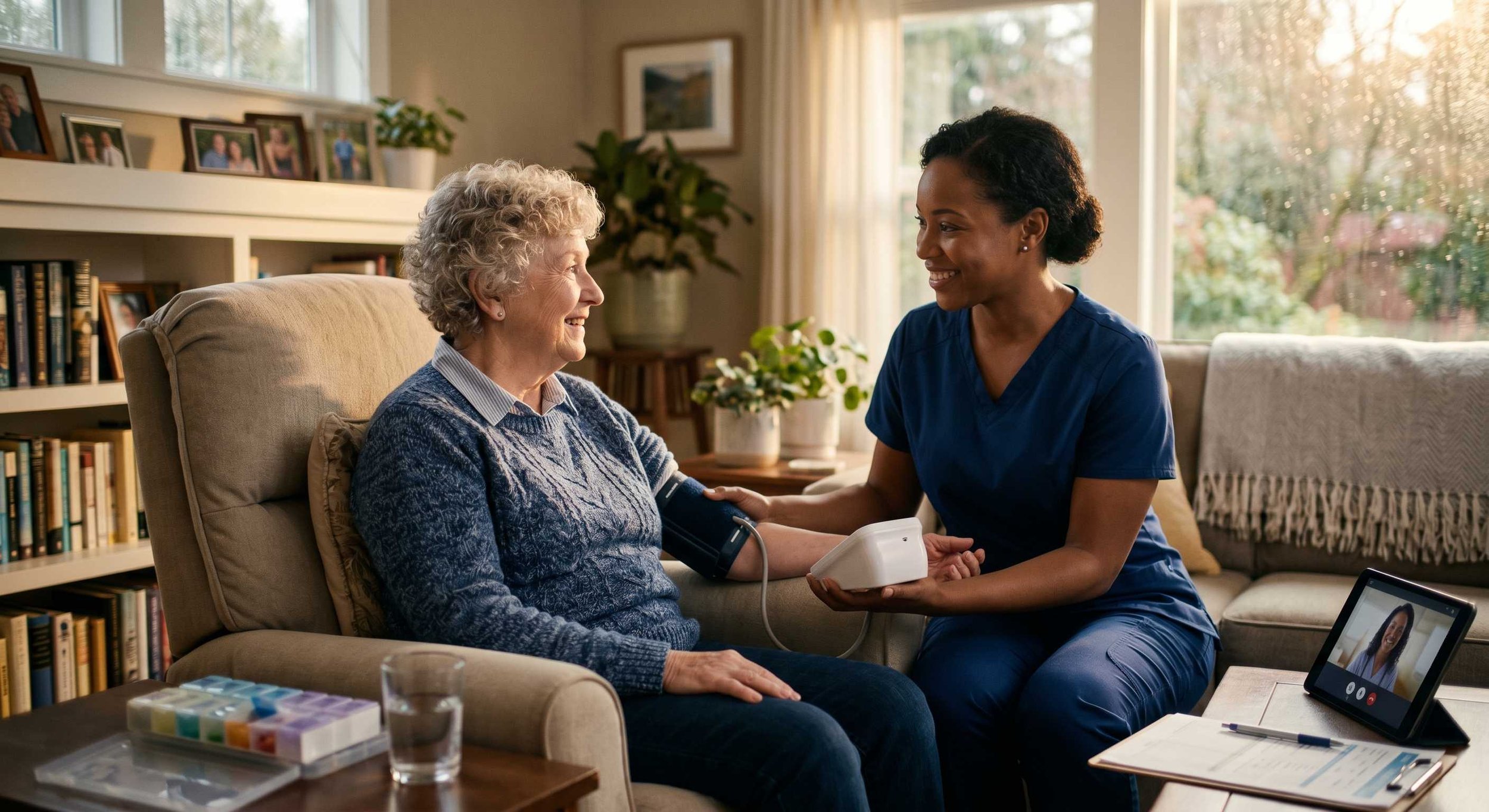
Risk factors for spread include poor ventilation and close-contact living conditions. For those managing long-term recovery or living in environments where specialized care is needed, organizations like XL Home Health play a crucial role. They provide professional support that ensures patients adhere to treatment protocols in the safety of their homes, which is a key component in preventing further transmission within the community.
Effective TB Disease Prevention and Screening
The cornerstone of ending the epidemic is tb disease prevention. This involves a two-pronged approach: treating those with active disease to stop transmission and identifying those with latent TB infection to prevent them from developing the active form.
Modern Strategies for Prevention and Diagnostics
Recent breakthroughs have ushered in a new era in tuberculosis prevention and treatment. Innovations in drug development are shortening treatment times for multi-drug resistant strains from 24 months down to just 6 months.
Early and accurate diagnosis is essential. Advanced facilities like Gentry Imaging provide the high-resolution diagnostic tools, such as chest X-rays and CT scans, necessary to identify the physical signs of TB in the lungs. Furthermore, screening forms have become more accessible. Educational institutions and workplaces often require a TB Screening Questionnaire to assess risk factors before entry. Even specific regions have streamlined this, such as the Form VA Report of Tuberculosis Screening, ensuring that no one falls through the cracks of the healthcare system.
The Role of Specialized Support
Managing a TB diagnosis can be logistically challenging. Patients often need to travel for specialized consultations or follow-up tests. In these instances, Medizoom provides reliable non-emergency medical transportation, ensuring that patients can reach their appointments safely without relying on public transit, which helps maintain social distancing protocols. Additionally, for those requiring respiratory support or specialized home care equipment during their recovery, Medlife Medical Supply offers the essential medical tools to facilitate a comfortable and effective healing process.
For patients facing the most difficult stages of respiratory illness or complications, specialized support is available. Independent providers like LIEM Hospice can be contacted by families to provide extra comfort, emotional support, and pain management right at home.
World TB Day Activities: How to Get Involved
Participation in world tb day activities is a powerful way to show solidarity. These activities are designed to educate and inspire.
Educational Webinars: The Mayo Clinic offers resources like the Innovations in Tuberculosis Webinar Series, which provides deep dives into clinical decision-making and new diagnostic tools.
Public Awareness Campaigns: Lighting up local landmarks in red is a common global tradition to signify the urgency of the cause.
Community Screening Events: Many local health departments offer free or low-cost screenings and distribute printable TB questionnaires to help individuals assess their risk.
By engaging in these events, we help reduce the stigma associated with TB, making it easier for people to seek help without fear of judgment.
Seamless Healthcare Support with Doctor2me
Navigating the healthcare landscape can be stressful, especially when dealing with a condition as serious as tuberculosis. This is where Doctor2me offers a compassionate and practical solution. By bringing qualified medical professionals directly to your door, Doctor2me eliminates the need for long waits in crowded clinic waiting rooms—an environment where the risk of infection can be higher for everyone.
Whether you need a consultation to discuss potential symptoms, an explanation of tb diagnostics demystified, or guidance on preventive therapy, Doctor2me provides an empathetic and expert approach. This personalized care model ensures that your health journey is managed with the highest level of privacy and convenience, allowing you to focus on what truly matters: your recovery and long-term wellness.
As we look toward the future, the goal of eliminating TB is within our reach, but it requires unwavering commitment. By understanding how the disease works, participating in world tb day initiatives, and utilizing modern healthcare services like Doctor2me, we can protect ourselves and our communities. Let us use this year to turn "Yes! We can End TB" from a slogan into a reality.
FAQ
What is the significance of World TB Day?
World TB Day is observed every March 24 to raise global awareness about the devastating health and economic impact of tuberculosis. It serves as a critical call to action for health organizations and the public to accelerate efforts toward ending the TB epidemic through early detection and improved access to care.
How contagious is tuberculosis in everyday settings?
TB is an airborne infection spread when a person with active pulmonary tuberculosis coughs or speaks, but it generally requires prolonged exposure in close quarters to transmit. It is not spread through casual contact like shaking hands or sharing surfaces, making proper ventilation and screening essential for community safety.
What are the common symptoms of active TB disease?
Typical signs include a persistent cough lasting three weeks or longer, chest pain, and coughing up blood or sputum. Many patients also experience systemic symptoms such as unintended weight loss, fatigue, night sweats, and a lingering fever that requires immediate medical evaluation.
Can tuberculosis be prevented after potential exposure?
Yes, TB disease prevention focuses on identifying and treating latent TB infection before it progresses to the active, contagious stage. Healthcare providers use skin tests or blood draws to screen high-risk individuals, followed by preventive therapy to eliminate the dormant bacteria.
How long does modern tuberculosis treatment usually last?
While standard treatment for drug-susceptible TB typically lasts six months, recent medical innovations are successfully shortening regimens for drug-resistant strains. Consistent treatment adherence is vital to ensure a complete recovery and to prevent the rise of multi-drug resistant tuberculosis (MDR-TB).
What is the difference between latent TB and active TB disease?
Individuals with latent TB have the bacteria in their system but do not feel sick and cannot spread the infection to others. However, if the immune system weakens, the infection can become active TB disease, causing noticeable symptoms and allowing the bacteria to spread through the air.
You May Also Like