
Your Care Guide

Physical Therapy and Therapeutic Exercise for Older Adults: A Complete Practical Guide
Older adults often face declining strength, balance issues, and limited mobility, which increase the risk of falls, fractures, and loss of independence. Physical therapy and therapeutic exercise provide structured, safe routines that strengthen the hips, improve coordination, support wheelchair users, and offer water-based options to restore health and confidence.

Urgent Care vs. Home Health: What to Choose for Your Loved One
Families often struggle to decide where to turn when loved ones need medical attention. Urgent Care is designed for sudden, non-life-threatening issues, while Home Health provides ongoing, physician-directed care at home for recovery and chronic conditions.

Technology in Home Care: From Telemedicine to Remote Monitoring
Instead of “wait until it’s bad, then go to the clinic,” care is moving proactive. Telemedicine, virtual visits, and remote patient monitoring (RPM) help spot issues earlier, treat more precisely, and avoid hospital trips. That saves time, money, and stress for patients, families, and clinics.

Nutrition and Hydration at the End of Life: Finding the Balance Between Care and Burden
In the late stages of illness, patients naturally lose appetite and thirst. Families often see this as dangerous and try to force feeding or IV fluids, which can lead to complications — swelling, pneumonia, nausea. The core issue is balance: how to avoid harm from aggressive interventions while still providing care and comfort.

Things an EKG Can Tell You About Your Heart’s Health
How a simple and accessible test — the EKG — can reveal hidden issues in heart function. It explains that an EKG helps detect arrhythmias, heart attacks, heart enlargement, medication effects, and electrolyte imbalances, while also noting its limitations as only the first step in a broader diagnostic process.
Signs Your Loved One May Need Home Care Services
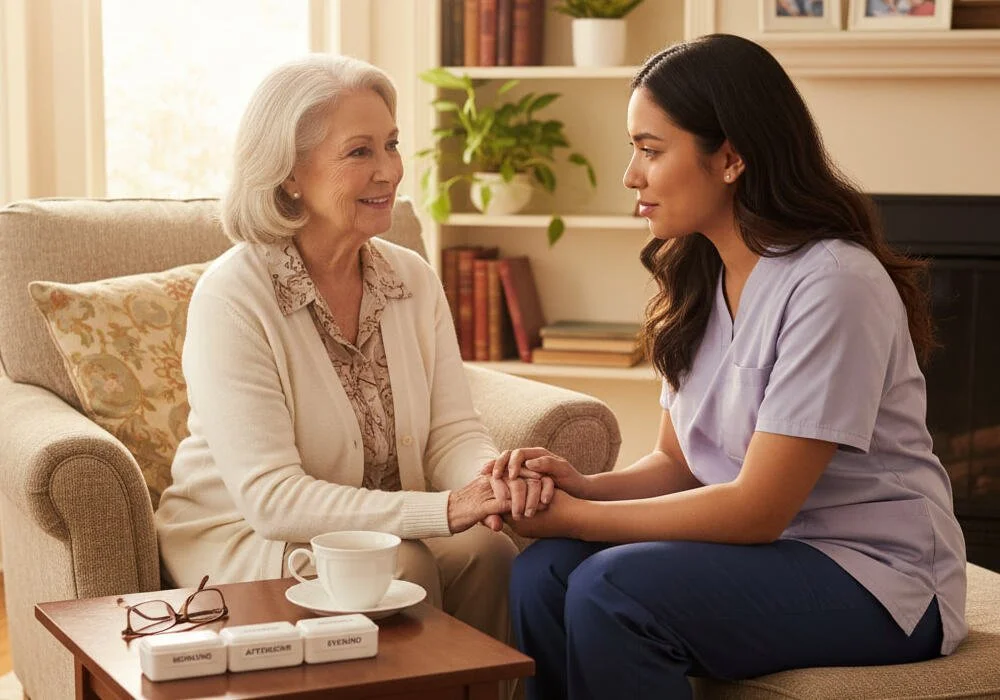
As loved ones age, daily routines can become harder. Missed meals, memory lapses, or small accidents may signal the need for support. Recognizing these signs early helps maintain safety, comfort, and independence with the help of home care services.

Concierge Medicine: Why More Families Are Turning to At-Home Doctors
Concierge medicine is reshaping healthcare by bringing doctors directly into the home. Families are choosing this model for same-day access, personalized preventive care, and reduced ER visits. By combining trusted resources like Mayo Clinic and CMS insights with real-world benefits, at-home doctors provide comfort, continuity, and peace of mind for patients of all ages.
How to Choose the Right Assisted Living Home: A Step-by-Step Guide
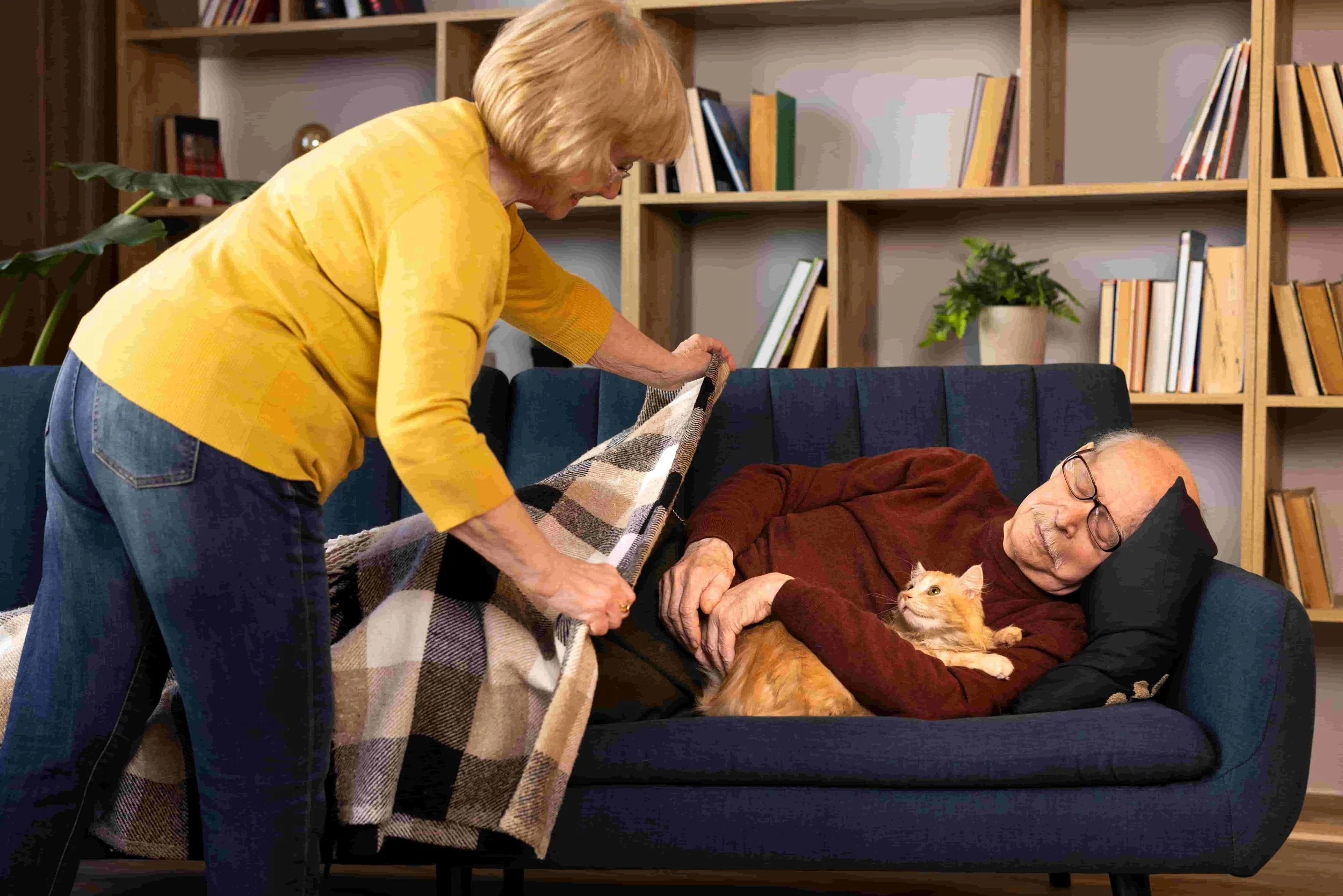
Selecting an assisted living home may feel overwhelming, but breaking it into steps makes the process manageable. By identifying care needs, using trusted resources like Senior Care Authority, Completely Senior, and Assisted Living Connections, and carefully evaluating services and safety, families can find a community that supports both health and happiness.
Home Physical Therapy: Restoring Balance and Strength in Seniors
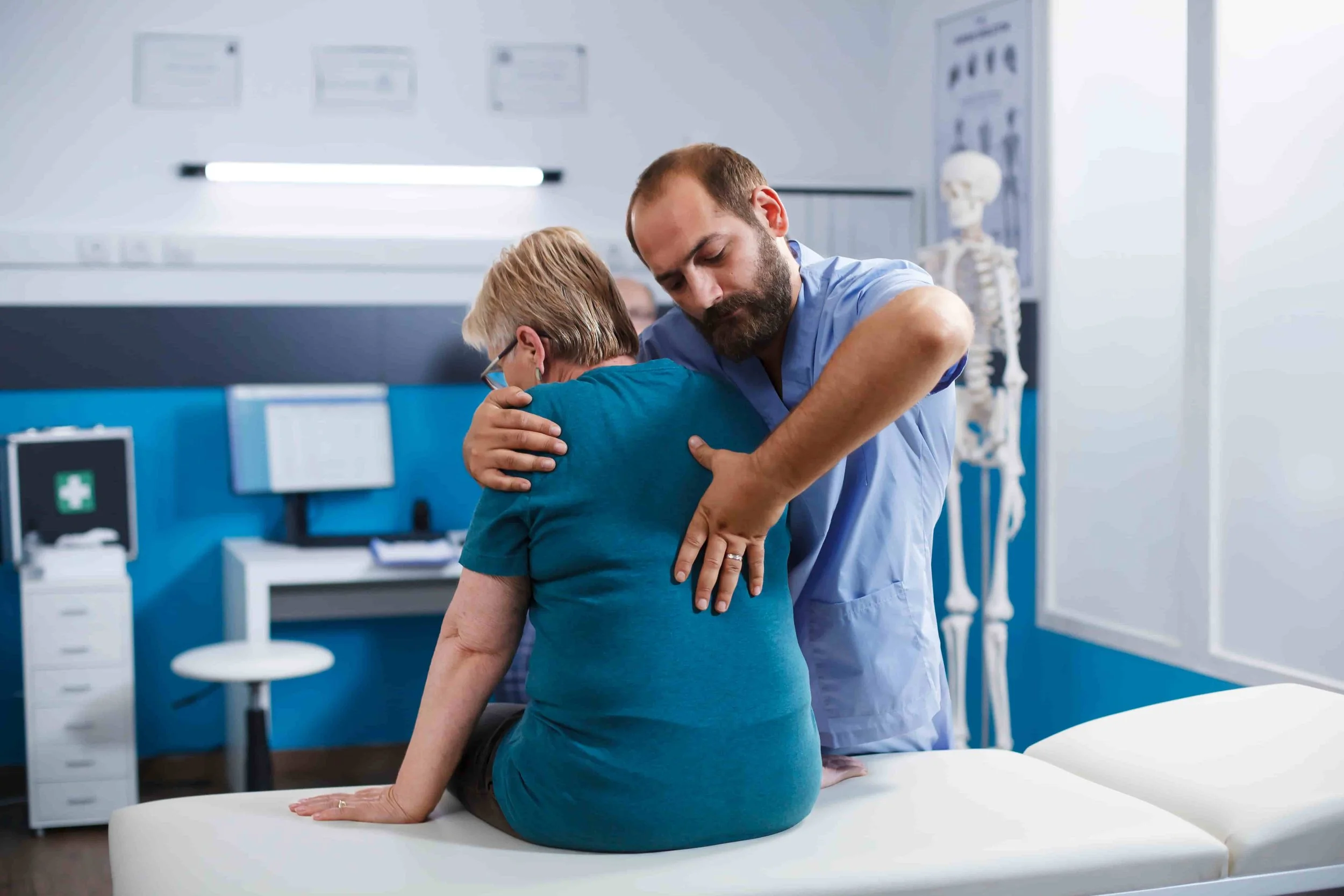
Home physical therapy gives older adults a practical way to regain strength, improve balance, and move with confidence—without leaving their home. A licensed physical therapist (PT) brings clinic‑level expertise to the living room, personalizes each session to real‑life challenges, and helps prevent falls and loss of independence.

Top Benefits of Choosing Home Health Care Over Hospital Stays
Home health care allows people to receive clinical support in the place they feel safest: their own home. For many conditions, it offers a practical, lower‑stress alternative to hospital stays. This article explains the leading benefits, how in‑home doctor services work, and where mobile diagnostics such as mobile x‑ray, bedside ultrasound, and in‑room lab testing fit into the plan of care.