
Your Care Guide

End-of-Life Planning in California
Many Californians face the challenge of navigating medical choices, family roles, and emotional conversations at the end of life without a clear plan, which often leaves loved ones making stressful decisions in moments of crisis.

Bathroom Safety and Accessibility in California
Bathrooms remain one of the most hazardous areas in the home, where slips and falls often result in serious injuries, especially for older adults and people with limited mobility. The core challenge is creating a space that balances safety, accessibility, and compliance with California’s strict building standards without sacrificing comfort or design.

Annual Medical Checkups in Concierge Medicine
Annual concierge checkups provide extended exams, advanced screenings, and personalized prevention. See how needs differ for young adults, midlife, and older adults.

Recognizing and Supporting an Elderly Person in Need of a Higher Level of Care
The aging process is not simply a slow and uniform decline of physical and cognitive functions. In many older adults, it can transition into a state known in geriatrics as frailty. This is not merely "natural aging" but a complex syndrome characterized by a significant loss of strength and functional abilities.

Physical Therapy and Therapeutic Exercise for Older Adults: A Complete Practical Guide
Older adults often face declining strength, balance issues, and limited mobility, which increase the risk of falls, fractures, and loss of independence. Physical therapy and therapeutic exercise provide structured, safe routines that strengthen the hips, improve coordination, support wheelchair users, and offer water-based options to restore health and confidence.
Urgent Care vs. Home Health: What to Choose for Your Loved One
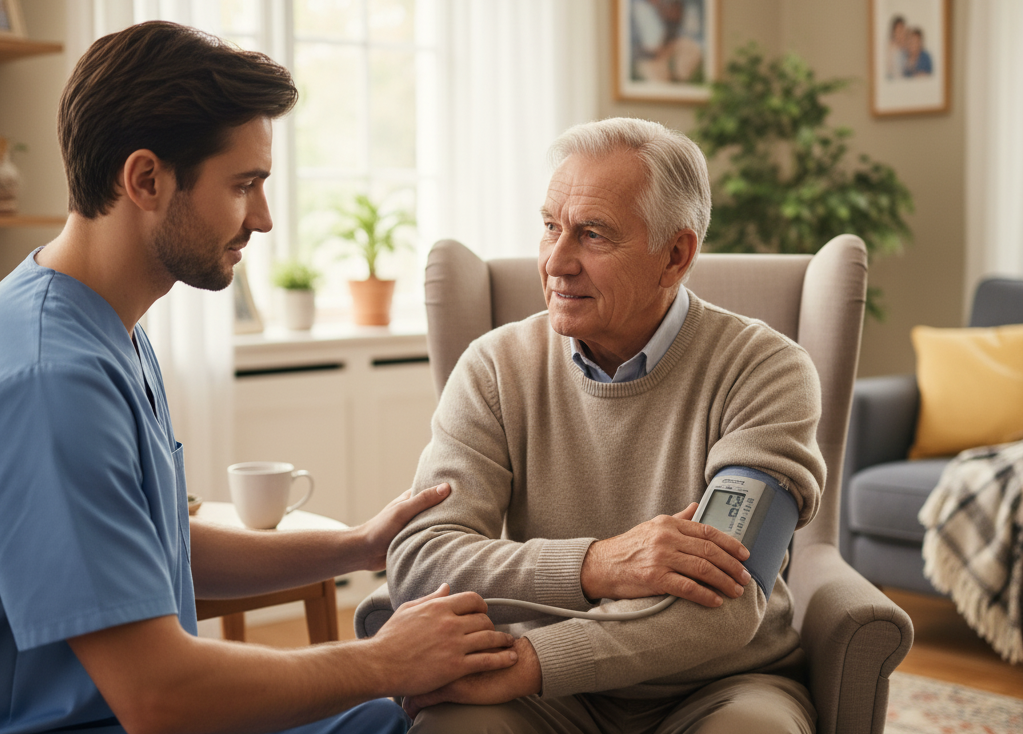
Families often struggle to decide where to turn when loved ones need medical attention. Urgent Care is designed for sudden, non-life-threatening issues, while Home Health provides ongoing, physician-directed care at home for recovery and chronic conditions.

Technology in Home Care: From Telemedicine to Remote Monitoring
Instead of “wait until it’s bad, then go to the clinic,” care is moving proactive. Telemedicine, virtual visits, and remote patient monitoring (RPM) help spot issues earlier, treat more precisely, and avoid hospital trips. That saves time, money, and stress for patients, families, and clinics.

Nutrition and Hydration at the End of Life: Finding the Balance Between Care and Burden
In the late stages of illness, patients naturally lose appetite and thirst. Families often see this as dangerous and try to force feeding or IV fluids, which can lead to complications — swelling, pneumonia, nausea. The core issue is balance: how to avoid harm from aggressive interventions while still providing care and comfort.

Things an EKG Can Tell You About Your Heart’s Health
How a simple and accessible test — the EKG — can reveal hidden issues in heart function. It explains that an EKG helps detect arrhythmias, heart attacks, heart enlargement, medication effects, and electrolyte imbalances, while also noting its limitations as only the first step in a broader diagnostic process.

Signs Your Loved One May Need Home Care Services
As loved ones age, daily routines can become harder. Missed meals, memory lapses, or small accidents may signal the need for support. Recognizing these signs early helps maintain safety, comfort, and independence with the help of home care services.