
A Compassion Valley
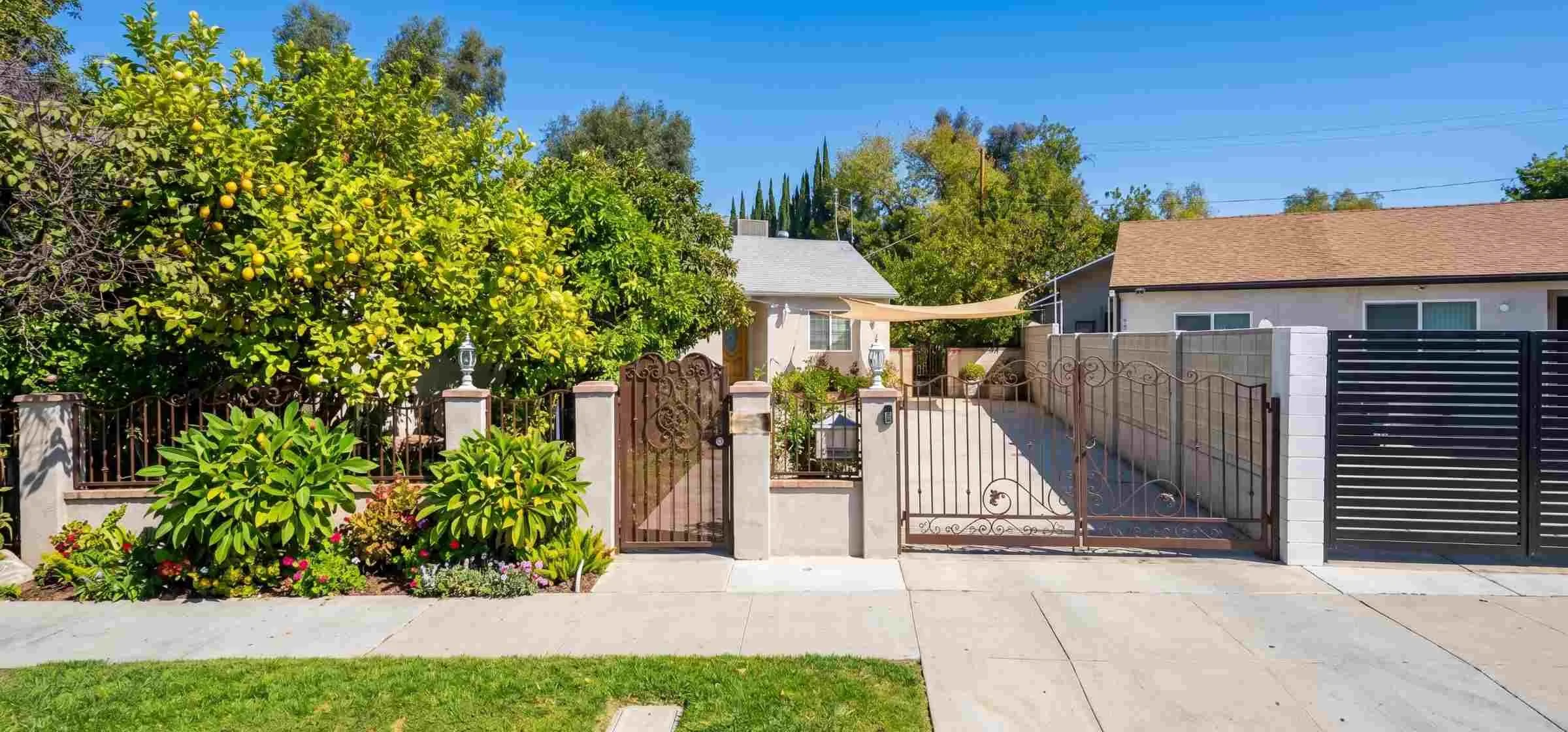
A Compassion Valley is a small, licensed residential care home in Van Nuys, California, with room for six residents. What defines a home like this is its intimate, family-style scale – a handful of older adults living together under one roof and sharing daily life, with close, personal attention from caregivers. The name says a lot about the intent: care built around compassion and familiarity rather than the size and buzz of a large community. This overview covers who the home serves, the house and daily life, its state oversight, and its Van Nuys setting.
A Small Care Home in Van Nuys
The Board-and-Care Experience
A Compassion Valley is licensed for six residents aged 60 and over, offering the board-and-care experience where a few older adults live together in a house and share daily life. For families who value closeness and steadiness over amenities and scale, that setting is usually the main draw. With only six residents, caregivers come to know each person well, which helps them anticipate needs, offer comfort in familiar ways, and notice early when something changes.
A Familiar, Homelike Setting
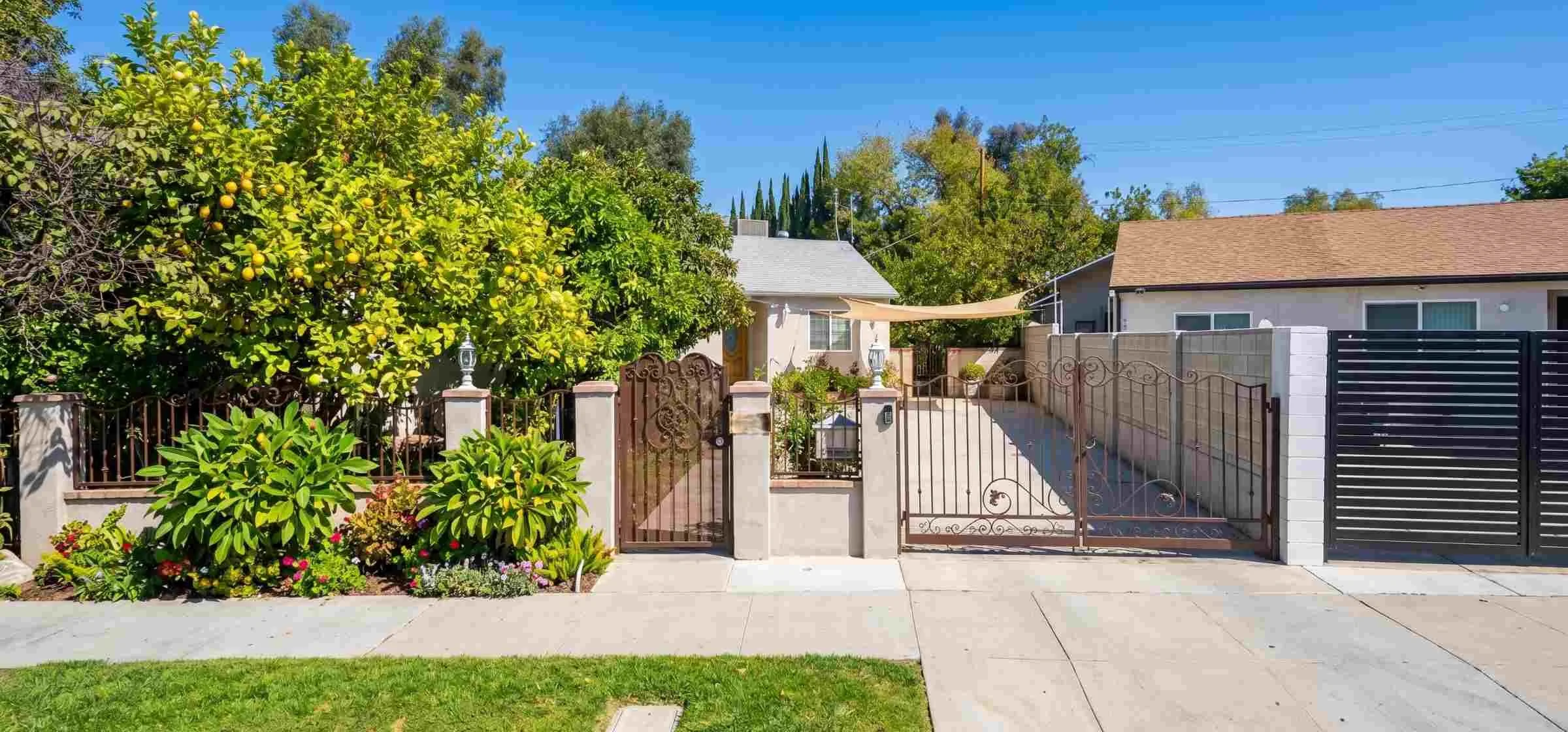
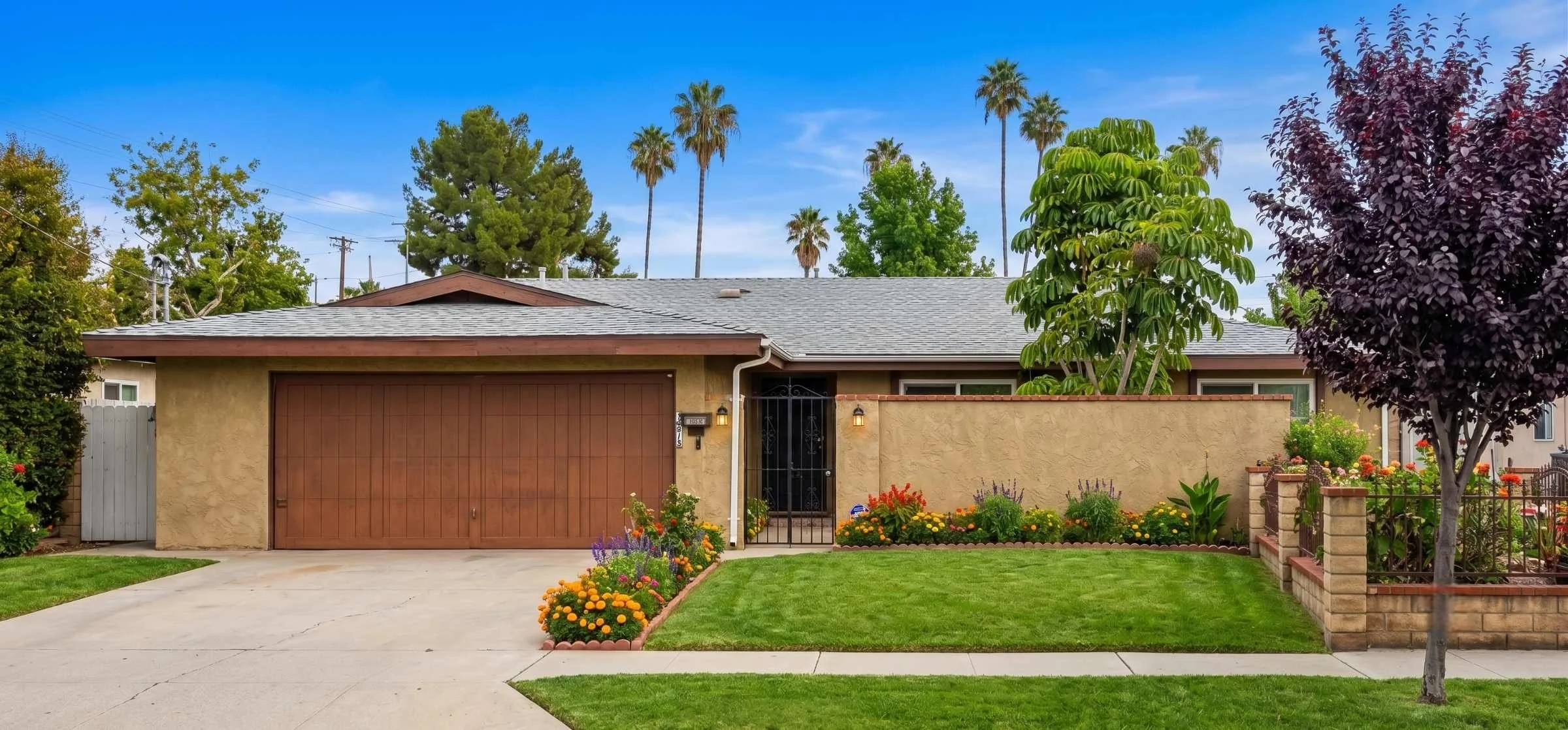
Set in a Van Nuys neighborhood rather than on a commercial campus, the home keeps daily life low-key and familiar. A normal house on a residential street, with shared living spaces and home-cooked meals, can feel far less institutional than a large community. For an older adult who finds a busy, crowded environment overwhelming, that quiet, house-like quality can lower stress and help them feel settled from day to day.
Care and Daily Support
Help With Daily Living
Caregivers help residents with bathing, dressing, grooming, and mobility, provide supervision, and manage medications so they are taken correctly. In a home this size, that support can be unhurried and personal, delivered by staff who know each resident’s routines and preferences. The aim is steady, respectful help that lets each resident keep doing what they can while filling in where they need a hand.
Medical Support and Equipment
Sometimes an older adult needs clinical care or equipment beyond what a care home provides on its own. When mobility aids, hospital beds, or other durable medical equipment are needed, families in the area can turn to providers such as Medlife Medical Supply, which can deliver equipment to the home. For routine medical needs, families can also arrange for a doctor who visits the home, supporting checkups, medication reviews, and follow-ups without a stressful trip to a clinic.
Meals and Comfort
Daily life is supported by home-cooked meals, housekeeping, and laundry, so residents and families do not have to worry about chores. Shared mealtimes give residents easy, everyday companionship, and in a home this small they feel more like a family table than a dining hall. Attention to individual dietary needs and simple comforts helps each resident feel looked after.
A predictable daily rhythm is part of what makes a small home feel steady. Familiar mealtimes, gentle activity, and quiet afternoons give structure to the day without feeling regimented, and that predictability is especially comforting for older adults who feel unsettled by change. Caregivers can adjust the pace to the people in their care, offering a walk in the yard, a favorite show, or simply company in the living room. It is this attention to the small textures of a day, more than any single service, that lets a resident feel genuinely at home.
State Licensing and Inspections
A Compassion Valley is licensed and overseen by California’s Community Care Licensing Division, which conducts inspections, investigates complaints, and publishes the results. Families who want to review the home’s full public record, including its inspection history, can look it up through the state’s official care facility record. Reviewing that record directly is one of the most reliable ways to understand any care home before choosing it.
Questions to Ask When You Tour
Visiting in person tells you the most about whether a home is the right fit. As you walk through, notice how staff speak with residents, whether the home feels clean and calm, and how residents are spending their time. A few useful questions to bring along:
How many caregivers are on duty during the day and overnight?
What level of care is the home licensed to provide, and can it support changing needs?
How are medications and health changes managed?
What does a typical day of meals and activities look like?
How are families kept informed and involved?
What is included in the monthly rate, and what costs extra?
Living in Van Nuys
Van Nuys sits in the central San Fernando Valley in Los Angeles County, a well-connected area with a warm climate and easy freeway access. For families, that central location makes visiting simple, whether it is a quick weekday stop or a weekend meal together. The area is close to hospitals and medical care, which matters for relatives who visit often or may need to reach a hospital quickly. Staying close and involved supports a resident’s sense of connection and helps families remain part of daily life.
Board and Care vs a Larger Community
Families often weigh a small board-and-care home like this one against a larger assisted living community. A board-and-care home offers intimacy, a high caregiver-to-resident ratio, and a quiet, home-like setting that can suit someone who prefers calm and familiarity. A larger community typically offers more amenities, a fuller activity calendar, and more people to socialize with. Neither is better in the abstract; the right fit depends on a person's temperament, care needs, and what feels like home. Someone who is easily overstimulated, or who simply prefers a quiet household, may do better with the steady rhythm of a six-bed home, while a more social person may miss the buzz of a bigger place. Visiting both kinds of settings, ideally at different times of day, is the best way to see which one truly fits.
Helping a Loved One Settle In
The transition into a care home is a big change, and small steps can make it gentler. Setting up the room with familiar belongings, photos, and a favorite blanket helps it feel like home, and sharing a parent's routines and life story with caregivers gives them a head start on connecting. In a six-resident home, that personal history goes a long way, because staff can weave it into everyday care. Keeping visits steady in the first weeks offers reassurance while everyone adjusts, and open communication with caregivers turns the move into a shared effort centered on your loved one's comfort.
A Gentle Next Step
Choosing a care home is a personal decision that deserves time and a real visit. If you are comparing homes or unsure whether a small board-and-care setting fits, a placement service that helps families navigate senior housing can walk you through the options and set up tours at no cost. Seeing A Compassion Valley in person, meeting the caregivers, and picturing your loved one is the best way to know whether it is the right match for your family.
Explore More Assisted Living Communities


Address: 7356 Leescott Ave., Van Nuys, CA 91406