
Crescent Oaks
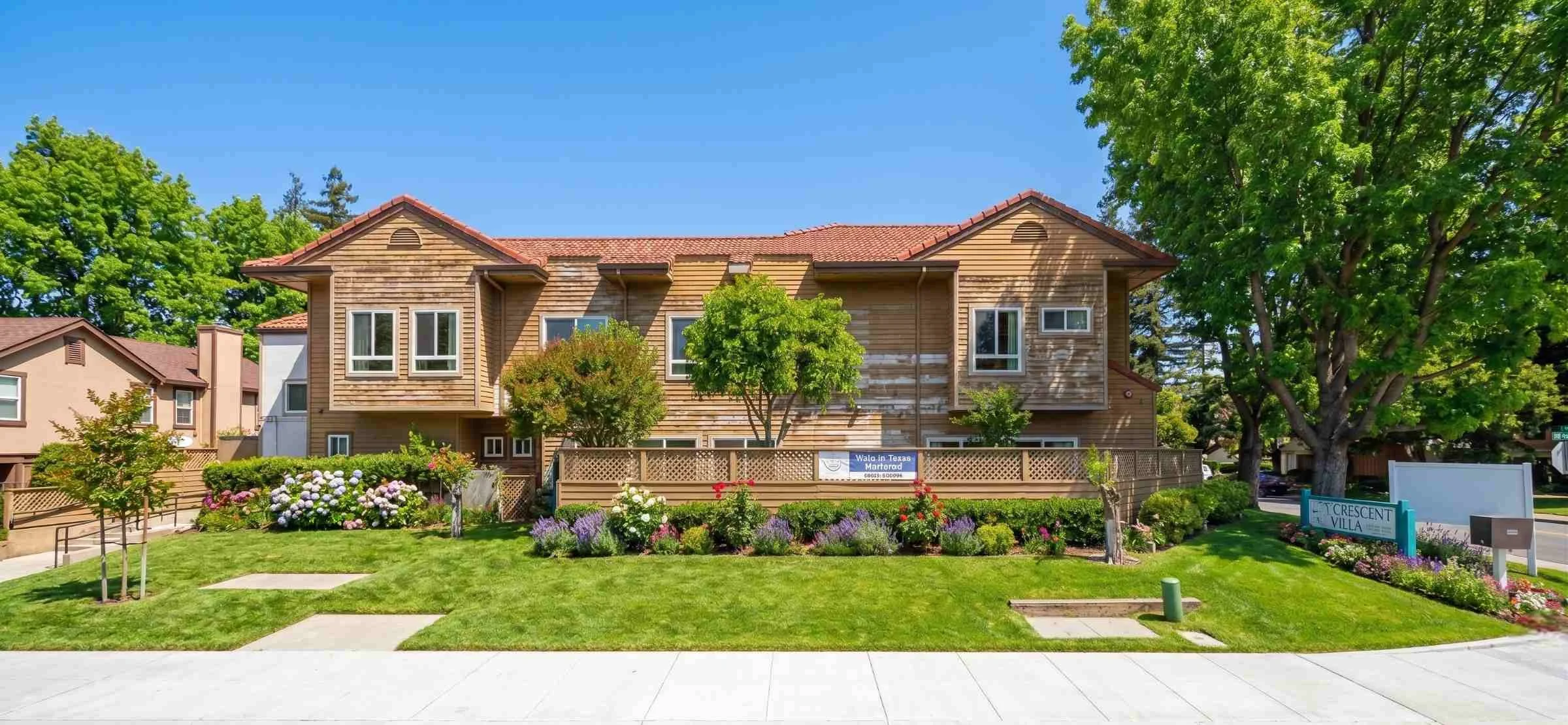
Crescent Oaks is a licensed assisted living community in Sunnyvale, California, with room for up to 44 residents. Sitting in the heart of Silicon Valley, it offers something between the intimacy of a tiny care home and the scale of a large campus: a community big enough for a real social life and shared amenities, yet small enough that staff can still know residents by name. This overview looks at who the community serves, daily life and care, its state oversight, and what it means to call Sunnyvale home.
A Community-Scale Home in Silicon Valley
The Middle Path Between Small and Large
With a licensed capacity of 44, Crescent Oaks lands in a sweet spot that many families are looking for. A very small board-and-care home offers closeness but few amenities; a sprawling community offers amenities but can feel impersonal. A mid-size community like this one aims to give you both – enough neighbors and activities for an engaging day, without the overwhelming bustle of a very large campus. For an older adult who enjoys company but still values familiar faces, that balance can feel just right.
A Sunnyvale Setting
Set on Crescent Avenue in a residential part of Sunnyvale, the community keeps daily life grounded in a real neighborhood rather than a remote campus. Being close to shops, parks, and medical care makes visits easy for families and helps residents stay connected to the wider community. For relatives who live and work in the Bay Area, a central Sunnyvale address means dropping by is simple, whether it is a weekday check-in or a weekend meal together.
Care and Daily Support
Help With Everyday Living
Assisted living centers on personal care: help with bathing, dressing, grooming, and mobility, along with supervision and medication management so medicines are taken correctly. In a community this size, that help can still be delivered in a personal way, with staff who learn each resident's routines and preferences. The goal is steady, respectful support that lets residents do what they can while filling in wherever they need a hand.
Meals, Activities, and Companionship
Daily life is supported by prepared meals, housekeeping, and laundry, so residents and families are freed from chores. Shared dining and group activities give residents easy, everyday companionship, which can lift mood and ease the isolation that many older adults face at home. A fuller activity calendar is one of the advantages a community of this scale can offer over a very small home.
When Extra Medical Support Is Needed
Sometimes an older adult needs more clinical care than an assisted living community provides on its own, such as skilled nursing, physical therapy, or help recovering after a hospital stay, which can be arranged through visiting home health services. For routine medical needs, families can also choose a doctor who comes to the resident, supporting checkups, medication reviews, and follow-ups without the stress of arranging transportation to a clinic.
State Licensing and Inspections
Crescent Oaks is licensed and overseen by California’s Community Care Licensing Division, which carries out inspections, investigates complaints, and publishes what it finds. Families who want to review the community’s full public record can look it up through the state’s official care facility record. Checking that record directly is one of the most reliable ways to understand any community before choosing it.
Assisted Living and Memory Care: Know the Difference
Families touring communities often hear the terms assisted living and memory care used side by side, and it helps to know how they differ. Assisted living supports older adults who need help with daily tasks but are largely aware and independent in their choices. Memory care is a more structured, secured setting designed for people living with Alzheimer’s disease or another dementia, with staff trained in the specific needs that come with memory loss. Some communities offer only one; others offer both. When you visit, it is worth asking directly what level of care a community is licensed to provide and whether it can adapt as a resident’s needs change over time.
What to Look for When You Tour
Visiting in person tells you more than any brochure. As you walk through, notice how staff speak with residents, whether the community is clean and calm, and how residents are spending their day. A few questions worth bringing along:
What level of care is the community licensed to provide, and can it support changing needs?
How many caregivers are on duty during the day and overnight?
How are medications and health changes handled?
What does a typical week of meals and activities look like?
What is included in the monthly rate, and what costs extra?
How are families kept informed and involved?
Living in Sunnyvale
Sunnyvale sits at the center of Santa Clara County in the heart of Silicon Valley, a mild-climate city known for its parks, walkable neighborhoods, and easy access across the Bay Area. For families, that central location makes staying involved simple, and the surrounding area is well served by hospitals and medical care. Staying close and visiting often supports a resident’s sense of connection and helps families remain part of daily life, which matters just as much as any amenity.
Helping a Loved One Settle In
The move into a community is a big adjustment, and a few small steps can ease it. Furnishing the new space with familiar things – favorite photos, a well-loved chair, a bedspread from home – helps a room feel like the resident's own from the first night. Sharing a parent's daily routines, food preferences, and life story with the care team gives staff a head start on building rapport, which matters even in a mid-size community where a friendly, familiar face can turn a nervous first week into a comfortable one.
Steady visits in those early weeks offer reassurance while everyone adjusts, and it is completely normal for both residents and families to need time to find their footing. Encouraging a new resident to join a meal or an activity, even briefly, can help them start to feel part of the community. Open, ongoing conversation with caregivers keeps everyone working toward the same goal: a loved one who feels safe, known, and at home.
Safety and Peace of Mind
For many families, the real relief of assisted living is knowing someone is nearby around the clock. Trained caregivers on site day and night mean help is available if a resident has a fall, feels unwell, or simply needs reassurance at 3 a.m. Medication management lowers the risk of missed or doubled doses, a common and serious problem for older adults living alone. Shared spaces designed for safety, from grab bars to good lighting, reduce everyday hazards that a private home may not address. Together, these features let families breathe easier, knowing their loved one is not facing the day alone.
Finding the Right Fit
Choosing a community is a personal decision that deserves time and a real visit. If you are comparing options or unsure whether a mid-size community is the right match, a placement service that guides families through senior housing can help you weigh choices and set up tours at no cost. Seeing Crescent Oaks in person, meeting the caregivers, and picturing your loved one there is the surest way to know whether it is right for your family.
Explore More Assisted Living Communities

Address: 340 Alta Vista Drive, South San Francisco, CA 94080