
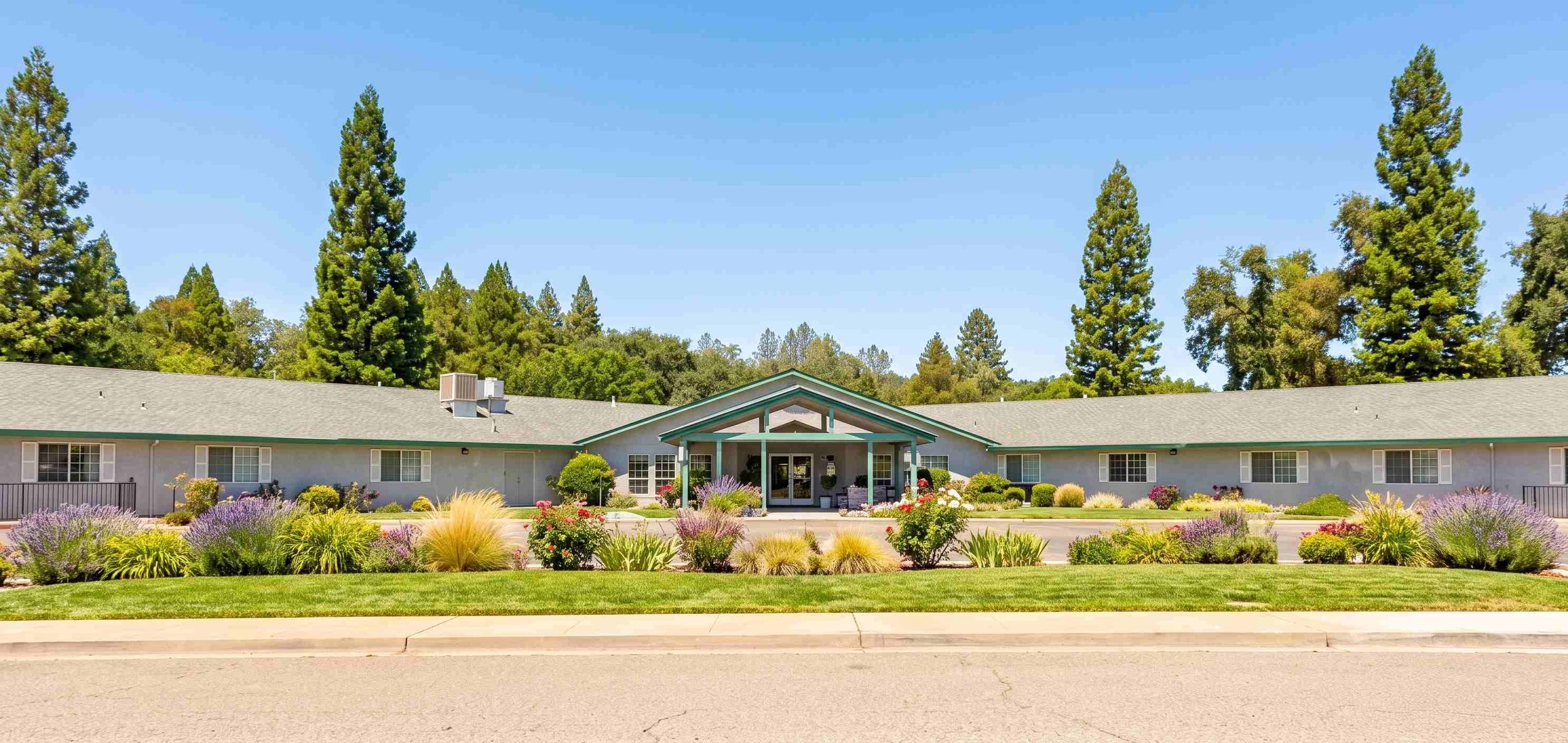
Amador Residential Care Facility
Once the paperwork is in order, most families find the move itself goes more smoothly with a little planning. Pack familiar items, such as photos, a favorite chair, and bedding, so the new room feels like home from day one. Give your loved one time to adjust, since the first few weeks in any new community are usually the hardest.
Amador Residential Care is a licensed Residential Care Facility for the Elderly (RCFE) in Jackson, the county seat of Amador County. It holds California license number RCFE #030317773 and is licensed for up to 49 residents. In plain terms, it is a home-like community where older adults live in private or shared rooms and receive help with daily life around the clock.
An RCFE is not a hospital or a nursing home. It is a residential setting for seniors who no longer feel safe living alone but do not need constant skilled medical care. The sections below explain what that means for your family and what to expect when you visit.
What Assisted Living Provides
Assisted living gives daily help while letting residents keep as much independence as possible. According to the National Institute on Aging, residential care facilities like assisted living typically offer meals, help with personal care, medication support, housekeeping, and social activities, with staff on hand 24 hours a day.
The idea is simple. A resident gets a private space and a predictable routine, plus a hand with the tasks that have become hard.
Common support in this kind of community includes:
Prepared meals each day, with snacks and help at the table if needed
Assistance with bathing, dressing, and grooming
Reminders and organized support for taking medications on time
Housekeeping, laundry, and general upkeep of the room
Group activities and shared spaces that keep the day social
A well-run community also builds an individual care plan for each resident. That plan is reviewed as needs change, so the level of help can rise gently over time rather than all at once.
Ask each community exactly which services are included and which cost extra. Details differ from one place to the next, so confirm current specifics directly with the facility.
What Daily Life Looks Like
In a residential care community, the day tends to follow a gentle rhythm. Mornings bring help with dressing and breakfast, followed by activities, meals, and rest through the afternoon and evening.
Residents usually have their own room, private or shared, along with common areas for meals and gatherings. Shared spaces matter, because regular company and light activity help many seniors stay engaged.
Routines like these can ease anxiety for someone who felt unsafe or lonely at home. Predictable meals, steady company, and staff nearby often lift both mood and appetite.
How to Know It May Be Time
There is rarely one clear sign. Instead, small worries usually add up over months, and family members often notice the pattern before the senior does.
You might start weighing assisted living when a loved one has frequent falls, misses medications, loses weight, stops cooking, or seems isolated at home. Safety concerns and caregiver burnout are both fair reasons to look. The National Institute on Aging offers a practical checklist for how to choose a long-term care facility, including questions to ask on a tour.
It can help to talk with your loved one early, before a crisis forces a rushed choice. These conversations are hard, yet starting them sooner gives everyone more say in the decision.
When you visit, notice how staff speak to residents and how the building feels. Warmth and calm are hard to fake, and a short walk through the common areas tells you a lot.
Life in Jackson and Amador County
Jackson sits in the Sierra Nevada foothills, in the heart of California's Gold Country. It is a historic Gold Rush town with a walkable Main Street, which can make family visits pleasant and easy to plan.
Amador County is a small, rural county, so the pace is quiet and the drives are scenic. Visiting families often combine a stop at the community with lunch downtown or a short trip through the surrounding hills.
Staying close matters. Regular visits help a new resident settle in, and they give you a steady read on how the care is going.
If you live far away, plan a video call routine and stay in touch with the staff by phone. Small, steady contact keeps you connected to your loved one's day-to-day life.
Understanding the Cost
Assisted living in California is usually paid for privately, and monthly rates vary by community, room type, and the level of care a resident needs. Some people also draw on long-term care insurance or veterans benefits to help cover the bill.
Ask for a clear, written breakdown of what the base rate includes and what triggers extra charges. Knowing how fees rise as care needs grow will help you plan and avoid surprises later.
Keeping Medical Care on Track
Assisted living handles daily help, but each resident still needs their own medical care. A community does not replace a primary care doctor, so keeping checkups, prescriptions, and follow-ups on schedule stays part of the plan.
Getting an older adult to and from appointments can be tiring for everyone. One option that eases this is a doctor who visits the community, so routine care happens where the resident already lives. House-call and telehealth visits can reduce stressful trips and help catch small problems early.
Whatever route you choose, keep a current medication list and share it with the community's staff. Call the resident's doctor for new or worsening symptoms, and call 911 for anything that looks like an emergency, such as chest pain, trouble breathing, or a serious fall.
Taking the Next Step
A good next move is to call and schedule a tour. Seeing the rooms, meeting staff, and asking about costs and care levels will tell you more than any listing can.
A few questions can make each tour more useful:
What is the staff-to-resident ratio during the day and overnight?
How are medications stored, tracked, and given?
What happens if a resident's care needs increase over time?
How does the community handle a medical emergency?
What is included in the monthly rate, and what costs extra?
If you want help comparing several communities at once, a senior placement service can walk you through options based on care needs, budget, and location. Take your time, ask plenty of questions, and trust what you see on the visit.
Contact and Details
Address: 155 Placer Drive, Jackson, CA 95642
Phone: (209) 223-4444
License: RCFE #030317773
County: Amador County, California
Capacity: Licensed for up to 49 residents
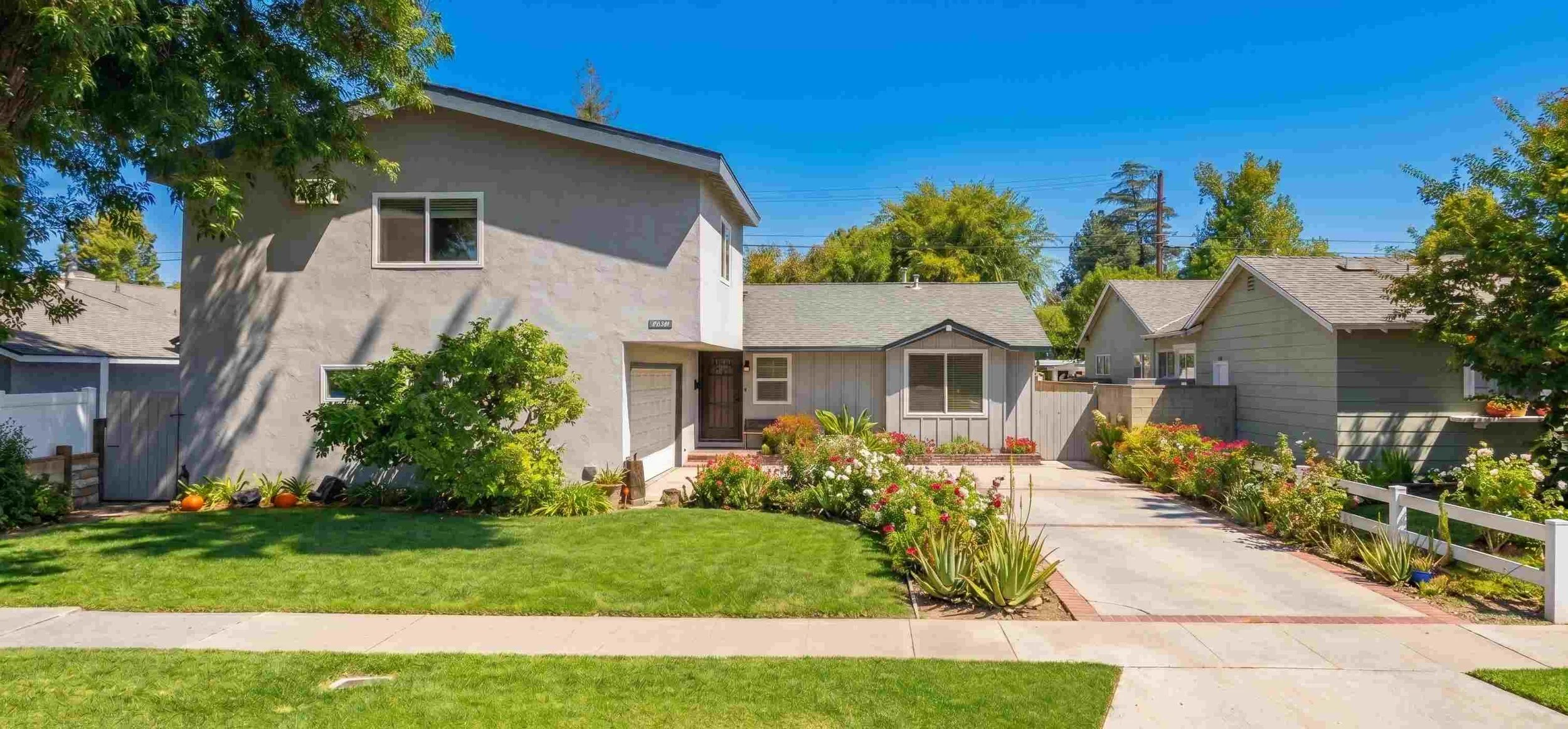

Address: 20743 Clark Street, Woodland Hills, CA 91367