
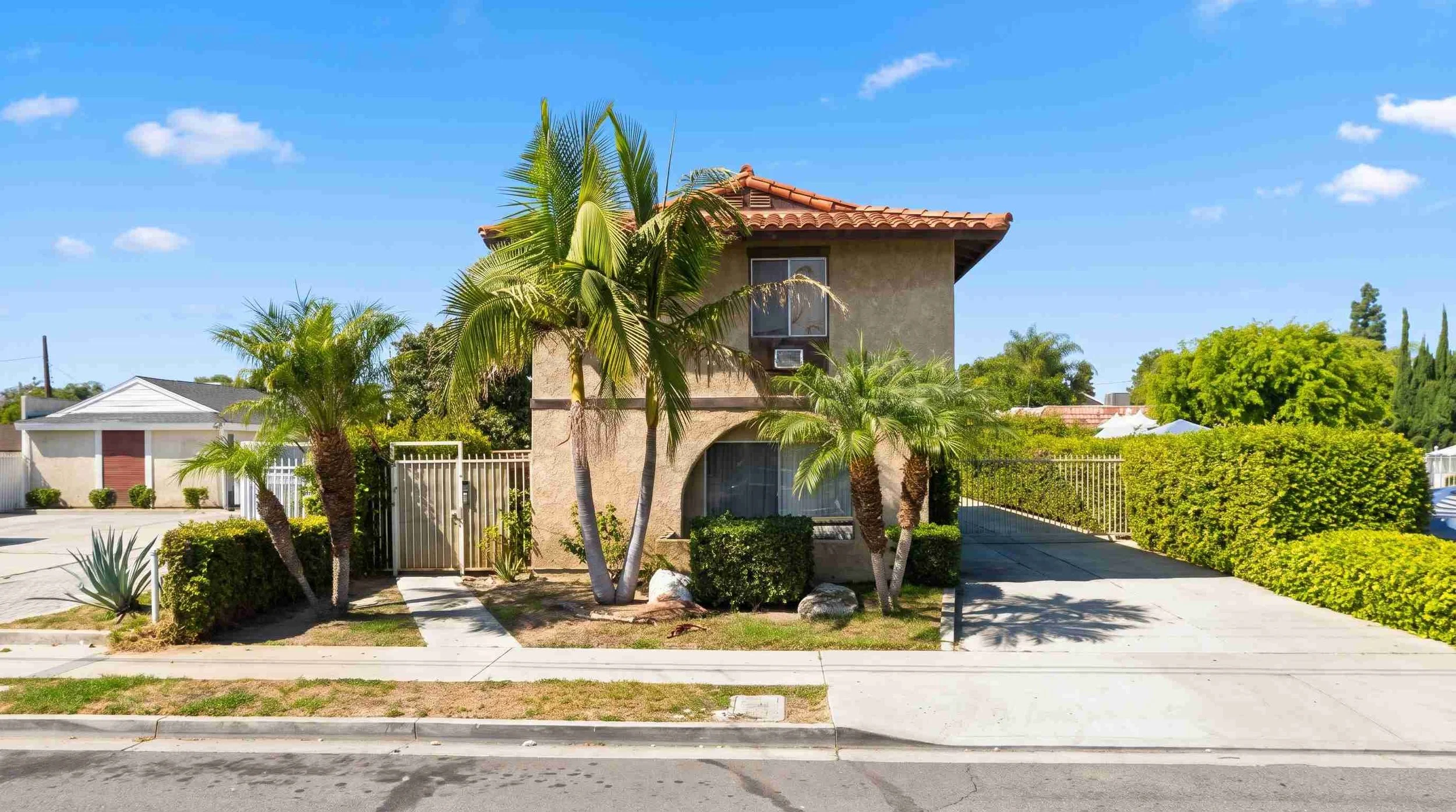
The Cottages at Artesia is a licensed residential care community at 6041 Kingman Avenue, Buena Park, CA 90621, in northern Orange County. It holds California license number 306005999 and is licensed for 55 residents. Families searching for assisted living in Fullerton often end up here, because Buena Park sits directly next door.
This overview sticks to what the licensing record actually shows, what a mid-size community like this one does differently from a six-bed home, and what the surrounding area looks like for visiting family. Anything about rooms, pricing or current openings should come from the community itself.
What the License Record Shows
The state licensing file is the one source that does not change with marketing, and it answers the first questions most families have.
The community has been licensed since January 14, 2022, which makes it one of the newer residential care licenses in the area. The licensee is The Cottages at Artesia L.L.C., and the administrator of record is Aurelia Olais. The license is current.
|
On the state record |
Detail |
|---|---|
|
Facility name on the license |
COTTAGES AT ARTESIA, THE |
|
Address |
6041 Kingman Avenue, Buena Park, CA 90621 |
|
License number |
306005999 |
|
License type |
Residential Care Facility for the Elderly (RCFE) |
|
Licensed capacity |
55 residents |
|
Licensed since |
January 14, 2022 |
|
Licensee |
The Cottages at Artesia L.L.C. |
|
Administrator of record |
Aurelia Olais |
|
County |
Orange |
A detail worth noting: a second community with a nearly identical name operates in Anaheim under a separate license. If you are comparing notes with a placement advisor or a hospital discharge planner, confirm you are both talking about the Buena Park address.
What Licensed for 55 Residents Means in Practice
Capacity is the single number that tells you the most about how a community feels day to day.
California licenses residential care for the elderly in a wide range of sizes, from six-bed homes in ordinary neighborhoods to communities with well over a hundred apartments. At 55 residents, The Cottages at Artesia sits in the middle: large enough to run a kitchen, an activity schedule and overlapping staff shifts, small enough that staff generally know every resident by name.
How It Compares With a Six-Bed Board and Care
A small home trades programming for intimacy. Two or three caregivers, one shared living room, and meals cooked for a handful of people. The trade-offs of small group homes come down to how much oversight and structured activity a person needs alongside that closeness.
A mid-size community usually offers more: a bigger activity calendar, more staff on at once, and more room to move around indoors. It is also busier. Families who have toured both often find the difference obvious within ten minutes, which is why visiting a smaller option such as a guest home in nearby Garden Grove on the same day is a useful exercise.
What an RCFE License Does and Does Not Cover
A residential care license in California covers help with daily living: bathing, dressing, meals, housekeeping, and assistance with medications under supervision. It is non-medical care in a home setting.
It is not skilled nursing. Communities licensed this way do not provide round-the-clock nursing care, and that boundary is exactly what the physician's report establishes before a move-in. The LIC 602A form records a person's conditions, mobility, medications and level of assistance so the state and the community can confirm the care needed is care the license allows.
Medical Care While Living at the Community
Residential care communities arrange daily support, but a resident keeps their own doctor and their own appointments.
That becomes the practical question within the first month. Who handles the next check-up, the medication review after a hospital stay, the wound that needs looking at? For a resident who is frail or who gets confused in waiting rooms, every outside appointment costs a half-day and a car ride.
Many families in Orange County solve this by arranging for a physician who sees patients where they live, so routine visits, medication reviews and the annual paperwork happen in the resident's own room. The community's administrator can usually say which outside clinicians already come to the building.
The Area Around Kingman Avenue
The community sits on a residential street in Buena Park, a city in northern Orange County bordered by Fullerton, Anaheim, Cypress, La Palma and Cerritos.
For visiting family, that location is the quiet advantage. Fullerton, Cypress and La Palma are each a short drive away, so adult children living in any of those cities can stop in after work without crossing the county. The 91 and 5 freeways are both close, which matters more on a weekday evening than it does on a map.
For medical care, the nearest acute-care hospitals are La Palma Intercommunity Hospital, a 127-bed community hospital founded in 1972 in neighboring La Palma, and West Anaheim Medical Center on Orange Avenue in Anaheim. Both are well inside a typical ambulance radius, and both are realistic destinations for a specialist appointment.
The surrounding neighborhood is flat, residential and walkable in the gentle sense, which suits residents who still enjoy a short stroll with a companion. Knott's Berry Farm is a few minutes away, so visiting grandchildren have somewhere to go on a long weekend.
What to Ask Before You Commit
Tours show you the building. The questions below show you how the community runs when no one is visiting.
Ask how many caregivers are on duty overnight, not just during the day. Ask what happens when a resident's needs increase, and at what point the community would say it can no longer meet them. Ask who assesses that, and how much notice a family gets.
Ask to see the most recent state inspection findings and how any citations were corrected. Facilities are inspected on a schedule, and a community that hands you the paperwork without hesitation is telling you something useful.
Then read the agreement slowly. Rate increases, the notice period, what triggers a move-out, and which services sit outside the base rate are the clauses that cause problems later. A short list of questions to ask before signing an assisted living agreement is worth having in hand at the table.
Your Next Step
If this community is on your shortlist, call to confirm current availability, the room types open now, and the monthly rate for the level of care your relative needs.
Comparing several communities at once is where most families get stuck, and it is the part a local advisor does quickly. 123 Senior Placement works with families across Orange County, assessing needs, shortlisting communities and coordinating tours and the move itself.
If you would rather look at a wider list first, the directory of placement services is a reasonable starting point. Either way, get the physician's report started early – it is the step that most often delays a move-in by a week or two.

Written by Sofiia Puhach
October 29, 2026
Explore More Assisted Living Communities


Address: 6041 Kingman Avenue, Buena Park, CA 90621