
Joyful Chapter
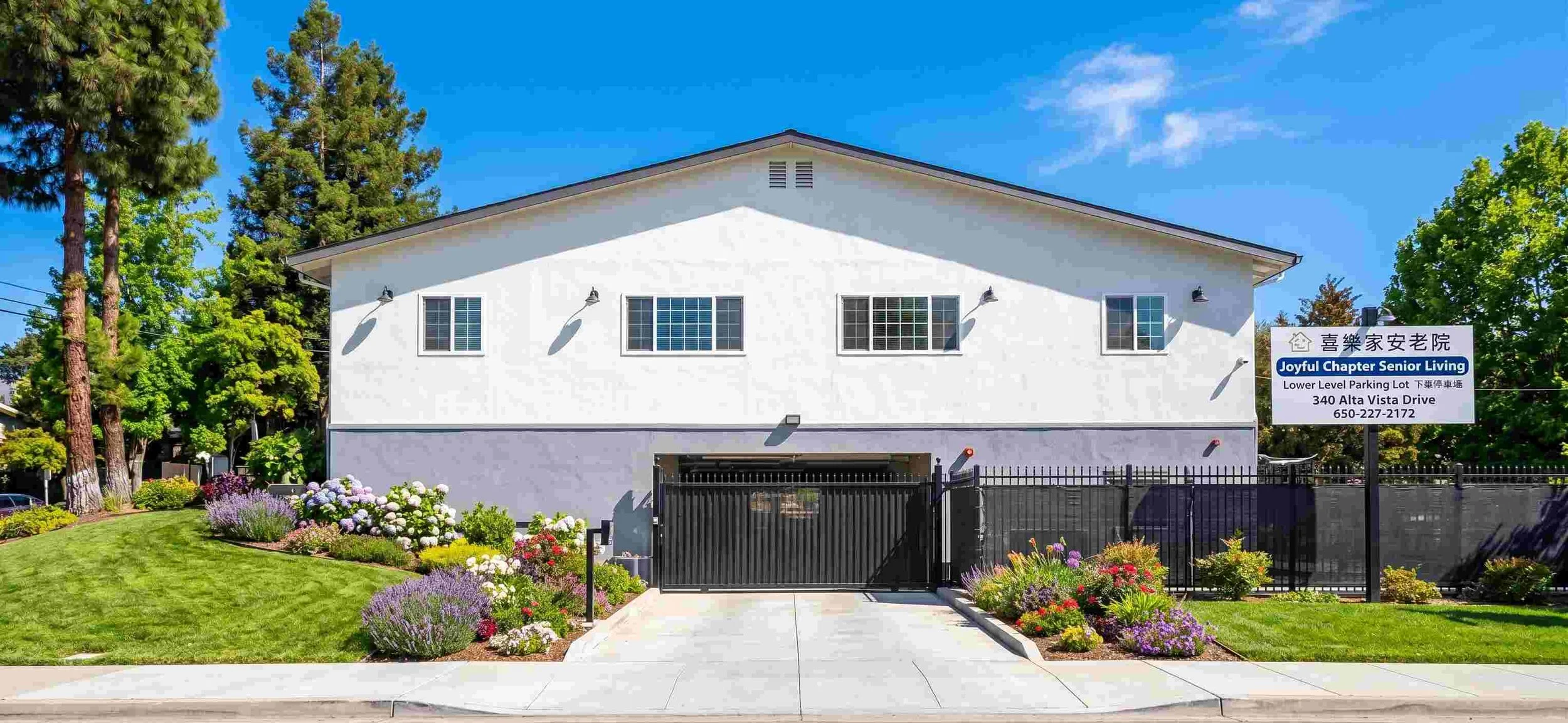
Joyful Chapter Senior Living sits at 340 Alta Vista Drive in South San Francisco, licensed by the State of California under license number 415600832 with a capacity of 49 residents. It has been licensed since 2011.
What Makes This Home Different From Other Assisted Living in South San Francisco
Language and food, rather than amenities. Joyful Chapter describes itself as a Chinese senior care home, and its staff speak Cantonese, Mandarin and Taisun alongside English. Meals are built around Chinese dietary needs rather than adapted to them.
For a family whose parents switched back to their first language years ago, that changes the daily experience more than any feature on a brochure. Being able to ask for help, explain a symptom, or make a joke in your own language is the difference between living somewhere and waiting somewhere.
The home also observes Chinese holidays on site, including Chinese New Year, the Moon Festival and the Dragon Boat Festival. Residents play Mah Jong, watch Chinese television, and go out occasionally for Dim Sum, according to the facility's own description of its community.
If your parents do not speak Chinese, this is probably not the right fit, and that is worth saying plainly. The strength here is specific, and a home's strengths only matter when they match the person moving in.
What Care Does a Joyful Chapter Provide?
The home lists round-the-clock supervision and hands-on help with daily life. Its published service list covers 24/7 supervision, nutritious meal preparation, help with daily grooming, bathing assistance, dressing, incontinence care, and assistance with walking and transferring.
It also lists bed-bound assistance and states that it welcomes both ambulatory and non-ambulatory residents aged 60 and over. That matters because many small homes accept only residents who can walk or evacuate on their own, which forces a second move when mobility changes.
Respite and adult day care appear on the same list. For a family caring at home, a short respite stay is often how people test whether a residential setting suits their parents before committing to anything permanent.
Ask for specifics during a tour. How many staff are awake overnight, what the process is when someone's needs increase, and whether the home has had to ask a resident to leave in the past year. Published lists describe intent; those three answers describe practice.
What Should You Ask If Memory Loss Is Part of the Picture?
Ask about supervision level before you ask about memory care. Joyful Chapter lists protective supervision for residents with impaired judgment among its services, which is not the same as a dedicated memory care unit, and the distinction matters for safety.
In California, homes that serve residents with dementia have to meet additional requirements, including provisions around secured perimeters and staff training. When you search for memory care in South San Francisco, you will see both types in the same results, so confirm directly which one you are looking at.
Questions that separate them quickly: is any door alarmed or secured, what happens if a resident tries to leave at night, how is wandering handled, and what dementia-specific training staff receive. Ask for the answers in writing if a move is likely.
A small home with 49 beds and long-tenured staff can suit early and moderate memory loss very well, because familiarity does a lot of the work. As needs grow, the honest question becomes whether this setting can still keep your parents safe, and a good administrator will tell you before you have to ask twice.
What Does Board and Care Mean Compared With Larger Senior Living?
Board and care and assisted living are licensed under the same California category, the Residential Care Facility for the Elderly. What differs is size and feel. A six-bed board and care is a converted house; a larger community runs more like a small hotel with activity programming.
Joyful Chapter sits between those poles. At 49 licensed beds it is large enough to staff overnight properly and run group activities, and small enough that staff know each resident by name and know what they ate yesterday.
The trade-off is usually independence versus attention. Bigger senior living campuses offer more choice of apartment, dining venue and scheduled outings. Smaller homes offer more eyes on each person, which is what families want once help with bathing and medication reminders is part of daily life.
Senior housing is a third thing entirely, and the word gets used loosely in search results. Age-restricted apartments provide no personal care at all, so if your parents need help dressing or bathing, a housing listing is the wrong category no matter how appealing the photos are.
How Does Medical Care Work Once Someone Moves In?
Residents keep their own doctors, and the home coordinates rather than replacing medical care. That means appointments, prescriptions and follow-ups remain a family responsibility unless you arrange otherwise.
This is where transport becomes the daily friction. An appointment across town turns into a half-day for whoever drives, and missed follow-ups are one of the most common reasons a stable resident ends up in an emergency room.
Arranging for a clinician who visits the home removes most of that. A doctor who sees residents on site can handle routine checks, medication reviews and minor problems in the resident's own room, and send anything serious onward.
Ask the administrator which visiting providers already come to the building. Most homes have established relationships with a podiatrist, a lab service and at least one primary care practice, and joining an existing schedule is simpler than starting a new one.
What Is the Neighborhood Around Alta Vista Drive Like?
Quiet and residential, with practical things close by. Joyful Chapter describes its location as a quiet neighborhood in South San Francisco, near shopping areas, senior activity centers, a BART station and a hospital.
The BART access matters more than it sounds. Family members who do not drive, or who work in San Francisco, can visit after work without a car, and visits that are easy happen more often than visits that are planned.
Alta Vista Drive is on the hillside side of town, which means quieter streets and some slope. If a resident uses a walker and you imagine short walks outside, look at the sidewalk grade directly outside the house rather than assuming from a map.
Nearby senior activity centers give residents somewhere to go that is not the facility. Ask whether the home takes residents to any of them and how often, since outings on a published calendar and outings that actually happen are not always the same list.
What Is a Reasonable Next Step?
Call and ask for a tour at a mealtime. Food and the room's atmosphere during a meal tell you more in twenty minutes than an hour of conversation in an office, and a home that welcomes an unscheduled mealtime visit is usually a home that has nothing to hide.
Bring the physician's report with you if a move is likely within the month. Homes cannot admit anyone without it in California, and the wait for a doctor's appointment is the step that most often delays a move by weeks.
If your parent's needs, language and budget do not line up neatly, a placement agency can shortlist homes that match all three before you spend weekends touring. That saves the most time when a specific language or dietary requirement narrows the field.
To reach the home directly, visit Joyful Chapter Senior Living or call (650) 678-8663. The facility lists visiting hours of 10:00am to 7:00pm daily at 340 Alta Vista Drive, South San Francisco, CA 94080, and its California license number is 415600832.
Sources Used
Find a clinician or care service – Doctor2me Provider Network
Joyful Chapter Senior Living – Chinese Senior Care in South San Francisco – Joyful Chapter Senior Living
Primary Care & Medical Specialists – Doctor2me Provider Network
Request Form LIC602 – Doctor2me

Written by Sofiia Puhach
September 28, 2026
Explore More Assisted Living Communities
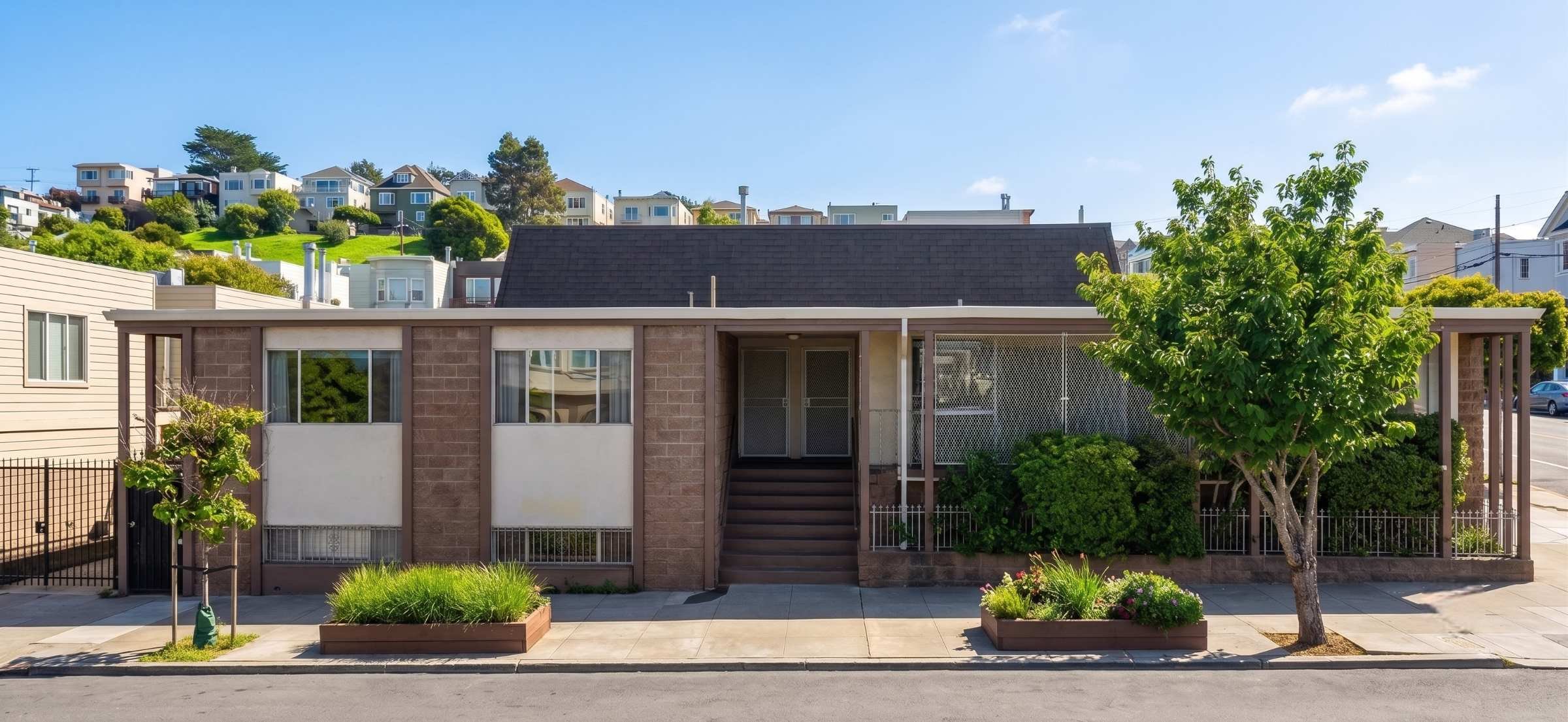

Address: 340 Alta Vista Drive, South San Francisco, CA 94080