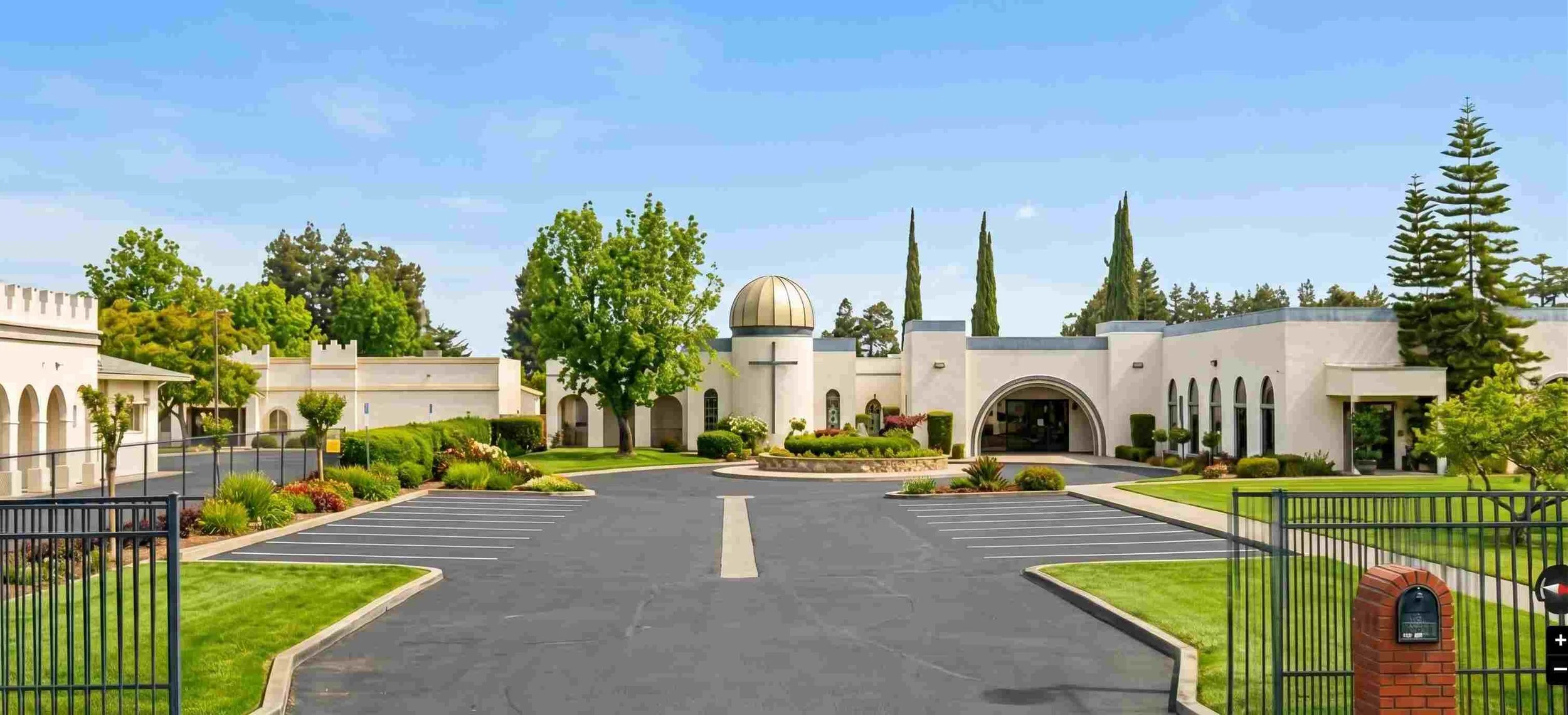
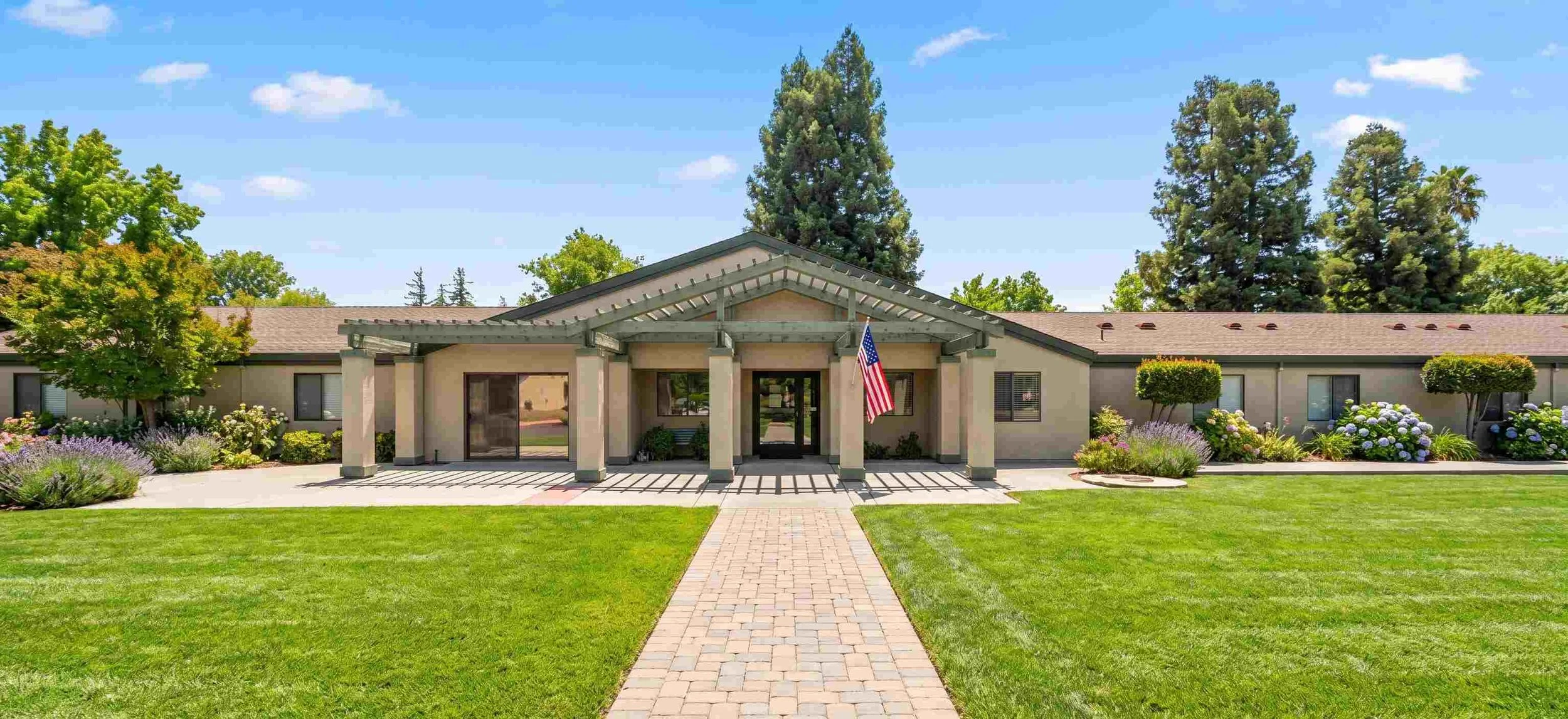
St. Thomas Retirement Center
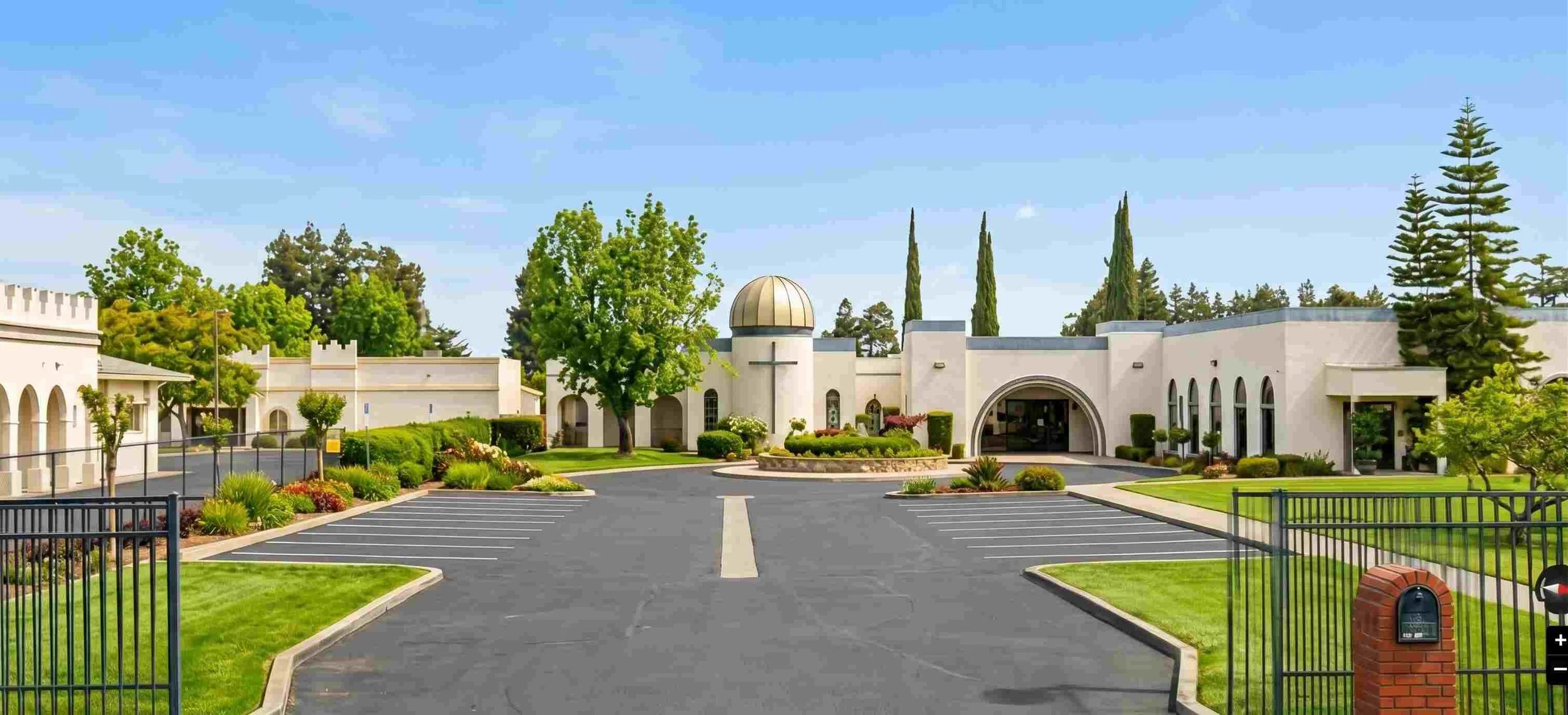
St. Thomas Retirement Center sits at 2937 North Berkeley Avenue in Turlock, and holds state license number 500310664 as a Residential Care Facility for the Elderly with a capacity of 49. The phone number is (209) 634-7252.
A House Run by a Religious Order, Not a Chain
The licensee on the state record is the Chaldean Sisters, Daughters of Mary Immaculate Conception, and the facility describes itself as a Christian Catholic home.
That ownership is the first thing worth understanding about this place. Most California assisted living of this size is corporate, and the difference shows up in small ways: continuity of leadership, a community life built around a faith calendar, and a culture that does not change with a management contract. The administrator on record is Sr. Basima Margaret Homa.
The license was first issued on June 27, 1988, which means the home has been operating under the same licence number for more than three decades. Longevity is not the same as quality, but it does mean the staff have been through many inspections, many admissions, and many difficult days.
If your family is Catholic, or if a parent finds comfort in that rhythm, this matters practically rather than sentimentally. Ask how Mass, chaplaincy and holidays actually work inside the building, and whether residents of other faiths or none take part on their own terms.
What 49 Beds Means in Practice
Forty-nine is a deliberate number, and it sits right below a threshold in California's rules.
Under state regulations described by CANHR (2025), an administrator at a facility with 16 to 49 beds needs 15 college credits, while 50 beds and above requires two years of college or three years of experience. A home with 49 licensed beds falls into the middle tier on purpose.
Night coverage follows the same brackets. For facilities with 16 to 100 residents, one person must be awake and on the premises overnight, with another on call and able to respond within ten minutes. That is a real difference from a six-bed board and care, where one qualified person on the premises and on call is the requirement.
Size also shapes daily life. A house this size usually has a dining room with sittings, an activity calendar, and enough residents that someone will share your mother's interests. It is large enough to feel like a community and small enough that staff learn names.
What an RCFE License Does and Does Not Cover
A Residential Care Facility for the Elderly is a non-medical licence, and that single fact answers most questions families ask.
RCFEs provide room, meals, housekeeping, supervision, storage and distribution of medication, and personal care help with hygiene, dressing, eating, bathing and transferring. They are not required to have nurses, certified nursing assistants or doctors on staff, because they are not licensed as medical facilities.
Some conditions are outside what the licence allows at all. Tube feeding and the treatment of open bedsores are examples that cannot be managed in an RCFE, and a facility must tell residents in writing, at or before admission, about any retention limits, including whether it can serve someone who cannot leave the building unaided.
Dementia care is permitted but conditional. A facility may offer it if it meets specific licensing requirements, and the phrase memory care is a marketing term rather than a legal one. If you are searching for memory care in Turlock, ask directly which licensing standards the home meets and what happens if a resident starts to wander.
Mentioning the limits is not a criticism of this home. It is the frame every California family should carry into every tour, and our step-by-step guide to choosing an assisted living home sets out the rest of the questions.
Medical Care While Living There
Because an RCFE is non-medical, routine health care keeps happening outside the licence rather than inside it.
In practice that means a resident keeps their own doctor, and visits either happen at a clinic or at the home. Many Turlock families find transport to appointments is the piece that quietly becomes exhausting, especially when a parent uses a walker and the appointment is at eight in the morning.
Care brought to the building is the usual answer. A clinician who visits residents where they live can handle check-ups, medication review and follow-up without anyone leaving the house, and staff can be present for the conversation.
Worth asking on a tour: which physicians already visit this building, how medication changes are communicated to families, and what the home does when a resident comes back from hospital with a new set of instructions.
What It Costs and Who Pays
Expect private pay, and expect the number to depend on the room and on the level of care assessed.
CANHR puts the statewide average monthly cost of residential care at around $6,000, with a range from roughly $1,420 for a resident on Supplemental Security Income up to more than $10,000. Specialized dementia or hospice care sits at the higher end of any home's schedule.
Neither Medicare nor Medi-Cal pays directly for residential care, because these are not medical facilities. California's Assisted Living Waiver, which lets Medi-Cal cover care for eligible residents in an RCFE, runs in 15 counties, and Stanislaus County is not one of them.
That makes the admission agreement the document to read slowly. It must state every fee, what the base rate covers, how level of care is assessed, and the notice required before a rate rises. Ask for a blank copy to take home before anyone signs anything.
The Neighborhood
North Berkeley Avenue sits in a quiet residential part of north Turlock, away from the highway noise and close to the ordinary business of the city.
Turlock itself is a Stanislaus County city in the northern San Joaquin Valley, with a walkable downtown, a farmers market in season, and the California State University campus that brings students, concerts and lectures into town. The City of Turlock publishes local service and recreation information worth scanning before a move.
Hospital access is closed. Emanuel Medical Center, at 825 Delbon Avenue, is a general acute care hospital with a basic emergency room and 209 licensed beds, a few minutes away by car.
For a family driving in from Modesto, the Bay Area or the southern valley, the practical questions are parking, visiting hours and whether grandchildren are welcome in the garden. Those are easy to confirm on a first visit and they shape how often people actually come.
Taking the Next Step
A tour answers more in twenty minutes than a week of reading does.
Call (209) 634-7252 to arrange a visit, and go at a time when residents are awake and moving, late morning or mid-afternoon rather than during a meal service. Ask to see the most recent annual inspection report and any substantiated complaints from the past year, which a facility must show you on request.
If you are comparing several homes at once, or you are doing this from another county, a placement advisor can shorten the list. Agencies that specialize in senior placement tour homes regularly and know which ones have openings and which take particular care needs.
The facility's own site is at st-thomas-retirement.org, and the mailing address is 2937 North Berkeley Avenue, Turlock, CA 95382. Licence number 500310664 is the one to quote in any call to Community Care Licensing.
Sources Used
City of Turlock – City of Turlock
Emanuel Medical Center – Medicare
Overview of Assisted Living/Residential Care Facilities for the Elderly (RCFEs) – CANHR (2025)
St. Thomas Retirement Center and Assisted Living – St. Thomas Retirement Center

Written by Sofiia Puhach
October 7, 2026
Explore More Assisted Living Communities in Thousand Oaks