
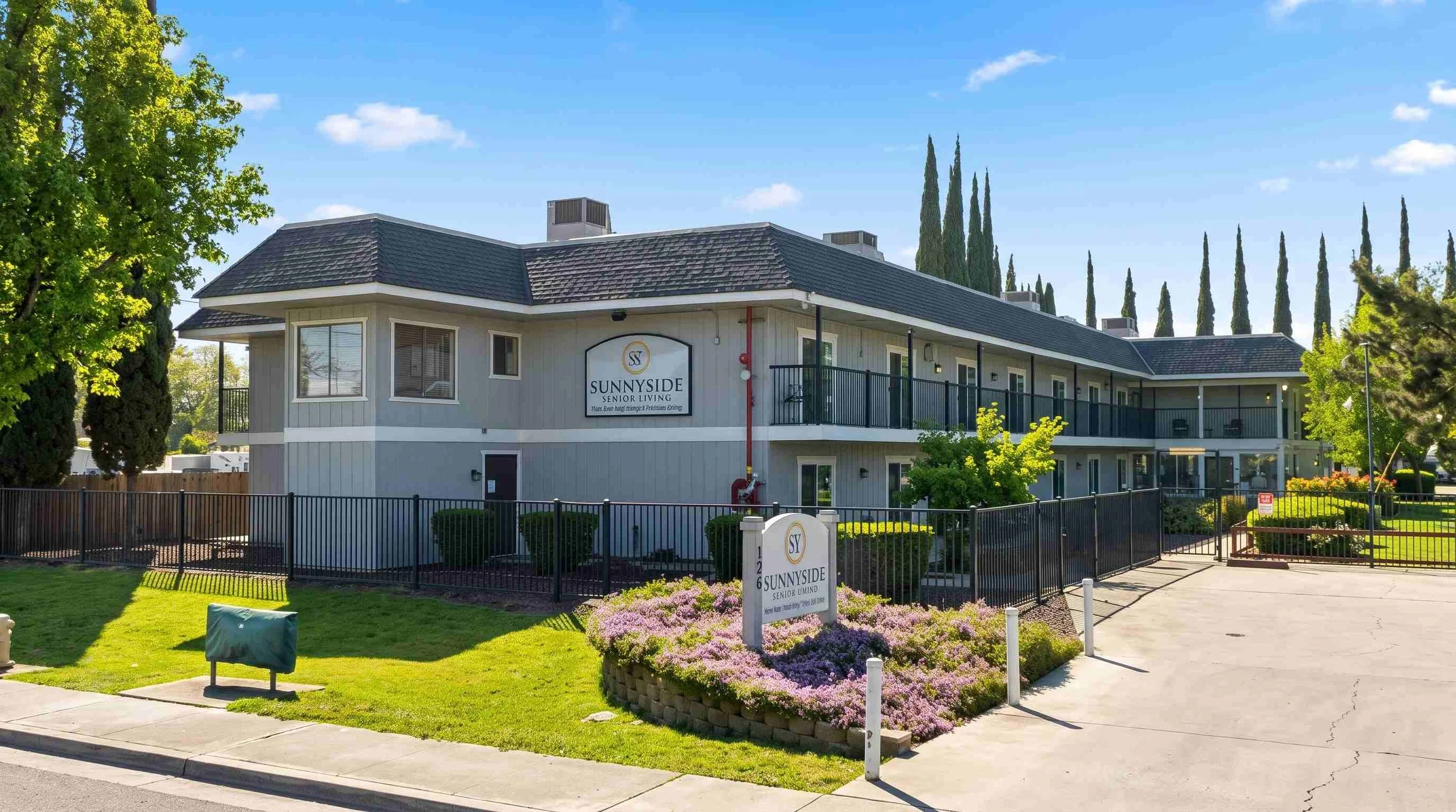
Sunnyside Senior Living is a licensed assisted living and memory care community at 120 20th Century Blvd, Turlock, CA 95380, in Stanislaus County. It holds California license number 502701283 and is licensed for 56 residents.
What makes it unusual in the local market is how new it is. State records show the license was first issued in November 2023, so this is a community still in its first years rather than one with decades of history behind the name.
What Kind of Community Is Sunnyside Senior Living?
It is a mid-sized residential care facility for the elderly, licensed for both assisted living and memory care. At 56 licensed beds it sits between the six-bed board and care homes common in the Central Valley and the large campuses of 100 residents or more.
That size tends to matter more to families than the brochure does. A community of this scale usually has full activity programming, dedicated kitchen and housekeeping staff, and a secured area, while still being small enough that staff know every resident by name.
The setting is a gated community with outdoor space, and rooms come as private or semi-private. Turlock itself puts the community about 15 miles south of Modesto, which is the practical answer for families who live in the larger city and want a parent nearby.
Who Runs It?
It is family-owned and operated. The community describes its leadership as CEO Pete Brichka and Executive Director Melissa Brichka, who took over as owners and present themselves as personally involved in day-to-day care.
Melissa Brichka is also the facility administrator on the state licensing record, which is worth knowing because the administrator is the person legally accountable for how the facility is run. When the owner and the administrator are the same person, decisions tend to move faster than they do through a regional office.
Ask about it directly on a tour. Family ownership is a real advantage when it means continuity and short decision chains, and the question that separates the two is simply how long the current care staff have been there.
What Services Are Included Day to Day?
The published service list covers the full range of assisted living support rather than housing alone. Awake staff are on site around the clock, which is the single most important detail for anyone worried about nights.
The services the community lists include:
24-hour care with awake staff on site
Help with daily activities such as bathing, dressing, and mobility
Medication management
Meals with accommodation for special diets
Daily housekeeping and laundry service
Incontinence care
Transportation to appointments
Daily activities and live entertainment
Wi-Fi, and private or semi-private rooms
Respite care, with a two-week minimum stay at a rate quoted in advance
Hospice services on site
Two items on that list deserve a second look. Respite care with a two-week minimum is a realistic trial for a family that is not ready to commit, and on-site hospice means a resident does not have to move again at the end of life, which is a question many families only think to ask much later.
What Does Memory Care Look Like Here?
Memory care is offered alongside assisted living rather than as a separate building. For a family, the practical consequence is that a resident whose memory declines may be able to stay in the same community instead of moving to a new address.
The community describes a secured, gated setting with its own grounds, which is the basic requirement for anyone at risk of walking off. Fall risk is one of the questions the facility addresses directly in its own published answers for families, and it is worth asking what specifically is done rather than accepting the general reassurance.
Dementia care quality lives in the details of a daily routine. Ask who leads activities, how often they run, what happens on a difficult afternoon, and what the staffing ratio looks like in the memory care area at 8 in the evening, not at 11 in the morning.
How Does Medical Care Work Once Someone Moves In?
An assisted living community is not a medical facility, and that surprises families more than anything else about the move. Staff help with medication and daily care, but diagnosis, prescriptions, and medical orders still come from a doctor outside the building.
Transportation to appointments is included here, which solves part of the problem. For a resident who travels poorly, the other option is for the clinician to come to the community instead, and a visiting primary care or specialty physician can handle routine reviews, forms, and follow-ups on site.
The nearest hospital is Emanuel Medical Center at 825 Delbon Ave in Turlock, a few minutes away. Ask the community how it handles an after-hours change in condition, who makes the call, and who notifies the family, because that sequence matters far more than the distance does.
What Is Assisted Living Licensed to Do in California?
Assisted living sits between living at home and a nursing home. The National Institute on Aging (2024) describes assisted living facilities as rooms or apartments for people who may need some help with daily tasks but do not need around-the-clock nursing care, and notes that many such facilities run special programs for people with Alzheimer's or another dementia.
In California these communities are licensed as Residential Care Facilities for the Elderly, which is the license Sunnyside Senior Living holds. The license sets the maximum number of residents and the categories of care the facility may accept, which is why the LIC 602A physician's report is required before anyone moves in.
The form is not a formality either. It is how the facility confirms the care a person actually needs falls inside what its license allows, and a mismatch found after a move-in is the kind of problem that leads to a second move.
How Do You Know It Is Time?
Most families arrive at this point gradually rather than suddenly. NIA guidance on long-term care (2023) notes that the need can appear suddenly after something like a stroke, but more often develops slowly as a person becomes less able to manage everyday activities alone.
The signs that usually decide it are practical ones. Meals being skipped, medicine taken wrong, a fall, nights that no longer feel safe, or a spouse who is carrying more care than their own health can take.
Visiting before you need to is the single most useful thing you can do. A tour taken while nothing is urgent gives you a real comparison, and respite care gives you a two-week version of the answer before anyone signs a long-term agreement.
What Should You Ask on a Tour?
Go at a time that is not convenient for them. Late afternoon and early evening show you staffing and mood at the hardest part of the day, which a mid-morning tour will never reveal.
Questions worth bringing in writing:
What is the base monthly rate, and what moves someone to a higher level of care and price?
How many care staff are on duty overnight, and how many are awake?
How long have the current care staff and the administrator been here?
What does the facility do when a resident needs more care than the license allows?
How is the LIC 602A handled, and does the community have a physician who can complete it?
What is the policy on pets, visitors, and bringing furniture from home?
What happened at the last state inspection, and may we see the report?
That last question is a fair one and a good test. Any California facility's licensing and inspection history is a public record, and a community comfortable with its own file will simply hand it over.
Contacts and the Next Step
Sunnyside Senior Living is at 120 20th Century Blvd, Turlock, CA 95380, license 502701283, and the phone number published on the community's own site is (209) 668-8014. Tours and callbacks can be arranged through its contact page.
Call ahead and ask about current availability before you drive. A 56-bed community in a smaller city can be full, and the memory care side can have a different wait than the assisted living side.
If you are comparing several communities around Turlock and Modesto at once, that is work a placement professional does every week. A senior placement agency can narrow the list to the ones that actually accept your parent's level of care, which usually saves a few wasted tours.

Written by Sofiia Puhach
November 16, 2026
Explore More Assisted Living Communities
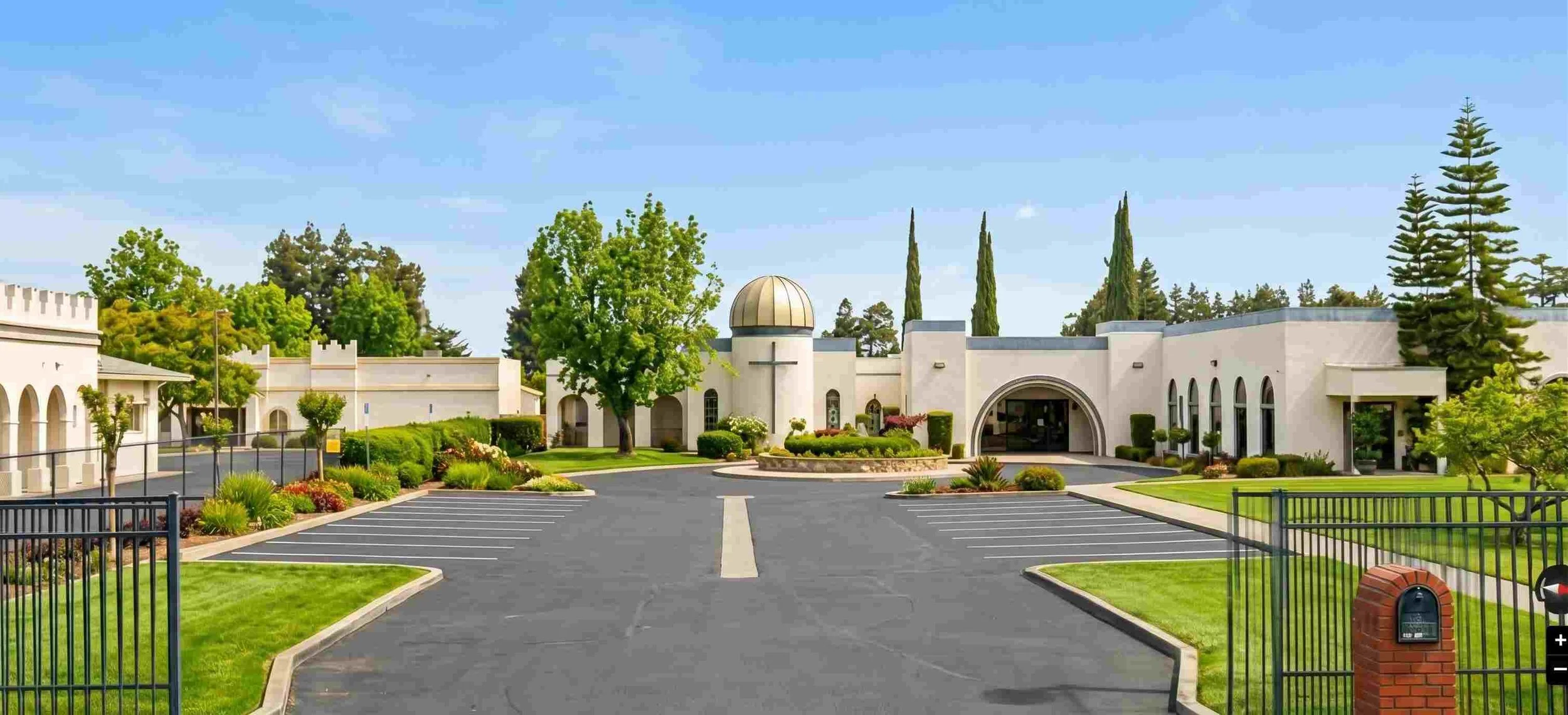
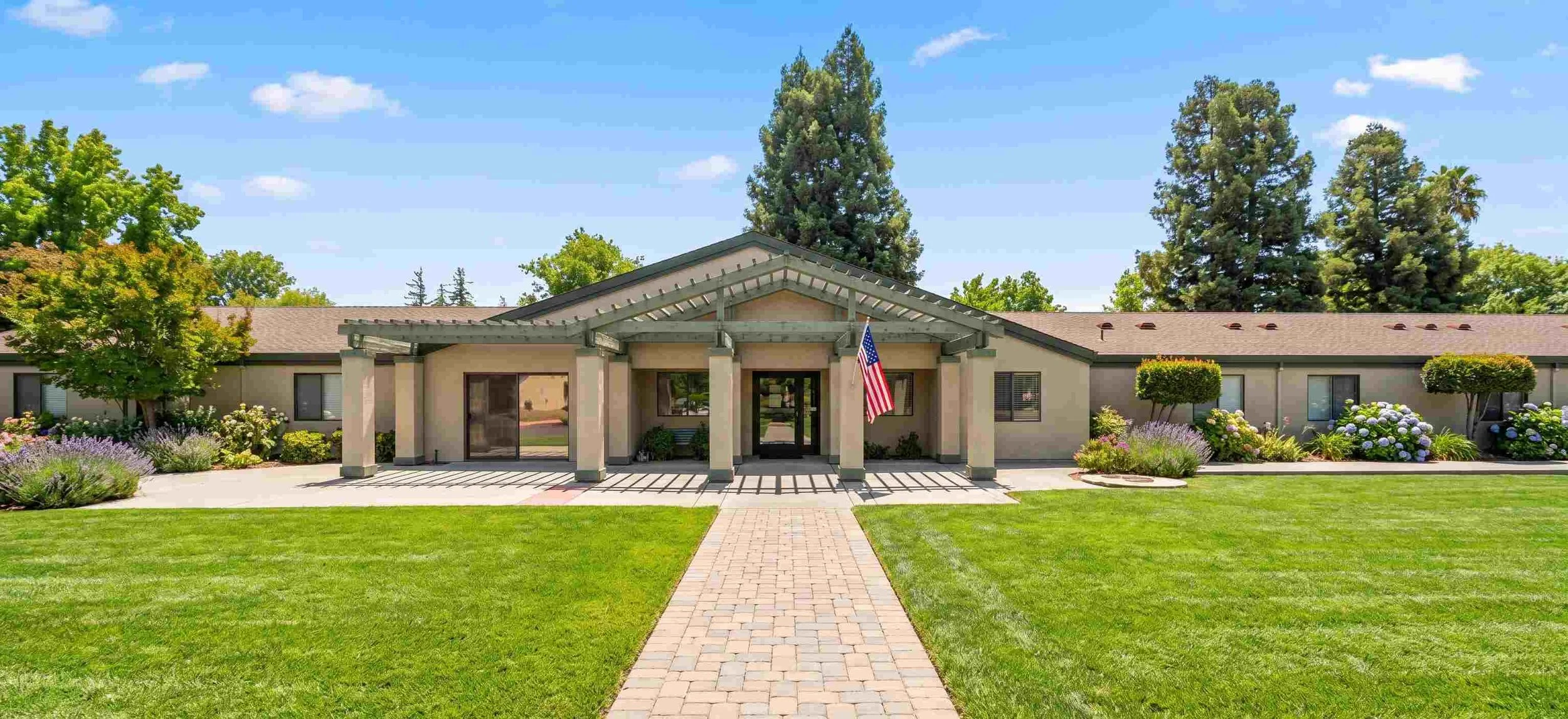

Address: 120 20th Century Blvd, Turlock, CA 95380 (Stanislaus County)